
When designing a functional yet elegant workspace, choosing the right lighting is a critical decision. A high-quality stone lamp has become a highly sought-after design element, offering an organic texture and solid presence that synthetic materials simply cannot replicate. However, integrating this heavy, natural material into your daily work environment requires careful consideration of its physical properties, maintenance needs, and structural demands.
Evaluating the characteristics of natural stone‒such as marble, travertine, granite, or alabaster‒helps you determine whether its aesthetic appeal outweighs its practical challenges. While the material brings unparalleled stability and a premium feel to a room, it also introduces challenges regarding weight, fragility, and susceptibility to staining. Understanding these factors ensures you make an informed decision that aligns with your desk setup, workflow, and maintenance habits.
Quick Answer: Pros and Cons of a Stone Lamp
A stone lamp offers a unique combination of aesthetic sophistication and physical stability, making it an excellent addition to permanent, high-end workspaces. The primary advantages of choosing stone include its premium visual appeal, distinct natural patterns, exceptional resistance to tipping, and high tolerance to everyday scratches and heat. Because natural stone is incredibly dense, it acts as a self-anchoring base that keeps your lighting secure even on active or height-adjustable desks.
Products mentioned in this guide
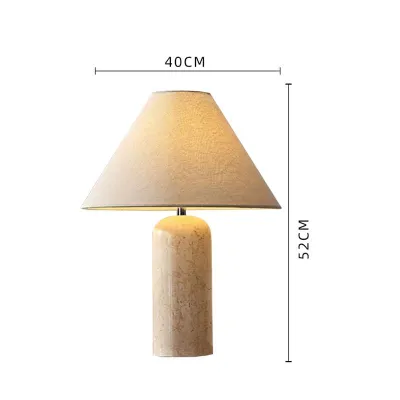
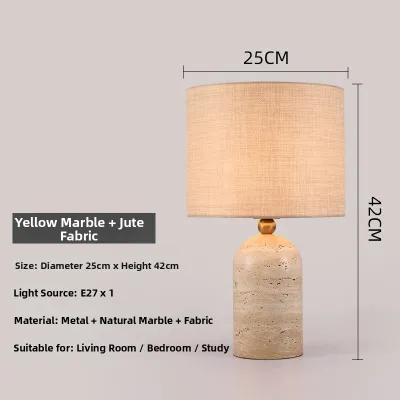
Prices are valid at publication and may change. Please refer to the product page for the latest price.
However, these benefits come with notable practical trade-offs that may not suit every user. The most significant drawbacks are its substantial weight, which limits mobility and can scratch delicate surfaces, and its inherent brittleness, making it prone to cracking or chipping if dropped. Additionally, many natural stones are porous, meaning they require specialized cleaning and are vulnerable to staining from common office spills like coffee, tea, or ink.
Ultimately, a stone-based light fixture is best suited for permanent, sturdy desk setups‒such as solid wood executive desks‒where the lamp will rarely be moved. It is less ideal for lightweight floating shelves, fragile glass surfaces without protective padding, or highly dynamic workspaces where accessories are frequently rearranged.
The Benefits of Stone Desk Lamps: Aesthetics and Stability
Integrating natural materials into interior spaces has long been a hallmark of sophisticated design, and stone lighting fixtures excel in both form and function. By understanding the specific benefits of stone, you can appreciate how this material elevates a workspace beyond the capabilities of standard metal or plastic alternatives.

Unmatched Aesthetic Appeal The most immediate benefit of a stone lamp is its premium visual impact. Unlike mass-produced plastic or metal lamps, natural stone features unique veining, color variations, and textures formed over millions of years. For instance, a Carrara marble base introduces classic elegance with its soft white background and grey veining, while Nero Marquina marble offers a dramatic, modern look with stark white veins cutting through deep black stone. Travertine, with its warm beige tones and characteristic pitted texture, fits perfectly into organic modern or minimalist decors, while semi-translucent alabaster can diffuse light softly, creating a warm, ambient glow. This natural variety ensures that your lamp is a one-of-a-kind sculptural piece that adds character and depth to your study or home office.
Exceptional Physical Stability In a busy workspace, stability is a major functional asset. The inherent weight of a stone base provides a low center of gravity that prevents the lamp from tipping over easily. This physical stability is particularly valuable if you use an adjustable-height standing desk, which can experience minor vibrations or wobbling when transitioning between sitting and standing positions. A heavy stone base ensures the lamp remains firmly anchored, reducing the risk of it sliding or falling. Furthermore, in households with active pets or young children who might bump into furniture, a heavy lamp offers peace of mind that lighter plastic or aluminum models cannot provide.
Surface and Thermal Durability Natural stone is highly resilient against the minor wear and tear of a typical workday. Unlike painted metals that can chip or plastics that can scratch and discolor over time, polished or honed stone easily resists abrasions from everyday office items like keys, metal pens, and paperclips. Additionally, stone possesses excellent thermal properties. It can absorb and dissipate heat efficiently, meaning the base will remain cool to the touch even if the lamp is left on for extended working sessions. This heat tolerance prevents the structural warping or degradation that can sometimes affect synthetic materials exposed to warm light bulbs over many years.
Practical Drawbacks: Weight, Fragility, and Porosity
While the physical presence of stone is one of its greatest strengths, it also introduces several practical limitations. To ensure a stone lamp fits your lifestyle, you must carefully weigh these drawbacks against its aesthetic benefits.
High Weight and Limited Mobility The density that gives stone its stability also makes it incredibly heavy. A medium-sized stone desk lamp can easily weigh between 3 kg and 8 kg, depending on the thickness of the base. This substantial weight makes relocating or adjusting the lamp a deliberate, physically demanding task. If you frequently rearrange your desk layout or prefer a highly modular workspace, a heavy lamp can become a cumbersome obstacle. Furthermore, dragging a heavy stone base across a desk surface can leave deep, permanent scratches on wood veneers, lacquered finishes, or soft plastics.
Impact Fragility and Brittle Nature Although stone is exceptionally hard, it lacks elasticity and tensile strength, making it highly brittle. If a stone lamp is accidentally knocked off a desk, it is highly susceptible to severe damage. Falling onto a hard floor‒such as the ceramic, porcelain, or marble tiles common in many Singapore homes‒will almost certainly cause the stone to chip, crack, or shatter completely. Unlike metal, which might simply dent upon impact, or high-grade plastic, which might bounce, a cracked stone base is incredibly difficult to repair seamlessly and often requires complete replacement.
Porosity, Staining, and Etching Risks Many natural stones are highly porous materials containing microscopic networks of voids. Calcium-based stones, including marble, travertine, and limestone, are particularly vulnerable to chemical damage and staining. If you enjoy drinking coffee, tea, or soft drinks at your desk, a spill that splashes onto an unsealed stone base can quickly seep into these pores, leaving a permanent, dark stain. Even worse, acidic substances like citrus juices, vinegar, or certain carbonated beverages will chemically react with the calcium carbonate in the stone. This reaction causes “etching,” which eats away the polished surface layer, leaving a dull, rough spot that cannot be cleaned off and requires professional repolishing to fix.
How to Clean and Maintain Natural Stone Lamps
Preserving the pristine appearance of a natural stone lamp requires a specialized care routine. Because stone reacts differently to cleaning agents than metal or plastic, adopting the correct maintenance habits is essential to prevent accidental damage.
Gentle Routine Dusting Over time, airborne dust particles can settle on your lamp. While dust may seem harmless, it can contain microscopic silica particles that act as a mild abrasive if rubbed hard against a polished stone surface. To prevent micro-scratches, dust your lamp regularly using a clean, dry, and soft microfiber cloth. Avoid using old rags, polyester dusters, or paper towels, which can trap grit or have slightly abrasive fibers that dull the stone’s finish over time.
Immediate Spill Mitigation If a liquid spill occurs near or on your stone lamp, immediate action is required to prevent the liquid from penetrating the stone’s pores. Do not wipe the liquid, as wiping spreads the spill across a larger surface area and can push the moisture deeper into the stone. Instead, take a clean, dry paper towel or microfiber cloth and gently blot the spill. Press the cloth directly onto the liquid to draw it upward and out of the stone. Once the bulk of the liquid is absorbed, wipe the area gently with a damp cloth and dry it thoroughly with a clean towel.
Strict Chemical Restrictions The most common cause of damage to stone homeware is the use of improper cleaning chemicals. Never use standard household glass cleaners, multi-purpose sprays, vinegar, lemon juice, or abrasive scouring powders on a stone lamp. Acidic or highly alkaline chemicals will strip away any protective sealant and chemically etch the stone surface, leaving permanent dull patches. Instead, clean the stone using only a dedicated, pH-neutral stone cleaner. Alternatively, you can use a highly diluted solution of warm water and a few drops of mild, additive-free dish soap, ensuring you rinse the surface with a damp cloth and dry it completely afterward.
Periodic Sealing Checks Most high-quality natural stone lamps come pre-sealed from the manufacturer to help resist moisture and stains. However, this protective barrier can wear down over time. To check if your lamp needs to be resealed, perform a simple water droplet test. Place a few drops of clean water on an inconspicuous part of the stone base. If the water beads up and remains on the surface after a few minutes, the sealer is still active. If the water is quickly absorbed and leaves a dark, wet spot, the stone is porous and should be treated with a high-quality, penetrating stone sealer designed for indoor natural stone.
How to Decide if a Stone Lamp Fits Your Desk Setup
Before purchasing a stone lamp, it is important to evaluate your physical workspace and safety requirements to ensure the fixture is fully compatible with your environment.
Assessing Desk Load Capacity The first step is to verify that your desk can safely support a heavy, concentrated load. Solid wood desks made of hardwoods like teak, oak, or walnut possess excellent structural integrity and can easily handle heavy stone accessories. Conversely, desks constructed from cheap particleboard, hollow-core paperboard, or thin wood veneers can sag over time under concentrated weight. If you use a tempered glass desk, you must exercise extreme caution, as placing a heavy stone object directly onto the glass can create localized stress points that may lead to sudden shattering.
Proportions and Spatial Scale Because stone is dense and heavy, stone lamp bases are often designed with a wider footprint to ensure proper balance, especially if the lamp has a tall neck or a heavy fabric shade. Measure your available desk surface carefully before buying. Ensure that the lamp’s base will not crowd your essential work tools, such as your keyboard, mouse pad, or external monitors. A bulky stone base placed too close to your active workspace can restrict your movement and increase the likelihood of accidentally bumping into the lamp.
Electrical Safety and Compliance While the stone base itself is a natural, inert material, the internal electrical components must meet strict safety standards. When purchasing a stone lamp, especially in Singapore, always verify that the appliance or its power adapter carries the SAFETY Mark issued by Enterprise Singapore. This certification guarantees that the electrical wiring, plug, and voltage adapters have been rigorously tested to operate safely under the local 230V, 50Hz electrical grid. Additionally, always check the manufacturer’s specifications for the maximum allowable bulb wattage. Never exceed this limit, as excessive heat from an oversized bulb can damage the internal socket components and wiring, posing a fire hazard.
Frequently Asked Questions (FAQ)
Can I place a heavy stone lamp on a glass desk?
Yes, you can place a heavy stone lamp on a glass desk, but you must take specific precautions to prevent damage. First, check your desk manufacturer’s specifications to confirm its maximum weight capacity. To protect the glass from scratches and distribute the lamp’s concentrated weight more evenly, always place a soft protective barrier‒such as a thick felt pad, a silicone coaster, or a rubber mat‒directly underneath the stone base. Avoid sliding the lamp across the glass, and place it gently near a structural support frame or desk leg rather than in the center of an unsupported glass span.
Do stone lamp bases get hot during use?
Natural stone possesses a high thermal mass and is highly heat-resistant, meaning the stone base itself will generally remain cool to the touch during normal operation. However, the overall temperature of the lamp depends heavily on the type of bulb used and the design of the fixture. If the lamp features an enclosed stone shade or if you use a high-wattage incandescent bulb, heat can build up within the housing. To keep the fixture cool and safe, always use energy-efficient LED bulbs, which emit very little heat, and strictly adhere to the manufacturer’s maximum wattage recommendations to protect the internal electrical sockets.
Community discussion
Share your experience or ask a question. Comments are reviewed before publication.