
Finding the right air seat cushion is essential for anyone spending long hours sitting, whether at an office desk, in a vehicle, or during travel. The material of your cushion directly determines how long it will last, how comfortable it feels against your skin, and whether it can withstand daily wear and tear. There is no single material that fits every scenario perfectly, as each offers distinct trade-offs in flexibility, cost, and durability.
For most daily users, Thermoplastic Polyurethane (TPU) offers the most balanced combination of elasticity, quiet operation, and long-term seam durability. Polyvinyl Chloride (PVC) serves as a highly budget-friendly alternative that works well for occasional or indoor use, though it tends to feel stiffer and can produce squeaking noises. Rubber provides heavy-duty wear resistance and exceptional surface grip, making it ideal for stationary settings, but its weight and bulk make it less suitable for portable use. Before making a purchase, always verify the manufacturer’s specified weight limits, layer thickness, and surface treatments to match the cushion to your specific environment.
Understanding the Materials: PVC, TPU, and Rubber
To make an informed decision, it is helpful to understand the physical properties of Polyvinyl Chloride (PVC), Thermoplastic Polyurethane (TPU), and rubber. PVC is a widely manufactured synthetic plastic polymer. In its raw form, PVC is rigid, so manufacturers add plasticizers to make it flexible enough for inflatable products. While this makes PVC highly cost-effective, its performance depends heavily on the thickness of the material and the quality of the surface treatments applied during manufacturing.
Products mentioned in this guide
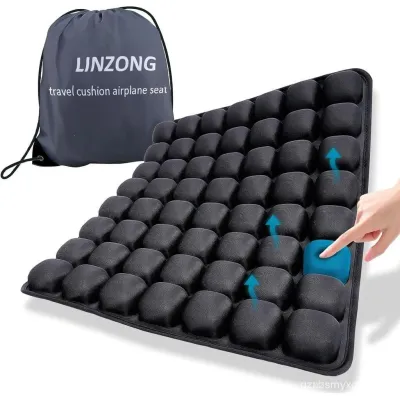
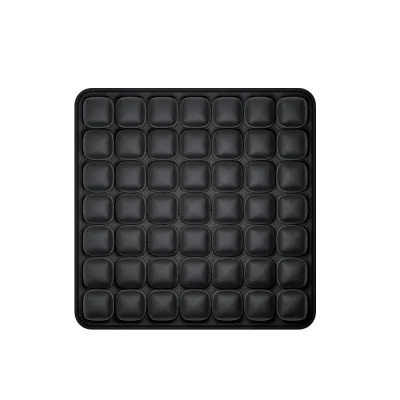
![[SG Seller] Inflatable Air Pillow Cushion](https://img.lazcdn.com/g/p/667394dac39af74207badc4054ef9b21.jpg_400x400q80.jpg_.webp)
Prices are valid at publication and may change. Please refer to the product page for the latest price.
TPU is a class of polyurethane plastics that possesses properties of both rubber and plastic. It is naturally elastic, highly resistant to oil and grease, and does not require plasticizers to remain flexible. This molecular structure gives TPU superior tensile strength and abrasion resistance, allowing it to remain highly flexible across a wide range of temperatures.
Rubber used in inflatable cushions is typically synthetic or a heavy-duty polymer blend designed to withstand high friction and heavy loads. Unlike thin plastic films, rubber is thick, dense, and naturally slip-resistant. This makes it exceptionally durable in high-wear environments, though it is significantly heavier and less pliable than PVC or TPU.
It is important to remember that a material name alone does not guarantee a high-quality user experience. When shopping for an air seat cushion, always review the manufacturer’s detailed specifications. Look for information on the material’s denier rating, the number of layers, and whether it features integrated fabric coatings like velvet, flocking, or nylon. These surface treatments are critical because they prevent direct skin contact with the base synthetic material, which significantly alters comfort and temperature regulation.
Core Comparison: Comfort, Durability, and Daily Use
Comfort, Skin Feel, and Noise
The tactile sensation of an air seat cushion is particularly noticeable in warm, humid climates like Singapore’s tropical environment. Bare PVC has a smooth, non-porous surface that can quickly feel sticky, hot, and uncomfortable when it comes into direct contact with skin or light clothing. Furthermore, PVC is prone to producing a distinct “crinkling” or squeaking noise whenever you shift your weight, which can be distracting in quiet office spaces or study rooms.

TPU offers a noticeably softer, more pliable texture that conforms better to the body’s contours. It has a lower coefficient of friction than bare PVC, meaning it is far less likely to stick to your skin in humid weather. Because TPU remains highly elastic, it stretches slightly to absorb pressure rather than resisting it, resulting in a quieter sitting experience with minimal squeaking or rustling noises.
Rubber cushions provide a matte, high-friction texture that prevents the cushion from sliding around on smooth chairs. However, raw rubber can have a strong, distinct chemical odor when first unpacked, which may take several days or weeks to dissipate. The high-friction surface can also drag against clothing, which some users find less comfortable for active movement.
To mitigate these bare-material drawbacks, many manufacturers design cushions with flocking, velvet-like finishes, or include removable fabric covers. If you plan to use the cushion for extended periods, check whether the product includes a breathable, machine-washable cover. This layer not only improves air circulation but also protects the underlying material from sweat and body oils.
Puncture Resistance, Wear, and Lifespan
An air seat cushion must withstand repetitive compression and shifting loads without developing slow leaks or seam failures. While thick PVC can be highly resistant to direct punctures from keys or pens, its seams are often the weakest point. Under continuous, heavy stress, the rigid nature of PVC puts high tension on the welded seams, which can lead to microscopic splits over time.
TPU excels in durability due to its high elasticity and tensile strength. When you sit on a TPU cushion, the material stretches to distribute the pressure evenly across the entire surface and the welded seams. This ability to deform and recover without permanent stretching makes TPU highly resistant to seam fatigue, slow leaks, and sudden tears. Most premium TPU cushions utilize high-frequency welding to fuse the seams, creating a bond that is often stronger than the material itself.
Rubber is the most robust option when it comes to raw abrasion and tear resistance. It can withstand rough handling and abrasive surfaces that would easily puncture PVC or TPU. However, rubber is susceptible to degradation from environmental factors. Exposure to body oils, certain cleaning solvents, UV light, and ozone can cause synthetic rubber to dry out, crack, or become sticky over time.
When comparing lifespans, look for reinforced seam designs and double-welded edges. Always verify the manufacturer’s specified weight limits before purchasing, as overloading any air cushion will dramatically increase the risk of immediate seam failure, regardless of the material used.
Weight, Packability, and Climate Sensitivity
If you need to transport your cushion between your home, office, and car, weight and packability are crucial factors. PVC and TPU are lightweight materials that can be deflated and folded into incredibly compact shapes. A deflated TPU cushion can easily slide into a laptop bag or backpack, making it an excellent choice for daily commuters and frequent travelers.
In contrast, rubber cushions are heavy and bulky. Even when fully deflated, the thick rubber walls do not fold easily and retain significant volume. This makes rubber cushions highly impractical for portable use, meaning they are best reserved for permanent placement on a single chair.
Climate sensitivity is another critical consideration for material performance. PVC is highly sensitive to temperature changes; it can become stiff and brittle in air-conditioned environments, increasing the risk of cracking along fold lines. Conversely, in high heat, PVC can become overly soft and lose its structural support. TPU maintains its flexibility and structural integrity across a wide temperature spectrum, ensuring consistent support whether you are in a heavily air-conditioned office or outdoors. Rubber also performs well across temperature changes but can become sticky if exposed to direct, intense sunlight for extended periods. Always consult the manufacturer’s recommended storage and operating temperature guidelines to prevent premature material degradation.
Decision Framework: Matching Material to Your Seating Scenario
Choosing the right air seat cushion requires matching the material’s properties to your specific lifestyle, budget, and physical needs.
- Choose PVC if: You are looking for a highly budget-friendly option (typically within lower price bands, such as under S$20 to S$30) for occasional or short-term use. This includes temporary seating for guests, occasional travel, or short desk sessions. To maximize comfort and minimize noise, ensure you use a PVC cushion that features a flocked surface or comes with a separate fabric cover.
- Choose TPU if: You require a reliable, long-lasting cushion for daily office work, long commutes, or frequent travel. TPU is the ideal choice if you want to invest in a quiet, highly elastic cushion that maintains its shape, resists seam splits, and remains comfortable in both air-conditioned offices and humid outdoor environments. Look for models with high-frequency welded seams and a removable, breathable mesh cover.
- Choose Rubber if: You need a heavy-duty, highly stable, and non-slip seating solution for a stationary setup, such as a heavy armchair or a specific non-portable workspace. Rubber is excellent when maximum surface grip is required to keep the cushion securely in place, and where weight and packability are not priorities.
- Verify first if: You are purchasing an air seat cushion to manage specific medical conditions, such as pressure ulcers, severe sciatica, or post-operative recovery. While standard consumer PVC, TPU, and rubber cushions offer excellent general comfort, they are not substitutes for specialized medical equipment. In these scenarios, always consult a qualified healthcare professional or occupational therapist first. They can recommend specialized medical-grade cushions that feature specific pressure-redistribution cell designs and clinical certifications.
Maintenance and Leak Prevention for Longevity
To maximize the lifespan of your air seat cushion, proper maintenance and care are essential. One of the most common causes of premature cushion failure is improper inflation. Over-inflating an air cushion creates excessive tension on the seams and material, making it highly susceptible to popping or splitting under sudden impacts. Conversely, under-inflating the cushion causes your body to “bottom out,” meaning you sit directly on the hard chair surface, which subjects the deflated cushion material to excessive friction and wear. Aim for a moderate inflation level where your body floats comfortably above the chair without stretching the cushion material to its absolute limit.
When cleaning your cushion, always refer to the manufacturer’s care label first. For general cleaning, use a soft, damp cloth and a mild soap solution. Avoid using harsh chemical cleaners, bleach, or alcohol-based solvents, as these substances can rapidly degrade the plasticizers in PVC, dry out synthetic rubber, or weaken the protective coatings on TPU. If instructions conflict, the item is unidentified, or the use is not covered, stop and consult the manufacturer.
If your cushion begins to lose air faster than usual, you can perform a simple diagnostic check. Inflate the cushion fully and submerge it in a basin of water, or spray the surface with a mild mixture of soapy water. Look closely for a stream of tiny bubbles, which will pinpoint the exact location of any slow leaks or seam failures.
When storing your cushion for extended periods, deflate it partially to relieve tension on the seams. Store it flat or loosely rolled in a cool, dry place away from direct sunlight, sharp objects, and heat sources. Avoid folding the cushion tightly along the same crease lines repeatedly, as this can create permanent weak points in both PVC and TPU materials.
Frequently Asked Questions (FAQ)
Can I repair a punctured TPU or PVC air cushion myself?
Yes, small punctures on flat surfaces of TPU or PVC air cushions can often be repaired using a compatible patch kit. Before applying a patch, ensure the cushion is fully deflated and the area around the puncture is clean and dry. Use an adhesive and patch material specifically formulated for your cushion’s material, such as a TPU patch for a TPU cushion, and follow the manufacturer’s instructions regarding curing times. Note that punctures located directly on welded seams, around the inflation valve, or large tears are extremely difficult to seal reliably and typically require replacing the cushion.
Do air seat cushions lose air over time even without a puncture?
Yes, it is entirely normal for air seat cushions to experience gradual air loss over time. At a microscopic level, all synthetic materials like PVC, TPU, and rubber are slightly porous, allowing tiny amounts of air molecules to slowly permeate through the walls over weeks of continuous pressure. Additionally, changes in ambient temperature cause the air inside the cushion to expand or contract; for example, moving a cushion into a cold, air-conditioned room will cause the air to contract, making the cushion feel softer. To maintain your desired level of support, simply top up the air periodically according to the manufacturer’s instructions.
Community discussion
Share your experience or ask a question. Comments are reviewed before publication.