
Selecting the right shadow box in Singapore requires balancing the sentimental or financial value of your memorabilia against the challenging local climate. For everyday keepsakes, mass-market retail brands offer functional, budget-friendly options. For valuable, delicate, or heavy items, specialty custom framing studios and archival-grade suppliers in Singapore provide the necessary structural strength, UV protection, and acid-free environments required to withstand high humidity and prevent long-term degradation.
By evaluating the material durability, glazing properties, and mounting security of a display frame, you can ensure your treasured items remain perfectly preserved for years to come.
What Defines a High-Quality Shadow Box for Memorabilia?
Evaluating a shadow box goes beyond its outer appearance. True preservation and display quality depend on several structural and material factors that protect your items from physical damage, chemical decay, and environmental hazards.
Products mentioned in this guide
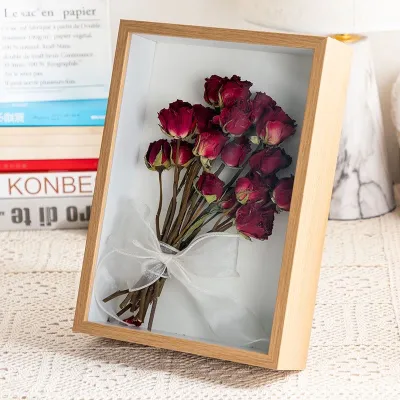
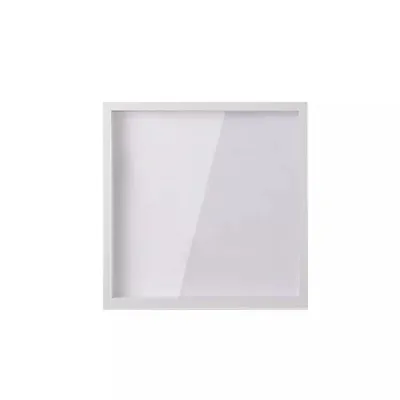
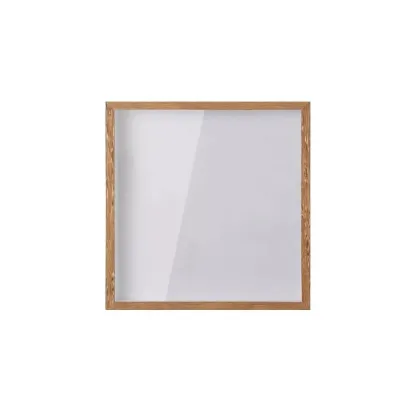
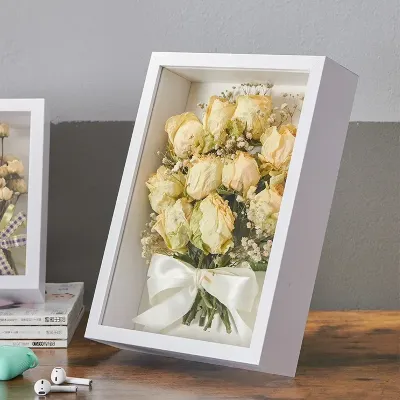
Prices are valid at publication and may change. Please refer to the product page for the latest price.
Material Durability and Frame Strength
The frame material determines both the lifespan of the shadow box and its capacity to support heavy 3D objects. Solid hardwoods, such as oak, ash, or teak, offer excellent structural integrity and natural resistance to bowing under tension. These are ideal for heavy items like sports equipment, thick books, or metal collectibles.
Medium-Density Fibreboard (MDF) is a common, budget-friendly alternative. While high-grade MDF is stable in dry environments, lower-quality MDF can warp when exposed to persistent moisture and may release volatile organic compounds (outgassing) that accelerate the deterioration of sensitive papers or textiles.
Metal frames, particularly anodized aluminum, provide a highly stable, modern alternative that is entirely impervious to moisture, making them exceptionally durable in tropical regions.
Glazing Options and UV Protection
The transparent front of your shadow box, known as the glazing, plays a critical role in preservation and visibility. Standard float glass is highly scratch-resistant and easy to clean, but it is heavy, fragile, and offers minimal protection against ultraviolet (UV) light.
Standard acrylic (often referred to as plexiglass) is lightweight and shatterproof, making it safer for large displays or high-traffic areas, but it scratches easily and attracts dust due to static charge.
For valuable memorabilia, UV-filtering glazing is essential. Ultraviolet radiation from both natural sunlight and indoor fluorescent lighting causes irreversible photochemical degradation. This leads to the fading of signatures, yellowing of paper, and embrittlement of fabrics. Museum-grade glazing blocks up to 99% of UV rays, preserving the vibrant colors and structural integrity of your items.
Depth and Internal Volume
A shadow box is distinguished from a standard photo frame by its depth. The rebate depth—the usable space between the glazing and the backing board—must be deep enough to accommodate your 3D objects without forcing them against the glass.
When an item directly touches the glazing, it is subjected to localized temperature fluctuations and moisture transfer. Over time, this can cause photos or documents to stick to the glass, resulting in permanent damage if you attempt to separate them.
Backing and Sealing in Humid Climates
Singapore’s tropical climate, where indoor relative humidity levels frequently exceed 80%, presents a constant threat to preserved items. Standard cardboard backings contain lignin, an organic polymer that breaks down over time and produces acids. These acids migrate into your memorabilia, causing yellowing and structural weakening.
High-quality shadow boxes utilize acid-free, conservation-grade backing boards, such as alpha-cellulose or cotton rag mats. Additionally, the backing must be securely sealed to prevent the ingress of dust, insects, and ambient moisture. A tight, secure seal acts as a barrier against the micro-environmental shifts that encourage mold growth.
Where to Find Reliable Shadow Box Brands in Singapore
Finding the right shadow box depends on your budget, the physical dimensions of your memorabilia, and the level of preservation required. Singapore offers options ranging from mass-market retail chains to highly specialized custom framing studios.

Mass-Market Home and Lifestyle Brands
For casual displays, temporary exhibits, or robust keepsakes, mass-market brands provide highly accessible and economical solutions. These pre-fabricated frames are readily available in shopping malls and online marketplaces across Singapore.
- Typical Characteristics: These shadow boxes are mass-produced in standard, pre-set dimensions (such as 25×25 cm or 50×50 cm). They are highly budget-friendly, typically ranging from S$10 to S$40, and feature simple, clean aesthetics.
- Best For: Sturdy, non-fading items that do not require strict archival environments. Examples include travel souvenirs, seashells, medals, coins, and plastic figurines.
- What to Check: Carefully verify the actual internal rebate depth before purchasing, as many mass-market options are shallow (less than 2 cm deep). Inspect the glazing material; many budget options use thin polystyrene sheet glazing, which scratches easily during cleaning and offers no UV protection.
Specialty Custom Framing Studios
When displaying valuable, irregularly shaped, or highly sentimental items, off-the-shelf frames rarely suffice. Specialty custom framing studios offer tailored engineering to support and protect unique memorabilia.
- Typical Characteristics: Custom studios provide bespoke dimensions, professional mounting techniques, and a vast library of wood mouldings, matboards, and finishes. Experienced framers handle the mounting process manually, ensuring the item is supported safely without damage.
- Best For: Sports jerseys, vintage tickets, delicate textiles, heavy 3D collectibles, and multi-item collage displays.
- What to Check: When consulting a custom framer in Singapore—such as those located in historical framing hubs like Bras Basah Complex, or established studios in River Valley and Holland Village—always ask about their mounting methods. Confirm that they use fully reversible, non-destructive techniques and acid-free matboards. Ask for a clear explanation of their glazing options and request a detailed timeline, as custom builds typically require one to three weeks to complete.
Premium and Archival-Grade Suppliers
For serious collectors, galleries, and individuals looking to preserve high-value historical or financial assets, premium archival-grade framing is the standard.
- Typical Characteristics: These setups utilize museum-grade materials, including Tru Vue Optium Museum Acrylic, which provides 99% UV protection, anti-reflective coatings for near-invisible glazing, and anti-static properties. The frame interiors are completely sealed to create a stable microclimate.
- Best For: Historical documents, rare autographed items, highly sensitive vintage fabrics, and high-value investment collectibles.
- What to Check: Ensure the supplier provides documented specifications or manufacturer certifications for their UV-blocking glazing and acid-free materials. Because archival-grade custom framing represents a significant financial investment, clarify the warranty terms and verify the studio's experience in handling museum-level conservation.
How to Match the Shadow Box to Your Memorabilia
Different types of memorabilia present unique physical and chemical requirements. Matching the structural design of your shadow box to the specific characteristics of your item is essential for safe, long-term display.
Flat Items (Photos, Certificates, Tickets)
Flat paper items are highly susceptible to moisture-related warping and chemical degradation.
- Depth Recommendation: A shallow shadow box with an internal depth of 1 to 2 cm is ideal.
- Mounting and Spacing: Always use an acid-free matboard (window mat) to separate the paper from the glazing. This creates a protective air gap that prevents condensation from transferring directly onto the document. Secure the item to the backing board using acid-free, reversible mounting corners or Japanese paper hinges rather than gluing the item down.
Bulky Items (Sports Balls, Shoes, Cameras)
Heavy, three-dimensional objects require robust structural support and secure physical anchoring to prevent them from shifting or falling inside the frame.
- Depth Recommendation: Select a deep box with an internal depth of 5 cm or more, ensuring at least 1 cm of clearance between the object and the glazing.
- Mounting and Support: Use a reinforced backing board, such as a thick foam board or a wooden support panel, to handle the weight. Secure the object using non-destructive, mechanical methods. Stainless steel pins, clear acrylic brackets, or silicone-coated wire can hold heavy items firmly in place without causing physical indentation or chemical damage.
- Installation Safety: For heavy shadow boxes, verify the wall mounting hardware. Standard adhesive hanging strips are highly prone to failure on painted walls under humid conditions. Always use heavy-duty wall anchors (such as concrete plugs for HDB concrete walls) and secure brackets. For exceptionally heavy or suspended overhead displays, consult a qualified professional installer.
Fabric Items (Jerseys, Flags, Uniforms)
Textiles are highly sensitive to gravity, tension, and chemical adhesives. Hanging a fabric item incorrectly can cause stretching, tearing, and permanent fiber distortion.
- Mounting and Support: Never use spray adhesives, hot glue, or standard double-sided tape to secure fabrics. These adhesives contain synthetic polymers that yellow, degrade, and seep into the fibers over time. Instead, hand-stitch the garment to an acid-free, fabric-covered backing board using neutral-colored cotton thread, or use stainless steel applique pins inserted at a slight angle to distribute the weight evenly.
Climate and Placement Considerations
Where you hang your shadow box in your home is just as important as how it is constructed. Avoid hanging displays on external walls that receive direct afternoon sun, as this creates localized heat traps inside the frame. Keep displays away from high-humidity zones, such as bathrooms, kitchens, or areas directly beneath air conditioning vents where rapid temperature changes can trigger condensation.
What to Check Before Buying and How to Maintain Your Display
To ensure a successful display project, follow a structured verification process before purchasing, and establish a simple maintenance routine.
Pre-Purchase Checklist
Before finalizing your order or purchasing a pre-made frame, complete these essential checks:
- Measure Accurately: Measure the length, width, and maximum depth of your item. Add a margin of at least 2 to 3 cm on all sides to allow for visual balance, matting, and mounting clearance.
- Confirm Internal Dimensions: Retailers often list the external dimensions of the frame. Always confirm the internal rebate depth and usable backing area to ensure your item will fit comfortably.
- Check Hardware Compatibility: Verify that the frame includes heavy-duty D-rings or hanging wire rated for the total weight of the frame and the memorabilia.
- Review Return Policies: For custom-made shadow boxes, clarify the return or modification policy before payment, as bespoke items are typically non-refundable.
Cleaning the Glazing Safely
Improper cleaning can permanently scratch or haze the glazing, obscuring your view of the memorabilia.
- For Glass Glazing: Use a clean, lint-free microfiber cloth. Spray a small amount of ammonia-free glass cleaner directly onto the cloth—never directly onto the glass, as liquid can run down the edges and seep into the frame interior.
- For Acrylic Glazing: Acrylic is highly sensitive to scratching and chemical damage. Never use paper towels, kitchen sponges, or ammonia-based cleaners (such as standard blue window sprays), which cause micro-scratches and permanent clouding. Instead, use a specialized acrylic cleaner or a microfiber cloth lightly dampened with water and a single drop of mild dish soap.
Monitoring the Display
Perform a quick visual inspection of your shadow box every six months. Check for:
- Condensation: Tiny water droplets on the inside of the glazing indicate high internal humidity.
- Mold or Mildew: Look for white, fuzzy spots on the backing board or the memorabilia.
- Fading or Discoloration: Check if signatures or paper colors are beginning to lighten, which indicates excessive UV exposure.
If you detect mold or moisture, immediately remove the shadow box from the wall, carefully take out the memorabilia, and place it in a dry, air-conditioned room. Consult a professional framer or conservator to address the root cause before re-assembling the display.
Frequently Asked Questions (FAQ)
How do I prevent mold inside a shadow box in a humid climate?
To prevent mold growth in Singapore’s humid environment, avoid placing shadow boxes in poorly ventilated rooms, kitchens, or bathrooms. Ensure the display room has consistent airflow or regular air conditioning. For deep shadow boxes, you can ask a professional framer to place small, conservation-safe silica gel packets behind the matboard or backing panel to absorb residual moisture. These packets should be checked and replaced or recharged periodically to maintain their effectiveness.
Can I use double-sided tape to mount my memorabilia?
You should avoid using standard double-sided tape, hot glue, or sticky tack for sentimental or high-value memorabilia. These commercial adhesives contain acidic compounds and synthetic chemicals that break down over time, leaving permanent oily residues, yellow stains, and chemical burns on paper, fabric, and photographs. Always opt for reversible, archival-safe mounting methods, such as acid-free photo corners, mounting strips, or mechanical pinning with stainless steel pins.
Community discussion
Share your experience or ask a question. Comments are reviewed before publication.