
Rare coins offer a unique and sophisticated way to bring history, artistry, and multicultural heritage into modern living spaces. In a cosmopolitan city like Singapore, where diverse cultural narratives intertwine, decorating with historical coinage allows homeowners to celebrate the region’s rich tapestry of global trade and local traditions. These miniature pieces of metalwork serve as tangible links to the past, carrying stories of ancient empires, colonial maritime routes, and regional sultanates directly into the contemporary home.
Selecting the right coins for your interior decor involves balancing historical curiosity with aesthetic harmony. Whether you are drawn to the geometric elegance of ancient Chinese cash coins, the intricate calligraphy of Islamic sultanate currency, or the bold designs of colonial trade dollars, each piece brings a distinct texture and narrative to a room. By understanding the cultural significance of these artifacts and learning how to display them safely, you can transform a simple living space into a curated gallery of global history.
Integrating these historical treasures into your home requires a thoughtful approach to both preservation and design. Singapore’s unique tropical climate presents specific challenges for metal conservation, making proper display techniques essential. This guide explores how to select authentic rare coins, protect them from environmental wear, and style them to complement various interior design aesthetics.
Products mentioned in this guide
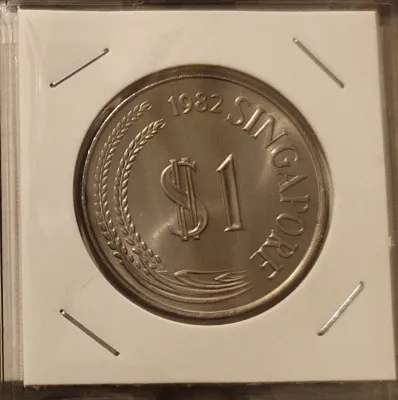
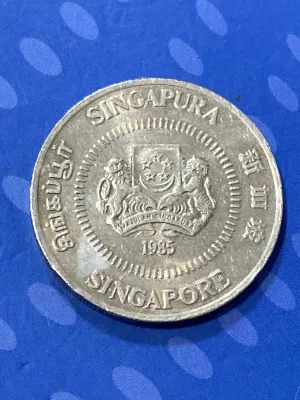
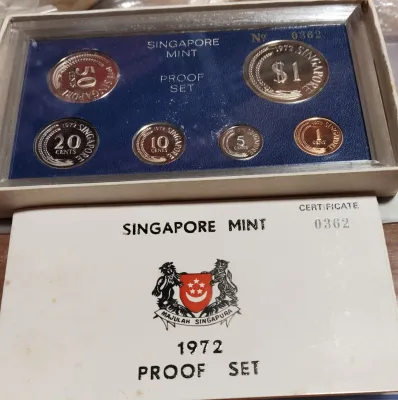
Prices are valid at publication and may change. Please refer to the product page for the latest price.
Understanding Cultural Significance in Coin Decor
For centuries, Singapore has stood at the crossroads of global maritime trade, serving as a melting pot where Eastern and Western cultures meet. The coins that once circulated through this region reflect this dynamic history, making them highly relevant decorative elements for local homes. By displaying these artifacts, you honor the diverse cultural threads—Malay, Chinese, Indian, and European—that have shaped the region’s identity over the generations.
Ancient trade routes are beautifully represented by coins that traveled across oceans to reach Southeast Asian ports. Chinese cash coins, characterized by their round shape and square central holes, represent a philosophy where the round outer edge symbolizes heaven and the square center represents earth. These coins were not only used for daily commerce but were also strung together as symbols of wealth and protection, making them highly versatile pieces for traditional or feng shui-inspired decor.
Regional Islamic sultanates, such as those of Malacca, Johor, and Kedah, minted unique currencies that offer a deep connection to Southeast Asian history. These coins often featured elegant Arabic calligraphy, displaying the titles of local rulers, or were cast in unique shapes like tin animal money. Incorporating these pieces into your home decor highlights a rich regional heritage that predates colonial influence, adding a layer of historical depth that standard mass-produced decor cannot replicate.
Colonial-era coinage, including British Straits Settlements coins, Spanish silver dollars, and Dutch East India Company copper duits, tells the story of global empires vying for control of regional trade. These coins often feature striking portraits, intricate coats of arms, and multilingual inscriptions that reflect the diverse populations of early trading settlements. Understanding these narratives allows you to choose pieces that resonate personally with your family heritage or your appreciation for maritime history.
When selecting coins for decor, it is important to distinguish between circulating currency, commemorative issues, and ceremonial tokens. Circulating coins carry the physical wear of daily transactions, offering an organic, lived-in feel that suits rustic or eclectic interiors. Commemorative issues and ceremonial tokens, on the other hand, are often minted with higher relief and more detailed artistry, making them ideal for modern, minimalist displays where visual precision is key.
Key Criteria for Selecting Decorative Rare Coins
Choosing rare coins for home decor requires a different set of priorities than collecting purely for numismatic investment. While an investor might seek flawless, uncirculated specimens, a decorator should focus on visual impact, historical character, and how well the piece complements the surrounding interior design.

The visual appeal of a coin is heavily influenced by its patina, engraving detail, and material composition. Patina—the natural oxidation layer that forms on metal over decades or centuries—gives antique coins their distinctive color and depth. Bronze and copper coins often develop rich green or deep brown patinas, while silver coins can acquire beautiful iridescent or dark grey toning. These natural color variations add organic texture to a display, contrasting beautifully with modern glass, wood, or metal frames.
The level of engraving detail determines how well the coin’s design catches the light. High-relief coins, where the design stands out prominently from the flat surface, are particularly effective for display because they cast subtle shadows under directional lighting. Look for coins with clear, legible inscriptions, distinct portraits, or bold geometric patterns that can be easily appreciated from a viewing distance.
Consider the physical dimensions of the coin to ensure it fits your intended display area safely and proportionally. Very small coins, such as ancient silver fractions or tiny gold fanams, can easily get lost in a large room if displayed individually. These smaller pieces are best grouped together in a themed frame or placed in a specialized display case that allows for close inspection. Larger coins, such as silver trade dollars or heavy bronze medallions, have the physical presence to stand alone as individual focal points on a desk, shelf, or wall.
Cultural sensitivity is another crucial factor when integrating historical artifacts into your living space. Some coins feature religious symbols, sacred inscriptions, or portraits of historical figures that carry deep spiritual or cultural meaning. It is essential to research the background of each coin to ensure it is displayed in a respectful manner and location, avoiding placements that might be considered inappropriate or insensitive by family members or guests.
Sourcing and Verifying Authentic Artifacts
As the popularity of historical decor grows, so does the market for counterfeit coins and misleading reproductions. To ensure your decorative pieces are genuine artifacts with real historical value, it is vital to source them through reputable and verified channels.
Established antique dealers, recognized numismatic societies, and specialized auction houses are the safest places to acquire authentic rare coins. In Singapore, dealing with members of respected numismatic organizations provides an extra layer of security, as these professionals adhere to strict codes of ethics regarding authenticity and grading. These sources can often provide valuable background information about a coin’s origin, helping you build a richer narrative around your decor.
When purchasing high-value coins, look for documentation such as certificates of authenticity or provenance records that trace the coin’s ownership history. Many rare coins are sold in sealed, tamper-evident plastic holders provided by independent, third-party grading services. These slabbed coins have been evaluated by professional numismatists who verify their authenticity and grade their condition, giving you peace of mind before making a purchase.
Be cautious when browsing online marketplaces and unverified ecommerce platforms, where counterfeit coins are highly prevalent. Common red flags include prices that seem too good to be true, sellers with vague return policies, and coins that exhibit signs of modern casting, such as tiny bubbles on the surface, soft or mushy details, or visible seams along the outer edge. Authentic ancient and medieval coins were struck by hand, resulting in unique irregularities that cast reproductions cannot easily replicate.
If you are ever in doubt about the authenticity of a coin, it is best to halt the transaction immediately. Consulting a professional numismatist or a certified appraiser can save you from spending significant amounts on clever replicas. Investing in authentic pieces not only ensures your decor has genuine historical value but also preserves the integrity of the cultural heritage you are displaying.
Display and Preservation in a Tropical Climate
Singapore’s tropical climate, characterized by high relative humidity and consistent warmth, poses unique challenges for preserving rare coins. Moisture in the air can accelerate chemical reactions on metal surfaces, leading to unsightly tarnish, corrosion, or permanent damage if the coins are not protected properly.
Selecting the right display case is the first line of defense against environmental degradation. Look for shadow boxes, frames, or tabletop cases that feature airtight seals or climate-buffering materials. Ensure that any mounting fabrics, adhesives, or paper mats used inside the display are acid-free and archival-grade, as off-gassing from cheap materials can cause rapid corrosion. Avoid display holders made of polyvinyl chloride (PVC), which degrades over time and releases acidic plasticizers that leave a damaging green residue on metal.
Position your coin displays away from direct sunlight, air conditioning vents, and areas of high humidity such as kitchens or bathrooms. Direct sunlight can heat the display case, creating a greenhouse effect that accelerates chemical reactions, while air conditioning vents cause rapid temperature fluctuations that can lead to condensation inside the frame. Placing small, hidden packets of silica gel inside a sealed display case can help absorb excess moisture and maintain a stable, dry microclimate for your artifacts.
Safe handling practices are essential whenever you need to mount, adjust, or clean your display. Always handle rare coins by their outer edges rather than touching the flat faces, where fingerprints can leave permanent marks. Wear clean, lint-free cotton gloves or powder-free nitrile gloves to prevent the transfer of natural skin oils, salts, and moisture to the metal.
If a coin appears dirty or tarnished, resist the urge to use household metal polishes, chemical cleaners, or abrasive scrubs. These harsh treatments can strip away the natural patina, scratch the delicate metal surface, and severely diminish both the historical value and aesthetic appeal of the coin. If a piece shows signs of active corrosion, such as powdery green spots on copper alloys, seek the assistance of a professional conservator who specializes in metal artifacts.
Integrating Coin Displays into Interior Design
Successfully incorporating rare coins into your home decor requires balancing historical preservation with modern interior styling. Rather than letting these pieces look like cluttered museum exhibits, you can integrate them seamlessly into various design themes to enhance the overall character of your rooms.
In modern and minimalist interiors, a clean, high-contrast presentation works best. Consider framing a single, visually striking coin—such as a large silver trade dollar—in a deep shadow box with a wide, neutral-toned mat board. Using a dark charcoal or crisp white background allows the metallic details of the coin to stand out as a sophisticated, gallery-style focal point on a prominent wall.
For traditional, rustic, or eclectic spaces, you can pair coins with complementary cultural artifacts to create a richer visual narrative. Display a collection of ancient Chinese cash coins alongside antique porcelain vases, or place regional sultanate coins on small, custom-carved wooden stands next to hand-woven textiles. This approach creates a sense of place and history, connecting the coins to the broader cultural traditions they represent.
Tabletop vignettes offer an interactive way to showcase your collection on console tables, desks, or bookshelves. You can arrange a small, elegant coin display stand next to a stack of art books, a ceramic vessel, and a small potted plant. This layered styling makes the coins feel integrated into the daily life of the home, inviting guests to lean in and examine the intricate details of the artifacts.
Lighting plays a crucial role in highlighting the metallic textures and three-dimensional details of your coin displays. Use low-heat LED spotlights or adjustable picture lights to illuminate the display from an angle, which casts subtle shadows that emphasize the coin’s engraving. Avoid high-heat halogen bulbs, which can raise the temperature inside the display case and damage the delicate metals over time.
Frequently Asked Questions (FAQ)
Can I clean tarnished rare coins before displaying them?
No, you should avoid cleaning tarnished rare coins, as doing so can cause irreversible damage to their historical and aesthetic value. The tarnish, or patina, is a natural layer of oxidation that forms over decades or centuries, acting as a protective barrier and a testament to the coin’s authenticity. Removing this layer often reveals a harsh, unnaturally bright surface and can leave microscopic scratches that ruin the coin’s fine details. For routine maintenance, simply use a soft, dry, natural-bristle brush to gently whisk away loose dust from the coin’s surface. If a highly valuable or fragile coin requires deep cleaning due to active corrosion, always consult a professional conservator rather than attempting DIY chemical treatments.
Are replica or reproduction coins acceptable for decorative purposes?
Yes, replica or reproduction coins can be an excellent and practical choice for home decor, depending on your design goals and display environment. High-quality replicas allow you to enjoy the visual beauty of incredibly rare or historically significant designs without the high cost or security risks associated with genuine artifacts. They are particularly suitable for high-traffic areas, children’s playrooms, or open tabletop displays where the coins might be handled or exposed to Singapore’s humid air. However, if you choose to display replicas, it is important to label or disclose them clearly to avoid misrepresenting them as authentic pieces to guests or future buyers. Authentic coins remain the preferred choice for those who value the unique character, tangible history, and long-term collectibility of genuine historical artifacts.
Community discussion
Share your experience or ask a question. Comments are reviewed before publication.