
Quick Answer: Which Reed Stick Material Should You Choose?
When selecting reed sticks for your home diffuser, there is no single material that outperforms the other in every scenario. Instead, the ideal choice depends on how quickly you want the fragrance to fill your space and your personal aesthetic preferences.
Synthetic fiber sticks are engineered to draw and release fragrance rapidly, making them excellent for a strong, immediate scent throw and modern, colorful decor. Natural rattan sticks rely on organic capillary channels to pull oil upward slowly, offering a subtle, sustained release that suits classic, rustic interiors.
Before purchasing replacement sticks, always check your diffuser manufacturer’s specific recommendations, as some oil formulations are balanced for one material over the other.
Products mentioned in this guide
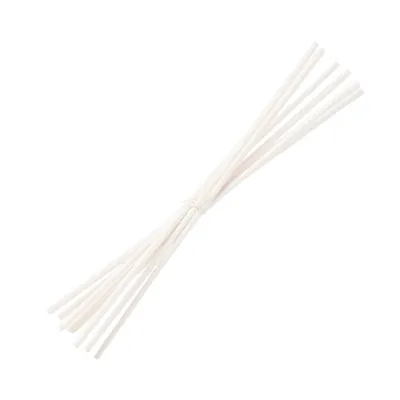
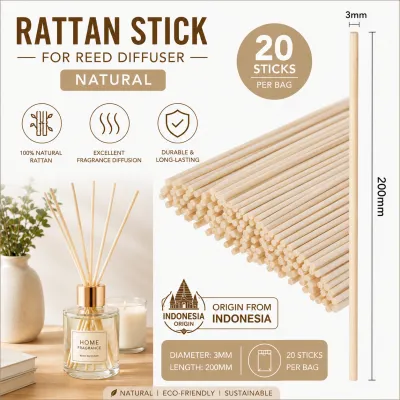
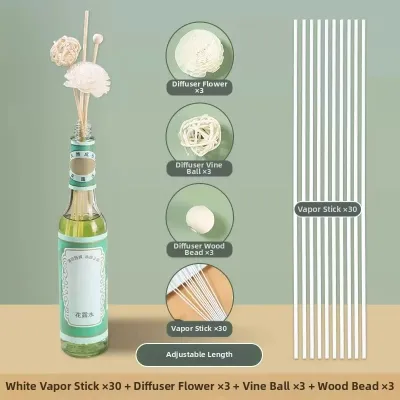
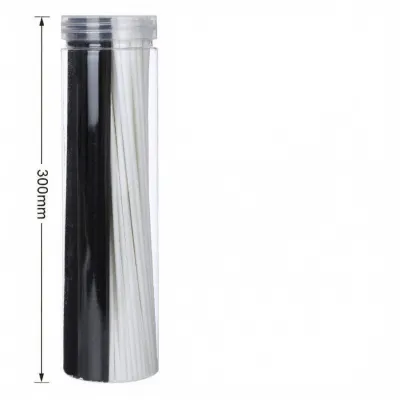
Prices are valid at publication and may change. Please refer to the product page for the latest price.
Understanding How Rattan and Fiber Reed Sticks Diffuse Fragrance
To understand how these materials perform, it helps to look at their microscopic structures. Rattan is a natural, vine-like palm native to tropical regions. When harvested and dried, its stem reveals dozens of tiny, hollow vertical channels known as vascular bundles. These natural capillaries draw the liquid fragrance upward from the vessel base to the top of the stick, where the oil evaporates into the surrounding air. Because these channels are organic, they can vary slightly in diameter and density, leading to a highly natural, albeit sometimes uneven, rate of absorption.

In contrast, fiber reed sticks are manufactured from synthetic polymers, typically polyester or nylon blends. These fibers are aligned parallel to one another and bonded together to create thousands of uniform, microscopic pores. This engineered design ensures that every single stick possesses identical wicking properties. The consistent pore size allows the fragrance oil to travel upward at a predictable, continuous rate without the natural blockages or structural variations found in organic wood.
The physical interaction between the stick material and the diffuser liquid is heavily influenced by capillary action. Diffuser liquids consist of fragrance oils blended with a carrier solvent, which may be alcohol-based or glycol-based. Highly viscous, oil-heavy mixtures require stronger capillary pull to climb the stick, whereas lighter, alcohol-based formulations evaporate and travel much faster. Synthetic fibers generally exhibit a stronger capillary draw, making them highly compatible with a wider range of oil viscosities, while rattan’s natural channels perform best with lighter, free-flowing carrier liquids.
Comparing Diffusion Performance, Longevity, and Scent Throw
When evaluating scent throw, fiber sticks deliver a noticeably faster and more intense initial fragrance release. Because the engineered pores absorb the liquid rapidly, the entire length of a fiber stick becomes saturated within hours of placement. This rapid saturation leads to an immediate burst of fragrance, making fiber an excellent choice if you want to quickly scent a room. However, this high absorption rate means the diffuser liquid is consumed much faster, which may shorten the overall lifespan of your fragrance supply.
Rattan sticks take a more measured approach to diffusion. When first placed in a diffuser vessel, rattan can take up to 24 or 48 hours to fully absorb the liquid and begin releasing its scent. The natural wood fibers restrict the flow slightly, resulting in a gentler, more gradual scent throw. While the initial aroma is less intense than that of fiber, rattan excels at maintaining a steady, low-level background fragrance over a longer period, preserving your diffuser oil for weeks or even months.
The formulation of your diffuser liquid plays a critical role in how these materials perform over time. Heavy, natural essential oils or thick, synthetic fragrance blends can easily overwhelm the natural channels of rattan, leading to sluggish wicking or complete stagnation. Fiber sticks, with their open and uniform synthetic structure, are far more forgiving with dense, oil-heavy formulations. Conversely, if you are using a light, highly volatile alcohol-based formulation, rattan can help slow down the evaporation rate, preventing the liquid from disappearing too quickly.
Regardless of which material you choose, the effective lifespan of any reed stick is finite. Over time, the capillary channels in both rattan and fiber will inevitably lose their wicking efficiency as the lighter components of the fragrance evaporate, leaving behind heavier, sticky residues. To ensure optimal performance, always verify the fragrance oil manufacturer’s label for material compatibility and the recommended number of sticks to use for your specific bottle size.
Aesthetics, Maintenance, and Clogging Risks
Beyond functional performance, the visual impact of your reed sticks contributes significantly to your home decor. Rattan sticks offer a classic, organic aesthetic with their natural woody tones, slight curves, and rustic textures. They blend seamlessly into minimalist, Scandinavian, or traditional interior styles. Fiber sticks, on the other hand, provide a sleek, modern look. Because they are synthetic, they can be manufactured in a wide array of vibrant colors, including deep blacks, clean whites, or bold primary tones, allowing you to match them precisely to your vessel or room palette.
Maintenance requirements and clogging risks differ substantially between the two materials. Rattan is highly susceptible to clogging from environmental dust and airborne particles, which settle on the exposed tops of the sticks and block the natural capillary openings. Fiber sticks are less prone to dust clogging due to their dense fiber alignment, but they face a different issue: over-saturation. Over time, the synthetic fibers can become so thoroughly waterlogged or oil-saturated that they lose their tension and ability to release fragrance, causing the scent to fade despite the stick being wet.
Recognizing the observable signs of a failing reed stick is key to maintaining a fragrant home. If the tops of your rattan sticks feel completely dry to the touch, or if your fiber sticks look dull and heavy but no longer emit an aroma, the wicking process has likely stalled. When this occurs, flipping the sticks can provide a temporary boost, but it is often a sign that the material has reached the end of its useful life and requires complete replacement.
When handling, flipping, or replacing your reed sticks, safety and cleanliness should be your top priorities. Diffuser oils contain concentrated fragrance chemicals and solvents that can easily strip paint, damage varnished wood, or stain delicate fabrics if spilled. Always perform stick maintenance over a sink or a protected surface, such as a ceramic tray or a thick paper towel. Wash your hands thoroughly with soap and water immediately after touching the sticks to prevent skin irritation or accidental contact with your eyes.
How to Decide: Choose Rattan or Fiber Based on Your Needs
To make the right decision for your living space, consider a practical framework based on your specific environment and lifestyle goals.
- Choose Fiber if… you need a strong, immediate scent throw in larger spaces, such as open-concept living rooms or high-traffic entryways. It is also the ideal choice if you prefer a contemporary aesthetic and want to coordinate the stick colors with your home accessories.
- Choose Rattan if… you prefer a subtle, gradual fragrance in smaller, enclosed rooms like bathrooms, bedrooms, or study nooks. Rattan is perfect if your decor favors natural materials, warm wood tones, and an organic, unstudied feel.
- Verify First if… you are using a highly viscous, custom-blended oil or a specific commercial diffuser brand that mandates one material. Some premium fragrance brands design their oils to work exclusively with a particular type of reed, and using the wrong material can result in poor diffusion or rapid oil depletion.
If you are transitioning between materials for the first time, consider testing a small batch of each. You can start by placing a few rattan sticks in your vessel and observing the scent level for a few days; if the aroma is too faint, you can gradually introduce fiber sticks to find the perfect balance of intensity and longevity for your unique space.
Maximizing Diffuser Lifespan and Fragrance Throw
To get the most out of your chosen reed sticks, establishing a regular maintenance routine is essential. Flipping the sticks is the most common method to refresh the fragrance throw, as it brings the oil-saturated bottom ends to the top, allowing for immediate evaporation. For rattan sticks, flipping once every one to two weeks is generally sufficient to keep the scent active. Fiber sticks, due to their continuous wicking design, rarely require flipping, but doing so occasionally can help clear any minor surface dust.
When flipping or replacing your reeds, avoid the temptation to wash, boil, or reuse old sticks. Once the capillary channels are saturated with old, oxidized oil and dust, they cannot be effectively cleaned. Attempting to wash them with water or alcohol will only damage the structural integrity of the fibers or wood, rendering them useless. Instead, discard the old sticks responsibly and replace them with a fresh set whenever you refill the vessel or switch to a new fragrance. Replacing your reed sticks is a highly cost-effective way to renew your home fragrance, with fresh packs typically costing under S$10.
Environmental factors in your home play a massive role in how quickly your diffuser oil evaporates, independent of the stick material. In warm, humid climates like Singapore, or in rooms with constant air conditioning and ceiling fans, the rate of evaporation increases significantly. Placing your diffuser in direct sunlight, near open windows, or directly in the path of an air conditioning vent will cause the oil to disappear rapidly without necessarily improving the scent throw. For the best results, position your diffuser in a shaded area with moderate, natural air circulation.
Finally, always prioritize safety by reading and following the specific disposal and handling instructions printed on your diffuser product label. Keep the vessel on a stable, flat surface out of reach of children and pets to prevent accidental tipping. If you notice any signs of surface damage on your furniture from accidental oil contact, wipe the area immediately with a damp cloth and consult the manufacturer’s care guide for your furniture material.
Frequently Asked Questions (FAQ)
Can I mix rattan and fiber reed sticks in the same diffuser?
While you can physically mix rattan and fiber reed sticks in a single vessel, doing so is generally not recommended for optimal performance. Because the two materials wick oil at vastly different rates, mixing them can lead to uneven fragrance diffusion and unpredictable oil consumption. The fiber sticks will draw the liquid rapidly, while the rattan sticks will wick much slower, making it difficult to gauge when to flip or replace them. Additionally, the visual contrast between natural wood and synthetic fibers may look disjointed unless you are deliberately aiming for an eclectic, mixed-media aesthetic. For a consistent scent experience, it is best to stick to one material per vessel.
Why did my reed sticks stop diffusing fragrance?
If your reed sticks have stopped diffusing, the most common culprit is clogging. Over time, airborne dust, pet dander, and household oils settle on the exposed portions of the reeds, blocking the microscopic capillary channels. In other cases, the sticks may have reached their maximum saturation limit, meaning the channels are completely filled with heavy, non-volatile fragrance residues that can no longer evaporate. While flipping the sticks can provide a temporary burst of scent, it will not clear a permanent clog. If the remaining oil in your vessel is thick or discolored, or if the sticks have been in use for more than two to three months, it is time to replace them entirely.
Do I need to use a specific number of reed sticks?
The number of reed sticks you should use depends on the size of your room, the strength of the fragrance oil, and the size of the vessel opening. As a general rule, starting with five to eight sticks is ideal for a standard-sized room. Using more sticks increases the surface area for evaporation, resulting in a stronger, more intense scent throw, but it will also cause the diffuser oil to deplete much faster. Conversely, using fewer sticks will extend the lifespan of your oil but yield a much subtler aroma. Always consult the product label for the manufacturer’s recommended stick count, and adjust the quantity gradually to find your preferred fragrance level.
Community discussion
Share your experience or ask a question. Comments are reviewed before publication.