
Choosing the right diffuser sticks is the most critical factor in determining how effectively a home fragrance fills your living space. While many assume the strength of a reed diffuser depends solely on the quality of the fragrance oil, the physical material of the sticks dictates how that oil is drawn upward and dispersed into the air.
There is no single “best” diffuser stick material for every home; the ideal choice depends on your room size, the viscosity of your fragrance oil, and how much maintenance you are willing to perform.
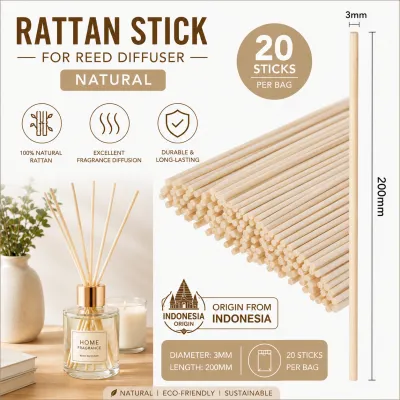
Fiber sticks generally provide the most consistent and predictable scent throw with minimal upkeep, making them highly suitable for modern, busy households. Rattan sticks offer a strong, natural dispersion but require regular manual flipping to prevent the natural channels from clogging.
Products mentioned in this guide
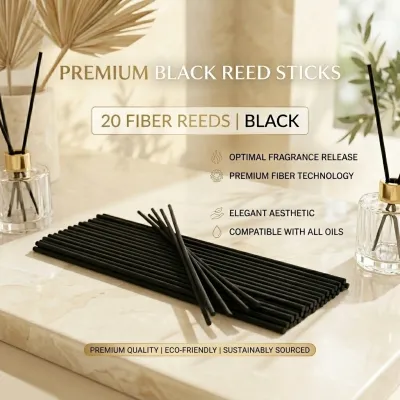
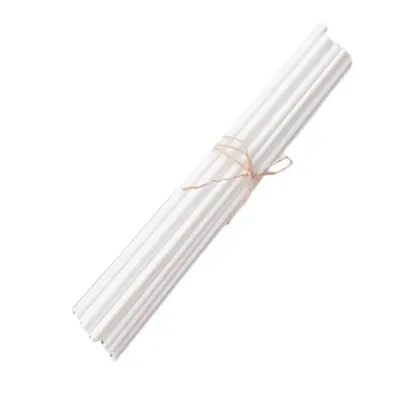
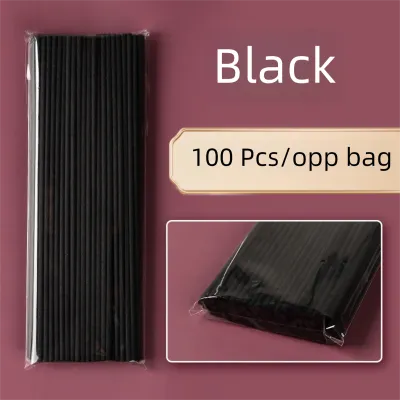
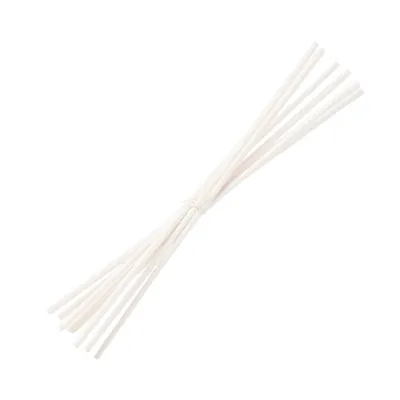
Prices are valid at publication and may change. Please refer to the product page for the latest price.
Wood sticks absorb oil very slowly, resulting in a subtle, localized fragrance that is better suited for small, enclosed areas or primarily for decorative purposes. By understanding the physical properties of each material, you can select the right sticks to achieve your desired fragrance intensity and longevity.
Understanding How Diffuser Stick Materials Work
To optimize the fragrance level in your home, it helps to understand the physics of passive diffusion. Diffuser sticks operate primarily through capillary action, a physical phenomenon where liquid flows through narrow spaces without the assistance of, and even in opposition to, external forces like gravity.
The fragrance oil in the bottle clings to the internal walls of the stick’s microscopic pathways, pulling itself upward until it reaches the exposed portion of the stick. Once the oil reaches the dry, exposed surface of the stick, it evaporates into the surrounding air.
The rate of this evaporation is governed by the porosity of the material—the size, number, and distribution of the open pores. Materials with highly open, continuous pathways allow the oil to travel quickly, resulting in a faster release of scent.
The viscosity of the fragrance oil also plays a crucial role in this process. Thick, heavy oils, such as pure essential oils or those blended with dense carrier oils, struggle to climb narrow or irregular pathways.
Conversely, thin, alcohol-based or synthetic glycol-based diffuser solutions travel rapidly. Matching the density and pore structure of your diffuser sticks to the thickness of your oil is essential for maintaining a steady, pleasant scent throw without premature clogging or rapid depletion.
Rattan (Reed) Diffuser Sticks: Natural and Traditional
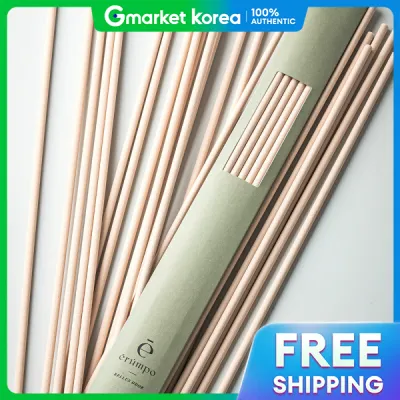
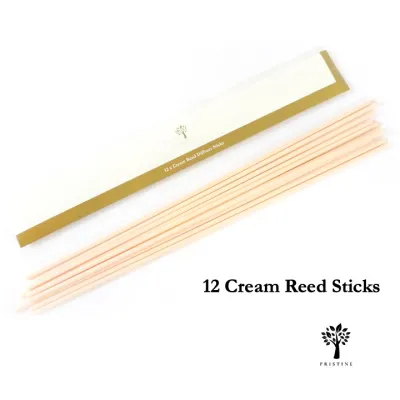
Rattan diffuser sticks, often referred to simply as reeds, are harvested from the rattan palm. These natural sticks are prized for their internal structure, which contains dozens of tiny, hollow, microscopic channels running along the entire length of the stem.

These channels act like natural straws, drawing the fragrance oil upward through capillary action to disperse the scent into the room. Because rattan is a natural, organic material, its pores are highly irregular in shape and size.
This natural variation creates a distinct diffusion profile: a strong, robust initial scent throw as the dry wood rapidly drinks up the fresh oil. However, this organic structure also makes rattan susceptible to clogging over time.
Airborne dust, pet dander, and the heavier chemical compounds in the fragrance oil settle into the open ends of the channels, gradually blocking the flow of liquid. To combat this natural clogging and maintain a consistent scent throw, rattan sticks require regular maintenance.
You will need to physically flip the sticks upside down every one to two weeks. This action brings the saturated end of the stick to the top, providing an immediate boost of fragrance while allowing the dry end to submerge and absorb fresh oil.
Rattan sticks are ideal for medium to large spaces, such as living rooms or open-plan dining areas, where a noticeable, natural fragrance presence is desired. They perform exceptionally well with medium-viscosity synthetic fragrance oils that can easily navigate the natural vascular bundles without causing rapid blockages.
Fiber Diffuser Sticks: Engineered for Consistency
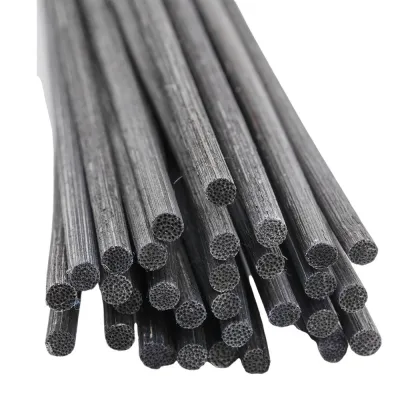
Fiber diffuser sticks are manufactured from synthetic polymers, typically polyester or specialized textile blends, designed specifically for high-performance fragrance dispersion. Unlike natural rattan, fiber sticks feature an engineered, highly uniform pore structure.
The individual fibers are aligned parallel to one another, creating perfectly straight, consistent capillary pathways from the bottom of the stick to the top. This precise engineering ensures a highly predictable and steady scent throw.
Because the pathways are uniform and do not contain the irregular chambers found in natural wood, the fragrance oil climbs at a constant rate, releasing a steady volume of scent into the air over several months.
One of the primary advantages of fiber sticks is their resistance to clogging. The synthetic materials do not absorb dust in the same manner as natural wood fibers, and the straight channels are less likely to trap heavy oil molecules.
Consequently, fiber sticks require far less maintenance; you rarely need to flip them to sustain the fragrance level, making them an excellent choice for low-maintenance households. Additionally, because they are manufactured, fiber sticks offer significant aesthetic flexibility.
They are available in a wide range of clean, solid colors—such as deep black, minimalist grey, or crisp white—allowing you to match your diffuser setup to your interior decor. They are highly suitable for high-traffic areas, air-conditioned spaces, or rooms with varying humidity levels, where they maintain their structural integrity without warping or softening.
Wood Diffuser Sticks: Aesthetic and Subtle
Wood diffuser sticks, typically crafted from solid woods like birch, willow, or bamboo, offer a distinct rustic and architectural aesthetic. Unlike rattan, which is filled with open vascular tubes, solid wood has a much denser cellular structure.
The capillary action in solid wood is significantly slower, as the oil must permeate through the wood fibers themselves rather than flowing freely through open channels. This dense structure results in a very slow absorption rate and a highly subtle scent throw.
The fragrance released is gentle and localized, making solid wood sticks unsuitable for large rooms or open spaces where you want a prominent aroma. Instead, they excel in small, enclosed environments such as walk-in wardrobes, small powder rooms, or directly on a personal workspace or bedside table.
The primary appeal of wooden sticks is often visual. Their natural, organic shapes—such as curly willow branches or clean birch dowels—add a decorative, sculptural element to a room’s decor.
They contribute to a minimalist or rustic design theme while providing a faint, non-overwhelming background scent. However, wooden sticks have clear functional limitations.
They are highly incompatible with thick, resin-heavy essential oil blends, which cannot penetrate the dense wood fibers. If used with heavy oils, the sticks may fail to draw the liquid upward at all, leaving the top of the stick completely dry and scentless. They perform best with very thin, highly volatile fragrance solutions designed for rapid evaporation.
Key Comparison Factors for Your Space
When selecting the right diffuser sticks, you must evaluate several environmental and practical factors unique to your home. The local climate and indoor conditions play a major role in how quickly your fragrance evaporates.
In humid tropical environments, high moisture levels in the air can slow down the evaporation of water-based or glycol-based carrier oils. Conversely, in air-conditioned spaces where the air is dry and constantly circulating, the oil will evaporate much faster, requiring a stick material that controls the release rate to prevent the bottle from emptying too quickly.
The type of fragrance oil you use is equally important. Synthetic diffuser oils formulated with light solvents are highly versatile and work well with all stick types. Thick, natural essential oils, however, require the wider, more forgiving pathways of rattan or specialized high-porosity fiber sticks to prevent immediate stalling.
Consider also your willingness to perform routine maintenance. If you prefer a “set-and-forget” solution, fiber sticks are the superior choice. If you enjoy the ritual of tending to your home fragrance and prefer natural materials, rattan is highly suitable.
Finally, factor in long-term replacement costs. While a pack of diffuser sticks is relatively inexpensive, typically ranging from S$5 to S$15 depending on the material and quantity, natural rattan sticks clog faster and must be replaced entirely every few months to maintain performance. Fiber sticks last significantly longer before requiring replacement, offering better long-term value.
| Comparison Factor | Rattan (Reed) Sticks | Fiber Sticks | Wood Sticks |
|---|---|---|---|
| Scent Throw Intensity | Strong, natural initial throw | Very strong, highly consistent | Subtle, localized |
| Maintenance Required | High (requires flipping every 1-2 weeks) | Low (rarely needs flipping) | Low (no flipping required) |
| Clogging Resistance | Moderate to low (clogs with dust/thick oils) | High (engineered to resist clogging) | Low (dense fibers block heavy oils) |
| Best Room Size | Medium to large spaces | Medium to large, high-traffic areas | Small, enclosed spaces (closets, desks) |
| Aesthetic Options | Natural wood look, light tan/brown | Multiple solid colors (black, white, grey) | Rustic, sculptural shapes (willow, birch) |
| Lifespan | 2 to 3 months | 4 to 6 months | 3 to 6 months (very slow release) |
How to Choose the Right Diffuser Sticks for Your Needs
To make your final decision, assess your specific lifestyle, aesthetic preferences, and the room where the diffuser will be placed.
Choose Fiber if your priority is a consistent, high-intensity scent throw with zero hassle. They are perfect for busy living rooms, entryways, and modern offices where you want a reliable, continuous fragrance without the need for regular maintenance.
Choose Rattan if you prefer natural, sustainable materials and enjoy a traditional aesthetic. They are ideal if you do not mind flipping the sticks weekly to enjoy a robust, organic fragrance dispersion in your main living areas.
Choose Wood if you are looking for a subtle, intimate scent experience or prioritize a rustic, decorative look. They are best reserved for small, quiet spaces like a reading nook, a guest bathroom, or a desktop.
Before purchasing, always perform a few quick physical checks. Measure the neck diameter of your diffuser bottle to ensure the sticks will fit comfortably without being too loose or completely sealing the opening, which can restrict airflow.
Additionally, check the viscosity of your fragrance oil; if it feels thick or syrupy, avoid dense wood sticks and opt for high-porosity fiber or wide-channel rattan to ensure successful capillary action. Always place your diffuser on a stable, level surface away from direct heat sources, open flames, or electrical outlets to prevent accidental spills or fire hazards.
Frequently Asked Questions (FAQ)
Can I reuse diffuser sticks for a new fragrance?
It is highly recommended to use fresh diffuser sticks whenever you change your fragrance oil. Once a stick is fully saturated with a specific scent, its capillary pathways are filled with that oil’s chemical compounds. Introducing the saturated sticks to a new fragrance will cause cross-contamination, resulting in an unpleasant, muddy blend of the old and new scents. Additionally, older sticks are likely already partially clogged with dust and heavy oil residues, which will severely limit their ability to draw up the new fragrance effectively.
Why is my reed diffuser not smelling strongly?
If your diffuser has lost its strength, start by checking the physical condition of the sticks. If you are using rattan, they may simply need to be flipped to expose the wet ends to the air. If the sticks have been in use for more than three months, they may be clogged with dust or heavy oil molecules, in which case they should be replaced. Environmental factors also play a role; placing the diffuser in a cold corner with stagnant air will limit scent dispersion. Try moving the bottle to a high-traffic area with gentle airflow, such as near a doorway or hallway, to help circulate the fragrance.
Can I mix fiber and rattan sticks in the same bottle?
Yes, you can physically mix fiber and rattan sticks in the same diffuser bottle, but doing so will result in uneven oil absorption and dispersion rates. The fiber sticks will draw and release the oil at a steady, rapid pace, while the rattan sticks will diffuse more slowly and require manual flipping. While this combination does not cause any chemical harm, it is generally done for visual contrast rather than performance enhancement. For the most predictable and balanced scent throw, it is best to stick to a single material type within a single bottle.
Community discussion
Share your experience or ask a question. Comments are reviewed before publication.