
Choosing the right reed diffuser stick is essential for achieving the desired scent intensity and longevity in your living space. While the diffuser oil itself plays a major role, the material of the sticks determines how effectively that oil is drawn upward and dispersed into the air.
To find the right match, consider your primary goals and the observable traits of each material. Choose engineered fibre if you prefer uniform, rapid wicking and a modern look. Select natural rattan if you appreciate traditional, organic channels that release scent steadily. Opt for wood if you want a dense, slow-wicking structure for a subtle aroma.
Keep in mind that actual scent throw and longevity depend heavily on the specific viscosity of your essential oil and the manufacturer’s instructions, rather than the stick material alone. Before purchasing, verify your product labels to ensure compatibility between your oil and the chosen reeds.
Products mentioned in this guide
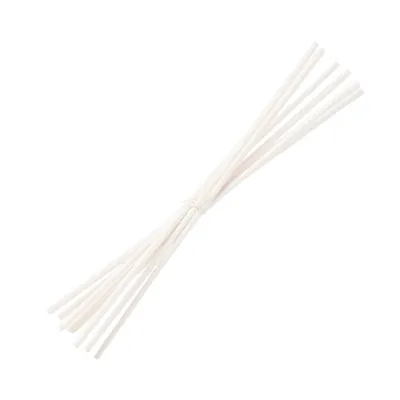
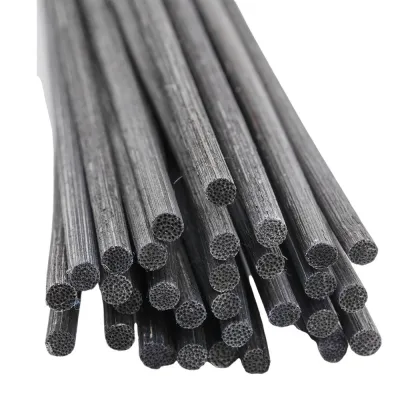
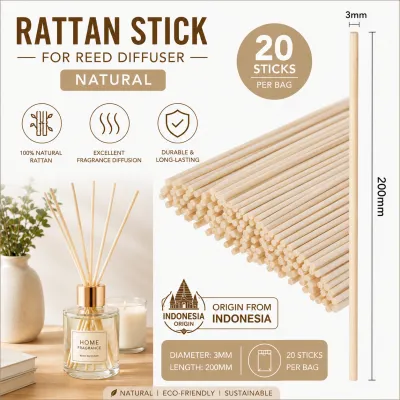
![[ARORAH] Soft High Quality Reed Diffuser Sticks 50s](https://img.lazcdn.com/g/p/d9d8197dafbf46513c865b568957df26.jpg_400x400q80.jpg_.webp)
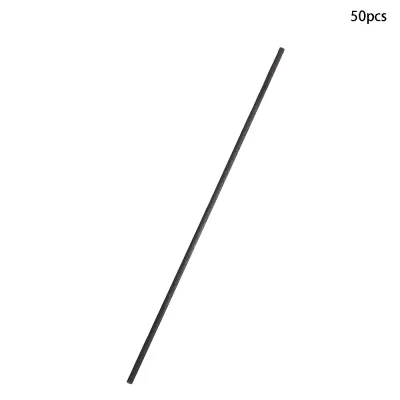
![[KIRONA SCENT] Willow Wood Reed Sticks (Set of 10pcs / 20pcs) for Aura Reed Diffuser](https://img.lazcdn.com/g/p/d3da56f72d8809402967c23226d885ee.jpg_400x400q80.jpg_.webp)
Prices are valid at publication and may change. Please refer to the product page for the latest price.
Understanding the Core Materials: Rattan, Fibre, and Wood
Rattan reeds are sourced from the natural rattan palm, a climbing vine known for its fibrous strength. When sliced, these reeds reveal hundreds of tiny, hollow vascular channels running vertically through the stem. These capillaries act like natural straws, drawing the liquid upward through capillary action. Rattan offers a classic, slightly rustic aesthetic with visible pores at the cut ends, making it a popular choice for traditional home decor.
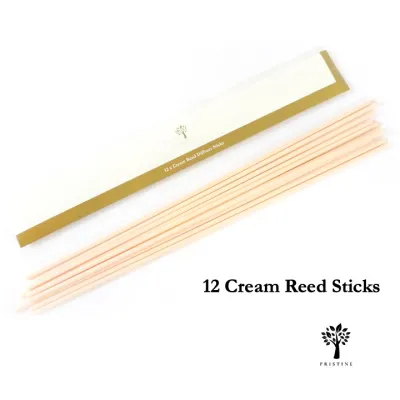
Fibre reeds are manufactured from synthetic materials, typically polyester or cotton-blend yarns, designed specifically for liquid absorption. The manufacturing process ensures highly uniform porosity throughout each stick, creating a consistent wicking structure from base to tip. Because they are engineered, fibre reeds are available in various dyed colours, such as deep black, charcoal grey, or warm cream, allowing you to match them to your vessel without worrying about the dye bleeding into the oil.
Wood reeds are typically crafted from dense, fine-grained woods like birch or willow. Unlike rattan, wood does not have large, open vascular channels, resulting in a much denser cellular structure. This density leads to a slower, more controlled absorption rate. Wood reeds often feature natural visual variations, such as subtle grain patterns and slight colour shifts, which appeal to those seeking a minimalist, raw, or highly organic aesthetic.
Key Comparison Dimensions and Material Matrix
Evaluating these three materials requires looking at observable traits, manufacturer claims, and your specific home environment.

Scent diffusion rate is the speed at which the oil travels up the stick and evaporates into the room. You can observe this by watching how quickly a dry stick becomes saturated after insertion. Fibre sticks generally wick oil rapidly due to their engineered, open-cell structure, making them highly responsive. Rattan wicks at a moderate, steady pace, while wood wicks slowly. Always check your oil’s product label; high-viscosity (thick) oils may struggle to climb dense wood or narrow rattan channels, whereas low-viscosity (thin) oils can over-saturate highly porous fibre.
Longevity and clogging are determined by how the material handles dust, humidity, and oil residue over time. Visual signs of saturation include a permanently wet, darkened appearance or a sticky coating on the exposed portion of the stick. Tactile signs include a soft, slightly mushy texture when squeezed. Dust and heavy oil components eventually clog the pores of all materials, but natural rattan and wood are particularly susceptible to dust buildup in open-air environments.
Aesthetics and customisation allow you to coordinate your diffuser with your interior design. Rattan reeds can be found in straight or decorative wavy shapes, adding a playful, organic touch. Fibre reeds offer clean, straight lines and solid, uniform colours that complement modern, minimalist, or industrial spaces. When selecting sticks, ensure the length is roughly twice the height of your diffuser bottle to maintain visual balance and optimal exposure to airflow.
Value evaluation involves calculating the cost per stick and estimating how often you will need to replace them. In local specialty shops and online marketplaces, packs of replacement reeds typically range from S$0.10 to S$0.80 per stick. While cheaper options may seem appealing, check the packaging information for estimated replacement frequencies; high-quality reeds that last longer without clogging often provide better long-term value.
| Material | Observable Structural Traits | Ideal Oil Types (Based on Labels) | Routine Maintenance Checks |
|---|---|---|---|
| Rattan | Visible open pores at ends, natural slight curves, fibrous texture | Light, alcohol-based, or low-viscosity essential oils | Check for dust accumulation; flip every 1 to 2 weeks |
| Fibre | Perfectly straight, smooth surface, uniform density, dyed colours | Medium to high-viscosity oils, water-soluble fragrance blends | Inspect for oversaturation or colour bleeding; flip less frequently |
| Wood | Solid grain, no visible open capillaries, rigid structure | Very light, highly volatile oils or specific wood-compatible blends | Monitor for slow wicking; replace if oil fails to travel up the stick |
How to Match Stick Material to Your Essential Oil
To prevent clogging and ensure a consistent scent, you must align your stick material with the viscosity of your diffuser oil.
Before purchasing, check the manufacturer’s recommendations on your diffuser oil bottle. Thick, heavy essential oils—such as those containing patchouli, vetiver, or dense carrier oils—can easily block the narrow natural capillaries of rattan or the dense grain of wood. For these heavier formulations, engineered fibre sticks with larger, uniform pore spaces are generally recommended to facilitate steady wicking. Conversely, thin, alcohol-based fragrance oils work well with rattan, as the natural channels regulate the evaporation rate to prevent the oil from disappearing too quickly.
If you find the scent throw is too weak or too intense, adjust the number of sticks rather than immediately switching materials. Start by placing three to five sticks in your vessel. If the aroma is too subtle, add more sticks to increase the surface area available for evaporation. If the scent is overwhelming, remove a few sticks to slow down the diffusion rate, which is especially useful in smaller spaces like bathrooms or study rooms.
Environmental factors also play a significant role in how your diffuser performs. In tropical climates with high ambient humidity, such as in Singapore, water-based or highly volatile oils may diffuse differently than in dry, air-conditioned rooms. Air conditioning units create constant airflow and lower humidity, which can accelerate the evaporation of the diffuser oil. To maintain a steady diffusion rate, position your diffuser away from direct air conditioning vents, open windows, or drafty hallways, as excessive airflow can dry out the tops of the reeds prematurely.
Maintenance, Flipping, and When to Replace Your Sticks
Proper maintenance ensures your diffuser continues to function safely and effectively throughout its lifespan.
When flipping your diffuser sticks to refresh the scent, always practice safe handling techniques. Wear protective gloves or use a clean paper towel to grip the reeds, preventing concentrated essential oils from coming into direct contact with your skin, which can cause irritation. Always flip the sticks over a sink or a protected surface. Accidental drips of diffuser oil can strip varnish, damage wood veneer, or permanently stain stone countertops and delicate fabrics.
Over time, all diffuser sticks will reach the end of their functional life. Identify visual and tactile signs of degradation, such as a complete lack of scent throw despite the bottle being full, or sticks that feel dry and dusty to the touch. If the reeds appear heavily discoloured, sticky, or clogged with dust, they can no longer draw oil upward and must be replaced.
If you observe unusual discolouration of the diffuser oil, mold growth on natural wood or rattan reeds in high-humidity areas, or if the scent stops entirely despite using fresh oil, stop using the sticks. In these cases, consult the diffuser manufacturer or a qualified professional to ensure compatibility between your chosen reeds and the oil formulation.
Frequently Asked Questions (FAQ)
Can I mix rattan, fibre, and wood sticks in the same diffuser?
Mixing materials is generally not recommended because of their varying porosity levels. Fibre wicks oil much faster than wood or rattan, which can lead to uneven oil consumption and an unbalanced scent release. If you choose to mix them, check the manufacturer guidelines to ensure the oil formulation is compatible with multiple wicking rates.
Do thicker essential oils require a specific type of reed stick?
Yes, high-viscosity essential oils typically require engineered fibre sticks. The uniform, manufactured pores in fibre sticks allow heavier oil molecules to travel upward more consistently than the narrow, natural capillaries of rattan or the dense grain of wood. Always read the oil manufacturer’s recommended stick type to avoid premature clogging.
How often should I flip my reed diffuser sticks?
As a general guideline, flipping rattan sticks every one to two weeks helps refresh the scent, while fibre sticks often require less frequent flipping due to their efficient wicking design. Look for visual cues, such as a dry top half or a fading scent throw. Avoid over-flipping, as this can accelerate oil evaporation and cause the sticks to clog with dust and residue more quickly.
Community discussion
Share your experience or ask a question. Comments are reviewed before publication.