
Identifying genuine rose quartz is essential when investing in high-quality home decor, as the market is frequently flooded with convincing imitations. Natural rose quartz is a variety of crystalline silicon dioxide prized for its soft, translucent pink hues. Because of its popularity in sculptures and figurines, manufacturers often use dyed glass, molded resin, or cheaper stones treated with chemical colorants to mimic its appearance. Knowing how to distinguish natural mineral specimens from synthetic alternatives ensures you receive the aesthetic and material value you expect.
To verify the authenticity of a rose quartz sculpture, you must evaluate its physical properties, optical characteristics, and thermal behavior. Natural quartz possesses distinct geological markers, such as internal veining and a cool tactile temperature, that synthetic materials cannot easily replicate. By combining visual inspection with simple, non-destructive physical tests, you can confidently assess a piece before finalizing your purchase.
Visual and Tactile Red Flags in Fake Rose Quartz
A thorough visual inspection is your first line of defense against counterfeit stone sculptures. Natural rose quartz rarely exhibits a perfectly uniform color throughout the entire piece. Instead, it features a soft, hazy pink hue that naturally varies in intensity, often showing subtle gradients of white, peach, or lavender. If a sculpture displays an incredibly vibrant, uniform, or neon-pink coloration, it is highly likely a synthetic imitation or a low-grade stone that has been artificially dyed.
Products mentioned in this guide
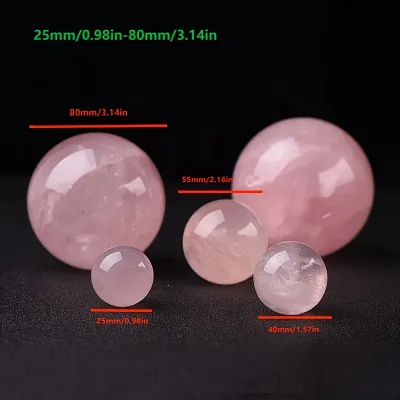
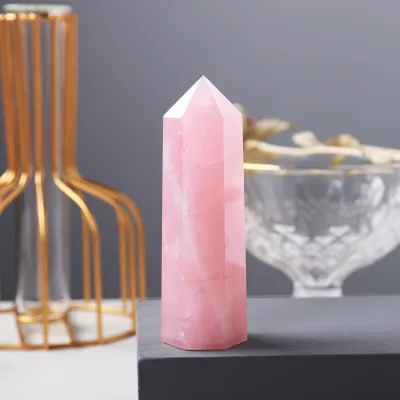
Prices are valid at publication and may change. Please refer to the product page for the latest price.
Look closely at any surface cracks, crevices, or deep carving lines on the sculpture. In dyed pieces, the liquid dye tends to pool in these recessed areas, leaving behind concentrated streaks of dark pink or red. Furthermore, inspect the interior of the material under a magnifying glass. If you spot tiny, perfectly spherical air bubbles suspended inside, the item is undoubtedly made of molded glass or resin. Natural geological processes do not trap round air bubbles within crystalline quartz structures.
Tactile feedback provides another immediate clue regarding authenticity. Natural rose quartz has high thermal conductivity, meaning it naturally draws heat away from your skin. When you first pick up a genuine sculpture, it will feel notably cold to the touch, even in a warm room. It will also take a significant amount of time to warm up in your hand. In contrast, glass, plastic, or resin imitations will feel closer to room temperature from the start and will warm up almost instantly when held.
Weight and density are also critical indicators. Quartz is a relatively dense mineral with a specific gravity of approximately 2.65. A solid, hand-carved rose quartz sculpture will feel surprisingly heavy and substantial when lifted. If a piece feels unexpectedly light, hollow, or plasticky for its size, it is likely composed of molded resin or acrylic.
Safe Physical Tests to Verify Rose Quartz Authenticity
Performing safe, non-destructive physical tests can help confirm the material’s identity without damaging your investment. One of the most reliable methods is the scratch test, which relies on the Mohs hardness scale. Natural quartz has a hardness rating of 7, making it harder than common household materials like copper, standard glass, and typical steel blades.

To conduct this test safely, select an inconspicuous area on the sculpture, such as the flat bottom of the base. Attempt to scratch the surface gently using a copper coin or a standard steel key. Genuine rose quartz will remain completely unmarked, as these materials are softer than quartz. If you are testing a suspected glass or resin imitation, the steel or copper will easily leave a permanent scratch. However, avoid using hardened steel files or specialized drill bits, as these can scratch even genuine quartz and ruin the sculpture’s finish.
Light transmission checks are highly effective for revealing the internal structure of the stone. Hold the sculpture up to a bright window or shine a strong LED flashlight directly through the material. Genuine rose quartz is translucent to semi-opaque, revealing a complex internal network of cloudy zones, milky veining, and irregular, multi-directional fractures. If the light passes through with absolute, crystal-clear transparency, or if you observe swirling patterns that look like stirred liquid, you are looking at manufactured glass.
You can also use a long-wave ultraviolet (UV) blacklight to check for synthetic binders or artificial dyes. Natural, untreated rose quartz is generally inert under UV light, meaning it will not glow or change color. If portions of the sculpture—especially along carved joints or filled cracks—fluoresce with a bright neon orange, yellow, or green, this indicates the presence of synthetic resins, chemical dyes, or stabilizing polymers.
Always establish clear boundaries when performing these tests. If a seller does not permit a scratch test, or if you are concerned about voiding a return policy, rely on optical and thermal checks instead. Never apply harsh chemical solvents like acetone or nail polish remover to the sculpture unless you are certain of its material, as these chemicals can dissolve resin binders or strip artificial dyes, permanently altering the piece.
Assessing Craftsmanship and Seller Transparency
Evaluating the craftsmanship of a sculpture can reveal whether it was individually carved from natural stone or mass-produced in a factory mold. Hand-carved natural rose quartz sculptures typically feature subtle irregularities, minor tool marks in deep crevices, and unique variations in texture. Because natural stone is challenging to carve, artisans must work with the natural grain of the crystal, resulting in organic shapes and slight asymmetries.
Molded glass or resin pieces, on the other hand, often display perfect symmetry and highly repetitive patterns. Look closely for faint, raised lines running along the sides of the sculpture. These are mold seam lines, which occur where the two halves of a manufacturing mold meet. Natural stone sculptures will never have these seams, as they are carved down from a single solid block of quartz.
When shopping on e-commerce platforms, scrutinize the seller’s product descriptions and business practices. Be wary of vague or misleading terminology designed to confuse buyers. Terms like “rose quartz style,” “cherry quartz,” “crystal glass,” or “synthetic quartz blend” are common industry euphemisms for manufactured glass or plastic. A reputable seller should explicitly state that the item is “natural rose quartz” and provide clear information about its origin.
Be cautious of certificates of authenticity that seem generic or lack official credentials. A legitimate geological report should come from an independent, recognized gemological laboratory and include a unique report number that can be verified online. Additionally, pay attention to pricing red flags. If a large, intricately detailed sculpture is priced at an incredibly low rate—such as under S$15—it is highly unlikely to be genuine hand-carved stone, as the cost of raw high-quality quartz and artisan labor far exceeds this amount.
Steps to Take If You Suspect a Counterfeit Purchase
If you receive your sculpture and suspect it is a counterfeit or a misrepresented imitation, taking prompt action is essential. Start by documenting your findings thoroughly. Take high-resolution, well-lit photos and videos of the sculpture from multiple angles. Use a macro lens or close-up setting to capture specific red flags, such as trapped air bubbles, mold seams, dye pooling in cracks, or areas that scratched easily during a safe hardness test.
Next, initiate a formal return or dispute process through the e-commerce platform, marketplace portal, or your payment provider. Present your documented evidence clearly and objectively, comparing the physical characteristics of the received item against the seller’s original listing claims. Avoid emotional language; instead, focus on the physical discrepancies, such as the presence of glass bubbles or resin seams where natural stone was promised.
For high-value sculptures where a significant financial investment was made, consider seeking an independent appraisal. A certified local gemologist can conduct professional testing and provide an official, signed appraisal report. This document carries substantial weight and can serve as definitive proof to resolve disputes with sellers, credit card companies, or online marketplace administrators in your favor.
Frequently Asked Questions (FAQ)
Can real rose quartz fade in sunlight?
Yes, genuine rose quartz can gradually lose its characteristic pink color and fade to a dull gray or white when exposed to prolonged, direct sunlight. This fading occurs because the trace elements of titanium, iron, or manganese that give the stone its pink hue are sensitive to ultraviolet radiation. To preserve the vibrant finish of your sculpture, display it away from sunny windowsills or areas with intense, direct sunlight, especially in bright tropical environments.
Is it normal for real rose quartz to have cracks or cloudy spots?
Yes, internal cracks, cloudy zones, and milky inclusions are entirely normal and are actually strong indicators of authenticity. These natural characteristics are formed over millions of years under intense geological pressure. A completely flawless, water-clear pink sculpture is extremely rare in nature and is almost always a sign of manufactured glass or synthetic material.
Community discussion
Share your experience or ask a question. Comments are reviewed before publication.