
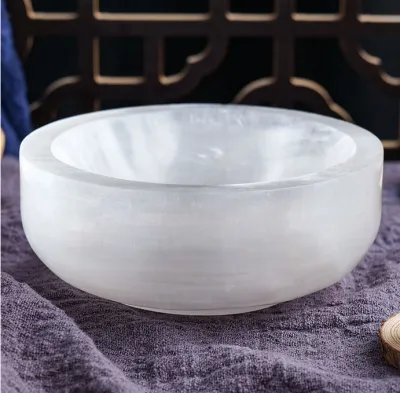
To determine if a selenite bowl is genuine, you must examine its physical structure, weight, thermal properties, and reaction to light. Real selenite is a natural, fibrous variety of gypsum that exhibits distinct parallel lines, a soft surface that can be scratched with a fingernail, and a cool-to-the-touch temperature. In contrast, counterfeit or substitute bowls made of molded plastic, resin, or glass are highly uniform, feel warm or neutral at room temperature, and lack the characteristic silky luster of authentic stone.
Because selenite is highly soluble in water and exceptionally soft, its care requirements are incredibly strict. If a seller claims a decorative bowl is dishwasher-safe, waterproof, or completely scratch-resistant, you are likely looking at a synthetic imitation. By conducting a few non-destructive visual and tactile checks, you can confidently verify whether a piece is a genuine mineral specimen or a mass-produced replica.
Understanding Selenite and Common Substitutes
Selenite is a crystalline variety of the mineral gypsum, composed of calcium sulfate dihydrate. In its natural state, it is relatively abundant and widely mined, which generally keeps the cost of raw material reasonable. However, the labor required to carve, hollow, and polish a delicate bowl from a fragile block of gypsum adds to its final market value, making it a target for imitation.
Products mentioned in this guide
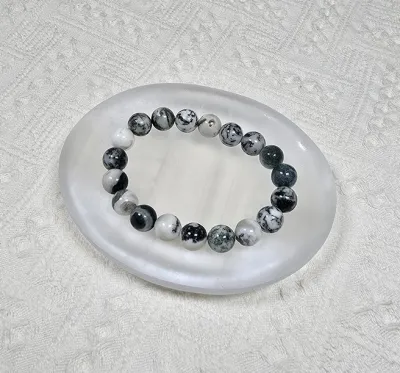
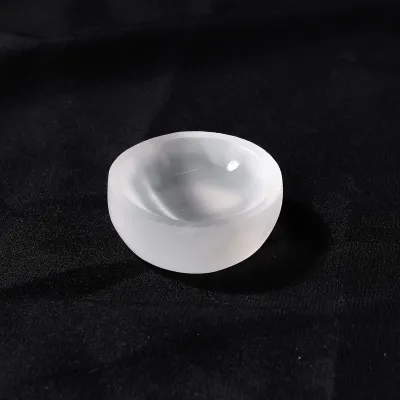
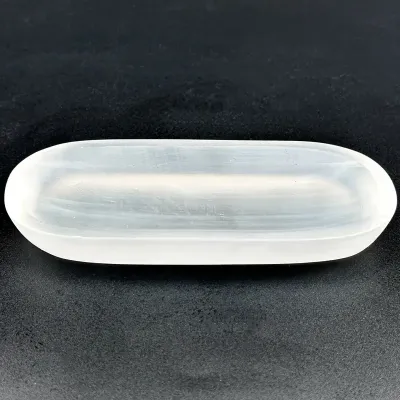
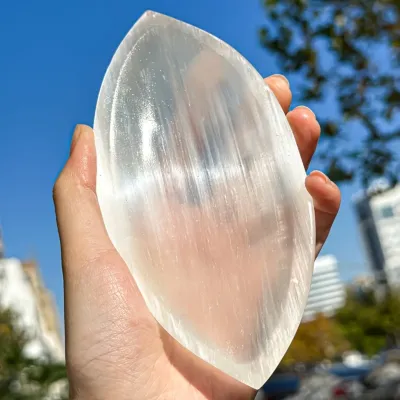
Prices are valid at publication and may change. Please refer to the product page for the latest price.
In the home decor market, several materials are frequently misrepresented as genuine selenite. Molded synthetic resin and frosted glass are the most common substitutes used to mimic the translucent, milky appearance of the stone. These manufactured materials can be poured into molds to create highly symmetrical bowls with few structural flaws, bypassing the delicate carving process required for real minerals.
Additionally, other soft stones like dyed howlite or calcite are sometimes marketed under misleading trade names. Some sellers use “selenite” as a generic marketing term for any white, translucent decorative object. This lack of standardization makes independent verification essential before you invest in a decorative piece for your home.
Visual and Tactile Checks for Authenticity
Verifying a selenite bowl does not require specialized laboratory equipment or destructive testing that could ruin your decor. Instead, you can rely on systematic visual and tactile observations to identify the natural markers of genuine gypsum. These non-destructive checks can be performed in a showroom or immediately after unboxing a delivery.

To begin your assessment, find a well-lit space or use a portable light source to examine the bowl from multiple angles. Handling the piece mindfully will also reveal physical clues, as natural stone interacts with body heat and ambient temperatures in a way that plastics and glass cannot replicate.
Light Transmission and Internal Features
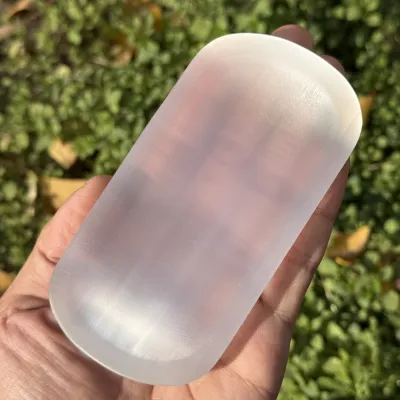
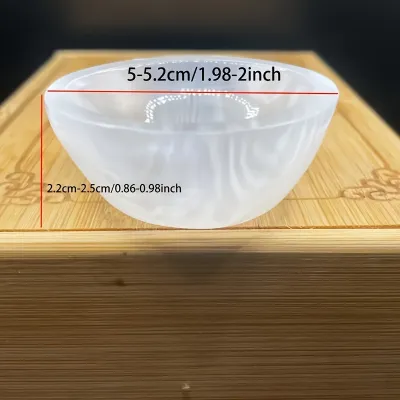
One of the most reliable ways to verify authenticity is to shine a strong flashlight directly through the side or bottom of the bowl. Genuine selenite has a highly fibrous crystalline structure that creates natural striations, faint parallel lines, and internal inclusions. When light passes through the stone, it scatters unevenly along these fibers, producing a soft, shimmering effect known as chatoyancy.
If you shine a light through a fake bowl made of glass or synthetic resin, the illumination will appear entirely uniform. You will not see any natural growth lines, mineral inclusions, or fibrous pathways. Instead, you might spot tiny, spherical air bubbles trapped inside the material, which are a definitive sign of a poured liquid mold rather than a naturally formed geological specimen.
Surface Texture and Temperature
The physical sensation of touching the bowl provides immediate clues about its composition. Polished selenite has a distinct, slightly soapy or silky texture that feels smooth but retains a subtle organic variation. Molded plastic or resin substitutes, on the other hand, often feel artificially slick, greasy, or completely uniform across the entire surface.
Thermal conductivity is another excellent indicator to test with your hands. Natural minerals conduct heat away from your skin, meaning a genuine selenite bowl will feel noticeably cool to the touch when you first pick it up at room temperature. A synthetic resin bowl will quickly match the ambient room temperature and feel relatively warm or neutral upon initial contact.
Structural and Physical Properties to Observe
Evaluating the structural integrity and physical behavior of the bowl can help you confirm its mineral identity. Because gypsum is a naturally fragile material, you must handle the object with care during these observations. Avoid any destructive testing methods, such as deep scratching or breaking, which will permanently damage a genuine piece of decor.
Instead, focus on how the bowl responds to gentle physical interaction, its weight distribution, and the sound it produces when lightly tapped. These subtle physical properties are incredibly difficult for manufacturers of synthetic substitutes to replicate accurately.
Hardness and Care Instructions
On the Mohs hardness scale, gypsum rates as a very soft mineral with a hardness of only 2. This extreme softness means that genuine selenite is highly susceptible to scratches, scuffs, and water damage. Consequently, the care instructions provided by the manufacturer or seller serve as a major clue to the material’s authenticity.
If a product listing or care label suggests that the bowl is dishwasher-safe, suitable for holding liquids, or highly resistant to scratching, it is almost certainly a fake. Real selenite must never be submerged in water or exposed to high humidity, as moisture will slowly dissolve the mineral and ruin its polished finish. Genuine pieces will always come with warnings to clean them using only a dry, soft microfiber cloth.
Weight and Acoustic Feedback
The weight of the bowl can help you distinguish solid stone from lightweight synthetic alternatives. A genuine selenite bowl has a substantial, dense heft that reflects its mineral composition. When you hold it, the piece should feel heavier than a plastic or resin counterpart of the same size, though it may feel slightly lighter than a dense quartz or marble bowl.
You can also perform a gentle acoustic check by lightly tapping the edge of the bowl with a fingernail or a small wooden spoon. Genuine gypsum produces a dull, soft, and slightly muted tap sound due to its soft crystalline structure. In contrast, a glass bowl will emit a sharp, high-pitched ring, while a hollow plastic or resin piece will produce a distinct, hollow thud.
Evaluating the Seller and Product Listing
When shopping for home decor on online marketplaces or ecommerce platforms, analyzing the product listing and seller profile can prevent a disappointing purchase. Counterfeit items are common on platforms that prioritize high-volume, low-cost goods, so a critical eye is your best defense.
Be highly skeptical of listings that rely entirely on generic stock photos with identical patterns. Because selenite is a natural mineral, every genuine bowl will feature unique internal inclusions, slight color variations, and minor surface irregularities. If a seller shows multiple bowls that look completely identical in every image, they are likely selling mass-produced synthetic replicas.
Pricing is another major indicator of authenticity. While raw gypsum is not rare, the labor required to hand-carve a flawless, large bowl is significant. If you find a large, intricately carved bowl priced at an unrealistically low rate—such as under S$15—it is highly probable that the item is made of molded resin. Genuine hand-carved pieces generally command a higher price to account for the craftsmanship and material loss during the carving process.
Finally, look for reputable sellers who specialize in minerals or high-end home decor and provide transparent product details. A trustworthy seller will explicitly state the mineral origin, provide detailed care instructions warning against water exposure, and offer a clear return policy. If a listing uses vague terms like “selenite-style” or fails to mention care requirements, it is best to look elsewhere.
Frequently Asked Questions (FAQ)
Can I use water to test if my selenite bowl is real?
No, you should not use water as a primary testing method for your selenite bowl. While genuine selenite is water-soluble and will eventually degrade or dissolve when exposed to moisture, doing so is a destructive test. Submerging or washing your bowl to see if it damages the surface will permanently ruin a genuine piece of decor. It is much safer to rely on non-destructive visual, tactile, and weight checks to verify its authenticity.
Does real selenite glow under UV light?
While some natural gypsum specimens can exhibit fluorescence under ultraviolet (UV) light, this is not a reliable or universal test for verifying a selenite bowl. The presence or absence of a glow depends entirely on the specific trace minerals present in the stone’s locality. Furthermore, many synthetic resins, plastics, and chemical dyes used in counterfeit items are formulated to react or glow under blacklights, which can easily lead to a false positive.

Community discussion
Share your experience or ask a question. Comments are reviewed before publication.