
Choosing the right red cushion cover is one of the most effective ways to introduce warmth, energy, and visual focus to a living space. However, red is a highly assertive color, and the material you select plays a pivotal role in how that color behaves under your home’s lighting and how it feels against your skin. A velvet cover can turn red into a deep, dramatic jewel, while a linen cover softens it into an earthy, relaxed tone. Meanwhile, an embroidered cover introduces artisanal patterns that break up the solid color and add complex visual texture.
To help you make an immediate decision, consider this quick material framework:
- Choose Velvet if: You want a luxurious, cozy feel and rich color depth for a formal or glam living space.
- Choose Linen if: You prefer a relaxed, breathable, and low-maintenance option suited for casual, everyday lounging in warm climates.
- Choose Embroidered if: You want to introduce intricate patterns, cultural motifs, or artisanal texture to your red decor.
Ultimately, the ideal choice for your home depends on balancing the room’s existing textures, the lighting conditions of your space, and your household’s daily activity level.
Products mentioned in this guide
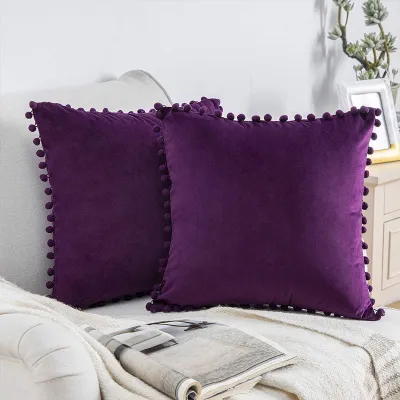
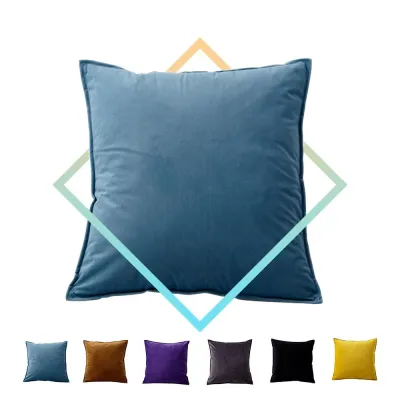
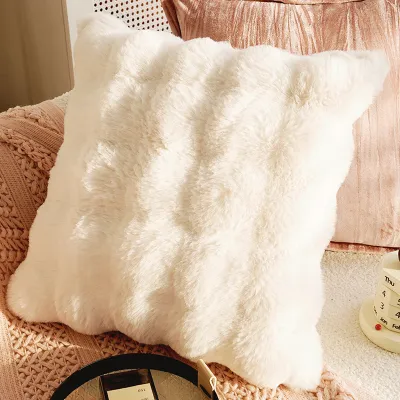
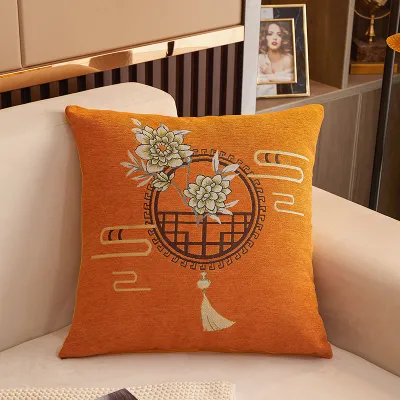
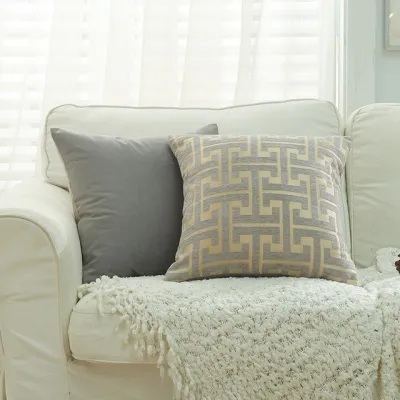
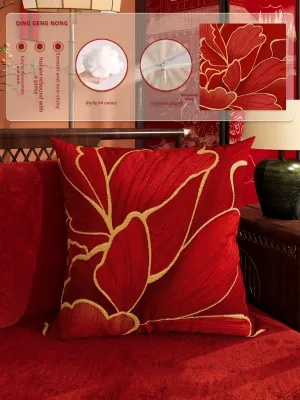
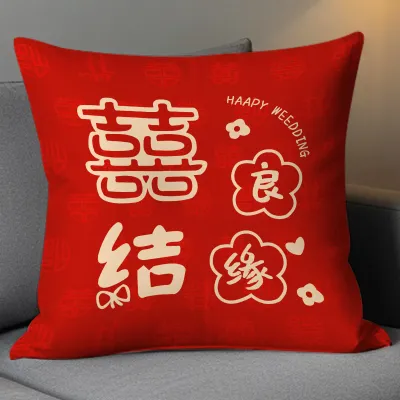

Prices are valid at publication and may change. Please refer to the product page for the latest price.
Aesthetic Impact: How Each Material Changes the Color Red
The physical structure of a textile fiber dictates how it interacts with light, which directly alters our perception of color. Red is a high-wavelength color that naturally draws the human eye; however, the surface texture of the fabric can either amplify its intensity or soften its impact. By understanding how velvet, linen, and embroidery manipulate light, you can select a cover that harmonizes with your home’s existing color palette and architectural features.
Velvet: Rich, Light-Absorbing Luxury
Velvet is constructed with a dense, raised pile of cut loops that stand perpendicular to the backing fabric. This unique physical structure means that light entering the fabric is trapped between the dense fibers rather than reflected directly back to the eye. As a result, velvet absorbs light from most angles, making red tones appear incredibly deep, saturated, and rich. When light does catch the tips of the pile, it creates a subtle, shimmering highlight that gives the fabric a dynamic, multi-dimensional quality.
This light-absorbing characteristic makes red velvet cushion covers exceptionally well-suited for maximalist, modern glam, or traditional cozy interiors. In rooms with controlled, warm lighting—such as those illuminated by warm LED lamps, sconces, or candlelight—red velvet glows with a sophisticated, jewel-like warmth. It adds a sense of weight and permanence to a sofa, making it an excellent anchor piece for formal living rooms or cozy reading nooks.
Linen: Earthy, Textured, and Relaxed
In stark contrast to velvet, linen is a plain-weave fabric made from natural flax fibers. These fibers contain natural irregularities, known as slubs, which create a highly textured, uneven surface with a matte finish. When light hits a linen cushion cover, it scatters in multiple directions rather than being trapped or reflected uniformly. This scattering effect diffuses the intensity of the red pigment, giving the color a more muted, earthy, and organic appearance.
A red linen cushion cover will often look like a soft terracotta, a washed brick, or a rustic crimson rather than a stark, aggressive primary red. This makes linen an ideal fit for coastal, rustic, Japandi, or minimalist spaces where a relaxed, “lived-in” aesthetic is desired. It allows you to introduce the warmth of red without disrupting the calm, neutral, and nature-inspired atmosphere of the room.
Embroidered: Artisanal Detail and Pattern
Embroidered cushion covers move away from solid color blocks by introducing a secondary layer of visual interest directly onto the base fabric. This style uses contrast stitching, tonal embroidery, or even metallic threads to create intricate patterns and raised textures over a red background. The visual impact of the red is broken up by these designs, which can range from bold geometric patterns to delicate botanical motifs or traditional cultural designs.
Because the red is interspersed with other colors and textures, an embroidered cover acts more like a focal art piece than a simple color block. It is highly effective in bohemian, eclectic, or classic traditional interiors where you want to showcase craftsmanship and detail. The embroidery catches the light differently than the base fabric, creating an eye-catching contrast that draws attention to the cushion as an individual design element rather than a background accessory.
Comfort and Texture: Lounging in a Tropical Climate
Beyond visual aesthetics, the tactile experience of a cushion cover is a crucial factor in everyday comfort, particularly in tropical climates like Singapore. High humidity and consistently warm temperatures mean that fabrics in contact with your skin must be evaluated for breathability, heat retention, and moisture management. The right material ensures that your sofa remains a comfortable place to relax at any time of day.

Velvet: Plush and Warm
Velvet is renowned for its incredibly soft, plush, and inviting feel against the skin. Leaning against a velvet cushion provides an immediate sense of comfort and physical luxury. However, the very structure that makes velvet soft—its dense pile—also acts as an insulator. Velvet tends to retain body heat and restrict airflow, which can make it feel uncomfortably warm and sticky when used in non-air-conditioned spaces or during highly humid afternoons.
If your living room is consistently air-conditioned and kept at a cool, dry temperature, velvet cushion covers can be enjoyed year-round without issue. They provide a cozy, comforting touch that balances the cool indoor air. However, if you rely primarily on natural ventilation and ceiling fans, velvet may be best limited to decorative accent chairs that are not used for extended lounging.
Linen: Crisp, Cool, and Breathable
Linen is widely regarded as one of the most comfortable fabrics for tropical living due to its exceptional breathability and moisture-wicking properties. Flax fibers are naturally hollow, allowing air to circulate freely through the weave. This high level of breathability prevents heat from building up behind your back while you lean against the cushion.
Additionally, linen can absorb a significant amount of moisture without feeling damp to the touch, and it dries much faster than cotton or synthetic fibers. It has a natural, slightly crisp texture that softens over time with use and washing, always maintaining a cool-to-the-touch feel. This makes red linen cushion covers the most practical and comfortable choice for high-use, everyday lounging areas in warm, humid environments.
Embroidered: Structured and Tactile
The comfort level of an embroidered cushion cover depends heavily on two factors: the composition of the base fabric and the density of the decorative stitching. Most high-quality embroidered covers use a breathable cotton or linen base, which helps maintain decent airflow and temperature regulation. However, the embroidered sections themselves introduce a highly structured, raised texture.
If the embroidery is dense, heavy, or incorporates metallic or stiff synthetic threads, the surface can feel rough or scratchy against bare skin. While these cushions are excellent for providing firm lumbar support or sitting upright, they are generally less comfortable for resting your face or bare arms directly on them. To maximize comfort, consider using embroidered covers as decorative layering pieces placed in front of softer, smoother cushions.
Maintenance and Durability: Matching Your Household Routine
A cushion cover’s longevity and appearance over time depend heavily on how well its maintenance requirements align with your household’s daily routine. Homes with young children, active pets, or high-traffic living spaces require materials that can withstand frequent cleaning and resist wear, while low-traffic or adult-only spaces can accommodate more delicate, high-maintenance textiles.
Velvet: Managing Dust and Pile Crushing
Velvet requires a dedicated maintenance routine to keep it looking pristine. Because of its dense pile, velvet acts as a magnet for dust, lint, and pet hair, which can easily become trapped between the fibers. Regular maintenance should include gentle vacuuming with a soft brush attachment or frequent lint rolling to keep the surface clean.
Another consideration is pile crushing, which occurs when prolonged pressure is applied to the same spot, causing the fibers to flatten and create a distorted, “bruised” look. To restore the pile, you may need to gently brush the fibers with a soft-bristled brush or use a garment steamer on a low setting from a safe distance. Spot cleaning velvet is also highly delicate; rubbing a wet cloth on a stain can permanently damage the pile direction and leave water marks. Consequently, red velvet covers are best suited for low-traffic areas, formal sitting rooms, or households without pets.
Linen: Embracing Wrinkles and Easy Washing
Linen is an incredibly durable natural fiber that actually improves with age, becoming softer and more pliable with every wash. It is highly resistant to pilling and can easily withstand regular machine washing, making it an excellent choice for busy households with children or pets.
The primary maintenance challenge with linen is its natural tendency to crease and wrinkle. In modern interior design, these gentle folds are often embraced as a key component of linen’s relaxed, organic charm. However, if you prefer a neat, crisp look, you will need to iron the cover while it is still slightly damp, or use a garment steamer after fitting it back onto the cushion insert. Additionally, because linen fibers can lint slightly during the first few washes, it is best to wash them separately.
Embroidered: Protecting Delicate Stitching
While the underlying base fabric of an embroidered cushion cover is often highly durable, the embroidery threads themselves require careful protection. The raised, looped stitches are vulnerable to snagging on jewelry, clothing hardware, or pet claws, which can quickly pull the threads loose and ruin the pattern.
To maintain the integrity of the design, embroidered covers usually require gentle hand washing in cold water or a highly delicate machine cycle inside a protective mesh laundry bag. They should never be scrubbed vigorously or wrung out, as this can cause the embroidery threads to shrink at a different rate than the base fabric, leading to puckering. Because of these delicate care requirements, embroidered red cushion covers should be treated as decorative, low-impact accents rather than heavy-duty lounging pieces.
Final Decision Framework: Choose Based on Your Lifestyle
To finalize your choice, it is helpful to match your specific household dynamics and design goals with the material that best supports them. A red cushion cover can be a stunning addition to your home, but only if it fits seamlessly into your daily life and maintenance habits.
Consider this quick lifestyle matching guide to help you decide:
- Busy Households with Kids or Pets: Choose Linen. Its durability, ease of machine washing, and relaxed, wrinkle-friendly appearance make it highly forgiving of daily wear and tear.
- Formal Living Rooms and Entertaining Spaces: Choose Velvet. It provides unmatched color depth, a luxurious sheen, and a sophisticated weight that elevates formal seating arrangements.
- Eclectic, Artistic, or Culturally Inspired Spaces: Choose Embroidered. It serves as a beautiful focal point, introducing texture, pattern, and artisanal character that breaks up solid colors.
Before purchasing your new red cushion covers, always verify these practical technical specifications to ensure a perfect fit and long-lasting quality:
- Cushion Insert Sizing: To achieve a plump, professional look without empty corners, always size up your cushion insert. If your cushion cover measures 45×45 cm, pair it with a 50×50 cm insert. This 5 cm increase ensures the cover is fully filled out and looks plush.
- Closure Type: Look for high-quality hidden zippers. A hidden zipper keeps the cover securely fitted, prevents the insert from spilling out, and won't scratch your sofa or skin. Envelope closures are a hardware-free alternative but can sometimes gap if the insert is very full.
- Care Labels and Colorfastness: Vibrant red dyes are notorious for bleeding during their first few washes. Always read the manufacturer's care label carefully before washing. It is highly recommended to wash new red covers separately in cold water first to prevent any accidental dye transfer to your other textiles.
Frequently Asked Questions (FAQ)
How do I prevent red cushion covers from fading in sunlight?
Red dyes are particularly susceptible to fading because the chemical bonds in red pigments are highly sensitive to ultraviolet (UV) light. To protect your red cushion covers, avoid placing them in areas that receive direct, intense sunlight throughout the day. If your sofa is positioned near a window, consider applying a UV-blocking window film, which reduces solar damage without blocking natural light. Additionally, rotate your cushions regularly so that any exposure is evenly distributed, and opt for high-quality synthetic blends or UV-treated fabrics if the cushions must be placed in sun-drenched areas.
Can I mix velvet and linen red cushion covers on the same sofa?
Yes, mixing velvet and linen is an excellent interior design strategy that adds rich textural contrast and visual depth to your sofa. The key to successfully mixing these materials is ensuring that the undertones of the red match. For example, pair a warm, orange-toned tomato red velvet with a warm brick red linen, or match a cool, blue-toned burgundy velvet with a cool wine-red linen. Keeping the undertones consistent creates a cohesive, intentional look, while the contrast between velvet’s subtle sheen and linen’s matte texture prevents the arrangement from looking flat or monotonous.
Community discussion
Share your experience or ask a question. Comments are reviewed before publication.