
When deciding between reed diffusers and incense sticks, the answer to “which lasts longer” depends entirely on how you define longevity. Reed diffusers provide continuous, passive fragrance that can last for several weeks or even months, making them ideal for a constant background scent. In contrast, a single incense stick typically burns for under an hour, but it delivers an intense, immediate aromatic experience suited for short-term rituals. Choosing the right option for your home in Singapore requires looking beyond just the clock and evaluating maintenance, safety, air quality, and long-term value.
To make an informed decision, you must weigh the passive, slow-release nature of liquid-based diffusion against the rapid, combustion-driven release of compressed aromatics. Each method serves a distinct lifestyle preference and spatial requirement. Understanding how these systems interact with your living environment, daily habits, and local climate is key to finding the most efficient and satisfying home fragrance solution.
Defining Longevity: Continuous Diffusion vs. Active Burn Time
To compare these two fragrance methods fairly, you must first distinguish between continuous passive diffusion and active burn time. A reed diffuser operates on capillary action, where porous wooden or synthetic reeds draw scented oil upward from a vessel and release it slowly into the surrounding air. This process occurs constantly without any intervention, meaning the longevity of a single setup is measured in weeks or months. The oil gradually evaporates, providing a steady, subtle background scent that remains relatively consistent until the liquid is fully depleted.
Products mentioned in this guide
![[NIPPON KODO 日本香堂] Yume-no-Yume Sakura/ Lavender/ Lotus Sandalwood/ Freesia/ White Plum Incense Sticks Very Little Smoke Home Fragrance Aroma Meditation Aromatherapy [240 Sticks]](https://img.lazcdn.com/g/p/f7d6e97cad42424a7ba054241e9ded23.jpg_400x400q80.jpg_.webp)
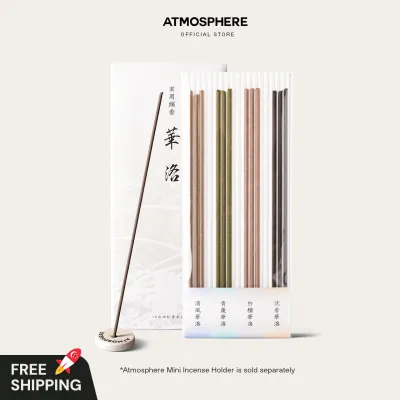
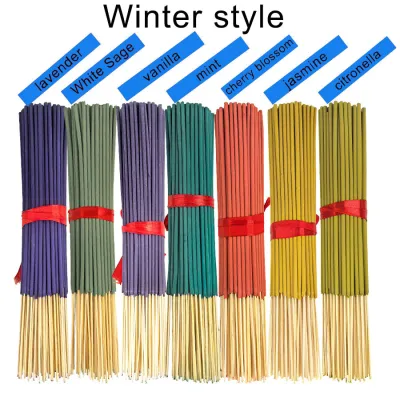
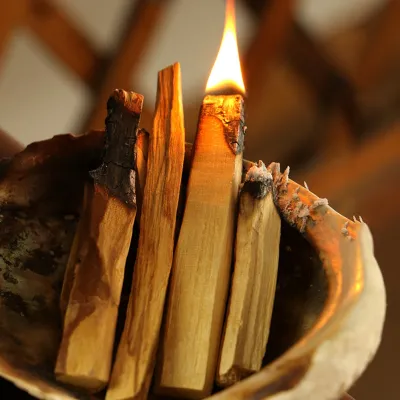
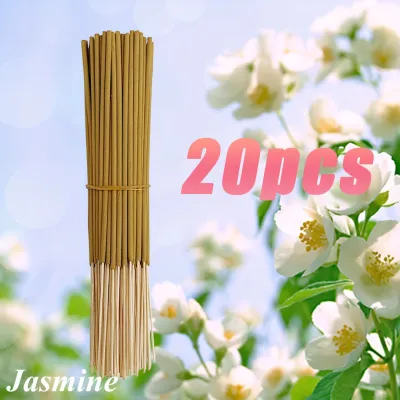
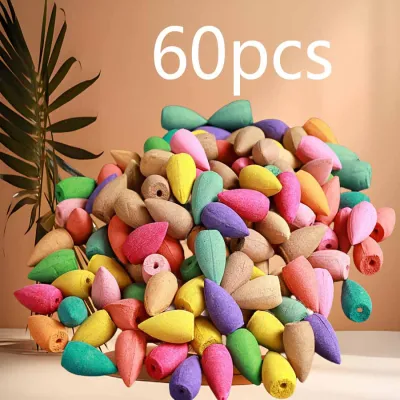
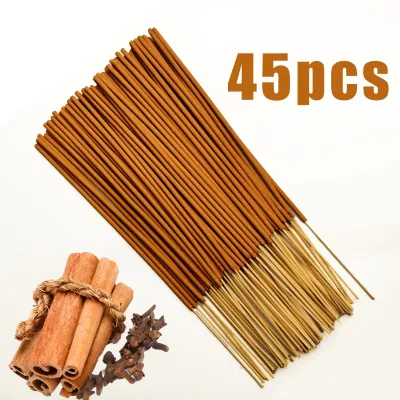
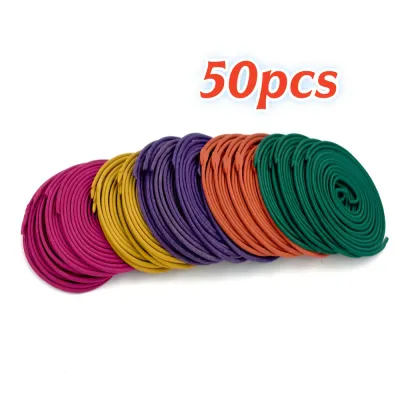
Prices are valid at publication and may change. Please refer to the product page for the latest price.
In contrast, the longevity of an incense stick is defined by its active combustion period. When you light an incense stick, the heat causes the compressed aromatic materials, binders, and essential oils to burn and release smoke. This process is brief, typically lasting between thirty minutes to an hour per stick, depending on the thickness, length, and density of the material. Once the stick burns down to its base, the active scent generation stops immediately, though the residual aroma may linger in the air for several hours afterward.
The spatial coverage, or scent throw, also differs significantly between these two methods. Reed diffusers excel at creating a localized, gentle scent zone, making them highly effective for smaller, enclosed spaces like bathrooms, entryways, or bedrooms. Because the diffusion is passive, the fragrance relies on natural air currents to circulate throughout the room. Incense sticks, however, produce a highly concentrated and powerful burst of fragrance that quickly fills larger, open-plan living areas. The rising smoke carries the scent particles rapidly across a wider radius, offering an immediate sensory impact that a passive diffuser cannot match.
Daily Maintenance, Safety, and Indoor Impact
Integrating a home fragrance method into your daily routine requires looking at the physical upkeep and safety considerations of each option. Reed diffusers are generally low-maintenance, requiring only occasional attention to keep the fragrance flowing. Over time, the microscopic pores in the reeds can become clogged with dust or saturated with oil, which slows down the diffusion process. To refresh the scent, you simply flip the reeds upside down, exposing the wet ends to the air. This task takes only a few seconds and is typically done once a week or whenever the fragrance begins to fade.

Incense sticks demand a more active hands-on approach and regular cleanup. Because incense relies on combustion, it produces fine ash that falls away as the stick burns. You must place the stick in a dedicated burner or holder designed to catch this falling debris, and you will need to empty and clean the holder regularly to prevent ash from spilling onto your furniture. Additionally, storing incense sticks in a dry place is essential to prevent them from absorbing moisture, which can make them difficult to light or cause them to burn unevenly.
Safety is another critical factor, especially in households with children, pets, or limited ventilation. Incense sticks involve an open flame during the initial lighting phase and remain hot and smoldering throughout their burn time. They require constant supervision and must be kept far away from flammable materials, drafty windows, and high-traffic areas where they could be knocked over. The smoke produced by incense also introduces particulate matter into the indoor air, which can accumulate as a fine residue on nearby walls, ceilings, and fabrics over time.
Reed diffusers eliminate the risks associated with fire and smoke, making them a much safer choice for unsupervised, continuous use. However, they present their own set of safety considerations. The liquid oil inside the vessel can cause permanent stains or damage if spilled onto polished wood, varnished surfaces, or delicate fabrics. It is crucial to place the diffuser on a stable, level surface, preferably on a protective coaster or tray, and out of reach of curious pets or young children who might accidentally tip the bottle over or ingest the scented oil.
Evaluating Long-Term Cost and Value
When calculating the long-term financial commitment of these fragrance options, you should look beyond the initial purchase price and consider the ongoing cost of replenishment. The initial setup for a reed diffuser typically involves a higher upfront cost, as you are purchasing a glass or ceramic vessel, a set of high-quality reeds, and a substantial volume of fragrance oil. However, because this setup can last for several months before requiring a refill, the cost is spread out over a long period. Refilling the system is often more economical, as you can purchase larger bottles of oil and reuse your existing vessel, only replacing the reeds periodically.
Incense sticks generally have a lower entry barrier, with starter packs and simple holders available at very accessible price points. The long-term cost, however, depends entirely on your usage frequency. If you burn multiple sticks a day to maintain a constant fragrance presence, you will go through your supply rapidly, leading to frequent repurchases. To estimate your ongoing expenses, you can calculate your weekly or monthly consumption based on the number of sticks burned per day, comparing this to the lifespan of a single bottle of diffuser oil.
Several environmental and behavioral factors can alter the consumption rates of both products in a typical home. For reed diffusers, high airflow from open windows, ceiling fans, or air conditioning units will accelerate the evaporation of the oil, causing the liquid to deplete much faster. The size of the room also plays a role; larger spaces may require more reeds to achieve the desired scent strength, which increases oil consumption. For incense, strong drafts can cause the sticks to burn down more quickly and unevenly, while also dispersing the smoke too rapidly, reducing the overall value of each burn.
Decision Framework: Choosing the Right Fragrance for Your Space
To select the best fragrance method for your home, you should evaluate your daily habits, spatial layout, and personal preferences against the characteristics of each option.
Choose reed diffusers if you prefer a set-and-forget approach to home fragrance. They are ideal for creating a constant, welcoming background scent in areas like hallways, bathrooms, or bedrooms without the need for active monitoring. Because they do not use heat or flame, they are the perfect choice for busy households, families with young children or pets, and rental properties where open flames or smoke are restricted.
Choose incense sticks if you view home fragrance as a mindful ritual rather than a passive background element. They are highly suited for short, focused activities such as meditation, yoga, reading, or unwinding after a long day. If you enjoy a deep, complex, and highly intense aromatic experience that can quickly mask odors or transform the atmosphere of a large living area, the rapid scent delivery of incense is unmatched.
Before making your final choice, always verify the specific conditions of your living space. If you or anyone in your household suffers from respiratory sensitivities, asthma, or allergies, the smoke and particulate matter from incense sticks may cause discomfort, making a flame-free reed diffuser the safer option. Additionally, check your tenancy agreement or household rules, as some landlords or building managements strictly prohibit the burning of incense due to fire safety and smoke residue concerns.
Frequently Asked Questions (FAQ)
Can I use reed diffusers and incense sticks in the same room?
Yes, you can use both methods in the same room, but it requires careful coordination to avoid overwhelming your senses. A reed diffuser can serve as your continuous, subtle base fragrance, maintaining a gentle baseline aroma throughout the day. You can then light an incense stick occasionally to add a temporary, intense layer of fragrance during specific moments, such as during a relaxation routine. To prevent olfactory fatigue or clashing scents, choose complementary fragrance profiles—such as pairing a woody diffuser base with a warm, resinous incense—and ensure the room is well-ventilated during and after burning the incense.
How does high humidity in Singapore affect these fragrance options?
The tropical climate and high humidity levels in Singapore have distinct physical effects on both fragrance methods. For reed diffusers, high ambient humidity can actually slow down the evaporation rate of the carrier liquid, potentially extending the lifespan of the oil. However, the moisture-laden air can also make it harder for the scent molecules to disperse effectively, resulting in a more localized fragrance throw. For incense sticks, high humidity can cause the compressed materials to absorb moisture from the air if they are not stored in an airtight container. Damp incense sticks are difficult to light, may extinguish themselves mid-burn, and can produce excess smoke and irregular ash structures.
Community discussion
Share your experience or ask a question. Comments are reviewed before publication.