
Selecting a reliable 3 in 1 flashlight is a critical step in building a resilient home emergency kit for your Housing & Development Board (HDB) flat. While Singapore’s national electrical grid is exceptionally stable, localized power outages, domestic electrical faults, or broader regional emergencies can still plunge your household into sudden darkness. When these unexpected events occur, having a single, dependable tool that combines multiple lighting modes and auxiliary functions is invaluable.
For HDB residents, the ideal emergency light must balance performance, durability, and spatial efficiency. A high-quality 3 in 1 flashlight directly addresses these needs by combining a focused spotlight, a diffused area lantern, and a third critical utility—such as a built-in power bank, a magnetic mounting base, or an emergency beacon. By consolidating these features into one robust housing, you ensure that your household shelter or utility closet remains uncluttered and ready for any situation.
When evaluating these devices, prioritizing reputable brands over unbranded alternatives is essential for long-term safety. Trusted manufacturers design their products with advanced battery management systems, certified electrical components, and durable housings that withstand years of storage. Investing in a reliable brand ensures that when you press the power button during a blackout, the light turns on without fail.
Products mentioned in this guide
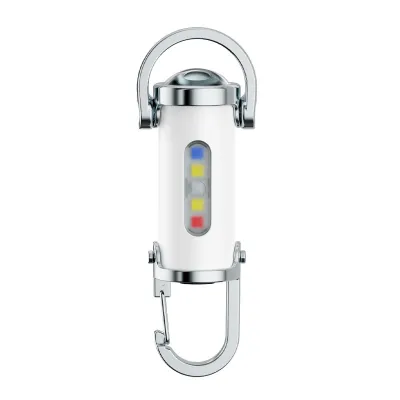
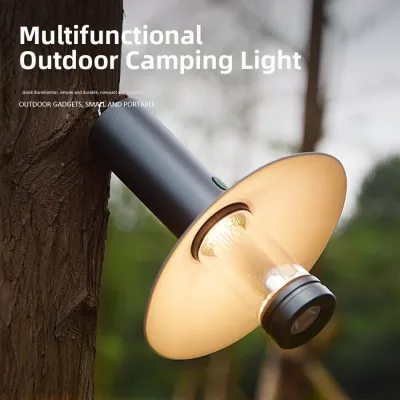
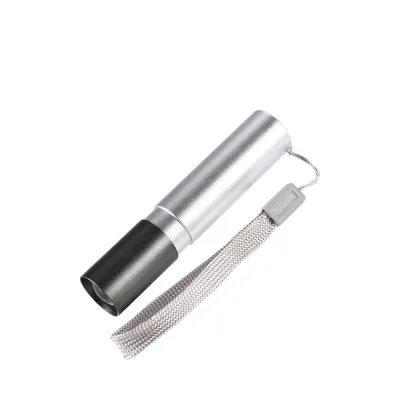
Prices are valid at publication and may change. Please refer to the product page for the latest price.
Why a 3-in-1 Flashlight Suits HDB Emergency Preparedness
Space is a premium commodity in modern Singaporean housing, particularly in newer HDB Build-To-Order (BTO) flats. Traditional emergency planning often recommended storing separate flashlights, area lanterns, and portable power banks, which quickly clutter utility shelves or household shelters. A compact 3 in 1 flashlight eliminates this redundancy by integrating these three distinct utilities into a single, highly portable form factor.
The typical configuration of these multi-functional devices includes a high-intensity directional beam for focused illumination, a diffused side-panel light for ambient area lighting, and a specialized third utility. This third function is often a high-capacity power bank, a magnetic mounting system, or an emergency distress beacon. Having all three capabilities in a single housing ensures that you can handle different phases of an emergency without searching through drawers for multiple tools.
During a power failure, navigating the compact layout of an HDB flat requires specific lighting profiles. A focused directional beam is necessary for safely walking down dark corridors, negotiating stairwells, or inspecting your home’s electrical distribution board (DB box). Once you have identified the issue, switching the device to its diffused area or lantern mode allows you to illuminate an entire room hands-free, minimizing anxiety for young children or elderly family members.
Furthermore, prolonged blackouts require a reliable way to keep your communication channels open. A 3 in 1 flashlight equipped with a power bank function allows you to charge your mobile phone directly from the light’s internal battery. This capability ensures you can stay updated on service restoration times via local news portals, contact the town council or SP Group, and keep in touch with family members throughout the outage.
How to Evaluate Brand Reliability for Emergency Lights
Battery Management Systems (BMS)
The internal battery is the heart of any rechargeable emergency light, making advanced battery management a primary indicator of brand reliability. Reputable brands design their devices with integrated circuitry that prevents overcharging, over-discharging, and short circuits. These protective measures are crucial for maintaining battery capacity over years of storage and preventing dangerous thermal runaway during charging cycles.

Cheaper, unbranded flashlights often lack these sophisticated safety circuits, leading to rapid self-discharge or battery degradation. When left in a drawer for months, an unbranded light may completely lose its charge, rendering it useless when an actual emergency occurs. Reliable brands utilize high-quality lithium-ion or lithium iron phosphate (LiFePO4) cells that retain their charge efficiently over extended periods.
Build Quality and IP Ratings
Singapore’s tropical climate features consistently high humidity levels, which can accelerate the corrosion of internal electronic components. When selecting a brand, look for verified Ingress Protection (IP) ratings on the product packaging. An IP rating indicates how well the device’s seals protect against the entry of dust and moisture, ensuring long-term operational readiness.
For HDB indoor emergency use, a minimum rating of IPX4 (splash resistance) is recommended to protect the device from accidental spills or high humidity. If you also plan to use the flashlight for outdoor activities, look for brands offering IP67 or IP68 ratings, which certify protection against dust ingress and temporary immersion in water. Additionally, verified drop-test ratings (such as survival from a 1-meter or 2-meter fall onto concrete) ensure the device will not shatter if dropped in the dark.
Local Warranty and Support
Purchasing your emergency lighting from brands with established, authorized distributors in Singapore provides an extra layer of security. A local warranty ensures that you can easily access customer support, obtain genuine replacement parts, or exchange a defective unit without dealing with overseas shipping. Authorized local distributors also ensure that the products they import comply with regional safety expectations.
When browsing online marketplaces or local hardware stores, verify whether the seller is an authorized retailer for the brand. Brands that maintain a dedicated local presence typically offer clearer product documentation, more reliable customer service, and longer warranty periods, reflecting their confidence in the product’s lifespan.
Electrical Safety and Certification
Because many 3-in-1 flashlights function as high-capacity USB power banks and charge via mains electricity, verifying their electrical safety is paramount. In Singapore, charging adapters and power-supply units are controlled goods that must carry the Safety Mark issued by Enterprise Singapore. This mark indicates that the charging components have been tested and certified to meet stringent local safety standards.
Before purchasing a rechargeable flashlight system, check that the included wall adapter or charging interface complies with Singapore’s standard voltage of 230V at a frequency of 50Hz. Avoid using unbranded, non-certified charging blocks with your emergency light, as poor voltage regulation can damage the flashlight’s internal battery management system and create a fire hazard.
Trusted 3-in-1 Flashlight Brands for Your Emergency Kit
Established Household and Battery Brands
For homeowners who prefer straightforward, highly accessible emergency tools, established consumer battery and household brands are an excellent starting point. Brands such as Philips and Energizer have spent decades refining consumer-grade portable lighting, prioritizing ease of use and consistent performance. Their products are widely available across Singapore in local supermarkets, home improvement centers, and neighborhood hardware stores.
These legacy brands typically design their 3-in-1 lights with intuitive physical interfaces, making them easy to operate for all household members, including children and the elderly. Rather than incorporating complex digital menus or multi-click button sequences, they often utilize simple slide switches or dedicated buttons for each lighting mode. This design philosophy reduces confusion and operational errors during high-stress situations.
While household brands may not offer the extreme lumen outputs or tactical-grade materials found in specialized outdoor gear, they excel in runtime consistency and shelf-life stability. Many of their models utilize standard, easily replaceable battery formats or robust built-in rechargeable batteries optimized for long-term standby. This makes them a dependable “set-and-forget” option for your HDB household shelter.
Specialized Outdoor and Tactical Brands
If you require maximum durability, exceptional light output, and advanced technical specifications, specialized illumination brands like Nitecore, Fenix, and Olight are industry leaders. These manufacturers focus exclusively on high-performance lighting tools designed to withstand demanding environments. Their products are constructed from premium materials, such as aircraft-grade anodized aluminum and impact-resistant polycarbonates.
Specialized tactical and outdoor brands are renowned for their advanced LED drivers, which deliver constant, flicker-free light output even as the battery depletes. They offer highly adjustable brightness levels, ranging from an ultra-low “moonlight” mode (ideal for conserving battery over several days) to high-intensity beams exceeding 1,000 lumens. This versatility allows you to tailor the light output precisely to your immediate surroundings.
These brands also lead the market in integrating innovative tertiary features. It is common to find models equipped with ultra-strong neodymium tail-cap magnets, heavy-duty pocket clips, and bidirectional USB-C charging ports that support fast-charging protocols. While these premium brands carry a higher price point, their superior build quality, high IP ratings, and extensive warranties make them a worthwhile investment for comprehensive emergency preparedness.
Tech and Portable Power Brands
For modern HDB households integrated into smart home ecosystems, tech-focused consumer electronics brands like Xiaomi, Baseus, and Goal Zero offer highly efficient emergency lighting solutions. These brands excel at merging sleek, minimalist aesthetics with advanced portable power technology. Their designs fit seamlessly into contemporary Singaporean home interiors, making them attractive enough to keep on display rather than hidden in a closet.
The primary strength of these tech-oriented brands lies in their superior battery and power delivery integration. Because they specialize in portable power banks, their 3-in-1 flashlights often feature high-capacity lithium cells with efficient USB-C Power Delivery (PD) inputs and outputs. This allows the flashlight to double as a fast-charging power source for smartphones, tablets, and other essential USB-powered devices during a blackout.
Additionally, these brands frequently incorporate modern user interfaces, such as digital battery percentage displays, stepless dimming wheels, and smart power-saving modes. While they may not feature the rugged, drop-resistant armor of tactical lights, their high battery efficiency, rapid charging capabilities, and multi-device compatibility make them highly practical assets for urban emergency kits.
Choosing the Right "Third Function" for Your Needs
Power Bank Function
When evaluating a 3-in-1 flashlight that includes a power bank, pay close attention to the battery capacity, which is measured in milliampere-hours (mAh), and the output wattage. For a power bank to be truly useful during an HDB power outage, it should have a minimum capacity of 5,000 mAh, which is generally sufficient to provide one full charge to a standard smartphone. Units with 10,000 mAh or higher offer greater peace of mind but will naturally be heavier and bulkier.
Additionally, verify the output specifications of the USB port. Standard USB ports may only output 5W (5V/1A), which results in very slow charging times for modern devices. If rapid charging is a priority for your household, look for brands that offer USB-C ports with at least 10W to 18W output, ensuring your communication devices can be powered up quickly in a crisis.
Magnetic Base and Hooks
Hands-free operation is incredibly useful when dealing with domestic emergencies, such as inspecting a faulty DB box or preparing food during a blackout. A 3-in-1 flashlight equipped with a strong magnetic base can easily adhere to the steel frames of HDB main doors, metal window grilles, refrigerator surfaces, or utility room shelving. This allows you to position the light source overhead or at eye level, directing the illumination exactly where it is needed.
For areas without magnetic surfaces, integrated folding hooks or hanging loops provide an excellent alternative. Suspended from a ceiling fan bracket, a curtain rod, or a door handle, a flashlight in diffused lantern mode can illuminate an entire room uniformly. When evaluating brands, ensure that these magnets and hooks are sturdily integrated into the chassis rather than lightly glued on, as cheap attachments can fail and cause the light to fall.
SOS/Beacon Function
An emergency SOS or beacon function utilizes pre-programmed flashing sequences—often conforming to the international Morse code SOS distress signal—to attract attention. While visual signaling is less critical for day-to-day navigation in a dense HDB estate compared to a remote wilderness, it remains a valuable safety feature. In the event of a medical emergency or physical entrapment during a building-wide crisis, a flashing beacon placed in a window or corridor can guide emergency responders directly to your unit.
Some advanced brands also feature secondary colored LEDs, such as red or blue flashing beacons, which are highly visible through smoke or heavy rain. If you have vulnerable household members, such as elderly relatives living alone, a simple, one-touch SOS beacon function can serve as an easy-to-activate distress signal to alert neighbors or passersby.
Maintenance and Storage Tips for Long-Term Reliability
Battery Health Management
Rechargeable lithium-ion batteries naturally degrade over time, a process that can be accelerated by improper storage and maintenance. To ensure your emergency flashlight is ready when needed, avoid storing the device with a completely depleted battery. If a lithium battery is left at 0% charge for an extended period, its internal safety circuit may trip, rendering the battery incapable of accepting a charge in the future.
Conversely, keeping a lithium-ion battery constantly charged to 100% while stored in a warm environment can also accelerate capacity loss. For optimal longevity, manufacturers generally recommend charging the battery to approximately 50% to 80% of its capacity before long-term storage. Establish a recurring calendar reminder every 3 to 6 months to check the battery level and top it up as necessary.
Optimal Storage Conditions
Singapore’s ambient temperature and humidity present unique challenges for electronics storage. High heat can accelerate battery self-discharge and degrade internal seals, while high humidity can lead to contact oxidation. To mitigate these risks, store your emergency flashlight in a cool, dry, and dark location, away from direct sunlight and heat-generating appliances.
An ideal storage location is inside a sealed, airtight plastic container placed within your HDB household shelter or utility closet. Adding a few food-grade silica gel packets to the container will help absorb any residual moisture, protecting the metal contacts and charging ports from corrosion. Avoid storing the flashlight in areas prone to temperature fluctuations, such as near kitchen hobs or laundry areas.
Routine Operational Checks
An emergency kit is only as good as its last inspection. Incorporate your 3-in-1 flashlight into a semi-annual household safety review. During this check, perform a complete operational test of the device:
- Turn on the directional beam and cycle through all brightness levels to verify LED functionality.
- Switch to the diffused area light to ensure the secondary panel illuminates evenly.
- Test the third function, whether by plugging in a mobile phone to verify power bank output or testing the magnetic hold on a metal surface.
- Inspect the charging port for dust, lint, or signs of corrosion, and clean it gently with a dry cotton swab if necessary.
- Examine the included charging cables for physical wear, cracks, or stiffness in the outer insulation.
If your emergency light utilizes removable alkaline batteries as a backup power source, never store the batteries inside the flashlight chamber for long periods. Alkaline batteries are prone to leaking corrosive potassium hydroxide over time, which can permanently ruin the flashlight’s internal contacts. Store backup batteries in their original packaging alongside the flashlight, and check their expiration dates regularly.
Frequently Asked Questions (FAQ)
Can I leave my 3-in-1 flashlight plugged in all the time?
Whether you can safely leave your 3-in-1 flashlight permanently connected to a charger depends entirely on the quality of its internal battery management system. Reputable, high-end brands design their charging circuits with smart cut-off technology that stops drawing power once the battery reaches 100%, preventing overcharging and heat buildup. For these premium devices, leaving them plugged in is generally safe and ensures they are always fully charged.
However, for budget-friendly or unbranded models, continuous charging can lead to continuous trickle-charging, which degrades the battery cells, causes swelling, and poses a potential fire hazard. Always consult the manufacturer’s user manual for specific guidance on continuous charging and pass-through power safety. For maximum safety and battery longevity across all brands, it is highly recommended to charge the device fully, unplug it, and store it in a cool, dry place.
How many lumens do I need for an HDB power outage?
Because HDB flats are relatively compact and feature light-colored walls that reflect light efficiently, you do not need an extremely high-lumen tactical flashlight for indoor emergencies. In fact, using a light that is too bright (e.g., over 1,000 lumens) in a small room can cause intense glare, leading to eye strain and temporary visual discomfort. For general indoor navigation and tasks, a focused beam of 150 to 300 lumens is more than sufficient.
For ambient area lighting, such as illuminating a living room or kitchen during dinner, a diffused lantern mode outputting 100 to 200 lumens of warm or neutral light is ideal. This level of brightness provides comfortable visibility without blinding family members. When selecting a 3-in-1 flashlight, prioritize models that offer multiple adjustable brightness levels, allowing you to lower the output to conserve battery life during prolonged power outages.
Community discussion
Share your experience or ask a question. Comments are reviewed before publication.