
Selecting the right ceiling lighting is a critical step in setting up a comfortable, functional home, especially when working within the architectural parameters of standard Singapore Housing & Development Board (HDB) flats. With a standard ceiling height of 2.6 meters, finding a fixture that provides adequate illumination without physically or visually dominating the room is a common challenge. A 36w ceiling light serves as an ideal middle ground for standard HDB spaces like bedrooms, kitchens, and studies, offering robust brightness while remaining highly energy-efficient.
However, the success of this lighting choice depends heavily on selecting a fixture with an ultra-slim, low-profile design that preserves precious vertical space. Brands like Philips and Panasonic lead the market in premium optical engineering and reliable long-term performance, while regional players like Opple offer competitive, ultra-thin, smart-enabled alternatives. Understanding how to evaluate these options ensures your lighting enhances your home’s spaciousness rather than restricting it.
Understanding the 2.6m HDB Ceiling Constraint
The standard 2.6-meter ceiling height in modern HDB flats presents a distinct spatial volume that directly influences interior design choices. When a fixture protrudes too far down from a low ceiling, it restricts vertical sightlines and makes the entire room feel smaller and more confined. Bulky dome lights, elaborate semi-flush mounts, and hanging pendant fixtures physically crowd the overhead space, creating visual clutter that disrupts the flow of the room.
Products mentioned in this guide
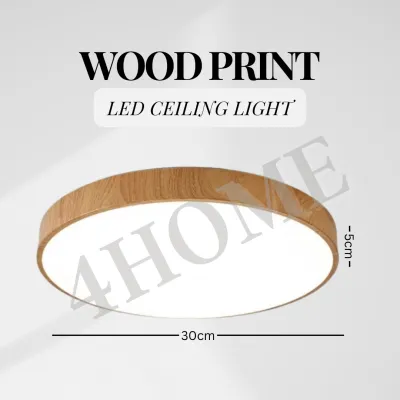
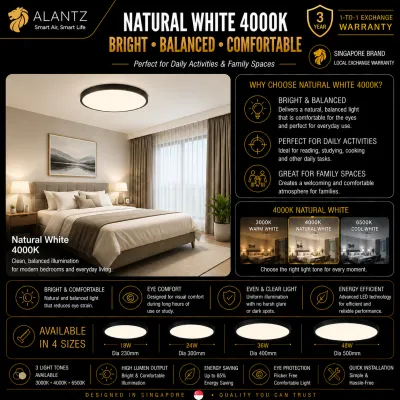
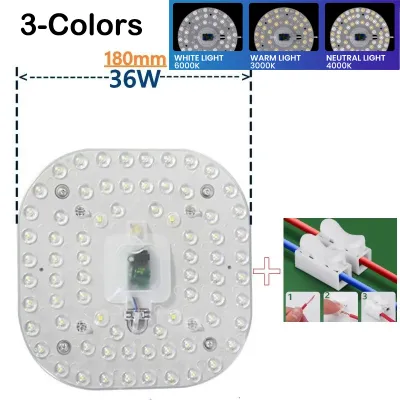
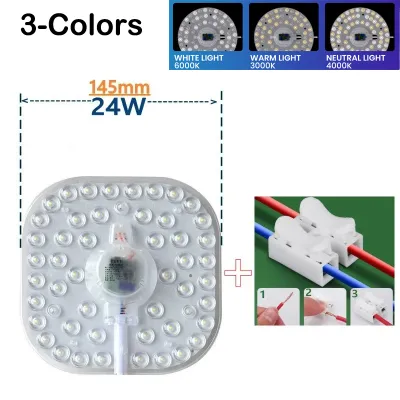
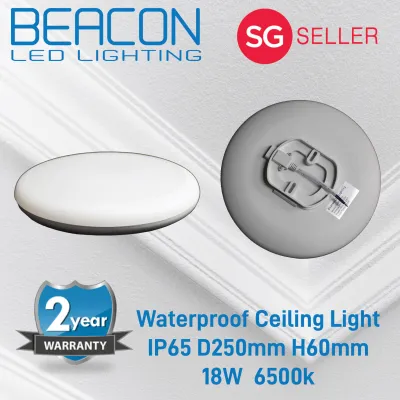
Prices are valid at publication and may change. Please refer to the product page for the latest price.
Beyond aesthetics, low-hanging light fixtures pose practical safety hazards in daily life. Activities such as changing bedsheets, folding laundry, or raising your arms while stretching can easily lead to accidental contact with a low-profile fixture, risking damage to the light or minor injury. In children’s bedrooms equipped with bunk beds, the physical clearance becomes even more critical, making flush-mounted, low-profile fixtures a structural necessity rather than a mere design preference.
Light distribution is another vital factor governed by ceiling height. When a light source is positioned closer to the living plane, the light rays have less vertical distance to spread outward before illuminating the room. A poorly engineered fixture with a narrow beam angle will project a concentrated cone of light directly downward, creating intense glare and harsh hotspots while leaving the upper corners of the walls in deep shadow. This uneven illumination, often called the “cave effect,” visually shrinks the room; therefore, low-profile fixtures must utilize wide-angle diffusion to scatter light evenly across both horizontal and vertical planes.
Key Selection Criteria for a 36W Ceiling Light
To maintain a comfortable clearance and ensure high-quality illumination on a 2.6m ceiling, several technical and physical specifications must be verified before purchasing a 36w ceiling light.

- Fixture Profile (Thickness): For a standard HDB ceiling, the physical thickness of the flush-mount fixture should ideally not exceed 50mm. Ultra-slim models measuring between 15mm and 30mm represent the gold standard, sitting tight against the concrete slab to minimize shadows on the ceiling itself and maximize the room's headroom.
- Optical Design and Diffuser Quality: Direct-lit LED fixtures require a deeper chassis to prevent the individual LED chips from showing through as bright dots. In contrast, edge-lit panels guide light from the sides through a specialized light guide plate, allowing for an incredibly thin profile and a perfectly uniform, glare-free glow. Ensure the diffuser is made of high-quality polymethyl methacrylate (PMMA) or high-grade polycarbonate; cheap polystyrene diffusers degrade rapidly under heat and UV exposure, turning yellow and reducing light transmission over time.
- Color Temperature (CCT): The ideal color temperature depends entirely on the room's function. Warm White (3000K) creates a cozy, restful atmosphere suitable for bedrooms. Cool White (4000K) mimics natural daylight, making it the most balanced option for living rooms, kitchens, and studies where focus is required. Daylight (6500K) provides high-contrast, clinical lighting best reserved for utility yards. Tri-color switchable models allow you to cycle through these three settings using your existing wall switch, offering excellent functional flexibility.
- Glare Control (UGR): Because the light source sits closer to eye level on a 2.6m ceiling, glare can cause significant eye strain over time. Look for fixtures with a low Unified Glare Rating (UGR), preferably below 19, which utilize micro-prismatic diffusers or indirect optical paths to soften the light output.
- Technical and Safety Specifications: Always verify that the fixture is compatible with Singapore's standard residential electrical supply of 220V–240V at 50Hz. If you plan to use a dimmer switch, confirm that the light's internal driver supports your specific dimming method (such as triac or digital dimming) to prevent flickering or buzzing. Finally, ensure the product carries recognized safety certifications, such as the local Safety Mark, which guarantees the electrical components have been tested for safety and compliance.
Reputable 36W Ceiling Light Brands in Singapore
When shopping for a low-profile 36W fixture, several reputable brands are widely available in Singapore. These examples represent reliable market options known for their performance and build quality, rather than an exhaustive or ranked list.
Established Global Lighting Brands
For homeowners prioritizing optical precision, long-term component durability, and robust warranty backing, established global brands like Philips and Panasonic are highly regarded. These manufacturers invest heavily in premium LED chips and driver technology, ensuring consistent lumen output and high color rendering indexes (CRI), typically above 80 or 90, which make colors in your home look natural and vibrant.
One of the primary benefits of choosing a legacy global brand is the superior thermal management engineered into their fixtures. Effective heat dissipation prevents the LED chips from degrading prematurely, ensuring the light maintains its color accuracy and brightness throughout its rated lifespan. Additionally, their diffusers are treated to resist UV yellowing, meaning the fixture will maintain its clean, white appearance for years to come.
However, buyers must still inspect the physical dimensions of individual product lines. While these brands are synonymous with quality, some of their standard 36W models are designed with thicker utility profiles or decorative trims that may exceed the recommended 50mm thickness. Always check the physical specifications of the specific model series rather than assuming all fixtures from a premium brand are ultra-slim.
Value-Driven and Regional Lighting Brands
Homeowners looking for a balance of affordability, ultra-thin modern aesthetics, and smart home integration often turn to regional and value-driven brands like Opple, as well as specialized local lighting retailers. These brands have focused heavily on the high-density residential market, developing ultra-thin, edge-lit LED panels specifically tailored for compact, modern apartments.
A significant advantage of these regional brands is their rapid adoption of smart home ecosystems. Many of their 36W models feature built-in wireless receivers, allowing users to adjust brightness, change color temperatures, and set schedules via smartphone apps or voice assistants. This level of control is highly beneficial in multi-purpose HDB rooms, allowing you to transition a space from a bright home office to a relaxed evening lounge instantly.
While these options offer excellent value, it is essential to purchase them through authorized local distributors to secure a valid local warranty and reliable technical support. Buying parallel-imported models from online marketplaces can carry risks, as they may lack local safety certifications or feature drivers that are sensitive to local voltage fluctuations, leaving you with no recourse if the fixture fails prematurely.
Matching 36W Output to HDB Room Sizes
It is important to distinguish between wattage and actual light output. Wattage measures electrical power consumption, while brightness is measured in lumens. A high-efficiency 36W LED ceiling light typically produces between 2,800 and 3,600 lumens, depending on the manufacturer’s optical design and driver efficiency.
To determine if a 36W fixture is suitable, consider the size and purpose of your HDB rooms:
- Common Bedroom (9 to 11 sqm): A 36W fixture producing approximately 3,000 lumens will provide highly vibrant, bright ambient lighting. This is often more than sufficient, and opting for a dimmable model is highly recommended so you can lower the light intensity when wind-down time approaches.
- Master Bedroom (12 to 15 sqm): A 36W ceiling light serves as the ideal primary light source for this space. It delivers ample illumination to reach the corners of the room and wardrobe areas without feeling overwhelming.
- Study or Home Office (8 to 10 sqm): While a 36W fixture provides excellent, shadow-free ambient light for the room, it should still be paired with a dedicated desk lamp for task lighting. This prevents your body from casting shadows over your desk, protecting your eyes during long hours of work.
Never rely solely on wattage as a guarantee of brightness. Always check the rated lumen output on the product packaging and compare it against your room’s requirements. As a general guideline, residential bedrooms require about 100 to 150 lux (lumens per square meter) of ambient light, while kitchens and task areas benefit from 200 to 300 lux.
Installation Boundaries and Electrical Safety
Before undertaking any lighting installation or replacement in your HDB flat, prioritizing safety and understanding the limits of DIY work is essential.
- Pre-Installation Checks: Always isolate the electrical power at the main distribution board (DB box) by switching off the corresponding circuit breaker, rather than relying solely on the wall switch. Use a certified non-contact voltage tester to verify that the wires at the ceiling point are completely dead before touching them. Inspect the existing ceiling junction box and wiring; look for any signs of brittle insulation, heat damage, or loose connections that need to be addressed before mounting the new fixture.
- Weight and Mounting: Standard HDB ceilings are constructed from solid concrete slabs, which offer a highly stable foundation for mounting fixtures. However, if your home features a renovated false ceiling made of gypsum board, you must take extra precautions. Even lightweight, ultra-thin 36W LED panels require secure anchoring. Never screw directly into plasterboard; instead, ensure the mounting bracket is fastened to the internal metal support studs or secured using heavy-duty hollow-wall butterfly anchors to prevent the ceiling from sagging or the fixture from falling.
- Professional Boundaries: It is vital to understand what tasks you can safely perform yourself versus what requires professional intervention. A direct, like-for-like replacement of an existing surface-mounted ceiling light—where you are simply swapping the fixture using the exact same wiring and mounting point—can be safely completed by a competent homeowner who strictly follows power-isolation and safety protocols. However, if your project involves running new electrical wires, creating new light points, installing smart switches that require neutral wire modifications, or working on exceptionally high or complex ceilings, you must engage a Licensed Electrical Worker (LEW) in Singapore.
- Manufacturer Instructions and Safety Warning: Always check the applied product's label and the treated item's manufacturer instructions before starting any installation. If the instructions conflict with your existing setup, if the ceiling material is unidentified, or if your specific use case is not covered in the manual, stop immediately and consult the manufacturer or a qualified professional electrical worker. Never bypass safety warnings or attempt to modify a fixture's internal driver wiring, as this can void your warranty, damage the product, or pose severe electrical and fire hazards.
Frequently Asked Questions (FAQ)
Is 36W bright enough for an HDB living room?
A standard HDB living room, especially in 4-room or 5-room flats, typically ranges from 18 to 25 square meters. A single 36W ceiling light, which generally outputs between 2,800 and 3,600 lumens, will not be bright enough to serve as the sole light source for the entire space. Because of the 2.6-meter ceiling height, the light cannot spread widely enough before hitting the floor, which will leave the corners of the room in shadow and create a dim, unbalanced environment. For an optimal setup, use the 36W fixture as a central ambient light source and layer it with supplementary lighting, such as recessed downlights, track lights along the walls, or floor lamps in seating areas.
Do I need an electrician to replace my existing HDB ceiling light?
Whether you need an electrician depends on the scope of the replacement. Swapping an existing, functional surface-mounted fixture with a new one of a similar mounting style using the existing wiring is a low-risk task that can be performed by a competent homeowner, provided strict power-off protocols are followed at the main DB box. However, if the replacement requires altering the fixed electrical installation—such as pulling new wires, relocating the light point to a different part of the ceiling, or installing advanced smart switches that require rewiring—Singapore law requires you to engage a Licensed Electrical Worker (LEW) to perform the installation safely and legally.

Community discussion
Share your experience or ask a question. Comments are reviewed before publication.