
To wake a heavy sleeper consistently, specialized alarm clock brands like Sonic Alert (famous for the Sonic Bomb), Clocky, and light-therapy pioneers like Philips and Hatch are the most reliable choices. These brands succeed where standard smartphones fail by utilizing multi-sensory triggers—such as high-decibel sound, physical vibration, runaway movement, and gradual light simulation—to break through deep sleep cycles and combat sleep inertia. Choosing the right brand depends on your specific sleep environment, physical sensitivity, and whether you share your sleeping space with others.
Why Standard Alarms Fail Heavy Sleepers
Sleep inertia is the transitional state between sleep and wakefulness, characterized by temporary grogginess, cognitive decline, and a strong desire to return to sleep. For heavy sleepers, this transition is particularly difficult because they spend longer periods in N3 slow-wave sleep, which is the deepest stage of non-rapid eye movement (NREM) sleep. When an alarm sounds during this deep stage, the brain struggles to rapidly shift gears, leaving the individual highly unresponsive to standard auditory cues.
Alarm habituation, often referred to as “alarm fatigue,” further compounds this issue. The human brain is highly adaptable and excels at filtering out predictable, repetitive sensory inputs to protect sleep. When you use the same smartphone ringtone or basic table clock beep day after day, your auditory cortex eventually classifies the sound as non-threatening background noise. Consequently, your brain simply incorporates the sound into your dreams or ignores it entirely, allowing you to sleep through the alarm without ever waking up.
Products mentioned in this guide
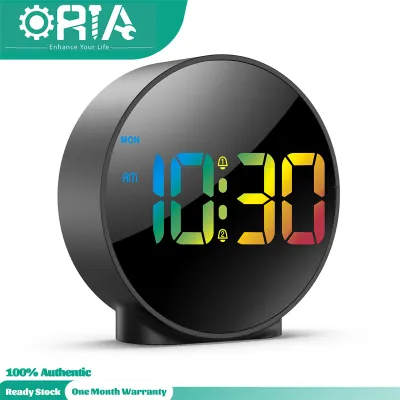
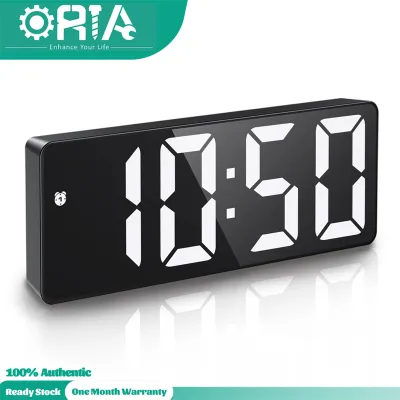
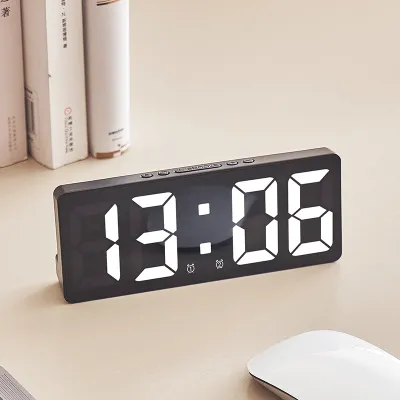
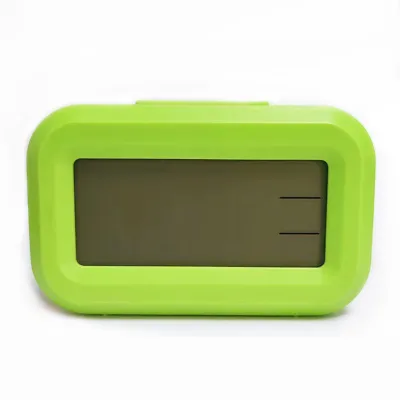
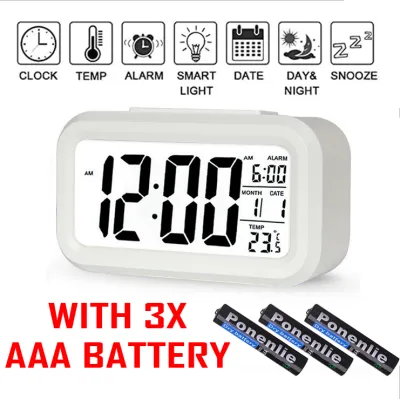
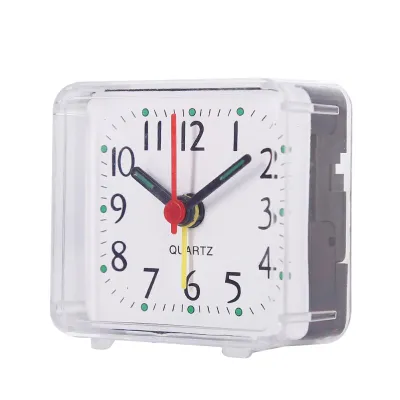
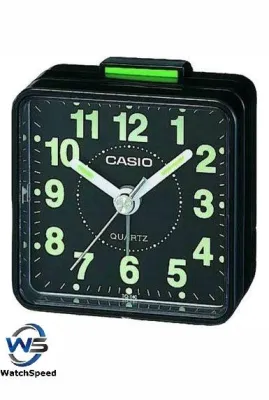
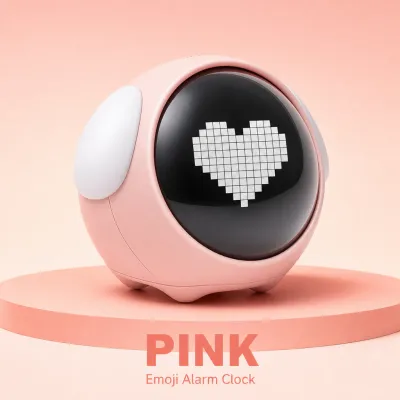
Prices are valid at publication and may change. Please refer to the product page for the latest price.
Standard smartphones and basic bedside clocks are physically limited by their small hardware components. Most mobile device speakers cannot exceed 70 to 80 decibels (dB) without distorting, and their acoustic output lacks the low-frequency resonance needed to penetrate deep sleep. To consistently wake a heavy sleeper, an alarm must deliver multi-sensory stimulation—combining high-decibel audio, physical movement, and visual cues—to activate multiple neural pathways simultaneously and force the brain out of its slow-wave state.
Core Features That Actually Wake Heavy Sleepers
Sonic Volume and Pitch
Raw volume is a primary tool for waking deep sleepers, but pitch and frequency variation are equally critical. High-decibel alarms designed for heavy sleepers typically range from 85 to over 113 dB, which is comparable to the noise level of a live rock concert or a passing motorcycle. However, because the human ear is highly sensitive to frequency changes, the most effective alarms do not just play a steady tone; they utilize sweeping frequencies, harsh mechanical buzzes, and adjustable pitches that prevent the brain from habituating to the sound.

Tactile Feedback
Tactile stimulation bypasses the auditory system entirely, making it an invaluable feature for heavy sleepers and those with hearing impairments. This is primarily achieved through bed shakers or vibrating pucks—small, motorized devices connected to the alarm clock via a cable or wireless connection. When the alarm triggers, the puck vibrates violently under your pillow or mattress, physically shaking your body to stimulate the somatosensory cortex and force wakefulness without relying solely on loud noise.
Visual Stimuli
Visual cues leverage your body’s natural circadian rhythm to ease the transition out of deep sleep. High-intensity strobe lights, built into some heavy-duty alarm clocks, flash rapidly to penetrate closed eyelids and startle the brain awake. Alternatively, gradual sunrise simulators use light therapy to mimic a natural dawn, slowly increasing light intensity (measured in lux) over 20 to 40 minutes. This gradual exposure suppresses the production of melatonin (the sleep hormone) and encourages the release of cortisol, preparing your body to wake up naturally before any audio alarm sounds.
Physical Engagement
One of the most effective ways to combat sleep inertia is to force physical and cognitive engagement. Specialized alarms achieve this by requiring you to perform a physical task to silence the device. This may involve chasing a clock that rolls off your nightstand, solving a mental puzzle, or standing on a pressure-sensitive mat next to your bed. By forcing you to get out of bed and engage your muscles and brain, these devices prevent you from mindlessly hitting the snooze button and falling back into a deep sleep.
Power Reliability
An alarm clock is only useful if it remains powered throughout the night. In Singapore, where localized power trips can occasionally occur due to household appliance overloads, dual power sources are a non-negotiable safety feature. When purchasing an alarm clock, verify that it operates on standard mains power (compatible with Singapore’s 230V/50Hz electrical grid and ideally carrying the Enterprise Singapore Safety Mark) and features a robust battery backup system. A backup battery (typically a 9V or multiple AA batteries) ensures that even if the main power fails, the clock maintains its internal time and triggers the alarm on schedule.
Leading Alarm Clock Brands and Technologies for Deep Sleepers
Sonic Alert: High-Decibel Audio and Bed Shakers
Sonic Alert is a leading brand in the heavy-sleeper market, famous for its “Sonic Bomb” product line. These devices are specifically engineered to combine extreme acoustic volume with powerful physical vibration. The core technology pairs a highly adjustable audio alarm—capable of reaching a piercing 113 dB—with a heavy-duty, wired vibrating shaker puck that you place beneath your pillow or mattress protector.
When purchasing a Sonic Alert device, it is essential to check the product specifications on the packaging or manufacturer’s sheet to verify the exact decibel rating and shaker motor strength, as entry-level models may offer lower intensity. The primary trade-off of this system is its sheer power; a 113 dB alarm can easily penetrate walls and disturb family members, housemates, or close neighbors in high-density housing. Consequently, you must carefully calibrate the volume and vibration settings to find the minimum level required to wake you without causing unnecessary disruption to your household.
Clocky: Runaway Alarms for Physical Engagement
Clocky is a unique brand that addresses sleep inertia through physical movement and cognitive engagement. When the alarm triggers, the device does not just beep; it uses its heavy-duty, rugged wheels to roll off your bedside table (capable of surviving drops from up to 3 feet high) and run away, moving in random directions across your bedroom floor while emitting a loud, chaotic, R2-D2-like sound pattern.
Before choosing a Clocky, you must evaluate your bedroom flooring. These runaway devices require hard, flat surfaces—such as parquet, vinyl, laminate, or ceramic tiles—to roll effectively. They do not perform well on thick, plush carpets, which can jam the wheels or restrict movement. Because Clocky forces you to physically get out of bed, bend down, and chase the device to turn it off, it relies on physical exertion and spatial awareness to clear the brain of sleep fog rather than relying purely on deafening volume.
Philips and Hatch: Sunrise Simulation and Light Therapy
For heavy sleepers who react poorly to abrupt, stressful noise, brands like Philips and Hatch offer a gentler, circadian-aligned alternative. These brands specialize in sunrise simulation, utilizing high-quality LED arrays to gradually transition from a deep red to a bright, warm yellow. This process mimics the natural light spectrum of a rising sun, signaling to your brain’s suprachiasmatic nucleus that it is time to wake up.
This light-therapy approach is highly effective for individuals who wake up feeling chronically groggy or disoriented, as it aligns your hormone levels before you open your eyes. However, for extreme deep sleepers who are completely unresponsive to light, sunrise simulation alone may not be sufficient. In these cases, light therapy should be paired with a secondary tactile or high-decibel alarm. When shopping for these devices, verify the maximum lux output (aim for at least 300 lux for effective melatonin suppression) and ensure the companion app or interface allows you to customize the duration of the light fade-in.
Wearables and Specialty Haptic Alarms
Wearable devices, including smartwatches, fitness trackers, and dedicated haptic bands, offer a highly personalized, silent waking solution. These devices sit directly against your skin, utilizing built-in haptic motors to deliver localized, pulsing vibrations to your wrist when it is time to wake up. Because the vibration is confined to your body, it provides a direct physical wake-up call without generating any ambient room noise.
If you choose a wearable alarm, you must verify several practical specifications before purchase:
- Strap Comfort: Ensure the strap is made of breathable, hypoallergenic material (such as medical-grade silicone or woven nylon) that remains comfortable during hot, humid Singapore nights.
- Battery Life: Confirm the device has sufficient battery life to run continuous sleep tracking and haptic alarms without needing daily charging.
- Smart Wake Features: Check if the companion application supports smart wake algorithms, which monitor your movement and heart rate to trigger the vibration during your lightest sleep phase within a set time window.
Matching the Alarm Type to Your Sleep Environment
Shared Rooms and Partners
If you share a bed or a bedroom with a partner who is a light sleeper, using a 100+ dB sonic alarm is highly disruptive and impractical. In these shared environments, localized tactile feedback and light therapy are vastly superior. A bed shaker placed directly under your side of the mattress, a wearable haptic wristband, or a directional sunrise simulator can successfully wake you without disturbing your partner’s sleep cycle.
Compact Bedrooms (e.g., HDB Rooms)
In Singapore, many residents live in HDB flats or apartments with compact bedroom layouts and structural concrete walls. Concrete is highly reflective acoustically, meaning high-decibel sounds will bounce off the walls, amplifying the perceived volume and creating a harsh, disorienting echo chamber. This acoustic reflection can make a loud alarm feel incredibly stressful and may cause noise to travel through shared walls to neighboring units. For compact rooms, it is highly recommended to use directional audio, lower volume settings paired with a bed shaker, or runaway physical alarms rather than raw sonic blasts.
Hearing Impairments
For individuals with profound hearing loss or those who sleep without their hearing aids, auditory alarms are completely ineffective. If you fall into this category, you must rely on a combination of high-intensity bed shakers and rapid, flashing strobe lights. These dual sensory inputs target your tactile and visual senses, providing a reliable, safe, and independent way to wake up on time.
Renters and Thin Walls
If you live in a rented room or an older apartment building with thin partition walls, maintaining good neighborly relations is a key consideration. To avoid noise complaints while still ensuring you wake up on time, prioritize physical engagement alarms (like Clocky) or localized vibration (like bed shakers and wearables). These technologies focus their energy directly on you or require physical movement to turn off, resolving your sleep inertia without broadcasting loud noise through the walls.
Setup, Placement, and Maintenance for Consistent Waking
Strategic Placement
To maximize the effectiveness of your alarm clock, place it across the room, far out of arm’s reach from your bed. This physical distance forces you to stand up and walk to turn it off, which immediately increases your heart rate and helps clear sleep inertia. However, ensure the clock is placed on a stable, secure surface where it cannot easily be knocked over (unless it is designed to roll, like Clocky) and make sure the path from your bed to the clock is completely clear of clutter to prevent tripping hazards in the dark.
Shaker Safety
When installing a bed shaker or vibrating puck, always follow the manufacturer’s specific guidelines regarding placement. Most brands recommend placing the puck under your pillowcase or directly beneath a thin mattress protector. Avoid placing the shaker deep under a thick, heavy mattress, as this can restrict the motor’s movement, causing it to work harder, vibrate less effectively, and potentially overheat. Additionally, ensure the connecting cable is routed safely along the bed frame without being pinched, stretched, or bent at sharp angles, which can damage the internal wiring over time.
Power Management
To guarantee your alarm works during an unexpected power disruption, you must actively manage its backup power source. Install a fresh, high-quality backup battery when you first set up the clock, and establish a routine to test and replace this battery at least once every six months. During a power trip, the backup battery will prevent the clock’s internal microchip from resetting to default factory times, ensuring your programmed alarms remain active and accurate.
Routine Maintenance
Specialized alarm clocks require basic, regular maintenance to preserve their performance and longevity:
- Light Therapy Screens: Wipe down the light diffuser screen of your sunrise simulator once a month with a dry, anti-static microfiber cloth. Accumulated dust can block light transmission, reducing the maximum lux output and weakening the circadian waking effect.
- Wired Connections: Periodically inspect the wired connections on your bed shaker or power adapter. Look for signs of fraying, cracking, or loose jacks, especially if you regularly adjust your bed frame or move your pillows.
- Wheel Cleaning: For runaway clocks like Clocky, regularly check the wheels and axles for wound-up hair, dust, or fibers, which can jam the motor and prevent the device from rolling smoothly across your floor.
Frequently Asked Questions (FAQ)
Can a sonic alarm clock damage my hearing?
Yes, brief exposure to extremely loud sounds can be harmful if the source is too close to your ears. While a 113 dB alarm is highly effective at waking deep sleepers, placing a high-decibel speaker directly next to your head on a bedside table can risk acoustic trauma or long-term hearing damage. To use these devices safely, always position the alarm clock at least an arm’s length (approximately one meter) away from your head, and start by calibrating the device to the lowest volume level that successfully wakes you.
Do bed shaker alarms work through thick memory foam mattresses?
Dense memory foam is specifically engineered to absorb motion and energy, which means it will significantly dampen the vibrations of a bed shaker puck. If you have a thick memory foam mattress, placing the vibrating puck underneath the mattress will render it ineffective. Instead, you should place the shaker directly under your pillow, inside your pillowcase, or between the top of the mattress and a tight-fitting mattress protector to ensure the physical vibrations are transferred directly to your body.
Are smart home speakers reliable enough for heavy sleepers?
While smart home speakers offer highly customizable routines, gradual volume increases, and the ability to play your favorite high-energy music, they are generally not reliable enough as a primary alarm for extreme heavy sleepers. Smart speakers lack the specialized high-decibel hardware, high-intensity strobe lights, and physical bed shakers found in dedicated heavy-sleeper alarms. Furthermore, they rely heavily on a continuous internet connection and local Wi-Fi networks, and most models lack a physical battery backup, meaning they will fail completely if your internet router disconnects or your home experiences a brief power trip.
Community discussion
Share your experience or ask a question. Comments are reviewed before publication.