
To refresh your home style with beige cushion covers, look to minimalist brands like MUJI for organic, unbleached textures; global contemporary retailers like IKEA, Crate & Barrel, and West Elm for versatile, standardized designs; and independent boutique labels for unique, handwoven artisanal options. Selecting the perfect cushion cover beige palette allows you to transform your living space into a calm, cohesive sanctuary without replacing your major furniture pieces.
By focusing on the subtle interplay of undertones, fabric textures, and quality construction, you can easily elevate your sofa, armchair, or bed styling. Understanding how different materials interact with your existing decor and lighting is the key to making an informed, lasting purchase.
Why Beige Cushion Covers Are a Styling Staple
Beige is far from a default or uninspired choice; in interior design, it serves as a powerful grounding neutral. Visually, beige has a lower contrast level than stark white or deep charcoal, which allows the eyes to rest. Psychologically, it evokes feelings of warmth, stability, and organic comfort. By introducing beige into your seating areas, you create an inviting atmosphere that feels both curated and relaxed, making it an ideal base for any living room refresh.
Products mentioned in this guide
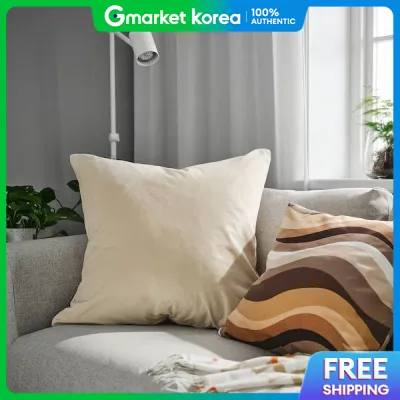
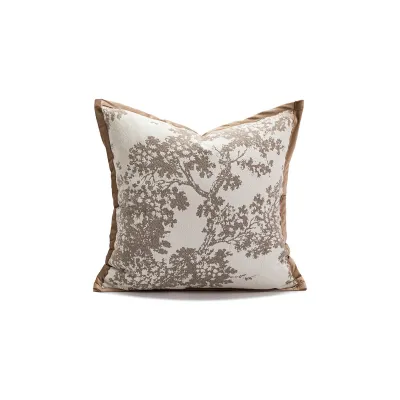
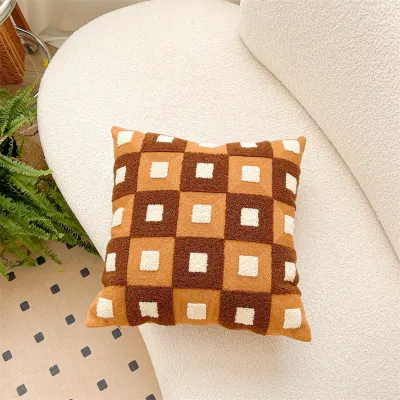
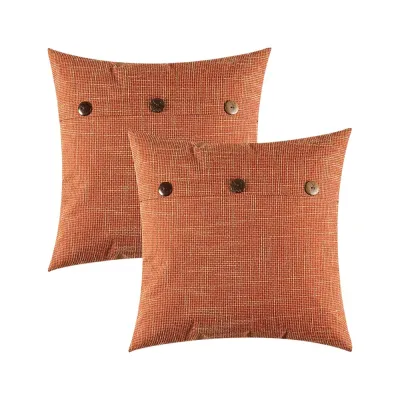
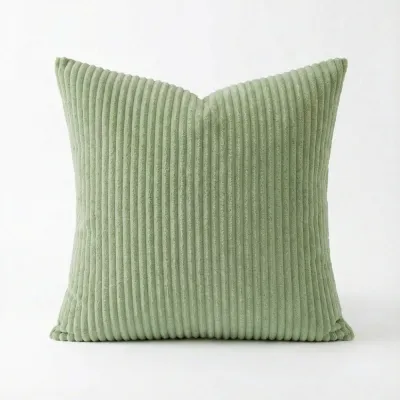
Prices are valid at publication and may change. Please refer to the product page for the latest price.
This versatile hue acts as a bridge between highly diverse design styles. If your home leans toward the clean lines of Scandinavian or Japandi design, beige provides the essential warmth needed to keep minimalist spaces from feeling clinical. For Bohemian or eclectic interiors, it offers a calming backdrop that prevents vibrant patterns and global textiles from overwhelming the room. In Modern Contemporary spaces, beige softens the sharp profiles of metal, glass, and polished stone.
To make beige truly successful, you must move beyond flat, uniform applications. A single, smooth beige fabric across multiple cushions can look washed out and lifeless. The secret lies in layering different tones—such as cream, sand, oatmeal, and taupe—and relying on varied fabric textures. This approach creates soft shadows and highlights across your furniture, adding depth and sophisticated visual interest without relying on loud colors.
How to Choose the Right Beige Tone and Material
Selecting the right beige cushion cover requires an eye for undertones, as these subtle shades dictate how well the cushion coordinates with your room’s existing elements. Warm beige options feature yellow, peach, or pink undertones, making them excellent companions for warm wood species like teak or oak, as well as off-white walls. Cool beige, often referred to as greige or taupe, contains gray or blue undertones that pair beautifully with modern concrete finishes, cool gray walls, and minimalist steel fixtures. Neutral oatmeal or flaxen tones offer a balanced, organic look that sits comfortably between warm and cool palettes.

Fabric choice fundamentally alters how a beige tone is perceived and how it performs in daily use:
- Linen: Offers a relaxed, slubby texture with natural variations in the weave. It is highly breathable and perfect for creating an effortless, casual aesthetic.
- Cotton: Provides a crisp, matte finish that is highly durable and easy to clean, making it a practical choice for high-traffic family spaces.
- Velvet: Introduces a luxurious, light-reflective quality. The pile of velvet catches the light at different angles, making a solid beige cushion look dynamic and multi-tonal.
- Bouclé and Chunky Knits: Feature raised loops and heavy tactile textures that bring immense physical warmth and visual depth to a smooth leather or fabric sofa.
Lighting conditions in Singapore homes play a massive role in how these colors manifest. The intense, direct daylight of a tropical afternoon can wash out pale beige tones, while the deep balconies of high-rise apartments often cast cool, blue-toned shadows into living rooms, making warm beige look slightly muddy. Furthermore, artificial indoor lighting shifts these tones dramatically; warm white LED bulbs (2700K to 3000K) will intensify yellow undertones, whereas cool white bulbs (4000K) can make beige look flat or grayish. Always check a brand’s return policy or fabric swatch availability to ensure your chosen covers look correct under your specific lighting setup.
Reliable Brand Categories for Beige Cushion Covers
Navigating the market is easier when you categorize brands by their design philosophy and material focus. This helps you target the exact style and price point that matches your home refresh goals.
Minimalist and Japandi-Focused Brands
Minimalist brands focus on simplicity, functional design, and natural materials. Japanese lifestyle brand MUJI, along with local Singaporean design studios specializing in the Japandi aesthetic, are excellent sources for this look. These brands prioritize unbleached, organic cotton, washed linen, and natural hemp fibers that showcase the beauty of raw textiles.
Rather than relying on bold patterns or high-contrast prints, these labels elevate beige through subtle construction details. You will find exquisite tonal variations, delicate fringing along the borders, and visible slub textures in the weave. These covers are ideal for creating a serene, uncluttered environment where the focus is on tactile comfort and organic simplicity.
Contemporary and Global Home Brands
For those seeking trend-driven textures and reliable availability, global home retailers like IKEA, Crate & Barrel, and West Elm offer extensive collections. These brands excel at translating high-end interior trends—such as heavy bouclé, geometric quilted patterns, and rich cotton velvets—into accessible, standardized products.
One of the primary advantages of sourcing from major global brands is sizing consistency. Their covers are manufactured to exact, standardized dimensions (typically 50x50cm or 40x65cm), making it incredibly easy to swap covers while reusing your existing cushion inserts. Their seasonal collections also allow you to transition your decor smoothly throughout the year, offering lighter linen-cotton blends in the dry months and heavier, cozy textures during the monsoon season.
Artisan, Sustainable, and Boutique Labels
If you want to add a unique, bespoke touch to your living space, independent boutique labels and artisan platforms are the ideal choice. These brands often collaborate with global weavers to produce handwoven textiles, delicate hand-block prints, and covers made from sustainably sourced or recycled fibers.
These artisanal pieces are perfect for layering into a bohemian, transitional, or highly personalized space. Because they are often produced in small batches, they offer a level of individuality that mass-market brands cannot replicate. When purchasing from boutique labels, it is important to verify their material origins, check for genuine sustainability certifications, and carefully read the care instructions, as hand-dyed or handwoven fabrics often require delicate hand-washing or professional dry cleaning.
Styling Tips: Pairing Beige Cushions with Your Existing Decor
Integrating beige cushions into your current setup requires a strategic approach to layering, contrast, and arrangement to ensure the final look feels intentional and professionally styled.
To master monochromatic layering on a neutral sofa, mix different fabric weights and textures rather than matching everything perfectly. For example, place a smooth, matte cotton beige cover next to a highly textured cream bouclé cushion, and finish the look with a slubby oatmeal linen lumbar cushion. This variation in texture creates subtle shadows that give a solid-colored sofa a sophisticated, multi-layered appearance.
If you have dark furniture, beige cushions are excellent tools for softening the overall visual weight. On a deep charcoal gray fabric sofa, a navy blue sectional, or an armchair with a dark walnut wood frame, placing light sandy beige or warm oatmeal cushions creates a striking, high-contrast focal point. This lifts the visual temperature of the room and prevents dark furniture from making the space feel cramped or gloomy.
When mixing patterns, keep the color palette unified to maintain a cohesive look. Pair a solid beige cushion cover with a subtle cream-and-beige striped cover, a low-contrast botanical print, or a tonal geometric design. By keeping the colors consistent and varying only the pattern scale, you create visual interest without introducing chaotic or clashing elements.
For a professional arrangement, utilize the rule of odd numbers and vary your cushion sizes. On a standard three-seater sofa, an arrangement of three or five cushions works best. Place two large square cushions (such as 50x50cm) in the back corners to serve as anchors, layer slightly smaller square cushions (45x45cm) in front of them with different textures or subtle patterns, and complete the arrangement with a single rectangular lumbar cushion (30x50cm) in the center. This staggered layout creates a dynamic, inviting flow across your seating.
What to Check Before Buying: Sizing, Closures, and Care
To avoid shopping errors and ensure your new cushion covers stand up to daily use, verify several technical specifications before making a purchase.
First, pay close attention to sizing and fit. The most common standard sizes are 45x45cm and 50x50cm. To achieve a plump, luxurious, high-end look, professional stylists use the “size up” trick: pair your cushion cover with an insert that is slightly larger. For instance, if you purchase a 45x45cm cushion cover, fill it with a 50x50cm insert. If you are using a 50x50cm cover, opt for a 55x55cm insert. This ensures the corners of the cover are fully filled and prevents a saggy, deflated appearance.
Next, examine the closure type, which affects both the aesthetic and ease of maintenance:
- Hidden Zippers: Provide a clean, seamless edge, keeping the insert completely enclosed. Ensure the zipper is color-matched to the beige fabric and check that the stitching around the zipper track is reinforced to prevent tearing during cover removal.
- Envelope Closures: Feature overlapping fabric flaps at the back. They are incredibly easy to slip on and off and have no mechanical parts to break, but they can gap or sag if the inner insert is too thick or overstuffed.
Care instructions are critical, particularly for light-colored fabrics like beige that show dirt more readily than darker tones. Check the manufacturer’s label for washing guidelines. Natural fibers such as unwashed linen and cotton can shrink by up to 5% if washed in hot water or tumble-dried on high heat. If you have a busy household with pets or children, prioritize machine-washable cotton blends or stain-resistant synthetic fabrics. For delicate textures like bouclé, wool blends, or silk-velvet, be prepared for dry cleaning or gentle hand-washing.
Finally, verify insert compatibility. Most online retailers sell cushion covers and inserts separately. Read the product description carefully to confirm if you are purchasing the cover only. If you need to buy inserts, consider the filling material. Duck feather inserts offer a luxurious, heavy feel and can be easily “chopped” for a styled look, but they require regular fluffing and can trap moisture in humid climates. Polyester fiberfill inserts are hypoallergenic, hold their shape consistently, and are generally machine-washable, making them highly practical for everyday use.
Frequently Asked Questions (FAQ)
How do I prevent beige cushion covers from looking dull or dirty?
To keep your light-colored covers looking fresh, vacuum them weekly using your vacuum cleaner’s upholstery attachment to remove dust, pet dander, and loose fibers. Address spills immediately by blotting them with a clean, white microfiber cloth; never rub, as this pushes the stain deeper into the fabric fibers. For high-traffic living areas, choose beige fabrics that have been treated for stain resistance, or opt for durable, machine-washable cotton and synthetic blends that can handle regular washing cycles.
What color sofa goes best with beige cushion covers?
Beige cushion covers are incredibly versatile and complement a wide variety of sofa colors. They soften the look of deep navy blue, charcoal gray, and forest green fabric sofas, creating a balanced, high-contrast aesthetic. They also pair beautifully with rich cognac or dark brown leather, adding a soft, textural counterpoint to the smooth, sleek hide. When pairing beige cushions with a white, cream, or light gray sofa, focus on matching the undertones (e.g., pairing warm sandy cushions with a warm cream sofa) and layering heavy textures to prevent the look from becoming washed out.
Should I buy beige cushion covers with or without inserts?
Buying covers only is generally more cost-effective, saves storage space, and allows you to reuse high-quality inserts you already own. It also gives you access to a much wider variety of premium designs and fabrics from specialized boutique brands. On the other hand, purchasing a complete set (cover and insert together) offers maximum convenience, guarantees a perfect fit, and ensures the cushion has the exact level of fluffiness and support intended by the manufacturer.

Community discussion
Share your experience or ask a question. Comments are reviewed before publication.