
When a sudden power outage hits a high-rise Housing & Development Board (HDB) flat in Singapore, the immediate transition from bright fluorescent lighting to absolute darkness can be disorienting. While Singapore’s electrical grid is remarkably stable, localized blackouts due to domestic appliance short circuits, distribution board (DB) trips, or localized maintenance works still occur. In these moments, relying solely on a smartphone flashlight is a short-sighted strategy that drains your primary communication device.
Outdoor camping lanterns offer an exceptional alternative, providing hands-free, wide-area illumination that can keep an entire household functional. However, selecting the right brand for emergency preparedness requires shifting your perspective from trail-ready ruggedness to indoor safety, storage convenience, and long-term battery reliability. Trusted brands such as Goal Zero, Claymore, Nitecore, Black Diamond, and Coleman offer distinct advantages depending on whether your priority is high battery capacity, compact storage, or dry-battery convenience.
Adapting Outdoor Camping Lanterns for HDB Power Outages
Using a camping lantern inside an HDB flat is fundamentally different from using it in the wilderness. In the open air, light disperses rapidly into the darkness, requiring high-intensity beams or heavy-duty omnidirectional floodlights to illuminate a campsite. Indoors, the physics of light changes entirely. Typical HDB flats feature light-colored or white painted plaster walls and ceilings. These light surfaces act as natural reflectors, bouncing and multiplying the light throughout the room. Consequently, an extremely high lumen output is not only unnecessary but can also cause uncomfortable glare in enclosed spaces. A lantern with moderate brightness and excellent diffusion is far more effective.
Products mentioned in this guide
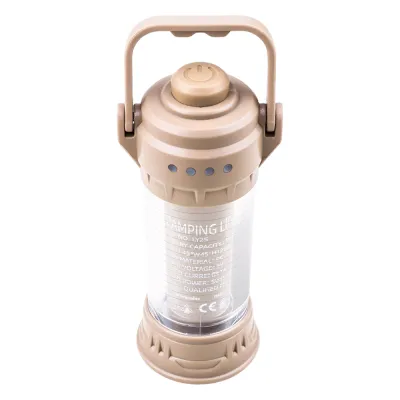
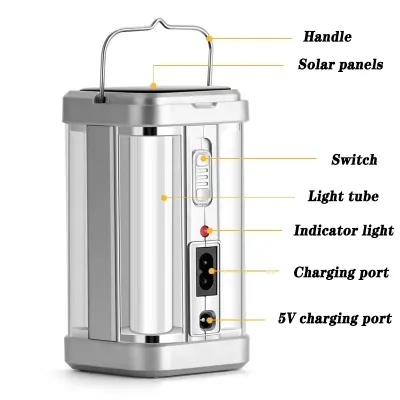
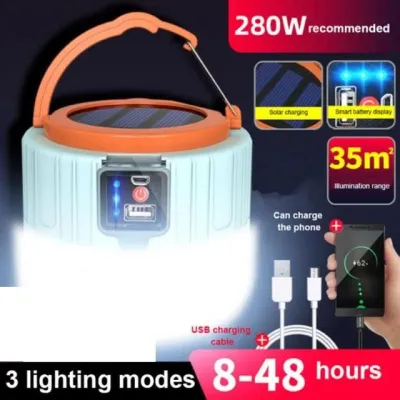
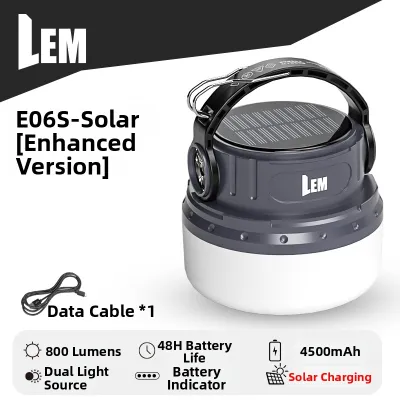
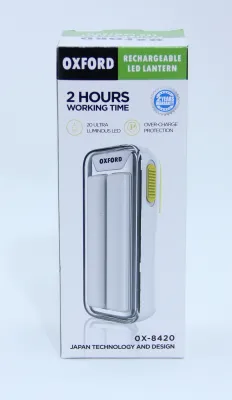
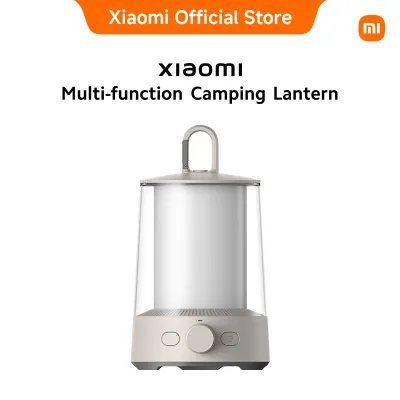
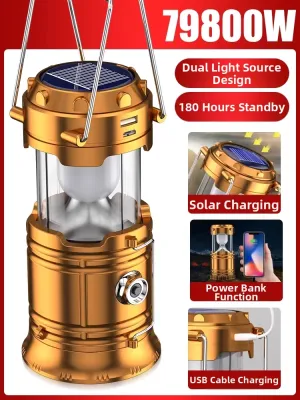
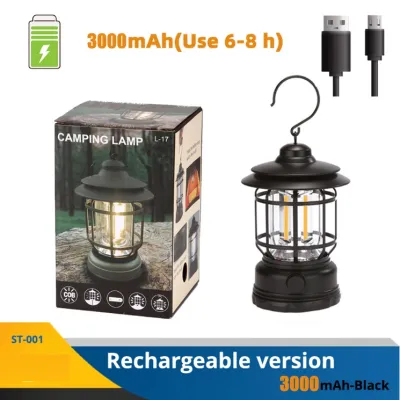
Prices are valid at publication and may change. Please refer to the product page for the latest price.
Furthermore, the environmental demands of an indoor emergency are far less severe than those of outdoor survival. While a wilderness camper requires extreme waterproofing (such as IPX7 or IPX8 ratings) to withstand torrential downpours, an HDB resident can deprioritize high-level water resistance. Instead, household emergency lighting must prioritize physical stability and thermal safety.
Because emergency lights are often placed on dining tables, kitchen countertops, or shelves, a wide, non-slip base is essential to prevent accidental tipping. Additionally, because these devices operate in close proximity to family members, low heat emission is critical. Modern LED lanterns remain cool to the touch even after hours of continuous operation, eliminating the fire hazards and burn risks associated with older halogen or fuel-based lighting. Glare reduction, achieved through frosted globes or built-in diffusers, ensures that the light remains comfortable for extended periods without causing eye strain.
Key Features to Evaluate for Indoor Emergency Lighting
To build a truly reliable emergency kit for your apartment, you must evaluate several practical technical dimensions before making a purchase.

Power Source Compatibility
How your lantern draws power dictates its readiness during an unexpected blackout. Rechargeable lithium-ion models are highly convenient and cost-effective for regular use, matching the USB-C charging infrastructure already present in most Singaporean households. However, they require proactive maintenance to ensure they do not sit completely drained in a drawer.
Conversely, lanterns powered by standard disposable alkaline batteries (such as AA, AAA, or D-cells) offer a reliable “set-and-forget” option, provided you store the batteries separately to prevent chemical leakage.
Brightness and Diffusion
When evaluating brightness, look beyond raw lumen numbers. For indoor emergency use, a lantern with adjustable brightness levels and a high-quality diffuser is invaluable. Opaque or frosted globes scatter the light evenly, eliminating harsh shadows and blinding hotspots.
Color temperature options are also highly beneficial. While cool white light (around 5000K to 6500K) is useful for task-oriented situations like inspecting your home’s DB box, warm white light (around 2700K to 3000K) creates a calmer, more comfortable environment for family members waiting out a power failure. Note that these color temperature settings are purely subjective preferences for comfort rather than absolute measures of a lantern’s technical performance.
Form Factor and Storage
Space is at a premium in modern HDB flats. A bulky, awkwardly shaped lantern can easily become a nuisance when stored in utility cabinets, household shelters (bomb shelters), or shallow drawers. Look for compact, collapsible, or stackable designs. Many modern lanterns feature collapsible bellows or folding legs that allow them to shrink to a fraction of their operating size, making them easy to store alongside essential household tools.
Secondary Functions and Electrical Safety
During a prolonged power outage, keeping your communication lines open is a priority. A camping lantern that doubles as a power bank—equipped with a USB-A or USB-C output port—can keep your mobile phones or small USB-powered personal fans running.
When choosing a model with power bank capabilities, always verify the electrical specifications. Check the input and output voltages (typically 5V for standard mobile charging) and ensure the wattage limits match your devices. It is highly recommended to use charging cables and wall adapters that carry recognized electrical safety certifications, such as the Singapore Safety Mark, to prevent short circuits or battery damage during recharging cycles.
Reliable Camping Lantern Brand Categories for HDB Flats
To help you navigate the market, reliable camping lantern brands can be organized into three distinct categories based on their design philosophy, power systems, and intended utility.
High-Capacity & Multi-Function Brands
Brands like Goal Zero and Claymore specialize in heavy-duty, high-capacity lighting solutions designed to serve as comprehensive power hubs during extended outages.
- Design and Capabilities: These brands typically feature large-capacity lithium-ion or lithium iron phosphate (LiFePO4) batteries, often ranging from 5,000 mAh to over 12,000 mAh. They are built with robust housings and offer multiple output ports to charge external devices. Their light output is highly adjustable, featuring sophisticated dimming interfaces and multiple color temperature modes.
- HDB Suitability: They are ideal for households preparing for extended blackouts or those who want a single, powerful device that can light a large living room while keeping multiple mobile phones charged.
- Limitations and Considerations: High-capacity lanterns are physically heavier and have a larger storage footprint. They also represent a higher financial investment, with prices in Singapore typically ranging from S$80 to over S$200.
- Verification Checks: Before purchasing, verify the actual USB output current (look for at least 5V/2.1A or USB Power Delivery compatibility) to ensure it can charge modern smartphones efficiently. Additionally, check the manufacturer's specified recharge time; high-capacity batteries can take several hours to charge fully from a standard USB wall outlet.
Compact & Professional-Grade Brands
Brands such as Nitecore, Black Diamond, and Ledlenser are highly regarded for their engineering precision, offering high brightness-to-size ratios and advanced LED efficiency.
- Design and Capabilities: These brands utilize cutting-edge LED emitters and highly efficient driver circuits to produce intense, clean light from remarkably small bodies. They often feature versatile mounting options, such as magnetic bases, folding hooks, and tripod threads, allowing you to position the light precisely where it is needed.
- HDB Suitability: These compact lanterns are perfect for space-conscious households. They can be tucked away easily in a DB box cabinet, a bedside drawer, or a compact emergency grab-bag. Their advanced diffusers provide highly uniform light, making them excellent for reading or performing delicate tasks during an outage.
- Limitations and Considerations: To maintain their small form factor, these lanterns use smaller internal batteries (typically between 1,500 mAh and 4,000 mAh). While they provide ample runtimes on low or medium settings, using them on maximum brightness or attempting to charge external devices will deplete their power rapidly.
- Verification Checks: Verify the thermal management features of these compact models. High-output LEDs packed into small bodies can generate noticeable heat. Reliable professional brands incorporate automatic thermal step-down circuitry that lowers the brightness if the internal temperature exceeds safe limits, protecting both the battery and the user.
Accessible & Dry-Battery Compatible Brands
For households that prefer a traditional, low-maintenance emergency setup, mainstream brands like Coleman and Energizer offer dependable, widely compatible options.
- Design and Capabilities: These brands focus on simplicity and accessibility, with many of their primary models running on standard alkaline dry batteries (such as AA, AAA, or D-cells). They emphasize straightforward physical switches, durable plastic or rubberized construction, and highly reliable battery compartments.
- HDB Suitability: These lanterns are ideal for a "set-and-forget" emergency strategy. Because standard alkaline batteries are readily available at local Singapore supermarkets, convenience stores, and neighborhood hardware shops, keeping a fresh supply is incredibly easy.
- Limitations and Considerations: Dry-battery lanterns generally offer lower maximum brightness and less sophisticated light diffusion compared to premium rechargeable models. They also lack built-in power bank capabilities.
- Verification Checks: Check the battery compartment seals and terminal designs. Ensure the battery compartment is easy to open without specialized tools, yet secure enough to prevent accidental opening if dropped.
Choosing the Right Power Source for Your Emergency Strategy
To build an effective emergency preparedness plan, you must match your lantern’s power source to your household’s maintenance habits. The table below outlines the trade-offs between the three primary power systems used in emergency lanterns.
| Power Source | Key Advantages | Primary Drawbacks | Best Suited For |
|---|---|---|---|
| Rechargeable Lithium-Ion | High brightness; cost-effective over time; supports USB device charging; environmentally friendly. | Suffers from natural self-discharge; requires periodic recharging to prevent permanent battery degradation. | Proactive households willing to maintain a routine battery-charging schedule. |
| Standard Alkaline (Dry Batteries) | Long shelf life (up to 10 years when stored separately); easy to replace; no pre-charge maintenance required. | High risk of chemical leakage and terminal corrosion; ongoing cost of replacement batteries; lower energy efficiency. | "Set-and-forget" emergency kits stored in utility closets or household shelters. |
| Manual / Solar Crank | Infinite power generation independent of the electrical grid or battery stockpiles. | Low light output; physically tiring to operate; solar panels are highly inefficient or useless indoors during a nighttime blackout. | Backup support in extreme scenarios; not recommended as a primary indoor light source. |
If you are diligent with your electronics and regularly charge your backup devices, a rechargeable lithium-ion lantern is the superior choice. It offers better light quality, higher brightness, and the ability to charge your phone.
If you prefer a zero-maintenance solution that can sit untouched for years and still work instantly when needed, opt for a high-quality alkaline-powered lantern. Simply store a fresh pack of dry batteries right next to the lantern, keeping them completely separate until an emergency arises.
Maintenance and Safe Storage for HDB Utility Cabinets
An emergency tool is only useful if it works when the power goes out. Proper maintenance and safe storage are essential to ensure your camping lantern remains operational over the long term.
Lithium-Ion Battery Care
Rechargeable lithium-ion batteries naturally degrade over time, and storing them completely flat can permanently damage the cells, preventing them from holding a charge in the future.
- Store rechargeable lanterns at approximately 50% to 70% capacity.
- Avoid storing them in areas prone to high heat, such as directly next to major appliances or in sunny spots near windows.
- Set a recurring calendar reminder every 3 to 6 months to inspect the lantern, test the light, and top up the battery to maintain its health.
Dry-Battery Care and Corrosion Prevention
If you choose an alkaline-powered lantern, the golden rule of storage is to never store the lantern with the batteries installed in the compartment.
Over time, especially in Singapore’s hot and humid tropical climate, alkaline batteries undergo a chemical reaction that can cause potassium hydroxide to leak. This corrosive white powder will quickly destroy the metal terminals and ruin the internal circuitry of your lantern. Always store dry batteries in their original packaging or a dedicated plastic organizer right beside the lantern.
Safe Placement and Suspended Loads
During a blackout, place your lantern on a stable, flat surface away from the edges of tables or countertops. Avoid placing lanterns on soft furnishings or near curtains where they could easily be knocked over.
If you plan to hang your lantern to achieve better light distribution, ensure you follow the manufacturer’s instructions regarding weight limits and hanging mechanisms.
- Never hang a lantern near a ceiling fan that is in motion or near any active heat sources.
- If you are hanging a lantern from an existing overhead light fixture or high hook, verify that the support is structurally sound and can easily bear the weight of the device.
- For any fixed overhead mounting or electrical adjustments near household wiring, always isolate the main power at your DB box first, or consult a qualified professional to ensure safety.
Routine Testing Schedule
Establish a simple, bi-annual testing routine. Aligning this check with common household tasks—such as checking the expiry dates on fire extinguishers or testing your home’s residual current circuit breaker (RCCB)—makes it easy to remember. Turn on the lantern, cycle through all the brightness settings, inspect the outer casing for cracks, and ensure the battery contacts are clean and free of dust or corrosion.
Frequently Asked Questions (FAQ)
Is it safe to use a gas-powered camping lantern inside an HDB flat?
No, it is highly dangerous. Gas-powered, propane, butane, kerosene, or liquid-fuel camping lanterns must never be used inside an enclosed space like an HDB flat. These devices rely on combustion, which rapidly consumes oxygen and releases carbon monoxide (CO)—a colorless, odorless, and highly toxic gas that can be fatal in unventilated areas.
Additionally, fuel-burning lanterns present an extreme fire hazard due to open flames and intense heat generation. Always stick to battery-powered or rechargeable LED lanterns for indoor emergency use.
How many lumens are needed to light an HDB living room during a blackout?
For a typical HDB living room, which generally ranges from 20 to 30 square meters, a lantern emitting between 150 and 300 lumens is more than sufficient for comfortable ambient lighting. You do not need a high-powered spotlight.
To maximize the efficiency of your light source, place the lantern centrally on a dining table or kitchen counter, or hang it safely from a central point. Because most HDB flats feature light-colored or white walls and ceilings, the light will bounce off these surfaces, diffusing throughout the room and significantly increasing the perceived brightness without causing harsh glare or shadows.
Community discussion
Share your experience or ask a question. Comments are reviewed before publication.