
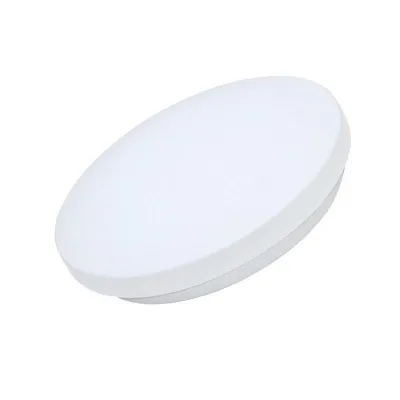
For Singapore’s Housing & Development Board (HDB) flats, which typically feature a standard ceiling height of 2.6 metres, selecting the right ceiling lamp is a balancing act between illumination and spatial volume. The ideal solution lies in low-profile, flush-mount LED ceiling lamps that sit close to the ceiling plane, preserving headroom and maximizing the perceived height of the room.
While many brands offer ceiling lights, those that excel in this specific environment provide ultra-thin profiles (often under 5 centimetres in thickness), advanced optical diffusion to prevent glare at close proximity, and adjustable color temperatures to visually expand the space. Brands like Philips (representing established global lighting giants) and Yeelight or Aqara (representing smart, tech-focused innovators) are highly suited for these spatial constraints.
Choosing a fixture for a 2.6m ceiling requires looking beyond aesthetics to evaluate technical specifications such as profile height, driver integration, luminous efficacy, and electrical compatibility with the local power grid. Understanding these parameters ensures your lighting enhances your home without making it feel cramped.
Products mentioned in this guide
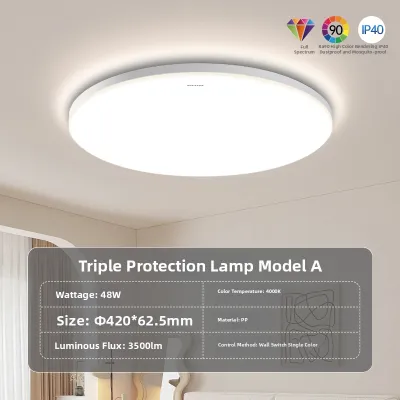
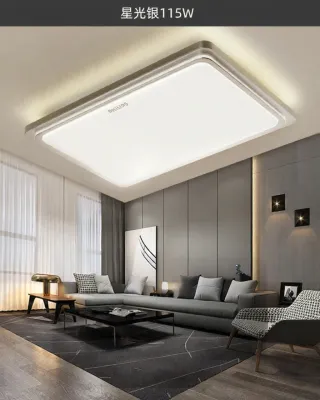
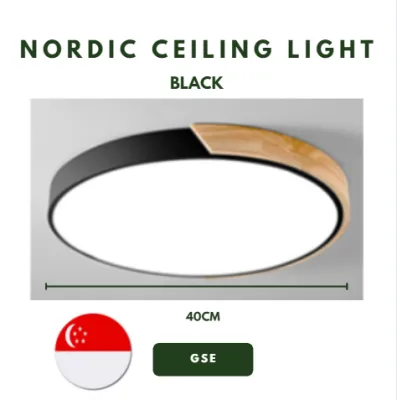
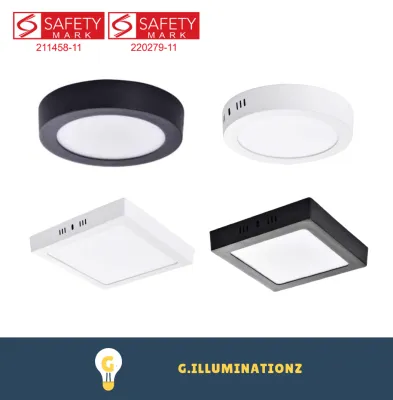
Prices are valid at publication and may change. Please refer to the product page for the latest price.
Why Ceiling Height Dictates Your HDB Lighting Strategy
Standard HDB flats constructed in Singapore present a consistent structural characteristic: a floor-to-ceiling height of approximately 2.6 metres. This vertical limitation significantly influences how light behaves and how residents perceive the physical volume of their living spaces. When a light source is suspended too low, it disrupts the vertical sightlines of the room, drawing the eye downward and making the ceiling feel heavier and more oppressive than it actually is.
Traditional pendant lights, low-hanging chandeliers, or bulky, deep-set flush mounts are structurally ill-suited for these dimensions. A fixture that protrudes 20 to 30 centimetres or more into a 2.6m space leaves less than 2.4 metres of clear headroom. This physical encroachment not only poses a hazard for taller occupants or when moving furniture, but it also creates severe visual clutter. The light source sits closer to eye level, which dramatically increases the risk of direct glare and harsh shadows, leading to eye strain and a cramped atmosphere.
To counter these spatial limitations, low-profile and ultra-thin flush-mount ceiling lamps serve as the optimal architectural intervention. By keeping the light source flush against the concrete slab or false ceiling, these fixtures preserve the maximum possible vertical clearance. They distribute light outward rather than downward in a narrow cone, which helps illuminate the upper boundaries of the walls. This upward and outward distribution softens the transition between the ceiling and walls, creating an optical illusion of greater height and a more open, airy living environment.
Essential Design Features for 2.6m Ceilings
Selecting a ceiling lamp for a low-clearance HDB flat requires a strict evaluation of several physical and optical design criteria. The most critical dimension is the profile height, which refers to the overall thickness of the fixture from the mounting base to the lowest point of the diffuser. For a 2.6m ceiling, the ideal profile height ranges between 1.5 centimetres and 5 centimetres. Fixtures within this ultra-thin bracket virtually blend into the ceiling plane, minimizing visual obstruction and ensuring that the light source does not feel like a heavy protrusion.

Optical design is equally vital because a light source positioned closer to eye level is inherently more prone to causing discomfort. Traditional direct-lit LED fixtures often suffer from “hotspots”—bright, concentrated points of light that cause severe glare. To prevent this, look for fixtures utilizing edge-lit technology or high-quality diffused acrylic panels. Edge-lit designs guide light from the perimeter LEDs through a specialized light guide plate, distributing it evenly across the entire surface of the diffuser. This results in a soft, uniform glow that eliminates harsh glare, even when looking directly upward.
Size and spatial proportion must be calibrated carefully based on the specific room dimensions of your HDB flat. Installing a fixture with an excessive diameter in a small bedroom creates a top-heavy visual effect that accentuates the low ceiling. Conversely, a tiny fixture in a spacious living room will look lost and fail to provide adequate illumination. As a general guideline for HDB layouts, bedrooms benefit from ceiling lamps with a diameter of 30 to 40 centimetres, while larger living and dining areas are best served by fixtures measuring 50 to 60 centimetres in diameter.
Luminous efficacy and color temperature adjustment play a transformative role in how spacious a room feels. High luminous efficacy ensures that the fixture delivers maximum brightness (measured in lumens) while consuming minimal power (measured in watts), which is crucial for maintaining a bright, open atmosphere. Furthermore, fixtures that offer adjustable color temperatures—ranging from a warm 2700K to a crisp 6500K—allow you to adapt the ambiance throughout the day. Cooler, brighter light during the day can make the ceiling appear to recede upward, while warmer tones in the evening create a cozy, relaxed environment without sacrificing visual comfort.
Reliable Brand Categories and Their Low-Profile Solutions
When navigating the lighting market in Singapore, homeowners will encounter a diverse array of brands offering solutions tailored for low-ceiling installations. Rather than relying on generic marketing claims, it is essential to categorize these brands by their design philosophies and technical strengths. This approach allows you to evaluate how different manufacturers address the physical constraints of a 2.6m ceiling height. The following segments represent non-exhaustive examples of reliable brand categories, illustrating the distinct engineering pathways used to achieve low-profile illumination.
To make an informed decision, always cross-reference brand specifications against verified product labels rather than relying on promotional descriptions. Look for precise measurements of thickness, certified lumen output, and official safety marks. This ensures that the fixture you select is not only aesthetically compatible with your HDB flat but also engineered to perform safely and reliably over its lifespan.
Established Global Lighting Brands
Established international lighting manufacturers, such as Philips and Panasonic, are widely recognized for their engineering precision and rigorous quality control. These brands leverage decades of optical expertise to balance slim physical profiles with exceptional light quality. One of their primary technical advantages is the integration of mature light guide plate (LGP) technologies. By using high-grade optical PMMA (polymethyl methacrylate) sheets, these brands ensure that light is distributed evenly across the diffuser without yellowing or degrading over years of continuous operation.
When evaluating fixtures from global giants, pay close attention to the Color Rendering Index (CRI) and anti-glare ratings specified on the product packaging. A high CRI (typically Ra 80 or above, with premium models reaching Ra 90) ensures that colors in your home appear natural and vibrant, which is essential for low-ceiling spaces where artificial light is the primary illuminant. Additionally, these brands often design their drivers—the components that convert electrical current—to be incredibly compact or integrated directly into the chassis, allowing the fixture to maintain a flush profile without requiring a deep recess in your ceiling.
Smart and Tech-Focused Lighting Brands
In contrast to traditional manufacturers, smart and tech-focused lighting brands, such as Yeelight and Aqara, approach low-ceiling design through the lens of digital integration and compact electronics. By utilizing highly integrated surface-mount diode (SMD) LED arrays and ultra-slim electronic drivers, these brands are able to produce fixtures with remarkably thin profiles, often measuring less than 2.5 centimetres in thickness. This extreme thinness is achieved without sacrificing thermal management, as these fixtures often incorporate advanced aluminum backplates that dissipate heat efficiently away from the LEDs and the ceiling surface.
The defining advantage of smart lighting brands is their ability to dynamically alter the perceived volume of a room through precise control over light output. Features such as stepless dimming and seamless color temperature transitions (from warm white to cool daylight) allow residents to manipulate the spatial atmosphere. For instance, brightening the ceiling with cool light during active hours can make a 2.6m HDB living room feel significantly taller. When selecting a smart brand, it is crucial to verify compatibility with your existing smart home ecosystem, whether you rely on Apple Home, Google Home, or dedicated Zigbee and Wi-Fi protocols. Ensure your home network is robust enough to support the connected fixtures, particularly if you plan to install multiple smart lamps across different rooms.
Pre-Purchase and Installation Checklist for HDB Flats
Before purchasing any ceiling lamp for your HDB flat, you must perform a series of technical and safety verifications to ensure compatibility with your home’s infrastructure. First, verify the electrical specifications of the fixture. In Singapore, the standard residential voltage is 230V at a frequency of 50Hz. Ensure that any imported or locally purchased lamp is rated for this voltage and carries the Enterprise Singapore Safety Mark, which certifies that the product has undergone rigorous testing for electrical safety, insulation, and fire resistance. Additionally, inspect the existing ceiling junction box to confirm that its dimensions and screw holes align with the mounting bracket of your new low-profile fixture.
The mounting environment of your ceiling dictates the type of installation hardware and techniques required. Most standard HDB flats feature solid concrete ceilings, which provide excellent load-bearing capacity but require specialized masonry drill bits and concrete wall plugs (anchors) to secure the mounting bracket. If you have installed a false ceiling to conceal wiring or air conditioning ducts, the structural dynamics change completely. False ceilings made of plasterboard cannot support the weight of a heavy light fixture directly. In these scenarios, you must use specialized toggle bolts or ensure that the mounting screws penetrate the underlying metal support channels (runners) or concrete slab above the plasterboard.
Safety must remain the absolute priority during any electrical installation. Any work involving fixed wiring, circuit alterations, or mounting fixtures at a height requires complete isolation of the electrical circuit. Always turn off the main power switch at your home’s consumer unit (DB box) and verify that the circuit is dead using a reliable voltage tester before touching any wires. Because improper wiring can lead to short circuits, electrical fires, or severe shocks, it is strongly advised to hire a qualified, licensed electrician registered with the Energy Market Authority (EMA) of Singapore. A professional installer will ensure that the fixture is properly grounded, wired securely, and mounted flush against the ceiling surface to prevent dust and insect ingress.
Finally, if you plan to control your low-profile ceiling lamp using physical wall dimmers or smart switches, you must verify dimmer compatibility. Traditional triac dimmers designed for incandescent bulbs are often incompatible with modern LED drivers, leading to annoying flickering, buzzing noises, or premature driver failure. Check the lamp manufacturer’s documentation to determine whether the fixture requires a specific trailing-edge dimmer, a 0-10V control system, or if it is designed exclusively for wireless, app-based dimming. Ensuring compatibility beforehand prevents costly replacements of switches or drivers after the installation is complete.
Frequently Asked Questions (FAQ)
Can I install a ceiling fan with a light in a 2.6m HDB ceiling?
Installing a combined ceiling fan and light unit in an HDB flat with a 2.6m ceiling height requires careful consideration of safety clearances. According to local safety guidelines, the fan blades must maintain a minimum clearance of 2.4 metres from the floor to prevent accidental contact and ensure safe operation. In a 2.6m space, this leaves a maximum of 20 centimetres for the entire vertical drop of the fan-light unit, which is exceptionally tight. Standard rod-mounted fan-lights will hang too low, presenting physical hazards and creating a highly cramped visual environment. If you require both ventilation and illumination, you should opt for specialized, ultra-thin hugger fans designed for low ceilings, or consider separate installations of a low-profile ceiling fan and independent flush-mount LED ceiling lamps positioned away from the fan blades to avoid strobing light effects.
How do I clean ultra-thin flush mount ceiling lamps?
Maintaining the cleanliness of your ultra-thin flush-mount ceiling lamp is essential for preserving its light output and preventing dust buildup, which can affect heat dissipation. Before performing any maintenance, always turn off the power switch and allow the fixture to cool down completely. For routine cleaning, use a dry, clean microfiber cloth to gently wipe away dust and cobwebs from the diffuser and the outer edges of the chassis. If there are stubborn spots or insect marks, you may use a slightly damp microfiber cloth wrung out thoroughly with plain water; however, you must avoid getting any moisture near the electrical connection points or inside the driver compartment. Never use abrasive scrubbers, harsh chemical solvents, or alcohol-based cleaners, as these can degrade the acrylic diffuser panel, causing it to become cloudy or yellowed over time. Always consult the manufacturer’s care instructions and verify the fixture’s IP (Ingress Protection) rating before introducing any moisture.

Community discussion
Share your experience or ask a question. Comments are reviewed before publication.