
Selecting reliable downlight brands for kitchen ceilings in Singapore is a critical decision that directly impacts both the safety and longevity of your home’s lighting system. Unlike living rooms or bedrooms, the kitchen is a high-demand environment characterized by elevated humidity, steam, and airborne grease. These factors, combined with the unique structural characteristics of Singaporean housing—such as the concrete ceilings of HDB flats and the shallow false ceilings of modern condominiums—mean that standard, off-the-shelf lighting fixtures often fail prematurely. To ensure your kitchen remains safely and brightly illuminated, you must evaluate brands based on their engineering quality, local safety certifications, and suitability for damp environments. While established global giants like Philips and Panasonic offer excellent baseline reliability, specialized regional brands like Opple provide highly competitive, tailored solutions for local residential layouts.
Key Environmental and Structural Requirements for Kitchen Downlights
The tropical climate of Singapore presents a baseline challenge for electrical appliances, with ambient relative humidity frequently exceeding 80 percent throughout the year. Within a kitchen, this ambient moisture is compounded by daily cooking activities. Boiling soups, steaming rice, and washing dishes release large volumes of water vapor into the air, while stir-frying and deep-frying atomize oils into a fine, airborne grease. As hot air rises, this mixture of steam and grease accumulates directly on the ceiling surface, settling on downlight trims and gradually migrating into the internal housing of the fixtures. Over time, this ingress of moisture and corrosive grease degrades the sensitive electrical components of the light, leading to premature driver failure, flickering, or complete circuit shorting.
Beyond these environmental hazards, homeowners must navigate the physical and structural constraints of Singaporean residential properties. In Housing & Development Board (HDB) flats and many private condominiums, ceilings are constructed from solid structural concrete slabs. Homeowners who desire a clean, modern look with recessed downlights must install a plasterboard false ceiling to house the fixtures and conceal the wiring. However, to maintain comfortable head height and comply with local building guidelines, these false ceilings are often restricted to a shallow depth of 75mm to 100mm. This limited vertical space restricts the choice of downlights, as many high-powered recessed fixtures require deeper cavities for adequate heat dissipation. For homes where a false ceiling is not feasible due to low ceiling heights or personal preference, surface-mounted downlights must be used, as cutting or drilling deep recesses directly into structural concrete slabs is strictly prohibited under HDB renovation regulations.
Products mentioned in this guide
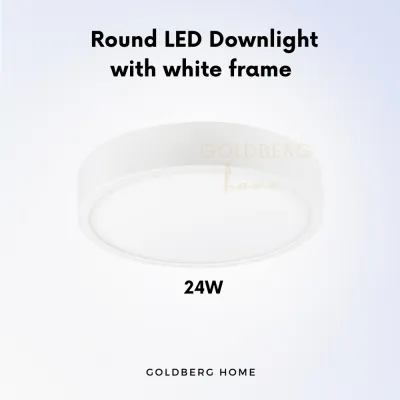
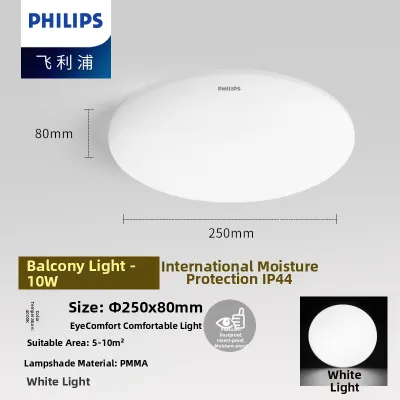
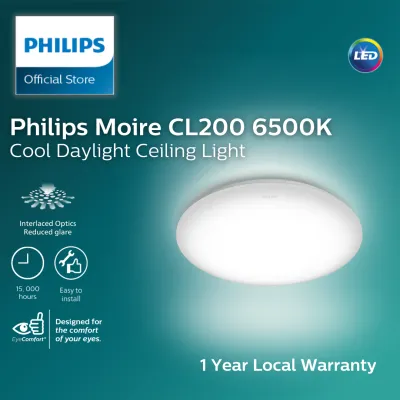
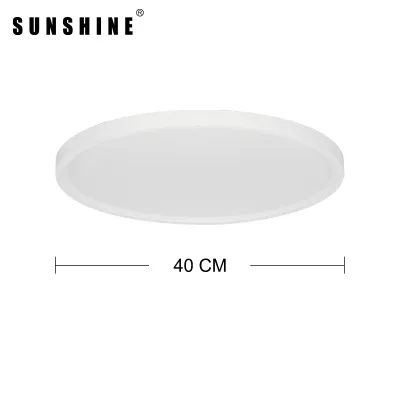
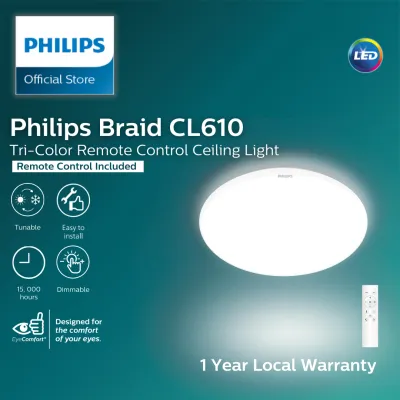
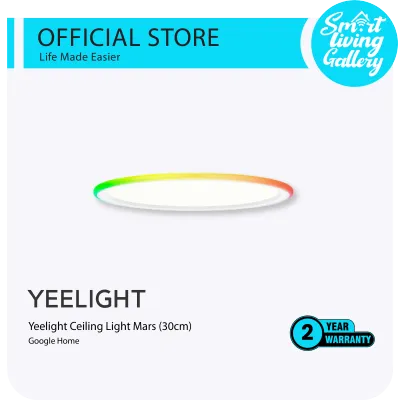
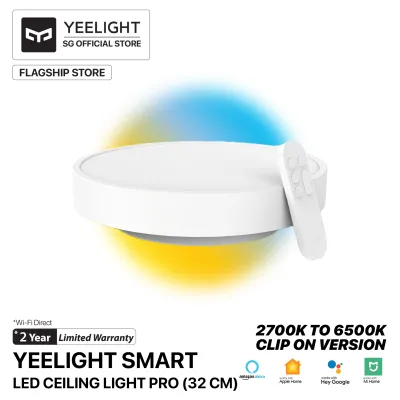
Prices are valid at publication and may change. Please refer to the product page for the latest price.
Furthermore, a well-designed kitchen lighting layout must balance two distinct functional requirements: task lighting and ambient lighting. Task lighting requires concentrated, high-intensity beams directed onto key work surfaces, such as countertops, the kitchen sink, and the cooking hob, where precision and safety are paramount during food preparation. Ambient lighting, on the other hand, provides a broader, softer wash of light across the entire room to ensure safe navigation and a welcoming atmosphere. Selecting the right downlight brands involves choosing products that can successfully deliver both types of illumination while withstanding the harsh physical conditions of the kitchen ceiling.
How to Evaluate Downlight Brands for Local Reliability
When evaluating downlight brands for your Singapore home, local availability and the presence of authorized service centers should be primary considerations. Many homeowners are tempted to purchase unbranded or parallel-imported fixtures from online marketplaces due to lower upfront costs. However, these products often lack local warranty support. If an LED driver fails or a fixture begins to flicker after a few months, sourcing a matching replacement from an overseas seller can be exceptionally difficult, often leaving you with a mismatched light or forcing you to replace the entire set. Choosing brands with established local distributors ensures that you have access to genuine replacement parts, straightforward warranty claims, and professional technical support right here in Singapore.

Another non-negotiable factor is verifying that the downlights carry the Singapore Safety Mark. Administered by the Consumer Product Safety Office under Enterprise Singapore, the Safety Mark indicates that the electrical product has been rigorously tested by an accredited laboratory and certified to comply with relevant safety standards, such as the IEC 60598 series for luminaires. Because kitchen downlights operate in close proximity to moisture and steam, using non-certified fixtures significantly increases the risk of electrical shocks, short circuits, and even electrical fires. Always look for the distinctive Safety Mark logo and its unique registration number on the product packaging or the LED driver itself before making a purchase.
Brand transparency is equally vital when assessing long-term reliability. Reputable lighting manufacturers provide comprehensive, easily accessible technical specification sheets for every product line. These spec sheets should clearly detail essential performance metrics, including lumen output, Color Rendering Index (CRI), power factor, total harmonic distortion (THD), and thermal management data, such as the maximum operating temperature of the driver. Brands that rely on vague marketing terms without providing concrete engineering data should be approached with caution, as they often use lower-grade components that degrade rapidly under the thermal stress of a kitchen ceiling.
Finally, take advantage of local physical showrooms and authorized distributors located in prominent lighting districts such as Balestier Road, Jalan Besar, and Geylang. Visiting these showrooms allows you to inspect the physical build quality of the downlights firsthand. You can feel the weight of the aluminum heat sinks, evaluate the sturdiness of the spring clips, and observe the actual light quality. Crucially, physical showrooms allow you to test glare control and see how the light behaves at different angles, helping you avoid fixtures that produce harsh, uncomfortable glare on polished kitchen countertops.
Common Reliable Downlight Brands Available in Singapore
Established Global Lighting Brands
In the Singapore market, globally recognized brands like Philips (Signify) and Panasonic represent a reliable choice for mainstream residential lighting. These manufacturers have built their reputations on rigorous quality control, extensive research and development, and highly reliable supply chains. Philips, for instance, offers popular residential downlight series such as the Meson and Pomeron lines, which feature integrated drivers and optimized thermal designs that fit comfortably within shallow HDB false ceilings. Panasonic is similarly respected for its durable engineering, offering fixtures with highly stable drivers that resist voltage fluctuations common in residential grids.
While these global brands offer peace of mind, buyers must remember that a brand name alone does not guarantee suitability for every part of a kitchen. A basic, budget-friendly downlight designed for a dry bedroom ceiling may not survive the humid conditions above a kitchen sink or cooking hob. Therefore, even when purchasing from trusted giants like Philips or Panasonic, you must carefully check the product specifications to ensure the selected model features an appropriate IP rating and robust thermal dissipation materials, such as die-cast aluminum rather than basic plastics.
Regional and Specialized Lighting Suppliers
For homeowners seeking a balance between high performance and cost-effectiveness, regional brands and specialized architectural lighting suppliers offer excellent alternatives. Opple is a prominent regional brand widely utilized by local interior designers and electrical contractors in Singapore. Known for its competitive pricing, Opple provides a diverse range of downlights specifically engineered for residential applications, featuring versatile color temperatures and high-quality optical designs that minimize glare. Other specialized architectural brands, often sourced through local boutique lighting shops, focus on high-CRI outputs and deep-recessed designs that cater to premium condominium renovations.
When opting for regional or specialized brands, it is essential to conduct a thorough check of their local warranty terms and after-sales support structures. Ensure the local distributor offers a clear warranty period—ideally between one to three years—and maintains a physical office or warehouse in Singapore for quick exchanges. Additionally, if you plan to implement smart lighting or dimming systems, verify that these specialized fixtures are fully compatible with local smart home standards (such as Zigbee, Bluetooth, or specific trailing-edge dimmers) to avoid compatibility issues that cause annoying flickering or buzzing.
Critical Technical Specifications to Verify Before Purchase
Before purchasing recessed downlights, you must cross-reference several critical technical parameters on product labels or spec sheets to ensure they are safe and effective for your kitchen environment:
- Ingress Protection (IP) Ratings: The Ingress Protection (IP) rating defines a fixture's resistance to solid objects and liquids. It consists of two digits: the first indicates protection against solids, and the second indicates protection against liquids. For general kitchen ceilings, an IP20 rating is acceptable for areas far from water and heat sources. However, for downlights installed directly above the kitchen sink, dishwasher, or cooking zone, you should select fixtures with at least an IP44 rating. An IP44-rated downlight is protected against solid objects larger than 1mm and splashes of water from any direction, preventing steam from penetrating the housing.
- Color Rendering Index (CRI): The Color Rendering Index (CRI) measures how accurately a light source reveals the true colors of objects compared to natural sunlight, rated on a scale up to 100. In a kitchen, a high CRI is essential for safety and food preparation. Cooking involves precise visual assessments—such as checking the freshness of raw meat or identifying the ripeness of vegetables. Downlights with a low CRI (below Ra 80) can make food look dull or unappealing. For kitchen ceilings, always select downlights with a CRI of Ra 80 or higher, with Ra 90 being the preferred choice for dedicated food preparation zones.
- Color Temperature (Kelvin): Color temperature, measured in Kelvin (K), determines the visual warmth or coolness of the light. For Singapore kitchens, 4000K (Neutral White) is widely considered the ideal choice. It provides a clean, bright, and energizing light that enhances focus and visibility without the clinical, harsh feel of 6500K (Cool Daylight). If your kitchen features a dining island or open-plan layout integrated with the living room, you might consider using 3000K (Warm White) for secondary ambient zones or pendant lights to create a softer, more relaxing atmosphere during meals.
- Beam Angle and Glare Control: The beam angle determines the spread of light emitted from the fixture. For dedicated task areas like countertops and hobs, a medium beam angle of 36° to 60° is highly effective, as it concentrates the light directly onto the workspace. For general ambient lighting across the kitchen floor, a wider beam angle of 100° or more helps distribute light evenly. To prevent visual fatigue, look for downlights designed with excellent glare control, such as fixtures with deep-recessed light sources or built-in baffles that hide the direct glare of the LED chip from your line of sight.
- Cut-out Size and Clearance: Before purchasing recessed downlights, you must measure the physical dimensions of your ceiling cut-outs. Standard residential cut-out sizes in Singapore typically range from 75mm (3 inches) to 150mm (6 inches). Choosing a fixture that matches your existing cut-outs avoids the messy and costly process of patching plasterboard. Additionally, verify the required clearance depth. LED downlights generate heat at the back of the fixture; therefore, you must maintain a physical clearance of at least 15mm to 20mm between the top of the heat sink and the concrete ceiling slab. Restricting this airflow leads to heat entrapment, which rapidly degrades the LED chips and causes the driver to fail prematurely.
Installation Safety and Professional Boundaries
In Singapore, electrical safety is heavily regulated to protect homeowners from hazards. Under local laws, any electrical work involving fixed wiring, the installation of new electrical circuits, or modifications to your home’s main distribution board (DB) must be carried out by a Licensed Electrical Worker (LEW) certified by the Energy Market Authority (EMA). While replacing an existing downlight on a like-for-like basis can technically be performed by a competent homeowner, hiring a qualified electrician is highly recommended to ensure all connections are secure, properly insulated, and compliant with the Singapore Standard SS 638 (Code of Practice for Electrical Installations).
Proper thermal management is critical to preventing fire hazards and ensuring the longevity of your kitchen lighting. Although LEDs are highly efficient, they still generate significant heat at the junction point. This heat must be dissipated away from the fixture via the heat sink. When installing downlights in a false ceiling, ensure that the fixtures are kept clear of any thermal or acoustic insulation materials unless the downlight is specifically rated as IC-F (Insulation Contact compliant). Furthermore, downlights and their drivers must never make direct contact with wooden ceiling joists, plastic conduits, or other combustible materials, as localized heat buildup can pose a serious fire risk over time.
Before adding new downlights or upgrading your existing kitchen lighting scheme, it is essential to check your home’s electrical board capacity. Kitchens are high-load zones that house some of the most power-hungry appliances in a household, including induction hobs, built-in ovens, microwave ovens, large refrigerators, and electric kettles. Your electrician must calculate the total current draw of your new lighting layout to ensure it does not overload the dedicated lighting circuit breaker (typically rated at 6A or 10A on your distribution board). Overloading this circuit can lead to frequent tripping and potential damage to other connected electronics.
Knowing when to stop and call a professional is a crucial aspect of home safety. If your kitchen has a solid concrete ceiling and you do not have a false ceiling, do not attempt to drill deep recesses into the concrete slab yourself. Drilling into structural concrete can sever reinforced steel bars (rebar), compromising the structural integrity of your home and violating HDB regulations. Additionally, in older housing estates built before the mid-1980s, older ceiling boards or textured coatings may contain asbestos fibers. Drilling or disturbing these materials can release hazardous fibers into the air, posing severe health risks. If you suspect your ceiling contains asbestos, or if you are trying to integrate complex smart dimming systems without clear compatibility charts, immediately stop and consult a qualified professional.
Frequently Asked Questions (FAQ)
Can I use standard living room downlights in the kitchen?
Standard living room downlights are typically rated IP20, meaning they offer no protection against moisture or liquid splashes. Using these standard fixtures in a kitchen, particularly near steam-heavy zones like the sink or cooking hob, exposes the internal electronics to moisture and vaporized grease. Over time, this grease and steam will bypass the casing, corroding the circuitry and causing flickering, short circuits, or total driver failure. For a safe and durable kitchen installation, always verify the manufacturer’s environmental specifications on the product label and select fixtures with appropriate IP ratings.
Do kitchen downlights require a transformer or driver?
Yes, all LED downlights require an LED driver (often referred to as a transformer) to convert the standard 230V alternating current (AC) mains power in Singapore to the low-voltage direct current (DC) required by LED chips. Some downlights feature an integrated driver built directly into the fixture housing, while others utilize an external, remote driver connected by a cable. When using external drivers, ensure they are placed in accessible, well-ventilated locations above the false ceiling. This ensures they do not overheat and allows for easy access if the driver needs to be replaced in the future.
How do I clean grease buildup on kitchen downlights?
To clean grease buildup safely, first turn off the power to the lighting circuit at the main distribution board or wall switch and allow the downlights to cool completely. Moisten a soft microfiber cloth with water and a tiny amount of mild, non-abrasive dishwashing liquid—never use harsh chemical degreasers, alcohol, or solvent-based cleaners, as these can degrade the plastic lenses and protective coatings. Gently wipe the external trim and lens of the fixture. Avoid using excess water, spray bottles, or steam cleaners, as liquid can seep into the ceiling or the fixture’s housing, causing permanent electrical damage or short circuits.
Community discussion
Share your experience or ask a question. Comments are reviewed before publication.