
When a sudden power outage hits a Housing & Development Board (HDB) flat in Singapore, navigating the dark safely requires reliable, hands-free illumination. While handheld torches are common household items, a dedicated head lamp is far more practical for tasks like inspecting the distribution board (DB box), preparing food, or assisting young children and elderly family members. The most reliable emergency head lamp brands for HDB flat use in Singapore are Petzl, Nitecore, Fenix, and Forclaz (Decathlon). Choosing the right model involves understanding how indoor lighting requirements differ from outdoor trail needs, evaluating battery management options, and selecting features that withstand Singapore’s warm, humid climate.
Why Indoor HDB Use Requires a Different Head Lamp
Using a head lamp inside a compact residential space like an HDB flat presents unique challenges that differ significantly from outdoor hiking or camping scenarios. Outdoor head lamps are often engineered for long-distance beam throw, projecting a concentrated spotlight hundreds of meters ahead. Indoors, however, this high-intensity spot beam is highly impractical. When directed at light-colored, painted concrete HDB walls or tiled kitchen backsplashes, a powerful spotlight creates harsh, blinding glare that causes immediate eye strain and temporary night blindness.
For indoor navigation and emergency tasks, a wide, soft flood beam is far superior. A diffused flood light distributes illumination evenly across your immediate field of view, allowing you to see entire rooms, navigate narrow hallways, and read labels without harsh hotspots. This close-up proximity lighting is essential when you need to inspect the household distribution board (DB box), which is typically located in a dark corner, inside a household shelter, or high up near the entryway. A soft, wide beam ensures you can clearly read the circuit breaker labels and safely reset a tripped switch.
Products mentioned in this guide
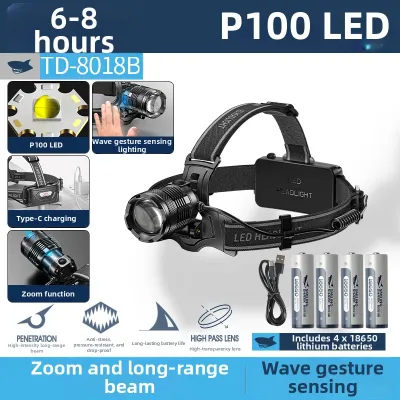
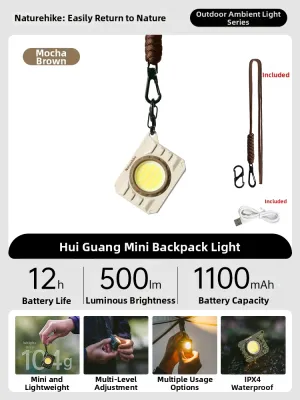
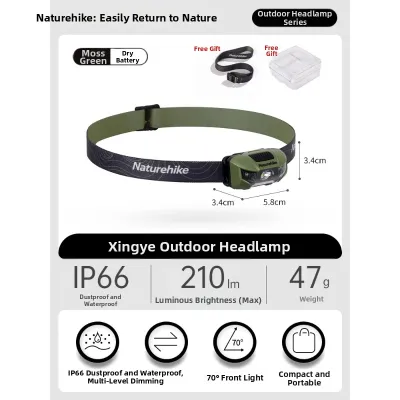
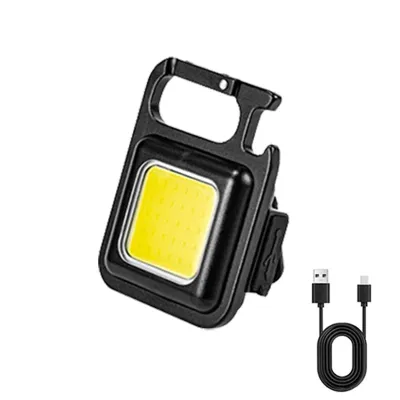
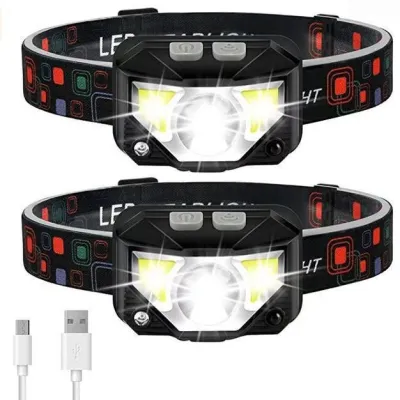
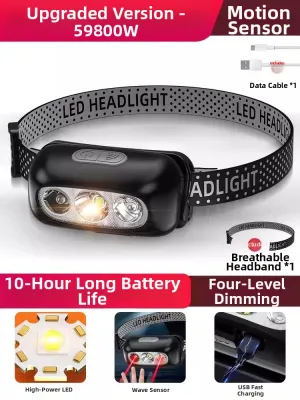
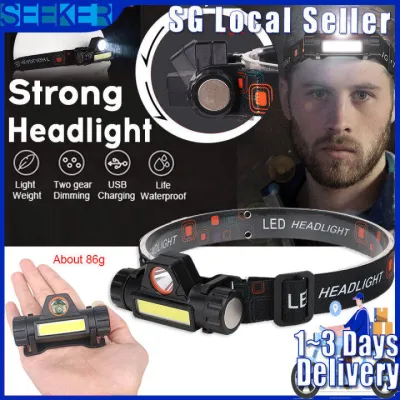
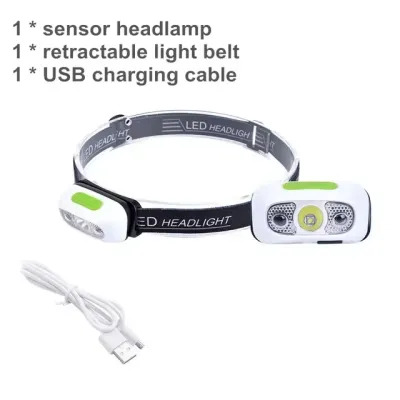
Prices are valid at publication and may change. Please refer to the product page for the latest price.
Comfort and ergonomics are equally critical during a prolonged blackout. HDB flats can quickly become warm and stuffy without air conditioning or mechanical fans running. Wearing a heavy, poorly balanced head lamp with a coarse elastic band can lead to discomfort, sweat accumulation, and neck strain. A lightweight design with a soft, breathable, and adjustable headband ensures the device remains comfortable during extended wear, whether you are managing household chores, comforting anxious family members, or waiting for utility services to restore power.
Furthermore, a dedicated red-light mode is an invaluable feature for indoor emergency situations. Red light preserves your eyes’ natural adaptation to the dark, allowing you to navigate shared HDB bedrooms or check on sleeping children without casting a bright white glare that wakes them up. It provides just enough illumination to see your surroundings clearly while maintaining a low-profile, non-disruptive presence in a shared household.
Essential Features for Indoor Emergency Lighting
When building a home emergency kit, selecting a head lamp requires looking beyond raw lumen counts. A balanced set of specifications ensures the tool remains practical, safe, and easy to use when the power suddenly cuts out.

Beam Type and Brightness
Instead of prioritizing maximum lumen output, look for a head lamp that offers adjustable brightness levels and a dedicated flood or proximity mode. For indoor HDB use, a brightness range of 10 to 150 lumens is generally optimal. A low mode of 10 to 30 lumens is perfect for reading or navigating small rooms without disturbing others, while a medium mode of 50 to 150 lumens provides ample light for hands-free cooking or working on the DB box. High-lumen modes (300 lumens and above) should be reserved for short bursts or outdoor use, as they drain batteries rapidly and generate unnecessary heat.
Weight and Ergonomics
An emergency head lamp should be lightweight enough that you forget you are wearing it. Ideally, the total weight—including the battery—should be under 100 grams. Look for models where the battery compartment is integrated into the front light unit rather than housed in a separate rear pack, which can feel bulky when leaning back against a sofa or bed. The headband should be made of high-quality, washable elastic that can be adjusted easily to fit different head sizes, including those of children or elderly family members who may need to use the device.
Water and Dust Resistance (IP Rating)
While you do not need extreme waterproofing ratings like IPX8 (designed for continuous underwater immersion) for indoor emergencies, a basic level of moisture resistance is highly recommended. Singapore’s high relative humidity can affect electronic contacts over time, and emergency situations in kitchens or bathrooms expose devices to accidental splashes. A rating of IPX4 (splash-resistant from any angle) is the ideal benchmark, providing sufficient protection against humid conditions, sweat, and minor liquid spills without adding the cost and bulk of heavy-duty outdoor sealing.
Controls and Usability
In a sudden blackout, you must be able to locate and operate your head lamp in complete darkness. Complex interfaces with multiple small buttons or complicated gesture controls can be frustrating and difficult to use under stress. Opt for models featuring a single, large, textured button that is easy to find by touch. The switch mechanism should have a positive, tactile click so you can operate it confidently. Additionally, a lockout feature—either electronic or physical—is crucial to prevent the head lamp from accidentally turning on and draining its battery while stored in a drawer or emergency bag.
Reliable Head Lamp Brands Readily Available in Singapore
Several reputable lighting brands offer high-quality head lamps that are easily accessible through official retail channels, specialized local outdoor shops, or major online marketplaces in Singapore. Each brand has distinct design philosophies and strengths suited for HDB emergency preparedness.
Petzl
Petzl is a highly respected French brand renowned for its ergonomic designs, build quality, and exceptional proximity lighting. For indoor HDB use, Petzl head lamps are highly favored due to their focus on comfortable, easily adjustable headbands and intuitive single-button interfaces. Their light beams are typically engineered to provide a very smooth, artifact-free flood pattern, which is incredibly easy on the eyes during prolonged indoor use.
A key advantage of many Petzl models is their Hybrid Concept design. These head lamps can run on either Petzl’s proprietary rechargeable Core lithium-ion battery pack or three standard AAA alkaline or lithium batteries. This dual-fuel capability provides excellent flexibility: you can use the rechargeable battery for regular tasks, while keeping a pack of disposable AAA batteries in your emergency kit as a reliable backup during extended power outages. Many Petzl models also feature integrated red-light modes and phosphorescent reflectors that glow in the dark, making the head lamp easy to locate when the lights suddenly go out.
Nitecore
Nitecore is a prominent brand in the portable illumination industry, widely recognized for producing ultra-lightweight, high-performance lighting tools. They are particularly popular among tech-conscious users who appreciate modern power solutions and compact form factors. Nitecore frequently utilizes advanced materials, such as carbon-fiber reinforced plastics, to construct incredibly light head lamps that minimize neck fatigue during long-term wear.
Nitecore models excel in battery convenience, often featuring built-in USB-C direct charging ports. This eliminates the need to carry external battery chargers or remove the battery cell from the casing. To prevent unexpected power failures, Nitecore head lamps regularly incorporate highly accurate power indicators—such as a series of small blue LEDs or a digital readout—that display the remaining battery voltage or percentage. This allows you to verify the device’s readiness at a glance before placing it back into your storage cabinet.
Fenix
Fenix is synonymous with rugged durability, reliable electronic circuitry, and robust build quality. While their products are heavily marketed for demanding outdoor adventures, tactical operations, and industrial work, these exact characteristics make Fenix head lamps outstanding long-term investments for home emergency kits. Their internal circuitry is highly efficient, featuring regulated output systems that maintain a stable, consistent level of brightness rather than dimming gradually as the battery depletes.
Fenix head lamps often feature tough aluminum housings that offer excellent impact resistance, easily surviving accidental drops onto hard HDB tiled floors or concrete surfaces. The metal bodies also act as efficient heat sinks, preventing the head lamp from overheating during continuous operation. For local families who enjoy outdoor activities like night cycling, camping at East Coast Park, or hiking local nature trails, a Fenix head lamp serves as a reliable, high-performance dual-purpose tool for both recreation and home safety.
Forclaz (Decathlon)
Forclaz, the dedicated trekking and outdoor brand of global sports retailer Decathlon, offers highly practical, accessible, and budget-friendly head lamps. One of the greatest advantages of Forclaz is the widespread physical presence of Decathlon experience stores across Singapore. This allows you to visit a local outlet, physically try on the head lamps, test the weight distribution, and evaluate the brightness levels before making a purchase.
Forclaz head lamps feature straightforward, no-nonsense designs with simple user interfaces that are easy for all family members to operate. They provide clean, reliable flood lighting and respectable runtimes at a highly competitive price point. When choosing a Forclaz model, pay close attention to the power specifications; their entry-level, budget-friendly options may rely solely on disposable AAA batteries and lack USB charging capabilities. For emergency kits, it is advisable to step up to their mid-range hybrid or rechargeable models to ensure versatile power options.
Power Management and Battery Choices for Emergencies
Understanding how different battery types behave in storage and during active use is critical to ensuring your head lamp operates reliably when a power outage occurs.
Rechargeable (Lithium-ion) vs. Disposable (AA/AAA)
Rechargeable lithium-ion batteries offer high energy density, consistent power output, and lower long-term operating costs. They are highly convenient for frequent use. However, lithium-ion cells naturally self-discharge over time when left on a shelf, and storing them completely empty or fully charged for years can lead to permanent capacity loss.
Disposable alkaline batteries (AA or AAA) are cheap and widely available, but they pose a significant risk for emergency storage in Singapore. Our hot, humid tropical climate accelerates the chemical degradation inside alkaline batteries, making them highly prone to leaking corrosive potassium hydroxide (battery acid). This leakage can permanently ruin the delicate electronic contacts of your head lamp. If you choose to store disposable batteries, opt for premium lithium primary AA/AAA batteries. They have a shelf life of up to 15 years, perform exceptionally well in warm temperatures, and are highly resistant to leaking.
Hybrid Compatibility
The ideal configuration for an HDB emergency head lamp is a hybrid power system. Models that support both a proprietary rechargeable lithium-ion battery pack and standard AAA batteries offer the best of both worlds. In daily life or short outages, you can rely on the cost-effective rechargeable pack. If a widespread grid failure lasts for days, preventing you from recharging via wall outlets, you can simply swap out the rechargeable pack and insert standard AAA lithium primary batteries to keep the light running indefinitely.
Power Bank Compatibility
During a prolonged blackout, your household power banks—normally used for mobile phones—can serve as vital charging stations for your emergency lighting. Before purchasing a rechargeable head lamp, verify whether it supports pass-through charging. This feature allows the head lamp to emit light while it is actively plugged into a USB power bank. Some head lamps disable all lighting functions when a charging cable is inserted, which can leave you in the dark if the internal battery runs dry. Models that allow low-power flood lighting while charging offer a significant advantage during extended emergencies.
Storage Maintenance
To guarantee your head lamp works when you need it most, implement a simple maintenance routine. For rechargeable lithium-ion models, store them at approximately 40% to 60% of their maximum charge capacity. Storing them completely empty can cause the battery to enter a deep discharge state from which it cannot recover, while storing them at 100% in a warm cupboard can accelerate capacity degradation. Set a recurring calendar reminder every 3 to 6 months to inspect the device, check the battery level, top it up if necessary, and ensure the headband elastic has not degraded. Most importantly, if your head lamp uses disposable batteries, always store the batteries outside the device to prevent any potential leakage from ruining the contacts.
Local Buying Channels and Pre-Purchase Checks
To ensure you receive a genuine, safe product backed by local support, follow these guidelines when purchasing your emergency head lamp in Singapore.
Authorized Channels
Avoid purchasing unbranded or extremely cheap head lamps from untrusted online sellers. These products often use substandard lithium-ion batteries that lack proper overcharge or thermal protection circuits, presenting a severe fire hazard. Instead, buy from brand-authorized stores on major ecommerce platforms, established local outdoor and tactical gear retailers, or reputable physical sporting goods and hardware stores. Purchasing from authorized local channels ensures you receive genuine merchandise with certified battery safety standards.
Charging Compatibility
Verify the charging interface of the head lamp. Modern devices utilize USB-C ports, which align with standard mobile phone chargers and power banks, reducing the number of cables you need to store. Older or budget models may still use Micro-USB ports. Additionally, keep in mind that head lamps rarely ship with a wall adapter. Ensure you have a high-quality, certified 5V USB power adapter to charge your device safely. In Singapore, look for wall adapters that carry the local Safety Mark, indicating they have been tested and approved for safe electrical use.
Warranty and Support
Reputable brands like Petzl, Nitecore, and Fenix typically offer robust multi-year warranties (often ranging from 2 to 5 years) when purchased through authorized local distributors. Before finalizing your purchase, confirm the warranty terms and understand the claim process. Keep your physical receipt or register your product online immediately after purchase. A valid local warranty ensures that if the LED emitter, charging port, or switch fails prematurely, you can easily obtain a replacement or repair without shipping the item overseas.
Physical Inspection
If you are purchasing your head lamp from a physical retail store in Singapore, perform a quick hands-on inspection before buying. Check the elasticity and stitching of the headband to ensure it feels durable and secure. Press the main power button several times to evaluate its tactile feedback; it should require a deliberate, firm press to activate. This design prevents the head lamp from accidentally turning on inside a drawer or emergency bag due to minor shifting. Finally, adjust the tilting mechanism of the light body; it should click firmly into various angles without feeling loose or wobbly, ensuring you can direct the light exactly where you need it.
Frequently Asked Questions (FAQ)
Can I use a high-lumen camping head lamp for HDB power outages?
Yes, you can use a high-lumen camping head lamp indoors, but you must manage the brightness settings carefully. High-lumen spot beams designed for outdoor navigation will bounce off light-colored HDB walls and tiled surfaces, creating intense glare that can cause eye strain. If using an outdoor head lamp inside your flat, always select the lowest brightness setting or switch the device to a dedicated diffused flood mode to distribute the light evenly and comfortably across the room.
How many lumens do I really need for indoor emergency use?
For almost all indoor emergency tasks, a light output of 30 to 150 lumens is perfectly adequate. Navigating through corridors, reading, preparing food, or inspecting your household distribution board (DB box) requires clear close-range visibility rather than long-distance projection. Operating your head lamp at lower lumen levels not only prevents glare but also drastically extends the battery life, ensuring your light source lasts throughout a prolonged power outage.
Should I leave my rechargeable head lamp plugged in all the time?
No, you should not leave a rechargeable lithium-ion head lamp continuously plugged into a charger. Unless the manufacturer’s manual explicitly states that the device has an advanced smart charging circuit designed for indefinite float charging, keeping the battery at 100% charge while continuously connected to a power source can accelerate battery degradation and generate excess heat. The safest practice is to charge the head lamp fully, unplug it, and set a routine reminder to check and top up the battery every 3 to 6 months.
Community discussion
Share your experience or ask a question. Comments are reviewed before publication.