
When a sudden power outage darkens your Singapore HDB flat, having a reliable emergency light can mean the difference between a calm transition and a hazardous scramble in the dark. Selecting the right brand involves looking beyond basic brightness to evaluate local safety certifications, battery resilience in tropical climates, and dependable after-sales support. This guide provides a practical framework to help you identify trustworthy emergency lighting solutions tailored specifically to the unique layout and environmental conditions of HDB households.
Assessing Your HDB Flat's Emergency Lighting Needs
Singapore HDB flats feature distinct architectural layouts that directly influence where and how you should position emergency lighting. Narrow corridors, windowless household shelters (bomb shelters), compact kitchens, and bedrooms all present unique spatial constraints. A single, centrally located light is rarely sufficient to illuminate these separate zones safely during a total blackout.
In tight spaces like corridors and entryways, bulky wall-mounted fixtures can obstruct movement or clash with your interior decor. For these areas, slim, low-profile plug-in units or compact surface-mounted lights are ideal. Kitchens require targeted task lighting to ensure you can safely handle hot items or sharp utensils if the power cuts out mid-meal, whereas bedrooms benefit from softer, adjustable illumination that prevents sudden glare when the unit activates.
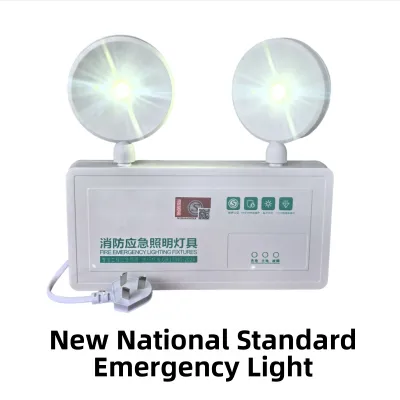
Products mentioned in this guide
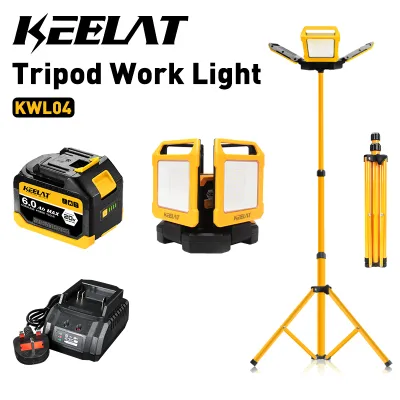
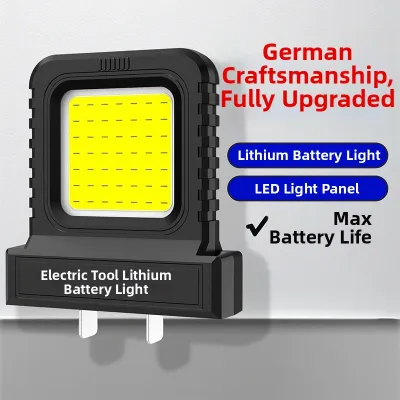
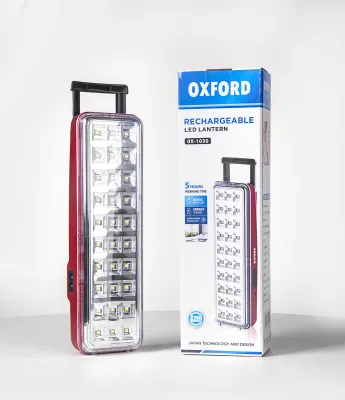
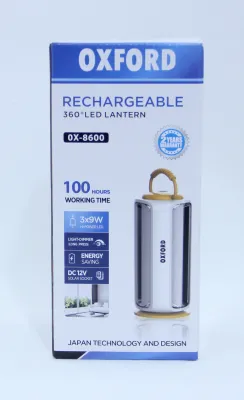
![[SG SELLER] 10W/20W/30W/50W/100W/150W Bright Light Led Rechargeable Flood Spotlight Emergency Waterproof Security Lights](https://img.lazcdn.com/g/p/53cd67203a45f9937f483759df2d4754.jpg_400x400q80.jpg_.webp)
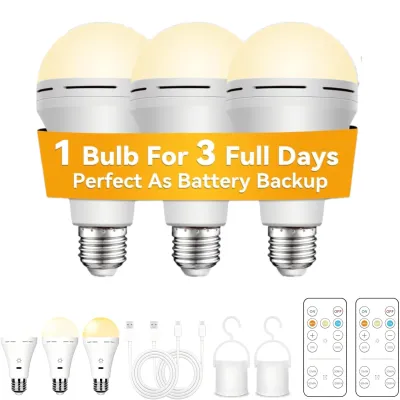
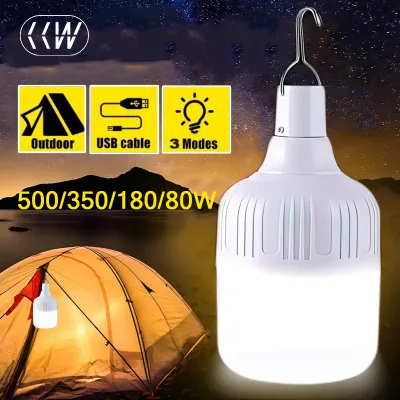
Prices are valid at publication and may change. Please refer to the product page for the latest price.
Power supply compatibility is another critical factor for HDB households. Singapore operates on a 230V, 50Hz electrical system utilizing Type G three-pin plugs. Any emergency light that relies on continuous mains charging must match these electrical specifications. Furthermore, you must consider the physical design of your wall sockets; some larger adapters can block adjacent switches on double-gang sockets, making compact, space-conscious plug designs highly desirable.
When planning your setup, distinguish clearly between basic navigation lighting and task lighting. Navigation lighting requires a wide beam angle to illuminate floors and obstacles across a broad area, helping family members move safely to common areas. Task lighting, on the other hand, focuses a concentrated beam on specific work surfaces, such as the kitchen counter or the electrical distribution board, allowing you to perform precise actions during an outage.
How to Evaluate Emergency Light Brand Reliability
Evaluating the reliability of an emergency light brand requires looking past marketing claims and focusing on verifiable safety, engineering, and support standards. Because these devices remain idle for long periods before being called into action, their build quality and component integrity must be exceptionally high.

Local Safety Certifications
In Singapore, electrical safety is paramount. For any mains-powered emergency light or charging adapter, look for the SAFETY Mark issued by Enterprise Singapore. This certification indicates that the product has undergone rigorous testing to meet local electrical safety standards, significantly reducing the risk of short circuits, overcharging, or electrical fires in your home.
Warranty and After-Sales Support
Reliable brands demonstrate confidence in their products by offering clear warranty terms and maintaining a physical presence or authorized distributor network in Singapore. Having access to a local service center ensures that you can easily claim a replacement or seek technical assistance without the hassle and expense of shipping a defective unit overseas.
Battery Technology and Lifespan
The heart of any emergency light is its battery, and different technologies offer distinct trade-offs:
- Lithium-ion (Li-ion): Offers high energy density, lightweight designs, and minimal self-discharge, but requires sophisticated internal protection circuits to prevent overheating.
- Nickel-Cadmium (Ni-Cd): Highly durable and capable of withstanding temperature fluctuations, though prone to "memory effect" if not fully discharged periodically.
- Sealed Lead-Acid (SLA): Economical and robust, but heavy, bulky, and prone to permanent capacity loss if left in a discharged state for extended periods.
Brand Transparency and Spare Parts
Trustworthy manufacturers are transparent about their battery replacement policies and the availability of spare parts. Because batteries naturally degrade over several years, brands that design their units with user-replaceable batteries or offer dedicated replacement services prevent your emergency light from becoming obsolete e-waste prematurely.
Essential Features for HDB Home Emergency Lights
To ensure your chosen emergency light performs effectively when the power fails, you must match the product’s technical specifications to the practical demands of an HDB home environment.
Battery runtime and charging efficiency are primary considerations. For typical localized power disruptions in Singapore, an emergency light should provide a minimum runtime of two to four hours of continuous illumination. The charging circuitry should also be efficient, ideally fully replenishing the battery within 15 to 24 hours of continuous connection to the mains without generating excessive heat.
Lumen output and beam angle determine how effectively a light covers a room. For a standard HDB bedroom or living room, a light output of 150 to 300 lumens is generally sufficient to provide clear visibility without causing uncomfortable glare. A wide beam angle of 120 degrees or more helps disperse light evenly across concrete walls and ceilings, minimizing harsh shadows and creating a more naturally lit environment.
Additional functionalities can greatly enhance the utility of your emergency light during an extended outage. Some models feature built-in motion sensors, allowing them to double as convenient nightlights during normal operations. Others include integrated USB output ports, transforming the emergency light into a temporary power bank to keep your essential communication devices charged when the wall sockets are dead.
Build quality is especially important in Singapore’s tropical climate, where high humidity and ambient temperatures can accelerate the degradation of plastics and electronic components. Look for units constructed from flame-retardant ABS or polycarbonate plastics. The housing should also feature adequate heat dissipation vents or thermal management designs to prevent heat buildup during prolonged charging cycles.
Safe Purchasing Channels and Authenticity Checks
Buying electrical products from unverified sources poses significant safety risks, including the potential for counterfeit components or substandard wiring that fails to meet local safety regulations.
To guarantee authenticity, purchase your emergency lights from established local hardware chains, authorized brand stores, or official flagship stores on reputable local ecommerce platforms. These sellers are legally obligated to comply with local consumer protection laws and are far more likely to supply genuine products backed by valid manufacturer warranties.
When browsing online listings, watch out for common red flags that indicate low-quality or counterfeit goods. Be skeptical of listings that lack clear technical specifications, omit mention of safety certifications, or feature unusually low prices that seem too good to be true. If a mains-powered device is sold without a visible, verifiable safety registration number, it is best to avoid it entirely.
Upon receiving your purchase, perform a thorough physical inspection of the packaging and the product itself. Verify that the SAFETY Mark is clearly printed on the device’s rating label, along with the manufacturer’s name, model number, and electrical ratings. The packaging should be intact, containing clear instruction manuals in English and official warranty registration details.
Routine Maintenance and Safety Boundaries
Proper placement, regular testing, and knowing when to retire a device are essential to ensuring your emergency lighting system remains fully operational for years to come.
Safe Placement within the Home
Install or place your emergency lights away from direct sunlight, cooking stoves, and high-moisture areas like bathrooms. Excessive heat and moisture can degrade battery chemistry and corrode internal circuitry, leading to premature failure or safety hazards.
Routine Testing Schedules
Establish a simple maintenance routine to monitor battery health. Once a month, perform a quick functional test by unplugging the unit from the wall socket (or pressing the built-in test button) to ensure the LEDs illuminate immediately. Every six months, conduct a full discharge test by letting the light run on battery power until it turns off, then recharge it fully to help maintain battery capacity.
Proper Disposal of Degraded Units
When an emergency light reaches the end of its lifespan, do not dispose of it in your regular household waste. Degraded batteries pose environmental and fire hazards. Utilize Singapore’s nationwide e-waste recycling program by dropping off your old emergency lights and batteries at designated ALBA collection bins located across HDB estates and public spaces.
Recognizing Safety Boundaries
Immediately stop using and unplug any emergency light that exhibits signs of physical damage, casing deformation, swelling, unusual heat during charging, or a burning smell. For fixed-wiring emergency lights connected directly to your home’s electrical distribution board, never attempt to perform repairs or installations yourself; always engage a licensed electrical worker (LEW) to ensure the work complies with local electrical codes.
Frequently Asked Questions (FAQ)
Do I need a specific certification mark for emergency lights in Singapore?
Yes, any emergency light or charging adapter that plugs directly into a Singapore mains power outlet must carry the SAFETY Mark. This mark, administered by Enterprise Singapore, features a unique eight-digit registration number that you can verify on the official Consumer Product Safety Office portal to confirm the product’s compliance with local safety standards.
How often should I test my home emergency light?
You should perform a brief functional test once a month by disconnecting the device from its power source to verify that the automatic switch-on mechanism and LEDs work correctly. Additionally, conduct a full discharge test every six months to check if the battery can still sustain illumination for its rated duration, followed by a complete recharge cycle.
Community discussion
Share your experience or ask a question. Comments are reviewed before publication.