
Finding the right fairy lights for your home in Singapore involves balancing aesthetic appeal with electrical safety and long-term durability. With the city’s high relative humidity and specific electrical standards, choosing a reliable brand ensures your decorative lighting remains a safe, beautiful addition to your living space. Reliable options range from smart, app-controlled systems to accessible retail staples and design-led specialty lights. By focusing on build quality, wire insulation, and local safety compliance, you can easily find the perfect match for your HDB flat or condominium.
What Makes a Fairy Light Reliable for Indoor Use?
Evaluating the reliability of fairy lights requires looking beyond their initial sparkle to understand their physical construction. Cheap, novelty lights often compromise on materials, leading to rapid degradation, flickering, or safety hazards. Investing in durable home decor fixtures means paying close attention to several technical components.
Wire material is the foundation of any string light’s durability. Low-grade fairy lights typically use thin, brittle PVC insulation that degrades quickly under Singapore’s warm, humid conditions. High-quality strings utilize flexible, multi-strand copper wire coated in protective lacquer or encased in thick, flexible polyurethane. This construction allows you to bend, twist, and shape the lights around bed frames, mirrors, or shelving without fracturing the internal copper conductors.
Products mentioned in this guide
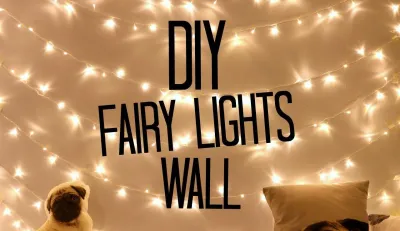
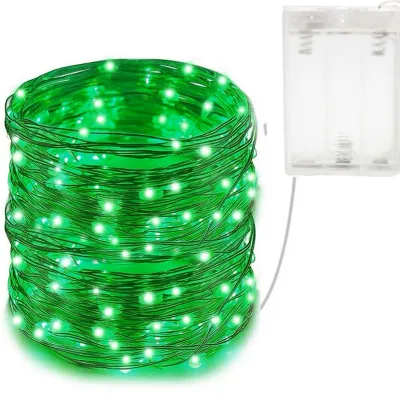
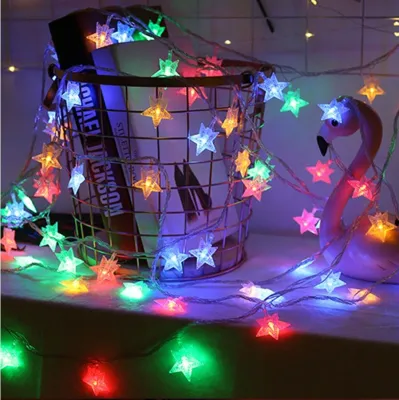
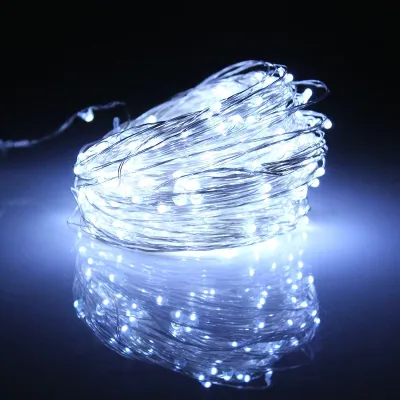
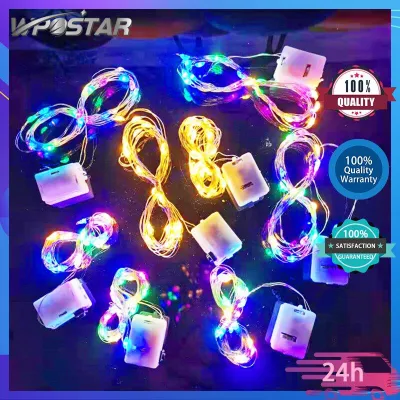
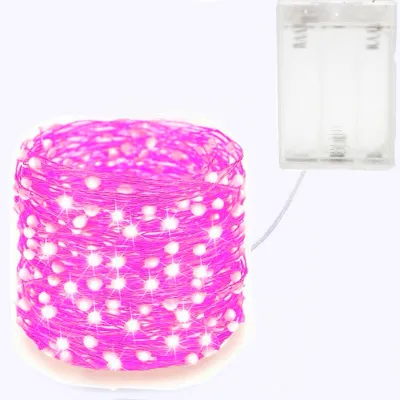
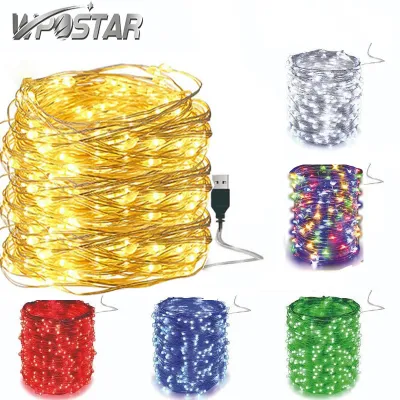
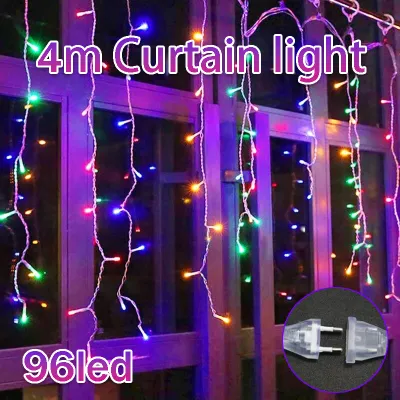
Prices are valid at publication and may change. Please refer to the product page for the latest price.
LED chip quality directly impacts both visual consistency and safety. Reliable brands use high-efficiency LED chips that maintain consistent color rendering over thousands of hours of use. Cheap LEDs are prone to shifting color over time—often turning a warm white into an unpleasant greenish-yellow—and can emit excess heat. Low heat emission is vital for indoor safety, especially when lights are draped over sheer curtains, tapestries, or wooden headboards.
Power sources also dictate long-term reliability and maintenance effort. USB-powered and plug-in lights offer consistent voltage, preventing the gradual dimming common in battery-operated strings. However, if you choose plug-in models, they must utilize high-quality transformers to step down the 230V mains voltage to a safe 5V or 12V. While battery-operated models offer excellent portability, they require frequent battery replacements and carry the risk of battery leakage if left unused.
Finally, look closely at the soldering at the LED nodes, which is the most common failure point in low-quality fairy lights. Premium lights feature epoxy-resin encapsulation or robust heat-shrink sleeves over each node. This protects the delicate solder joints from physical tension during installation and shields them from moisture-induced oxidation.
Trustworthy Fairy Light Brands to Consider in Singapore
To help navigate the vast market, reliable brands can be categorized into three distinct segments: smart and premium lighting, accessible budget-friendly retail, and design-led specialty decor. Each segment serves a different purpose, whether you want an integrated smart home setup, a simple plug-and-play solution, or a highly stylized aesthetic.

When shopping in Singapore, prioritizing brands with a physical retail presence or established distribution channels on local e-commerce platforms is highly recommended. This ensures you can access standardized safety compliance, local warranties, and responsive customer service if a component fails.
Smart and Premium Lighting Brands
Smart and premium brands, such as Philips Hue, Twinkly, and Nanoleaf, offer unparalleled control and durability. These systems connect directly to your home Wi-Fi or Bluetooth network, allowing you to manage schedules, adjust brightness levels, and synchronize colors via a smartphone app. This digital control significantly reduces physical wear and tear on inline switches, which are often the first components to break on cheaper models.
Furthermore, premium brands design their fairy lights with durability in mind. They often use thicker, coated copper wires and high-grade, UV-resistant silicone casings. In Singapore’s humid climate, standard clear plastic casings can quickly turn yellow and brittle; premium silicone resists this degradation, keeping the wires flexible and clear.
Before purchasing, verify that the smart system is compatible with your existing smart home ecosystem, such as Google Home, Apple Home, or Amazon Alexa. Check if a dedicated hub is required or if the lights connect directly to your router. While these premium options represent a higher initial investment—often ranging from S$70 to over S$200—their long lifespan and advanced safety features make them highly reliable for permanent home installations.
Accessible and Budget-Friendly Retail Brands
For those seeking reliable, everyday lighting without the premium price tag, global home furnishing and lifestyle retailers like IKEA, MUJI, and established local hardware chains offer excellent options. These brands maintain strict manufacturing standards, ensuring that even their budget-friendly lines are safe for long-term indoor use.
One of the biggest advantages of choosing these accessible brands is the ability to visit a physical showroom in Singapore. Testing the lights in person allows you to evaluate the exact color temperature—ensuring the “warm white” is a cozy golden hue rather than a harsh yellow—and check the overall brightness.
Additionally, purchasing from reputable physical retailers guarantees that the products come with standard, locally compliant plugs and power adapters. This eliminates the risk of using non-compliant electrical components that do not fit Singapore’s Type G wall sockets. Should any defect arise, these established retailers provide clear, hassle-free warranty exchange channels, making them a highly practical choice.
Design-Led and Specialty Decor Brands
Design-led and specialty decor brands cater to specific interior design themes, such as bohemian, minimalist, or festive styles. These brands often offer unique designs, including cotton-ball fairy lights, delicate rattan-woven lanterns, or cascading curtain lights.
The primary appeal of design-led brands is their focus on visual harmony. They often use ultra-thin, nearly invisible silver or copper wires that blend seamlessly into your decor when the lights are turned off. Despite their delicate appearance, reputable specialty brands do not compromise on electrical safety. They utilize low-voltage systems and properly insulated wires to prevent short circuits.
When selecting design-led lights, it is crucial to verify the maximum wattage and check the manufacturer’s bulb replacement policy. Many specialty designs use proprietary or integrated LED bulbs. If a single bulb fails and cannot be replaced, the entire string may become unusable. Choosing brands that offer replaceable bulbs or use highly durable, integrated parallel wiring—where one failed bulb does not cause the entire strand to go dark—ensures your decorative investment lasts for years.
Essential Specifications to Verify Before Purchase
Before buying any fairy lights, verifying key technical specifications is essential to ensure they are safe and suitable for your Singapore home.
- Voltage and Plug Type: Singapore's electrical grid operates at 230V and 50Hz, utilizing the Type G 3-pin plug. Any plug-in fairy lights must either feature a native Type G plug or include a high-quality, safety-certified step-down adapter. Look for the Enterprise Singapore Safety Mark on the power adapter to ensure it has been tested for electrical safety. Avoid using unverified, cheap travel adapters to connect imported lights, as poor contact can cause overheating and pose a fire hazard.
- Color Temperature (Kelvin): The color temperature of the LEDs determines the mood of your space. For a cozy, relaxing ambiance in bedrooms or living areas, look for lights rated between 2700K and 3000K (warm white). If you plan to use the lights in a study or near a workspace where clarity is needed, a neutral 4000K white is more appropriate.
- IP Rating for Indoor Use: While indoor lights do not need the heavy-duty weatherproofing required for outdoor setups, basic moisture resistance is still beneficial. If you plan to hang fairy lights near indoor plants, humidifiers, or in well-ventilated bathrooms, look for an IP44 rating to protect the electrical components from airborne moisture.
- Dimmability and Controls: If you want to adjust the brightness, ensure the product is explicitly labeled as dimmable. Attempting to dim non-dimmable LEDs using standard wall dimmers or incompatible inline controllers will cause flickering, buzzing, and permanent damage to the LED driver.
Safe Installation and Maintenance for Local Homes
Proper installation and maintenance are key to keeping your fairy lights safe and protecting your home’s interior.
When mounting lights on the walls of your HDB flat or condominium, opt for damage-free, reversible adhesive solutions. Specialized decor clips or command hooks are designed to hold lightweight wires securely without damaging or peeling the delicate emulsion paint common on local walls. Avoid using standard double-sided foam tape or Blu-Tack; the former is incredibly difficult to remove without tearing the drywall, while the latter can leave oily, permanent stains on flat paint.
Keep your space tidy and safe by routing wires cleanly along architectural lines, such as cornices, curtain tracks, or skirting boards. Use small cable ties or clear clips to keep wires taut and out of reach of children or pets, preventing accidental tripping hazards or physical damage to the thin copper strands.
While modern LEDs generate minimal heat, the power adapter or transformer can become warm during extended use. Ensure these components are placed in well-ventilated areas and kept away from highly flammable materials like dry floral arrangements, paper decorations, or heavy synthetic curtains. As a rule of thumb, always unplug or turn off your lights when leaving the house or going to sleep.
Finally, establish a routine of periodic visual inspections. Check the entire length of the wire for any signs of fraying, loose connections at the plug, or discolored LED nodes, which are clear indicators that the string should be retired and replaced.
Frequently Asked Questions (FAQ)
Can I leave fairy lights on overnight?
While modern LED fairy lights are highly efficient and emit very little heat, leaving any electrical device running unattended overnight carries a baseline risk. Overheating can still occur in the power adapter or transformer, especially if it is covered by fabrics or placed in a poorly ventilated area. To enjoy a warm nightlight safely, it is best to use fairy lights equipped with built-in automatic timers or connect them to a smart plug. This allows you to schedule the lights to turn off automatically after you fall asleep, conserving energy and eliminating safety risks.
Are battery-operated fairy lights safer than plug-in ones?
Battery-operated fairy lights are generally safer in terms of immediate electrical shock hazards because they operate on low-voltage direct current, typically 3V to 4.5V. This makes them an excellent choice for low-height displays, children’s bedrooms, or temporary table settings where mains power cords could present a tripping hazard. However, they are less practical for permanent home decor. They require frequent battery replacements, which can become costly and environmentally unfriendly. Additionally, if left unused for long periods, alkaline batteries can leak corrosive chemicals that ruin the battery compartment. For permanent installations, USB-powered or plug-in lights with safety-certified adapters remain the more reliable and sustainable option.
Community discussion
Share your experience or ask a question. Comments are reviewed before publication.