
A reliable head torch light is an essential component of any household emergency preparedness kit. When a sudden power outage occurs in a high-rise residential building like an HDB flat, the environment becomes instantly challenging. Unlike landed properties with multiple natural light entry points, many HDB layouts feature internal corridors, windowless bathrooms, or household shelters that turn pitch black even during the day. A high-quality head torch light provides immediate, hands-free illumination, allowing you to navigate your home safely and manage the situation without panic.
Core Criteria for HDB Power Outages
The primary distinction between indoor emergency lighting and outdoor tactical or hiking gear lies in the beam pattern. Outdoor activities require a focused spot beam to illuminate objects dozens of meters away. Indoors, however, a spot beam creates a harsh, narrow circle of light that forces you to constantly swing your head from side to side, leading to neck strain and poor situational awareness. A wide flood beam is far more effective, distributing light evenly across your entire field of vision so you can see obstacles on the floor and cabinet handles simultaneously.
Hands-free operation is another critical factor during a domestic emergency. If you need to locate your distribution board (DB) box to check the circuit breakers, guide young children, or prepare food, you need both hands free. Holding a traditional flashlight under your arm or balancing a smartphone on a shelf is unstable and dangerous. A secure head torch light ensures that wherever you look, the light follows automatically, leaving your hands completely free to handle tasks safely.
Products mentioned in this guide
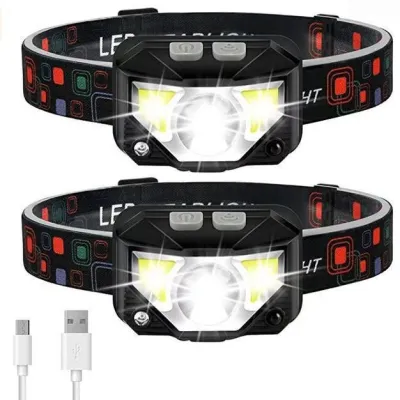
![[Local Ready Stock] 5W USB Rechargeable Flashlight LED Headlight Body Motion Sensor Head Flashlight Camping Torch Light Lampe For Camping Running Fishing Cycling Headlamp](https://img.lazcdn.com/g/p/56ddba2e927247303d9311273774ddf5.jpg_400x400q80.jpg_.webp)
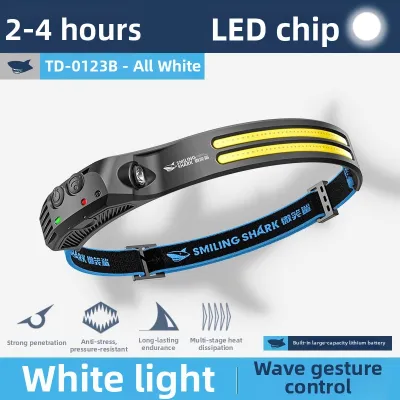
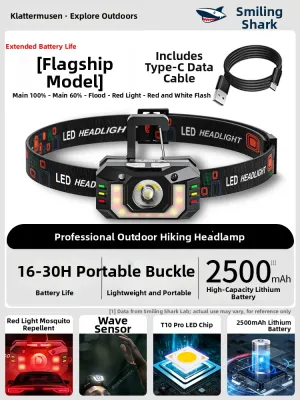
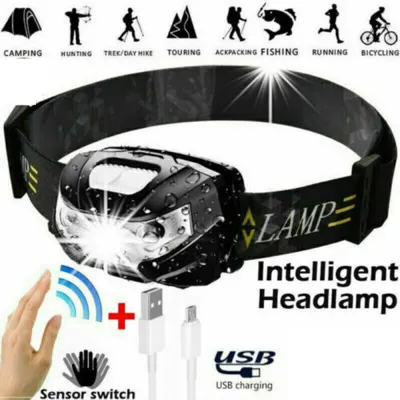
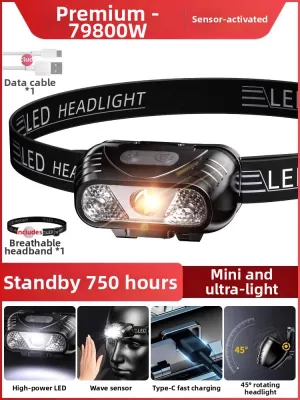
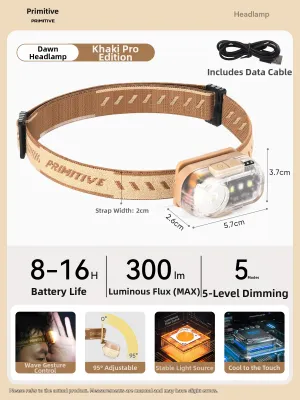
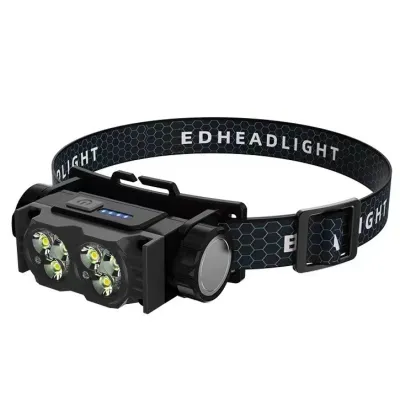
Prices are valid at publication and may change. Please refer to the product page for the latest price.
Finally, runtime and adjustable brightness are essential for managing prolonged blackouts. While most modern lights can emit hundreds of lumens, running a light at maximum brightness indoors is counterproductive. Light-colored HDB walls, glossy kitchen cabinets, and polished floor tiles reflect light intensely. A blinding glare can cause temporary visual fatigue. A reliable emergency head torch must offer low-brightness modes that provide comfortable illumination while extending the battery runtime to dozens of hours, ensuring you are not left in the dark if the outage lasts overnight.
Essential Features for Indoor Emergency Use
Selecting the right head torch light involves understanding several key technical specifications. The first decision point is the battery configuration. Rechargeable lithium-ion batteries, typically powered via a USB-C port, are highly convenient for modern households. They eliminate the need to store boxes of disposable batteries and can be easily recharged using a standard phone charger or a portable power bank. However, lithium-ion batteries slowly self-discharge over time and can degrade if left completely flat for months.

In contrast, disposable alkaline batteries (such as AA or AAA) offer excellent long-term storage stability. You can keep a pack of high-quality alkaline batteries in your emergency kit for years, ready to be inserted at a moment’s notice. The major drawback is their susceptibility to chemical leakage. Over time, alkaline batteries can release corrosive potassium hydroxide, which ruins the metal contacts inside the head torch. For the ultimate peace of mind, look for hybrid or “dual-fuel” head torches. These versatile devices can run on a proprietary rechargeable battery pack or standard AAA batteries, giving you multiple power options during an extended crisis.
The quality of the beam and the availability of multiple brightness settings are equally important. A dedicated flood beam setting is the gold standard for indoor use. It provides a soft, diffused light that mimics natural room lighting. When evaluating specifications, look for a head torch that offers a “low” or “eco” mode of around 5 to 15 lumens. This level of brightness is perfect for navigating a small room or reading a manual without straining your eyes or draining the battery. A medium setting of 30 to 80 lumens is ideal for walking through corridors or cooking.
A dedicated red light mode is another invaluable feature for domestic emergency preparedness. Red light has a longer wavelength that does not trigger the pupillary light reflex, meaning it preserves your natural night vision in the dark. If you need to check on a sleeping child or retrieve an item from the household shelter without waking up the rest of the family, the red light mode provides subtle, non-disruptive illumination. It also prevents casting bright, moving shadows through your windows, which might cause unnecessary concern among your neighbors.
Lastly, do not overlook the physical design, weight, and strap comfort of the head torch. An emergency light is useless if it is too uncomfortable to wear for more than a few minutes. Aim for a compact model that weighs less than 100 grams, including the batteries. The headband should be made of a soft, adjustable, and washable elastic material that fits securely around your head without pinching. A simple two-way adjustment system allows you to customize the fit quickly, ensuring the light remains stable even if you need to bend down or look under furniture.
How to Evaluate Brand Reliability and Build Quality
With countless lighting products available on online marketplaces, distinguishing a reliable brand from a low-quality counterfeit can be challenging. A practical starting point is to check the Ingress Protection (IP) rating. Singapore’s tropical climate is characterized by high relative humidity, which can easily cause internal corrosion in poorly sealed electronic devices. A reliable head torch should have a minimum rating of IPX4, which certifies that the device is protected against splashing water from any direction. If you store your emergency gear in a utility closet or service yard, an IP64 or IP67 rating is even better, as it provides complete protection against dust and moisture ingress.
Warranty terms and local customer support are strong indicators of a brand’s confidence in its product build quality. Reputable manufacturers typically offer warranties ranging from two to five years. When browsing ecommerce platforms, look for official brand stores or authorized local distributors rather than third-party sellers with no clear return policies. A brand that provides a clear, accessible warranty process and maintains a local customer service presence in Singapore is far more likely to use high-quality components, such as durable switches and efficient LED drivers.
Analyzing verified user reviews can reveal critical long-term performance details that are not listed on the product packaging. Pay close attention to feedback regarding common failure points. For instance, check if users report that the plastic tilt mechanism—the hinge that allows you to angle the light downward—becomes loose or snaps after minimal use. Other common issues include elastic headbands that lose their stretch after a few months of storage, rubber button covers that tear, and battery compartments that are difficult to open or close securely.
To ensure electrical safety, verify that the head torch and its charging accessories comply with recognized international safety standards. Look for certifications such as CE, FCC, or RoHS on the product label. For rechargeable models, high-quality lithium-ion cells should feature built-in overcharge and over-discharge protection circuits. Investing S$30 to S$80 in a head torch from an established, safety-certified brand is a small price to pay for a device that you must be able to rely on during an actual emergency.
Maintenance and Storage for Long-Term Readiness
An emergency head torch light is only useful if it works the moment the power goes out. Proper maintenance and storage are critical to ensuring long-term readiness. If your head torch uses disposable alkaline batteries, the golden rule is to store the batteries completely outside the device. Leaving alkaline batteries inside a device for months or years of inactivity almost guarantees leakage, which will corrode the terminals and render the head torch useless. Store the spare batteries in their original packaging or a dedicated plastic organizer alongside the light.
For rechargeable lithium-ion head torches, battery health requires active management. Lithium-ion batteries degrade fastest when stored completely empty or fully charged at 100% for extended periods. To maximize their lifespan, charge the battery to approximately 50% to 60% before placing it in storage. This state of charge minimizes stress on the battery cells. Additionally, establish a semi-annual maintenance routine. Every six months, take the head torch out of storage, inspect the casing for any signs of swelling or damage, test all the light modes, and cycle the battery by discharging it slightly and recharging it back to the storage level.
The storage location within your HDB flat plays a vital role in both accessibility and device longevity. Singapore’s high ambient temperatures and humidity can accelerate battery degradation and cause rubberized coatings to become sticky. Avoid storing your emergency kit in hot, humid areas such as the service yard, kitchen cabinets near the stove, or bathrooms. Instead, choose a cool, dry, and easily accessible spot. A drawer near the main entrance, a shelf in your living room console, or a dedicated emergency box inside your household shelter are excellent choices. Ensure that every member of the household knows exactly where the head torch is stored so it can be retrieved safely in total darkness.
Frequently Asked Questions (FAQ)
Can I rely on my smartphone flashlight instead?
While a smartphone flashlight is a convenient tool for brief, everyday tasks, relying on it during a prolonged power outage is highly discouraged. Using the camera flash as a continuous light source drains your phone’s battery rapidly, leaving you without a vital communication tool during an emergency when you may need to contact family members or emergency services. Furthermore, holding a phone deprives you of a free hand, making it difficult to navigate dark spaces safely, carry supplies, or assist others. The flat, wide shape of a smartphone also makes it difficult to position securely on surfaces without it falling. A dedicated head torch light keeps your hands free, projects a more efficient beam, and preserves your phone’s battery for communication.
How many lumens are actually needed inside an HDB flat?
For indoor navigation and tasks within an HDB flat, a head torch light operating between 10 and 100 lumens is generally more than sufficient. High-lumen outputs (such as 500 lumens or more) are designed for outdoor search-and-rescue or high-speed trail running; using them indoors will cause harsh reflections off light-colored walls and polished floor tiles, leading to eye strain and rapid battery depletion. Having a low-power mode of 5 to 15 lumens is ideal for reading or close-up tasks, while a medium mode of 50 to 100 lumens easily illuminates an entire room without causing uncomfortable glare.
Community discussion
Share your experience or ask a question. Comments are reviewed before publication.