
Selecting the right wall lighting indoor fixtures requires balancing aesthetic appeal with strict technical compatibility for Singaporean homes. Whether you are seeking to illuminate a narrow hallway in a Housing & Development Board (HDB) flat, add ambiance to a condominium living room, or make a bold architectural statement in a landed property, the local market offers a diverse range of reliable brands. By understanding local electrical standards, safety regulations, and the unique design profiles of different brand tiers, you can make an informed investment that enhances both the safety and beauty of your living space.
Finding the ideal fixture involves evaluating several key factors, from smart home integration to premium material craftsmanship. This guide breaks down the essential selection criteria for Singapore, explores notable brands across various budget tiers, and outlines crucial installation and sourcing guidelines to ensure a seamless home upgrade.
Key Selection Criteria for Indoor Wall Lights in Singapore
Before exploring specific brands, it is vital to establish the foundational technical criteria that dictate whether a wall light is safe and suitable for your home. Singapore’s residential electrical systems and tropical climate impose specific constraints that should guide your purchasing decisions.
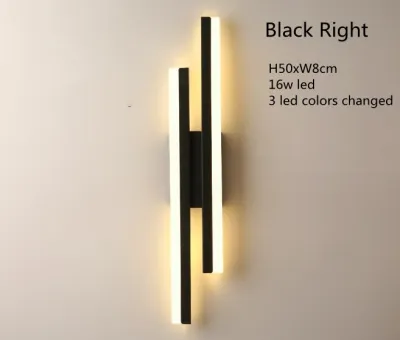
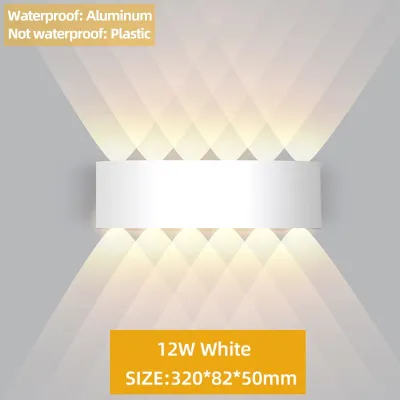
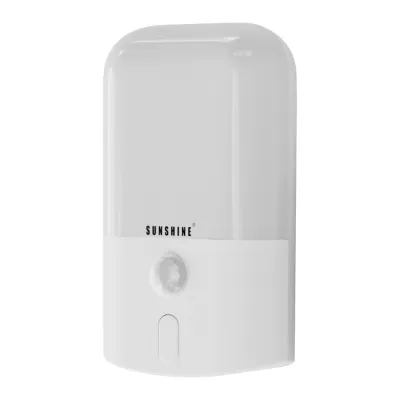
Products mentioned in this guide
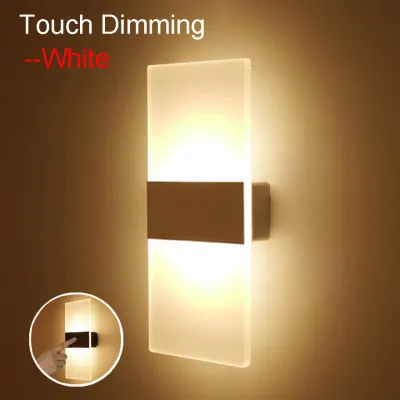
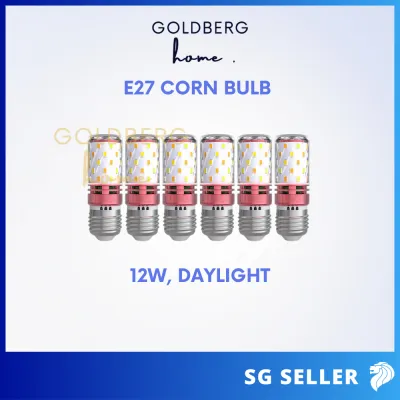
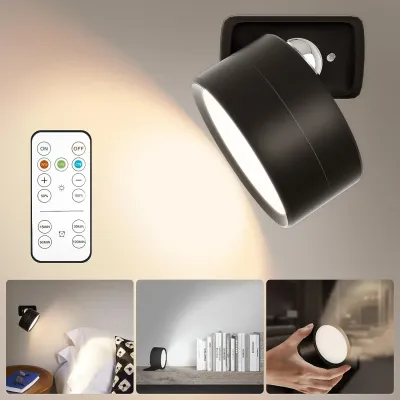
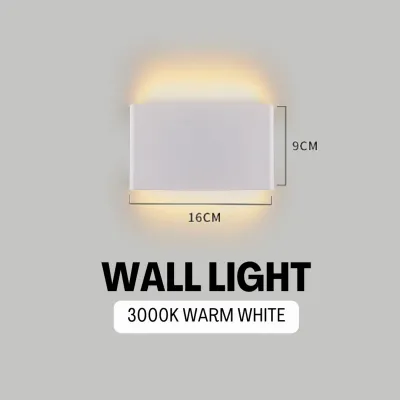
![[Local Seller] LED Smart Sensor Night Light Wireless USB Rechargeable Sensor Wall Light With Motion Sensor Suitable For Bedroom Hallway Cabinet Bathroom](https://img.lazcdn.com/g/ff/kf/S60098aad5a0b4a09ba62b3bb493d5fc7r.jpg_400x400q80.jpg_.webp)
Prices are valid at publication and may change. Please refer to the product page for the latest price.
Electrical compatibility is the first and most critical factor to verify. Singapore’s national power grid operates on a standard voltage of 230V AC with a frequency of 50Hz. Lighting fixtures sourced from regions with different electrical standards, such as North America (which uses 110V at 60Hz), are incompatible without specialized transformers. Connecting an incompatible fixture directly to your home’s mains power can cause immediate component failure, severe flickering, or pose a serious fire hazard. Always check the manufacturer’s specification label to ensure the input voltage matches Singapore’s 230V standard.
Safety certification is another non-negotiable requirement for mains-powered electrical appliances in Singapore. Under the Consumer Protection (Safety Requirements) Registration Scheme, managed by Enterprise Singapore, controlled goods must carry the Singapore Safety Mark. This certification indicates that the product, its internal wiring, and any associated LED drivers or ballasts have undergone rigorous testing by an accredited conformity assessment body. Installing wall lights that lack this mark can compromise your home’s electrical safety and may void your household fire insurance policy in the event of an accident.
The installation environment also dictates the physical specifications of the fixture, particularly regarding moisture resistance. While standard indoor spaces like living rooms and bedrooms can safely accommodate fixtures with a basic Ingress Protection rating of IP20, damp areas require higher protection. Singapore’s high relative humidity can accelerate the corrosion of electrical contacts. For wall lights installed in bathrooms, kitchens, or covered balconies, look for fixtures with a minimum rating of IP44, which protects against water splashes and prevents moisture ingress from causing short circuits.
Finally, you must choose between hardwired and plug-in installation methods. Hardwired wall lights offer a clean, minimalist aesthetic as all electrical wiring is concealed behind the wall surface. This method requires careful planning, typically during a major renovation, as it involves routing cables through wall conduits. Plug-in wall sconces, on the other hand, mount directly to the wall surface and draw power from an existing 3-pin electrical outlet via an exposed cord. While plug-in fixtures are much easier to install post-renovation, the visible cord can disrupt the clean lines of your interior design.
Notable Wall Light Brands by Category and Budget
The Singapore lighting market features a broad spectrum of brands catering to different budgets, design sensibilities, and technological preferences. Navigating these options becomes significantly easier when you categorize brands by their primary focus, whether that is smart home convenience, everyday functional reliability, or high-end architectural design.

Matching the brand tier to the specific function of each room ensures a balanced and cost-effective lighting scheme. For instance, a high-traffic hallway may benefit most from a durable, low-maintenance functional fixture, while a master bedroom or living room feature wall presents the perfect opportunity to showcase a premium designer statement piece.
Mass-Market and Smart Lighting Brands
For homeowners seeking modern convenience, energy efficiency, and seamless integration with smart home ecosystems, mass-market smart lighting brands offer highly versatile options. Brands like Philips (under Signify) and Yeelight lead this segment, providing accessible entry points into connected home lighting.
These brands are ideal for bedrooms, study rooms, and modern living spaces where adjustable lighting is highly desirable. Users can easily customize the color temperature from a warm, relaxing 2700K to a crisp, focus-enhancing 6500K daylight. Many of these fixtures also support integration with popular smart home platforms, including Apple Home, Google Home, and Samsung SmartThings, allowing for convenient voice control and automated scheduling.
The primary strength of these brands lies in their high user accessibility and ease of maintenance. Because they utilize standard smart bulbs or highly reliable integrated LED modules, replacing components or expanding your lighting setup is straightforward. Furthermore, their mass-production scale allows them to offer advanced features at highly competitive price points, making them excellent choices for budget-conscious renovations.
However, these fixtures do have design limitations. Because they are manufactured for a global, mass market, their physical designs tend to lean toward utilitarian, minimalist, or highly standardized modern aesthetics. Homeowners looking for unique, hand-crafted textures, organic shapes, or bespoke material finishes may find the product catalogs in this tier somewhat limited.
Functional and Everyday Lighting Brands
If your priority is long-term durability, consistent light quality, and clean, unobtrusive designs, functional and everyday lighting brands are the ideal choice. This category includes established global giants like Panasonic, alongside reputable regional manufacturers that focus on high-utility engineering.
These brands are exceptionally well-suited for high-traffic, utilitarian zones such as corridors, staircases, utility rooms, and kitchens. In these areas, the primary goal of wall lighting indoor fixtures is to provide reliable, glare-free illumination that ensures safe passage and clear visibility for daily tasks.
The main strengths of these functional brands are their robust build quality, excellent thermal management, and highly stable LED drivers. They are engineered to operate continuously for tens of thousands of hours without significant lumen depreciation or color shifting. Their clean, understated designs allow them to blend seamlessly into standard HDB or condominium interiors, complementing existing architectural lines without drawing unnecessary attention.
The trade-off with everyday functional brands is their lack of decorative drama. These fixtures are designed to illuminate a space efficiently rather than serve as artistic focal points. If you are looking for a dramatic “statement piece” to anchor a highly curated interior design concept, these practical catalogs are unlikely to satisfy that specific creative need.
Premium and Designer Lighting Brands
For those who view lighting as a form of functional art, premium and designer brands offer unparalleled craftsmanship, iconic styling, and advanced optical engineering. Renowned international design houses like Flos and Artemide, available through specialized lighting showrooms in Singapore, represent the pinnacle of this category.
These premium fixtures are best reserved for prominent areas of the home, such as formal living rooms, dining area feature walls, entry foyers, or luxury master suites. In these spaces, the wall light acts as a sculptural element that enhances the room’s aesthetic appeal even when the light is switched off.
The strengths of designer brands lie in their exceptional material selection and precise light control. They utilize premium materials like hand-blown Murano glass, brushed brass, machined aluminum, and solid marble. Additionally, their advanced optical designs project light precisely where it is intended, creating dramatic wall-washing effects or soft, indirect glows without any visible glare or hot spots.
The primary limitation of this tier is the substantial financial investment required, with individual fixtures often costing several hundred to several thousand Singapore dollars. Furthermore, these exclusive pieces may involve long shipping lead times from Europe, complex installation requirements, and highly specialized replacement bulbs or proprietary LED drivers that require professional servicing rather than simple DIY replacement.
Where to Source Authentic Wall Lights Locally
Sourcing your wall lights from reputable, authorized channels is essential to ensure product authenticity, local electrical compatibility, and valid warranty coverage. Purchasing from unverified sources can expose you to counterfeit products or fixtures that do not comply with Singapore’s safety regulations.
For premium and designer brands, visiting authorized lighting showrooms and specialized galleries in Singapore is highly recommended. These physical spaces allow you to inspect the build quality, feel the weight of the materials, and observe the actual light output, color rendering, and beam angles in person. Showroom consultants can also provide expert advice on compatibility and coordinate directly with local distributors to handle specialized installation requirements.
For mass-market, functional, and smart lighting brands, official brand flagship stores on major local e-commerce platforms offer a highly convenient and secure purchasing route. Buying directly from official digital storefronts ensures that you receive genuine products packaged with the correct local adapters, voltage specifications, and official manufacturer warranties.
Conversely, purchasing fixtures from gray-market parallel importers or unverified overseas online sellers carries significant risks. These products often lack the mandatory Singapore Safety Mark, meaning they have not been certified for safe use on the local 230V grid. In addition to the physical hazards of short circuits or electrical fires, using uncertified equipment can lead to denied claims by your home insurance provider and may complicate future property transactions.
To verify the authenticity and safety of a wall light, always check the physical product and its packaging for the distinctive blue and white Singapore Safety Mark logo, accompanied by its unique 8-digit registration number. You can easily cross-reference this registration number on the official Consumer Product Safety Office database to confirm its validity. Additionally, consult the manufacturer’s global website to verify that your chosen retailer is listed as an authorized distributor or reseller in Singapore.
Installation Rules and Safety Boundaries for Singapore Homes
Installing wall lights involves structural, electrical, and regulatory considerations that vary depending on your housing type. Adhering to local guidelines and safety boundaries is crucial to prevent structural damage and ensure a safe, long-lasting installation.
For residents of HDB flats, adding new hardwired wall lights often requires creating new electrical points and routing conduits through concrete walls. It is important to understand that HDB enforces strict regulations regarding wall hacking. Hacking, drilling, or altering structural reinforced concrete walls, columns, or pre-cast panels is strictly prohibited to maintain the structural integrity of the residential block. Non-structural partition walls or brick walls can generally be hacked to conceal wiring, but this work must be performed by an HDB-registered renovation contractor.
Regardless of your housing type, all electrical installation works in Singapore must comply with strict safety standards. Any work that involves adding new electrical circuits, modifying your main distribution board, or performing complex load calculations must be carried out by a Licensed Electrical Worker (LEW) registered with the Energy Market Authority (EMA). Engaging a licensed professional ensures that your wiring complies with Singapore Standard SS 638, which governs the safety of electrical installations. Always ensure that the main power supply is isolated at the distribution board before any electrical work or maintenance begins.
The load-bearing capacity of your target wall is another critical physical factor to evaluate, especially when installing heavy designer fixtures. Solid concrete walls provide excellent support for heavy fixtures made of metal, thick glass, or stone, requiring only standard rawlplugs and secure masonry screws. However, if you are mounting a heavy fixture onto a lightweight gypsum plasterboard partition, you must locate the internal timber or metal studs for secure anchoring, or utilize specialized heavy-duty hollow-wall toggle bolts to distribute the weight safely and prevent the wall from sagging or cracking.
Finally, consider the aesthetic and practical trade-offs between concealed and surface-mounted wiring. If you are undertaking a major home renovation, concealing all electrical conduits within the walls yields a flawless, high-end finish. However, if you are adding wall lights to a fully finished room, concealing the wires requires extensive hacking, plastering, and repainting. In such scenarios, using slim, surface-mounted plastic trunking painted to match your wall color is a highly practical and cost-effective compromise. Alternatively, you can opt for plug-in wall sconces featuring decorative, fabric-wrapped power cords, turning the exposed wire into an intentional design element.
Frequently Asked Questions (FAQ)
Do all indoor wall lights require the Singapore Safety Mark?
Yes, all mains-powered lighting fixtures sold and installed in Singapore—including hardwired wall lights, external LED drivers, and fixtures equipped with standard 3-pin plugs—must carry the Singapore Safety Mark. This certification guarantees that the product has been tested and approved for safe operation on Singapore’s 230V, 50Hz electrical grid. Low-voltage fixtures, such as those powered solely by USB connections or internal batteries, do not require this specific certification, but any external power adapter or charger used to connect them to the mains supply must carry the Safety Mark.
What are the HDB regulations for hacking walls to add wall light wiring?
HDB regulations strictly prohibit any hacking, structural alteration, or deep drilling of reinforced concrete structural walls, columns, and beams, as these elements support the load of the entire building. If you want to install hardwired wall lights on a structural wall, you cannot embed the wiring inside the concrete. Instead, you must run the wiring through surface-mounted plastic trunking, conceal the cables behind a newly constructed false wall or plasterboard partition, or route the wiring down from a dropped plaster ceiling. Hacking is generally permitted only on non-structural partition walls, and such works must be executed by an HDB-registered contractor in compliance with prevailing renovation guidelines.
Community discussion
Share your experience or ask a question. Comments are reviewed before publication.