
Evaluating the reliability of a neon sign brand in Singapore requires looking beyond vibrant aesthetics to examine technical specifications, electrical safety, and material durability. The term “reliability” itself depends heavily on your chosen technology—whether you opt for modern light-emitting diode (LED) neon flex or traditional hand-blown glass tubes—and the provider’s manufacturing standards. For the vast majority of residential interiors and commercial spaces in Singapore, local custom LED neon brands offer the most practical balance of safety, customisation, and long-term value, while traditional glass remains a highly specialised, premium art form.
While mass-market online retailers present an attractive, low-cost entry point, they often introduce significant risks regarding electrical compliance and long-term durability. In Singapore’s unique tropical climate, characterized by high humidity and intense ambient heat, choosing a reliable provider means verifying specific material grades, ingress protection (IP) ratings, and local electrical certifications. Understanding the clear structural and operational differences between these provider types will ensure you select a sign that remains safe, bright, and functional for years to come.
The Core Comparison: Custom LED vs. Traditional Glass vs. Online Retailers
To determine which neon sign provider is most reliable for your specific space, you must first understand the three distinct categories of suppliers operating in the Singapore market. Each category serves a different audience, utilizes different manufacturing techniques, and carries unique safety and maintenance profiles.
Products mentioned in this guide
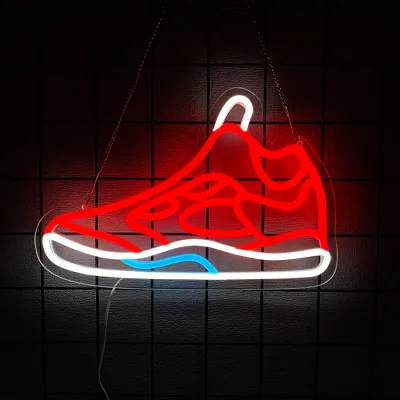
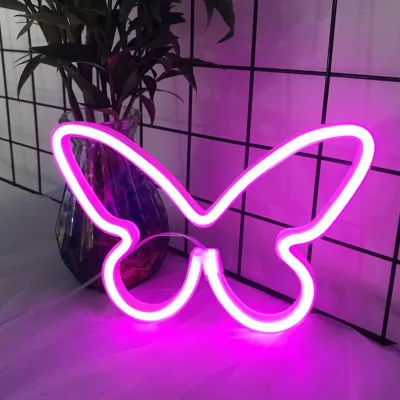
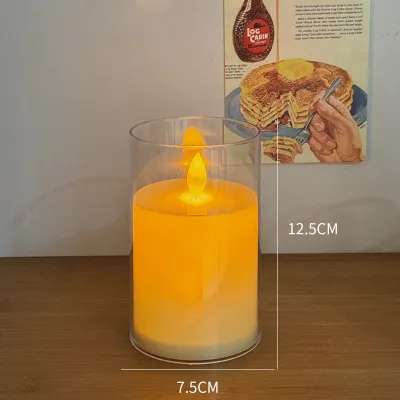
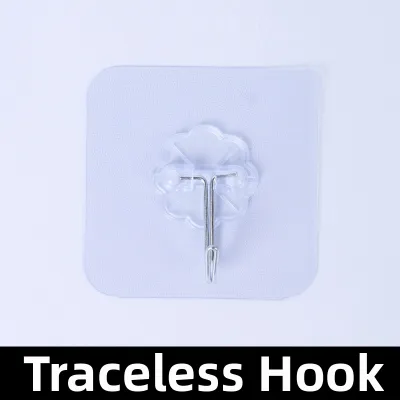
Prices are valid at publication and may change. Please refer to the product page for the latest price.
Local Custom LED Neon Fabricators
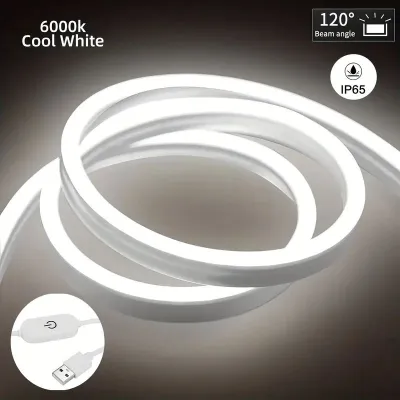
Local custom fabricators specializing in LED neon flex have become the primary choice for modern residential and commercial lighting installations in Singapore. These brands construct signs using highly flexible, low-voltage (typically 12V or 24V DC) LED light strips encased in protective silicone or polyvinyl chloride (PVC) sleeves, which are then mounted onto a solid acrylic backing plate. This solid-state design makes them incredibly shatter-resistant, highly energy-efficient, and cool to the touch, rendering them safe for low-level installations in homes, children’s bedrooms, and busy retail environments.
Reliability in this segment is exceptionally high when dealing with established local fabricators. These providers typically offer comprehensive design consultations, precise computer numerical control (CNC) routing of the acrylic backplates, and robust soldering at all electrical connection points. Furthermore, local custom brands provide direct after-sales support and local warranties that cover both the LED components and the supplied power adapters. Because they operate locally, they can easily service, repair, or modify your sign if any component fails over time.
Traditional Glass Neon Specialists
Traditional glass neon represents the heritage craft of neon signage, where skilled artisans manually bend lead-glass tubing over open flames to match a custom template. These tubes are subsequently vacuum-sealed, backfilled with noble gases such as neon or argon, and excited by high-voltage transformers (ranging from 3,000V to 15,000V AC) to produce their signature 360-degree, organic glow. This traditional method offers an unmistakable warmth and depth of light that LED alternatives cannot perfectly replicate, making it highly sought after for premium hospitality venues, heritage conservation shophouses, and fine art installations.
However, from a practical reliability standpoint, traditional glass neon requires a much higher level of care and investment. The high-voltage requirements necessitate professional installation by qualified personnel, and the fragile glass tubes are susceptible to physical breakage from impacts or vibrations. While the gas inside the tubes can glow for decades, the high-voltage transformers are sensitive to power surges and environmental heat, requiring periodic maintenance and eventual replacement. Glass neon also consumes significantly more electricity than LED equivalents and runs noticeably warm, which must be factored into your air conditioning load and spatial planning.
Mass-Market Online Retailers
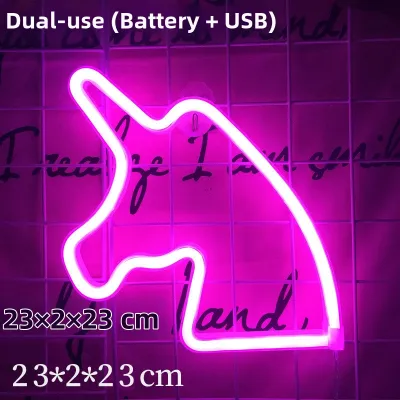
Mass-market online retailers operating through global e-commerce platforms offer ready-made or semi-customisable LED neon signs at highly competitive, budget-friendly prices. These signs are mass-produced in overseas factories and shipped directly to consumers in Singapore. They are ideal for temporary event backdrops, short-term pop-up stalls, or low-risk decorative additions to residential rooms where long-term durability is not a primary concern.
Despite their cost advantage, these online options present the lowest overall reliability. Common pain points include thin, fragile acrylic backings that warp or crack during transit, low-density LED strips that create visible “hotspots” (dark gaps between individual light points), and poor internal soldering that leads to premature circuit failure. Most critically, these imported signs often ship with cheap, unbranded power adapters that lack local electrical safety certifications, posing a genuine fire and electrical shock hazard in your home or business. Additionally, securing a refund or warranty replacement from an overseas seller can be exceptionally difficult once the platform’s initial return window closes.
How to Evaluate Brand Reliability: Quality, Durability, and Value
When comparing neon sign brands, you should look past marketing claims and evaluate the physical specifications of the product. A reliable brand will be transparent about the materials, electrical components, and manufacturing processes they employ.

Build Quality and Material Integrity
To assess the physical build quality of an LED neon sign, ask the provider about the specific materials used for the backing plate and the outer tubing:
- Acrylic Backplate Thickness: A reliable sign should feature a high-quality cast acrylic backing plate with a minimum thickness of 5mm to 8mm. Cheaper brands often use 3mm extruded acrylic, which easily flexes, warps under heat, or cracks when mounted to uneven wall surfaces.
- Silicone vs. PVC Jackets: Premium brands wrap their LED strips in high-grade silicone jackets, which offer superior flexibility, excellent heat dissipation, and resistance to UV-induced yellowing. Lower-tier brands often use PVC jackets, which degrade, become brittle, and discolor quickly when exposed to sunlight or ambient heat.
- LED Density and Soldering: High-quality signs utilize high-density LED strips (typically 120 LEDs per meter or more) to ensure a smooth, continuous line of light without dark spots. The internal wiring should be neatly routed, insulated with heat-shrink tubing, and soldered securely to prevent loose connections.
Durability and IP Ratings
Singapore’s tropical climate—marked by persistent high humidity, heavy rainfall, and intense sunlight—demands careful consideration of where your sign will be installed. If you plan to mount a neon sign outdoors, such as on a commercial storefront, building facade, or open-air balcony, you must verify its Ingress Protection (IP) rating.
Reliable brands will offer signs specifically engineered with IP65 or IP67 ratings for outdoor use. An IP65 rating indicates the sign is dust-tight and protected against water jets from any angle, while an IP67 rating means the sign can withstand temporary submersion in water. These outdoor-rated signs feature fully sealed silicone jackets, waterproof electrical connectors, and potted LED channels to prevent moisture ingress. For indoor installations, a standard non-waterproof sign is sufficient, but it should still be constructed to withstand ambient humidity without experiencing corrosion on the internal circuitry.
Electrical Safety and Compliance
Electrical safety is the most critical factor when evaluating any lighting fixture in Singapore. Because LED neon signs run on low-voltage DC power, they require an external step-down power adapter (transformer) to convert the 230V AC mains electricity.
In Singapore, power adapters plugged directly into wall outlets are controlled goods under the Consumer Protection (Safety Requirements) Registration Scheme. A reliable brand will supply power adapters that carry the distinctive blue Safety Mark issued by Enterprise Singapore. This mark proves the adapter has been independently tested and certified safe for use in local electrical grids. Avoid any brand that supplies unlabelled, generic power bricks, as these lack overcurrent, overvoltage, and short-circuit protection, significantly increasing the risk of electrical fires.
Value, Lifespan, and Warranty
While the upfront cost of a high-quality custom LED neon sign from a local fabricator is higher than an online import, the long-term value is substantially greater. Premium LED neon signs have an expected operational lifespan of 30,000 to 50,000 hours, which translates to over five years of continuous, 24-hour operation.
A reliable brand will back their craftsmanship with a clear, written warranty—typically 12 to 24 months—covering both the LED sign itself and the supplied power adapter. When calculating value, consider the cost of potential replacements; investing in a compliant, well-built sign from the outset prevents the recurring expense and hassle of replacing failed, uncertified units.
Installation and Safety Considerations for Singapore Environments
Installing a neon sign requires careful attention to the physical environment, structural load, and electrical setup to ensure safe operation. Singapore’s unique building styles and climate conditions introduce specific installation boundaries.
Climate and Environmental Factors
Singapore’s high relative humidity can accelerate the degradation of cheap adhesive backings, non-waterproof electrical connections, and poorly ventilated power supplies. When planning your installation, ensure that the power adapter is placed in a well-ventilated area where heat can dissipate naturally; hiding an adapter inside a sealed drywall cavity or a tight ceiling ceiling void can lead to overheating and premature failure. For signs installed near coastal areas (such as East Coast or Sentosa), the salt-laden air can accelerate the corrosion of exposed metal wiring, making fully sealed, outdoor-rated silicone signs a necessity even in semi-sheltered outdoor spaces.
Mounting and Structural Safety
For lightweight indoor LED neon signs, mounting is generally a straightforward process that can be completed without professional assistance. Most reliable brands supply their signs with pre-drilled holes in the acrylic backing and include a complete mounting kit containing stainless steel standoff screws, wall plugs, or hanging chains.
When mounting a sign on typical Singaporean residential walls—which are commonly constructed from reinforced concrete, brick, or drywall—ensure you use the appropriate wall plugs. For concrete walls, a masonry drill bit and plastic wall plugs are required to secure the standoff screws. Avoid using temporary adhesive hooks or double-sided tape for signs weighing more than one kilogram, as Singapore’s humidity can cause adhesives to fail over time, resulting in the sign falling and sustaining damage.
Professional and Safety Boundaries
To ensure safety and maintain product warranties, certain installation scenarios must be handled by qualified professionals rather than attempted as DIY projects:
- Fixed Wiring: If your neon sign needs to be hardwired directly into your property's electrical mains (rather than plugged into a standard wall outlet), or if it is integrated into a commercial lighting control system, the installation must be performed by a Licensed Electrical Worker (LEW).
- Damp and Wet Areas: Installing any neon sign in close proximity to water sources, such as bathrooms, indoor water features, or exposed outdoor patios, requires professional routing of waterproof cabling and the placement of power supplies in dry, IP-rated enclosures.
- Work at Height: Mounting large commercial signage on exterior facades, high storefronts, or elevated ceilings requires professional installers equipped with proper scaffolding, scissor lifts, and safety harnesses to prevent fall injuries.
- Suspended Loads: Heavy signs suspended from ceilings must be anchored securely to structural beams using load-tested steel cables and carabiners, a task that should be certified by a structural engineer or professional installer in commercial settings.
- Power Isolation: Always isolate the electrical power at the main distribution board or unplug the sign before cleaning, adjusting, or performing any maintenance on the fixture.
Decision Framework: Matching the Right Brand Type to Your Use Case
To help you decide which provider type aligns with your specific requirements, use the following conditional decision framework based on your intended application, budget, and safety needs.
| Feature / Requirement | Local Custom LED Fabricator | Traditional Glass Specialist | Online Mass-Market Retailer |
|---|---|---|---|
| Primary Technology | Low-voltage LED neon flex | High-voltage gas-filled glass | Low-voltage LED neon flex |
| Ideal Use Case | Custom home decor, business logos, events | Heritage spaces, luxury bars, art pieces | Temporary signs, budget bedrooms |
| Safety Profile | Highly safe (12V/24V, cool, shatterproof) | Requires care (high voltage, hot, fragile) | Variable (often lacks safety certifications) |
| Lifespan | 30,000 to 50,000 hours | 8,000 to 15,000 hours (transformer-dependent) | Highly variable (often under 10,000 hours) |
| Electrical Compliance | High (Supplies certified Safety Mark adapters) | High (Requires professional LEW installation) | Low (Often ships with uncertified adapters) |
| Local Warranty | Typically 1 to 2 years | Varies by artisan contract | Usually none or very limited |
Choose Local Custom LED Brands if:
- You want a bespoke design, such as your family name for a living room feature wall, a custom wedding backdrop, or a highly detailed corporate logo.
- You prioritize safety, energy efficiency, and a cool-to-the-touch fixture that is safe around children and pets.
- You require a hassle-free, local warranty and want absolute peace of mind that the power supply complies with Singapore's Safety Mark regulations.
- You need a sign that can be easily dimmed, controlled via a remote, or integrated into a smart home system.
Choose Traditional Glass Specialists if:
- You are outfitting a high-end hospitality venue, a retro-themed bar, or a heritage shophouse where the authentic, historical 360-degree glow is central to your brand identity.
- You have a flexible budget that can accommodate the premium hand-crafted fabrication costs, professional installation, and ongoing maintenance.
- The sign will be mounted high out of reach of customers or children, minimizing the risk of physical impact and glass breakage.
Choose Online Mass-Market Retailers if:
- You require a generic, pre-made design (such as a standard "Open" sign, a simple lightning bolt, or a basic heart shape) for a temporary pop-up event or a short-term rental property.
- Your budget is strictly limited, and you are willing to accept the risk of a shorter product lifespan and a lack of local after-sales support.
- You are prepared to independently purchase a separate, high-quality, Safety Mark-certified power adapter to replace the uncertified unit that typically ships with cheap imported signs.
Verify First if:
- The brand or seller cannot provide a clear IP rating for an outdoor installation.
- The provider does not offer a written warranty or lacks a physical address or contact point in Singapore.
- The supplied power adapter does not display the official Safety Mark logo, indicating it has not been certified for local electrical grids.
Frequently Asked Questions (FAQ)
How long do LED neon signs typically last compared to glass neon?
High-quality LED neon signs typically last between 30,000 and 50,000 hours of active use, which equates to approximately 3 to 5 years of continuous operation. This long lifespan is due to the solid-state nature of LEDs, which do not contain fragile filaments or gases that can leak. In contrast, traditional glass neon tubes generally last between 8,000 and 15,000 hours before requiring maintenance. While the glass tubes themselves can last longer if undisturbed, the high-voltage transformers that power them are more prone to failure, and the gas inside can slowly deplete or become contaminated over time, reducing the sign’s brightness and requiring professional servicing.
Can I leave my neon sign on 24/7?
While modern LED neon signs are highly energy-efficient and run cool, it is not recommended to leave them turned on continuously 24/7. Operating any electronic device without interruption accelerates the degradation of the LEDs and places continuous thermal stress on the power adapter, which can significantly shorten the overall lifespan of your sign. To maximize the longevity of your investment and minimize electricity costs, turn the sign off when the room or business is closed. For commercial storefronts, implementing a mechanical timer, a smart plug, or a photocell sensor is an excellent way to automate this process, ensuring the sign only operates during optimal viewing hours.
Community discussion
Share your experience or ask a question. Comments are reviewed before publication.