
Finding the perfect radio clock for a bedroom in Singapore requires balancing audio performance, ease of use, and sleep hygiene. In a landscape dominated by high-rise apartments and dense concrete architecture, not every device can deliver clear radio reception or fit seamlessly into a dark, restful sleeping environment. Brands like Sangean, Sony, Panasonic, and Philips stand out as the most reliable options, each offering distinct advantages in tuner sensitivity, display customization, and physical durability.
To make an informed decision, you must consider how a clock’s physical design and electrical specifications interact with your bedroom environment. From navigating signal blockages in public housing to ensuring the device meets local electrical safety standards, selecting the right bedside companion involves looking closely at several key technical and design criteria.
Key Selection Criteria for Singapore Bedroom Radio Clocks
FM Reception in High-Rises
Singapore’s residential landscape is characterized by high-rise Housing & Development Board (HDB) flats and private condominiums. These buildings are constructed primarily with thick, precast reinforced concrete and steel rebar, which act as highly effective barriers to radio frequency (RF) signals. If your bedroom is situated deep within a building layout or faces away from the primary transmission towers at Bukit Batok, standard FM reception can suffer from severe static and signal fading.
Products mentioned in this guide
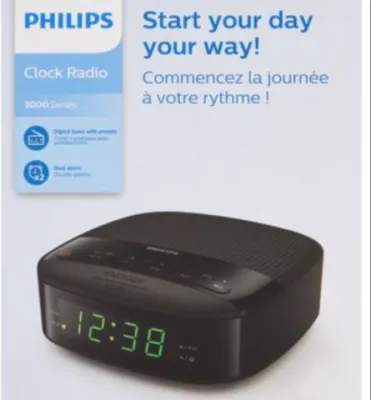
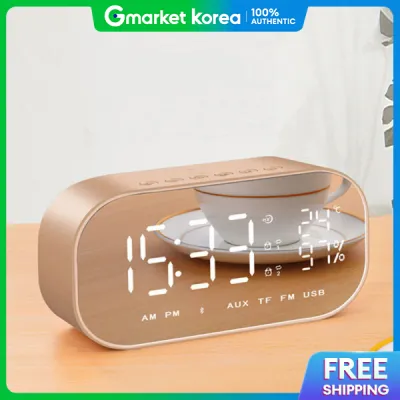
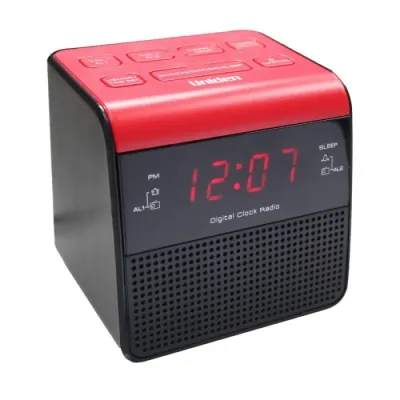
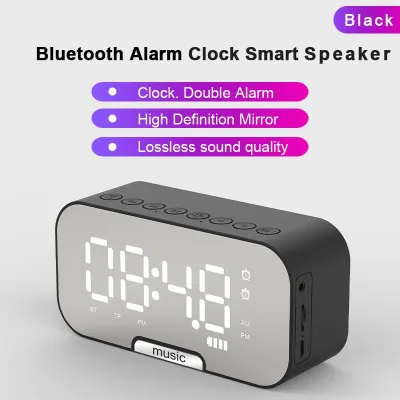
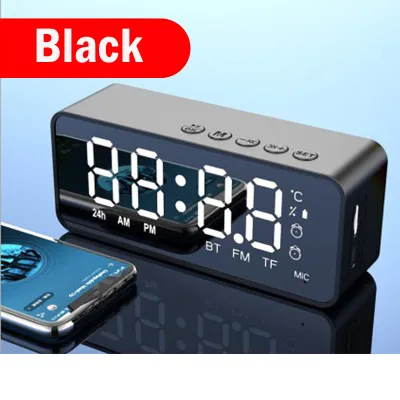
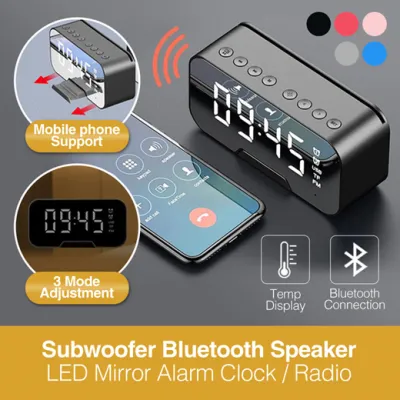
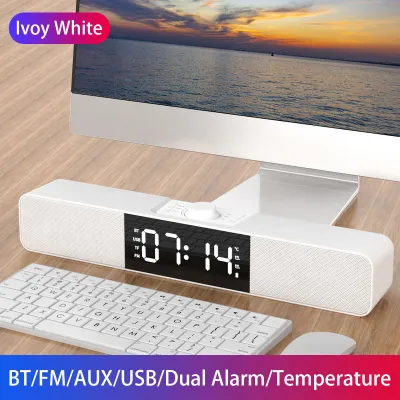
Prices are valid at publication and may change. Please refer to the product page for the latest price.
To combat this, a reliable bedroom radio clock must possess a highly sensitive internal tuner or feature a flexible external antenna. Wire antennas can be uncoiled and positioned to capture signals, while telescopic antennas offer directional adjustments. When evaluating brands, prioritize those known for high-quality radio engineering, as a weak tuner will struggle to deliver clear audio through concrete walls, leaving you with static-heavy morning broadcasts.
Sleep-Friendly Displays
An often-overlooked aspect of bedroom clocks is the impact of display light on sleep quality. Exposure to bright light, particularly blue wavelengths, suppresses the body’s production of melatonin, a hormone necessary for regulating sleep cycles. In a small or medium-sized bedroom, a display that is too bright can illuminate the entire room, disrupting your ability to fall and stay asleep.
Look for radio clocks that offer adjustable brightness settings, such as multi-step dimming or continuous analog dials. Some modern models feature auto-dimming sensors that automatically lower the display intensity when the bedroom lights are turned off. Ideally, the clock should feature a red or amber display, as these wavelengths are less disruptive to night vision and sleep architecture than blue or bright white lights.
Alarm Mechanics
An alarm clock should ease you into the day rather than startle you awake. Gradual wake alarms, which start at a whisper and slowly increase in volume, are far gentler on the cardiovascular system than sudden, loud buzzers. This feature is particularly valuable if you prefer waking up to the morning news or a favorite music station.
Additionally, consider your household’s schedule. If you and your partner wake up at different times, a dual-alarm function is essential, allowing you to set two independent wake-up times without constantly reprogramming the device. Sleep timers are another useful feature, allowing you to fall asleep to a soft radio broadcast that automatically shuts off after a set period, such as 30, 60, or 90 minutes.
Power and Safety Compliance
Singapore’s domestic power grid operates at a standard voltage of 230V AC and a frequency of 50Hz. Any radio clock you purchase must be compatible with these electrical specifications. Importing models designed for other regions, such as North America (which uses 120V), without a proper transformer can damage the device or pose a serious electrical hazard.
For absolute peace of mind, ensure that any direct-plug model or its external AC adapter carries the Singapore Safety Mark. Administered by Enterprise Singapore, this mark indicates that the product has been tested and certified to meet stringent safety standards, protecting your home against electrical short circuits, overheating, and fire risks. This is especially critical for an appliance that remains continuously plugged in right next to your bed.
Top Reliable Radio Clock Brands for Bedroom Use
Sangean: Audiophile-Grade Reception and Sound
Sangean has established a global reputation as a premier manufacturer of dedicated radio equipment. For bedrooms where radio reception is the absolute priority, Sangean models are highly effective. The brand invests heavily in high-quality RF engineering, utilizing sensitive digital signal processing (DSP) tuners that excel at locking onto local FM frequencies even in challenging reception environments like lower-floor HDB flats.

The acoustic design of Sangean radio clocks is another major strength. Unlike basic plastic alarm clocks that produce tinny, hollow sound, Sangean units typically feature acoustically tuned wooden or high-density composite cabinets. This construction delivers warm, balanced audio with clear vocals, making it easy to understand news broadcasts and enjoy music at low, bedroom-friendly volumes. Their displays are designed with sleep in mind, often featuring continuous dimming dials that allow you to reduce the backlight to near-zero intensity.
However, these premium features come with specific trade-offs. Sangean radio clocks tend to have a larger physical footprint than standard digital alarms, which may crowd smaller bedside tables. They also represent a higher financial investment. If you choose this brand, it is wise to check authorized local retailers in Singapore to verify the exact dimensions of the model you want and ensure it fits comfortably within your bedside layout.
Sony and Panasonic: Legacy Reliability and Intuitive Controls
For decades, Sony and Panasonic have been the benchmarks for durable, straightforward consumer electronics. Their radio clocks are designed for longevity, with many users reporting consistent operation over ten or fifteen years. The primary appeal of these heritage brands lies in their highly intuitive, tactile user interfaces.
When fumbling in the dark to silence an alarm or check the time, complex digital menus or capacitive touchscreens can be incredibly frustrating. Sony and Panasonic prioritize physical, well-spaced buttons with distinct textures, making it easy to locate the snooze button or adjust the volume by feel alone. Their timekeeping circuitry is exceptionally stable, minimizing the risk of time drift over months of continuous use. The audio quality is balanced and clean, optimized for clear speech reproduction.
While highly reliable, display dimming capabilities can vary significantly across their product ranges. Budget-friendly models may only offer a simple high/low brightness toggle, which some sensitive sleepers might still find too bright for a completely dark bedroom. Before purchasing, carefully review the specifications of your chosen model to ensure its display dimming options align with your personal preferences.
Philips and Modern Alternatives: Design and Ambient Features
If your bedroom design leans toward modern minimalism or Scandinavian aesthetics, Philips and similar lifestyle-focused brands offer compelling solutions. These manufacturers often blend traditional radio features with contemporary interior design elements, utilizing fabric grilles, sleek rounded shapes, and integrated ambient lighting.
Philips is particularly well-known for its wake-up light models, which combine an FM radio with a light source that simulates a natural sunrise. By gradually increasing light intensity before the audio alarm sounds, these devices help regulate your circadian rhythm, making morning wake-ups feel more natural and less abrupt. Many of these modern designs also feature integrated nature sounds, USB charging ports for mobile devices, and Bluetooth connectivity for wireless streaming.
These design-forward features do, however, introduce certain trade-offs. The radio interfaces on these models are often simplified, relying heavily on digital auto-presets rather than manual tuning dials. The antennas are frequently thin, flexible wires that require precise positioning to avoid static in concrete buildings. If your primary goal is robust, traditional radio performance with quick, manual adjustments, these multi-functional lifestyle models might feel unnecessarily complex.
Comparing Key Features Across Recommended Brands
To help you decide which brand best matches your bedroom setup, the table below summarizes the general characteristics and typical features of their radio clock offerings. Note that specific features, exact dimensions, and pricing will vary depending on the exact model you select and its current availability in local retail outlets.
| Brand | Primary Focus | Best Feature for Bedrooms | Display Dimming Capability | Antenna Type | Ideal User Profile |
|---|---|---|---|---|---|
| Sangean | Acoustic quality & reception | High-sensitivity DSP tuners & warm sound | Continuous analog dial or multi-step | External wire or telescopic | Audiophiles & residents in weak-signal areas |
| Sony & Panasonic | Durability & simplicity | Tactile, easy-to-use physical buttons | Multi-step digital adjustment | Internal ferrite bar or external wire | Practical users seeking long-term reliability |
| Philips & Modern | Aesthetics & wellness | Integrated sunrise simulation & ambient light | Auto-adjusting sensors or app-controlled | Internal or thin trailing wire | Design-conscious users wanting a gentle wake-up |
How to Optimize FM Reception in High-Rise Bedrooms
Antenna Positioning
Because FM signals travel via line-of-sight and are easily attenuated by dense building materials, how you position your radio clock’s antenna can make a dramatic difference in audio clarity. If your clock uses a trailing wire antenna, do not leave it coiled behind the bedside table. Unravel it fully and experiment with routing it vertically or horizontally along the wall.
For the best results, position the radio clock as close to a window as possible. Avoid placing the antenna directly against metal window frames, security grilles, or reinforced concrete pillars, as metal and dense concrete can block or redirect the incoming radio waves. Using small, non-conductive adhesive clips to hold the wire in an extended, elevated position can help maintain a stable, static-free signal.
Interference Management
Modern bedrooms are filled with electronic devices that emit electromagnetic interference (EMI), which can easily degrade analog FM signals. Common culprits include LED light drivers, high-speed USB phone chargers, laptop power bricks, and Wi-Fi routers. These devices often use switching power supplies that generate high-frequency electrical noise.
To prevent this noise from translating into static or a constant background hum on your radio, keep your radio clock at least one to two meters away from other electronic chargers and wireless transmitters. Plugging your radio clock into a separate wall outlet rather than sharing a multi-way extension cord with high-draw chargers can also reduce the amount of electrical noise carried through the power lines.
Alternative Considerations
If you live in a lower-floor apartment surrounded by taller buildings, physical optimization may not be enough to secure a clear FM signal. In these scenarios, it is worth exploring digital alternatives. An internet or Wi-Fi-enabled radio clock can stream local Singapore stations digitally over your home network, bypassing concrete signal blockage entirely.
Alternatively, a compact smart speaker can be configured to act as a bedside alarm, streaming clear digital radio on command. While these options require a active internet connection, they eliminate the frustration of analog static in highly shielded concrete environments.
Frequently Asked Questions (FAQ)
Do I need an external antenna for FM radio in an HDB bedroom?
For most HDB bedrooms, the standard wire or telescopic antenna included with reputable brands like Sangean, Sony, or Panasonic is sufficient to receive major local stations clearly. However, if your room faces away from the Bukit Batok transmission site, is located on a lower floor, or is heavily shielded by adjacent buildings, you may experience static. In such cases, carefully extending and positioning the wire antenna toward the nearest window is usually enough to resolve the issue without needing a bulky external amplified antenna.
Are radio clocks better for sleep hygiene than smartphone alarms?
Yes, dedicated radio clocks are highly beneficial for sleep hygiene. Bringing a smartphone to your bedside introduces blue light exposure, which suppresses melatonin production and disrupts your sleep cycle. Furthermore, smartphones carry the constant distraction of notifications, emails, and social media, which can tempt you into late-night scrolling. A dedicated radio clock removes these digital distractions from your immediate sleeping environment, allowing you to wind down naturally and wake up without immediately reaching for a screen.
Community discussion
Share your experience or ask a question. Comments are reviewed before publication.