
Finding a reliable solar light with motion sensors for a Singapore home requires balancing high humidity, intense UV exposure, and heavy monsoon downpours. The most reliable brands fall into two main categories: premium smart security ecosystems (such as Ring, Arlo, or Philips Hue) which offer exceptional build quality and smart integration, and specialized outdoor value brands (such as those within the Xiaomi ecosystem or dedicated lighting manufacturers like Lepower and Linkind) which deliver cost-effective, standalone illumination.
The right choice depends heavily on your property type—whether you need to navigate HDB corridor regulations, optimize a shaded condo balcony, or illuminate a landed driveway. By focusing on weatherproofing, battery chemistry, and sensor accuracy, you can find a durable lighting solution that keeps your outdoor spaces safe and well-lit without adding to your monthly electricity bill.
What Makes a Solar Light Reliable in Singapore's Climate?
Singapore’s tropical environment presents extreme challenges for outdoor electrical devices. Year-round high temperatures, relative humidity levels that frequently exceed 80%, and sudden, intense monsoon downpours can quickly degrade poorly constructed fixtures. To ensure your solar light survives these conditions, you must look closely at how a product is engineered to handle water, heat, and sunlight.
Products mentioned in this guide
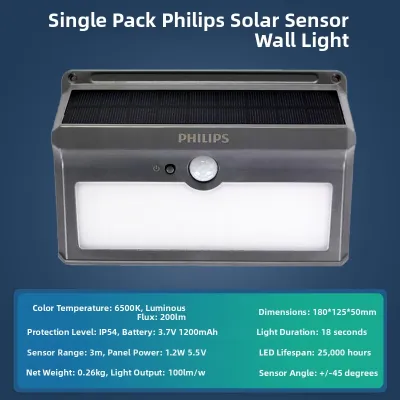
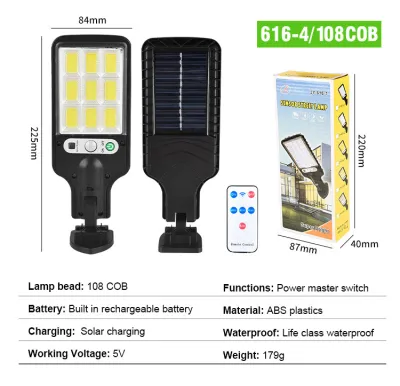
Prices are valid at publication and may change. Please refer to the product page for the latest price.
Water resistance is the most critical factor for longevity. Heavy tropical rainfall requires robust sealing to prevent water ingress, which is the leading cause of premature failure in outdoor lighting. When water penetrates the housing, it corrodes the circuit boards, short-circuits the battery connections, and ruins the LED drivers. A reliable solar light must feature high-quality silicone gaskets and a tightly sealed housing to keep moisture out during the heaviest downpours.
The intense equatorial sun can also quickly degrade cheap materials. Unprotected plastics will yellow, warp, and become brittle within a few months of direct UV exposure, eventually cracking and allowing rainwater to enter. Reliable brands use high-grade, UV-stabilized materials such as polycarbonate or premium Acrylonitrile Butadiene Styrene (ABS) to maintain structural integrity over years of sun exposure.
Furthermore, high ambient temperatures accelerate battery degradation. Standard lithium-ion batteries can lose capacity rapidly or even pose safety risks when constantly exposed to high heat under direct sunlight. Premium solar lights often utilize Lithium Iron Phosphate (LiFePO4) battery chemistry. This chemistry is significantly more heat-tolerant, safer, and boasts a much longer cycle life than typical lithium-ion options, ensuring the light continues to hold a charge even after years in the Singapore heat.
Notable Solar Motion Sensor Brands to Consider
When shopping for outdoor lighting in Singapore, brands generally divide into two categories: established smart home ecosystems and specialized value-oriented outdoor brands. Each category serves different functional needs, installation environments, and budget levels.

Established Smart Home and Security Brands
If you prioritize advanced features, security integration, and premium build quality, established smart home brands are the logical choice. Brands like Ring, Arlo, and Philips (with their outdoor Hue lines and solar accessories) offer highly engineered options that connect with broader home automation setups.
These brands excel in sensor precision. Instead of simple motion detection that triggers every time a leaf blows past or a stray cat walks by, they use advanced software and Passive Infrared (PIR) sensors to distinguish between human movement, pets, and wind-blown vegetation. This dramatically reduces false triggers, conserving battery power for when it is actually needed. They also offer seamless integration with mobile apps, allowing you to adjust sensitivity, set schedules, and receive instant notifications.
The primary trade-off is cost. These systems require a higher initial investment, and some advanced features or cloud-storage options may require ongoing subscription fees. Additionally, because these brands design products for global markets, local buyers must verify that the specific solar-powered models are officially supported and warrantied within Singapore to avoid issues with regional app lockouts or lack of local customer service.
Specialized Outdoor and Value Lighting Brands
For straightforward, standalone illumination without the premium price tag, specialized outdoor lighting brands and value-focused tech ecosystems are highly practical. Brands operating within the Xiaomi/Mijia ecosystem, along with dedicated outdoor lighting specialists like Lepower, Litom, or Linkind, offer robust performance focused purely on illumination.
These products are highly cost-effective and simple to deploy. They operate as plug-and-play units, requiring no Wi-Fi connection, hub, or mobile app to function. Many models feature high-density LED arrays that deliver impressive lumen output for their price point, making them excellent for basic path lighting or security deterrence.
However, these value-oriented brands typically rely on basic PIR sensors without advanced smart filtering, meaning they may trigger more frequently from non-human motion. The housing materials are often simpler, and quality control can vary. When purchasing these brands from online marketplaces, it is critical to read verified user reviews specifically focusing on long-term water sealing and battery performance in tropical climates.
Matching the Right Light to Your Property Type
Singapore’s diverse housing landscape means that a solar light setup that works perfectly for a landed house might be entirely unsuitable—or even prohibited—for an HDB flat or a condominium unit. Selecting a brand and form factor requires careful consideration of your specific living space.
HDB Corridors and Common Areas If you live in an HDB flat, your primary considerations are corridor space constraints, neighborly consideration, and strict regulations. You must choose compact, low-profile solar lights with downward-facing LEDs to avoid casting harsh glare into neighboring windows or common walkways. This ensures your safety lighting does not become a nuisance to those living nearby.
It is crucial to comply with HDB and Town Council guidelines regarding common area obstructions. You must never drill into structural walls, pillars, or fire-rated doors to mount fixtures, as this can compromise building safety and lead to fines. Instead, opt for lightweight brands that can be securely mounted using heavy-duty, outdoor-rated double-sided adhesive tape or magnetic mounts, and ensure the light does not protrude into the minimum clear escape passage of the corridor.
Condo Balconies and Patios Condominium residents often face aesthetic restrictions imposed by Management Corporation Strata Title (MCST) by-laws, alongside the physical challenge of limited direct sunlight. Lower floors or deeply recessed balconies may only receive indirect light, which is insufficient to charge standard integrated solar panels.
For these scenarios, look for brands that offer split-design configurations. These models feature a separate solar panel connected to the light fixture via a thin, weather-resistant cable. This design allows you to mount the light inside your shaded balcony or patio while placing the solar panel on the outer edge or railing where it can capture maximum sunlight, all while maintaining a neat, MCST-compliant appearance.
Landed Property Driveways and Gardens Landed homes offer the greatest flexibility but also require the most robust lighting solutions. Large driveways, side pathways, and expansive gardens require high-lumen, wide-angle floodlights with extensive motion detection ranges to ensure comprehensive security coverage.
For these properties, look for multi-head solar floodlights with adjustable panels and light heads. This allows you to direct the illumination precisely where it is needed—such as down a long driveway and across a garden gate—while positioning the central solar panel toward the unshaded sky. Robust weatherproofing is essential here, as these units will be completely exposed to the elements year-round.
Key Specifications to Verify Before Buying
To avoid buying a product that fails after the first heavy thunderstorm, you should treat product marketing claims with caution and verify specific technical specifications before making a purchase.
IP Rating (Ingress Protection) The IP rating consists of two digits: the first represents protection against solid particles, and the second represents protection against liquids. For Singapore’s intense tropical downpours, look for a minimum rating of IP65, which indicates the light is dust-tight and protected against water jets. For fully exposed areas with no overhead shelter, an IP67 rating offers even greater peace of mind, as it certifies protection against temporary immersion in water.
Solar Panel Type Solar panels generally use either monocrystalline or polycrystalline silicon cells. Monocrystalline panels are highly efficient, converting a higher percentage of sunlight into electricity, and they perform significantly better in low-light, overcast, or partially shaded conditions. Polycrystalline panels are cheaper but less efficient, meaning they require larger surface areas and longer exposure to direct sunlight to achieve the same charge.
Sensor Type and Range Most solar lights use Passive Infrared (PIR) sensors, which detect changes in heat signatures. Ensure the brand specifies a detection angle (ideally 120 degrees or wider) and a detection range (typically 5 to 8 meters) that suits your space. Some premium models utilize microwave sensors, which can detect motion through light barriers like glass or thin plastic, though these can sometimes be overly sensitive in tight residential areas.
Battery Capacity and Chemistry Battery capacity is measured in milliampere-hours (mAh). A higher mAh rating allows the light to run longer on a single charge, which is crucial during consecutive rainy days. Pay close attention to the battery chemistry: Lithium Iron Phosphate (LiFePO4) is highly recommended for Singapore’s heat, as it handles elevated temperatures safely and can last for several thousand charge cycles compared to the few hundred cycles of standard lithium-ion batteries.
Light Output (Lumens) Do not rely on wattage as a measure of brightness, as modern LED efficiency varies widely. Instead, look at the rated lumens. For gentle pathway or decorative accent lighting, 100 to 200 lumens is usually sufficient. For security floodlights or driveway illumination, look for units that deliver 800 to 1,500 lumens or more.
Installation and Maintenance for Tropical Weather
Proper installation and regular maintenance are essential to maximize the lifespan of your solar light in a demanding tropical environment. Even the most reliable brand will underperform if poorly positioned or neglected.
Strategic Placement To achieve a full charge, solar panels require direct, unobstructed sunlight. In Singapore, position the panel facing south or north depending on seasonal solar paths, ensuring it is not shaded by building overhangs, neighboring structures, or growing foliage. Avoid placing the panel directly under existing streetlights or powerful indoor light spillover, as this ambient light can trick the motion sensor’s built-in dusk-to-dawn photocell into thinking it is still daytime, preventing the light from turning on.
Safe Mounting Practices Before mounting any fixture, always consult the product’s manual and your property’s guidelines. For permanent outdoor installations on landed properties, use the manufacturer-supplied stainless steel screws and wall plugs to secure the bracket to masonry. If you are mounting on a delicate surface, a rented property, or an HDB corridor where drilling is restricted, high-quality outdoor-rated mounting adhesives or heavy-duty zip ties may be suitable alternatives, provided the fixture is lightweight and poses no safety hazard if it falls. Always isolate any nearby electrical wiring before installation to prevent accidents.
Routine Cleaning and Care Over time, a film of fine dust, pollen, bird droppings, and atmospheric pollution will accumulate on the solar panel, significantly reducing its charging efficiency. Wipe the panel clean every few months using a soft, damp microfiber cloth and plain water; avoid harsh chemical detergents or abrasive scrubbers that can scratch the protective glass. Regularly inspect the housing seals for signs of moisture ingress or condensation, and ensure the motion sensor lens remains clear of dirt and cobwebs.
Frequently Asked Questions (FAQ)
Do solar motion lights work during Singapore's monsoon season?
Yes, solar motion lights will still function during the monsoon season, but their performance and runtime will be reduced. Solar panels do not require perfectly clear skies to charge; they can still generate electricity from diffuse daylight on overcast days, though at a fraction of their maximum capacity. To mitigate the impact of prolonged cloudy weather, choose brands that feature high-efficiency monocrystalline panels, larger battery capacities, and energy-saving modes (such as dim standby lighting that only brightens when motion is detected). Some premium models also feature USB backup charging ports, allowing you to manually charge the battery indoors during extended periods of heavy rain.
Can I install solar lights outside my HDB flat door?
Yes, but you must strictly adhere to HDB and Town Council regulations. Any fixture installed in a common corridor must not obstruct the walkway or create a safety hazard for neighbors and emergency services. You must avoid drilling into structural walls or common property without prior written permission from your Town Council. Furthermore, ensure the light is angled downward and has a moderate brightness level so that it does not cast an intrusive glare directly into neighboring units, which could lead to complaints and requests for removal.
How long do the batteries in solar motion lights typically last?
In Singapore’s hot climate, the internal batteries of solar lights typically last between two to four years before showing significant degradation. Continuous exposure to high ambient temperatures accelerates the chemical aging of lithium-ion batteries, leading to a reduced capacity to hold a charge. You will know the battery needs replacing when the light stays on for only a short duration or fails to illuminate even after a fully sunny day. To extend the lifespan of your investment, look for brands that design their fixtures with accessible, user-replaceable battery compartments rather than sealed units that must be entirely discarded when the battery fails.
Community discussion
Share your experience or ask a question. Comments are reviewed before publication.