
Selecting a reliable solar light for Singapore’s unique residential spaces requires a careful balance of technical performance, environmental assessment, and regulatory compliance. Because public housing corridors and private condominium entrances present vastly different physical layouts and rules, a one-size-fits-all approach to outdoor lighting often leads to premature product failure or disputes with property management. By understanding how to evaluate technical specifications, installation boundaries, and product claims, you can secure a durable lighting solution that keeps your pathways safe and well-lit.
To find a fixture that stands up to the local climate, you must look beyond basic aesthetic appeal. The ideal solar light must be able to harvest sufficient energy in semi-sheltered environments while resisting the high humidity, intense UV exposure, and heavy downpours characteristic of the tropical climate. Focusing on verifiable build quality and appropriate installation methods ensures your lighting choice remains functional and compliant for years to come.
Understanding the Lighting Needs of HDB Corridors and Condo Gates
HDB common corridors and condominium entrance gates present distinct environmental conditions that directly impact how a solar light performs. Most HDB corridors are semi-sheltered, featuring concrete ceilings and overhanging ledges designed to block direct rain and sun. While this design protects residents from the elements, it also severely restricts the amount of direct sunlight available to charge solar panels, meaning fixtures installed here must be highly efficient at capturing ambient or indirect light.
Products mentioned in this guide
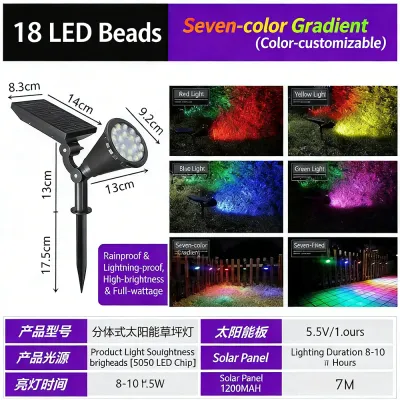
Prices are valid at publication and may change. Please refer to the product page for the latest price.
In contrast, condominium entrance gates and private outdoor pillars are typically fully exposed to the elements. These areas receive abundant direct sunlight throughout the day, which is excellent for charging batteries but subjects the light fixtures to intense ultraviolet (UV) radiation and extreme surface heat. Over time, this exposure can degrade low-quality plastics, causing them to turn yellow, become brittle, and crack, which eventually allows water to seep into the internal electronics.
Sunlight availability in Singapore is highly dependent on architectural orientation and surrounding structures. A north-south facing HDB corridor may receive almost no direct sunlight for most of the year, relying entirely on reflected light from neighboring blocks. Conversely, an east-west facing condo gate will experience intense, direct sunlight for half the day, requiring a fixture with superior thermal stability to prevent the internal battery from overheating.
Before purchasing any fixture, you must also consider the regulatory framework governing your property. HDB common corridors are public property managed by local Town Councils, which enforce strict rules regarding obstruction, safety, and unauthorized modifications. Condominium common areas are governed by Management Corporations Strata Title (MCST) guidelines, which often prioritize aesthetic uniformity and restrict residents from drilling into shared structural pillars or external walls.
Key Specifications to Evaluate for Reliability
To ensure a solar light can withstand Singapore’s demanding weather patterns, you must carefully evaluate its Ingress Protection (IP) rating. The IP rating consists of two digits: the first measures protection against solids, and the second measures protection against liquids. For semi-sheltered HDB corridors, an IP54 rating is generally sufficient to protect against dust and light splashes of wind-driven rain.

For fully exposed condominium gates, you should look for a minimum rating of IP65 or IP66. An IP65-rated fixture is completely dust-tight and can withstand water jets from any angle, making it highly resilient against intense monsoon downpours. Choosing a lower-rated fixture for an exposed outdoor area almost guarantees water ingress, which leads to short circuits and rapid corrosion of the internal wiring.
The type of solar panel integrated into the fixture plays a critical role in its charging efficiency. Monocrystalline solar panels are highly recommended for residential areas because they offer the highest conversion efficiency, typically between 15% and 22%. This high efficiency is crucial for HDB corridors where direct sunlight is scarce, as monocrystalline panels can generate usable power even under overcast skies or indirect ambient light.
Polycrystalline panels, which are recognizable by their blue speckled appearance, are less expensive but offer lower conversion efficiency, usually between 13% and 16%. While polycrystalline panels may perform adequately on a fully exposed condo gate that receives hours of direct sunlight, they are generally unsuitable for shaded corridors. Investing in a monocrystalline panel ensures the battery receives a viable charge even during the prolonged rainy seasons.
Battery chemistry is another vital specification that determines the lifespan and safety of the solar light. Lithium Iron Phosphate (LiFePO4) batteries are vastly superior to standard Lithium-ion (Li-ion) batteries for outdoor applications in tropical climates. LiFePO4 batteries can safely withstand higher operating temperatures without degrading and typically offer a lifespan of over 2,000 charge cycles, compared to just 300 to 500 cycles for standard Li-ion batteries.
When evaluating the motion sensor, Passive Infrared (PIR) technology is the industry standard for residential walkways. PIR sensors detect changes in infrared radiation, which is the heat emitted by human bodies and animals. This technology is highly effective at preventing false triggers from wind-blown leaves, shadows, or passing cars, ensuring the light only activates when a person is actually approaching the area.
To maximize battery conservation, look for a PIR sensor with an adjustable detection range and angle. A standard detection angle of 120 degrees and a range of 3 to 5 meters is usually ideal for HDB corridors, preventing the light from triggering every time a neighbor moves inside their own unit. For wider condo gate areas, a broader detection angle of 180 degrees may be necessary to cover all entry points effectively.
Installation Constraints and Safety Boundaries
Installing a solar light in a shared residential space requires non-destructive mounting methods to avoid damaging property and violating building codes. For HDB corridors, drilling into the concrete walls or ceilings is generally prohibited without prior authorization from the Town Council. Instead, look for lightweight fixtures that can be securely mounted using heavy-duty, outdoor-rated double-sided acrylic tape or magnetic mounts if attaching to metal door frames.
If you are mounting a light onto a corridor grille or gate, heavy-duty UV-resistant nylon zip ties provide a secure, non-permanent attachment method that can be easily removed if necessary. For condominium gates, where fixtures are often heavier and exposed to strong winds, mechanical fastening is usually required. Always consult your MCST management office to obtain permission before drilling into any common property walls or pillars.
Proper alignment of the light fixture and its sensor is essential to maintain neighborly harmony and road safety. In close-quarters HDB corridors, a poorly aimed motion sensor can trigger constantly due to activity in a neighboring unit, causing annoyance and wasting battery power. Angle the light downward so that the illumination zone is confined to your immediate doorway and does not shine directly into your neighbor’s windows.
For condo gates situated near public roads, ensure the light and sensor are not positioned where they can blind oncoming drivers or be falsely triggered by passing vehicular traffic. The light should be directed downward toward the walking path or gate lock, and the sensor should be masked or angled to focus strictly on the pedestrian entry zone.
Safety must always be your primary concern during installation, especially when working at heights. Use a stable, fully opened A-frame ladder on a flat, non-slip surface, and never stand on the top step. If the installation requires mounting a heavy fixture high on a concrete pillar or integrating it with existing electrical infrastructure, stop the DIY process immediately and hire a qualified handyman or licensed electrical contractor.
Navigating Purchases and Verifying Product Claims
Online marketplaces are flooded with low-cost solar lights making highly exaggerated performance claims. It is common to see small, inexpensive fixtures advertised as producing tens of thousands of lumens or possessing battery capacities that are physically impossible for their size. To avoid disappointment, you must learn to cross-reference these marketplace descriptions with realistic technical standards.
A realistic light output for a compact, wall-mounted solar motion sensor light ranges from 100 to 800 lumens. Any listing claiming several thousand lumens for a pocket-sized device is highly misleading. Additionally, verify the physical dimensions of the solar panel; a tiny panel simply cannot generate enough wattage to charge a massive battery pack, regardless of what the product description claims.
When purchasing a solar light, prioritize sellers that offer a clear, local warranty rather than those shipping directly from overseas with no local presence. A local warranty of 6 to 12 months provides peace of mind, allowing you to easily exchange the unit if it fails during the first major monsoon season. Check if the seller has an established physical office or an authorized service center in Singapore to facilitate hassle-free returns.
Analyzing user reviews critically is another effective way to filter out unreliable products. Ignore short-term reviews that only comment on the fast delivery or the initial brightness out of the box. Instead, look for detailed, long-term reviews written after several months of use, paying close attention to mentions of battery degradation, water leakage, or physical deterioration of the plastic casing.
Be skeptical of generic, unbranded products that lack comprehensive specification sheets. Reliable manufacturers will readily provide detailed datasheets detailing the exact battery chemistry, solar panel wattage, IP rating, and operating temperature range. If a seller cannot provide these basic technical details, it is best to look for an alternative product from a transparent, reputable brand.
Maintenance and Troubleshooting for Longevity
Regular maintenance is essential to keep your solar motion sensor light operating at peak efficiency. In Singapore’s urban environment, solar panels quickly accumulate a fine layer of dust, soot from nearby traffic, and organic grime. This accumulation blocks sunlight and can reduce the panel’s charging efficiency by 20% or more over just a few months.
To clean the solar panel, use a soft, damp microfiber cloth and plain water to gently wipe away dirt and debris. Avoid using abrasive scrubbing pads, harsh chemical detergents, or window cleaners, as these can scratch or chemically degrade the protective plastic or glass coating on the panel. Establish a routine to wipe down the panel once every two to three months, or more frequently if you live near a busy road.
Over time, you may observe signs of battery failure or sensor malfunction. If your solar light only stays illuminated for a few minutes after a full day of sun, or if it fails to turn on at all, the battery has likely reached the end of its useful life. Another common issue is a constantly active light, which usually indicates a damaged PIR sensor dome or water ingress inside the sensor housing.
If you suspect a battery issue, check if your fixture features a user-replaceable battery compartment. Many high-quality solar lights use standard rechargeable battery sizes, such as 18650 or 32650 cells, which can be easily swapped out. Replacing the battery is a highly cost-effective way to extend the life of an otherwise functional light fixture, reducing electronic waste.
However, if the battery compartment is completely sealed or shows signs of severe corrosion and water damage, attempting a repair is unsafe. In such cases, the entire unit should be replaced. When disposing of old solar lights and their lithium batteries, never throw them into standard household waste; instead, take them to a designated e-waste recycling point located across Singapore to ensure safe and environmentally friendly disposal.
Frequently Asked Questions (FAQ)
Do I need management approval to install solar lights in HDB corridors?
Yes, you should generally consult your local Town Council before installing any fixtures in HDB common corridors. Under Town Council by-laws, common corridors, stairwells, and outer walls are classified as common property, and unauthorized installations or modifications are technically prohibited. Furthermore, the Singapore Civil Defence Force (SCDF) enforces strict fire safety guidelines requiring a minimum clear escape passage of 1.2 meters along all common corridors.
To remain compliant, avoid drilling permanent holes into corridor walls or ceilings, as this can lead to fines and demands for removal. Opt instead for temporary, non-destructive mounting methods like magnetic hooks or removable outdoor adhesive tape. Ensuring your light does not obstruct the walkway, protrude dangerously at head height, or shine directly into neighboring units will greatly minimize the likelihood of complaints or enforcement action.
Can solar motion sensor lights work effectively in heavily shaded walkways?
Standard integrated solar lights do not perform well in heavily shaded walkways or deep HDB corridors that receive no direct sunlight. Because these fixtures rely on the solar panel being physically attached to the light body, placing the light in a dark area means the panel cannot harvest enough energy to charge the battery, resulting in very short runtimes or complete failure to illuminate.
For shaded areas, a split-panel solar light is a highly effective alternative. These systems feature a separate solar panel connected to the light fixture via a long, weather-resistant cable, typically 3 to 5 meters in length. This design allows you to mount the solar panel high up on an exposed parapet or outer ledge where it can receive direct sunlight, while the light fixture itself is positioned exactly where you need it in the shaded corridor.
Community discussion
Share your experience or ask a question. Comments are reviewed before publication.