
Selecting the right solar string lights for your outdoor space in Singapore requires looking beyond basic aesthetics. The combination of intense equatorial sunshine, high humidity, and sudden tropical downpours means that standard decorative lighting can quickly fail if not built to withstand these specific conditions. To find a reliable brand, you must evaluate technical specifications like weatherproofing, battery chemistry, and solar panel efficiency alongside your design preferences.
This guide breaks down how to evaluate solar string light brands for the Singapore climate, analyzes the three main categories of brands available locally, and provides a clear framework for comparing technical specifications. By understanding these factors, you can choose a durable lighting setup that will beautifully illuminate your balcony, patio, or garden for years to come.
How to Evaluate Solar String Light Brands for Singapore's Climate
Singapore’s tropical rainforest climate presents unique challenges for outdoor electronic devices. High relative humidity, consistent warmth, and heavy seasonal rainfall mean that cheap, unbranded solar lights often fail within a few weeks of exposure. To ensure you invest in a brand that lasts, you must look closely at how their products are engineered to handle these environmental stressors.
Products mentioned in this guide
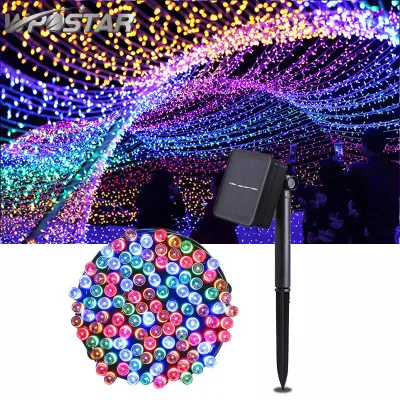
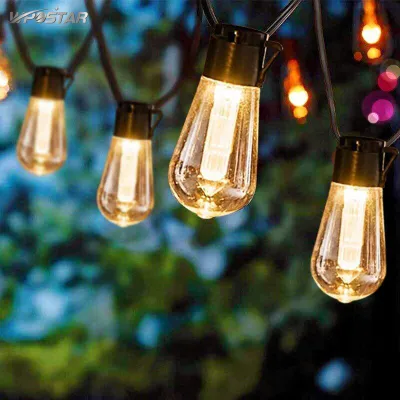
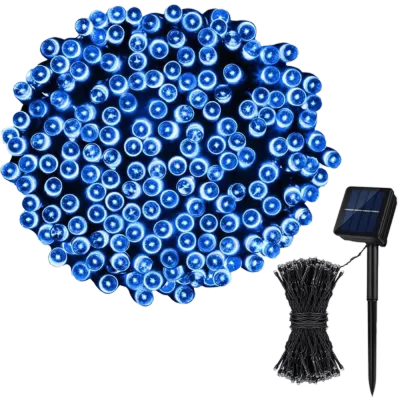
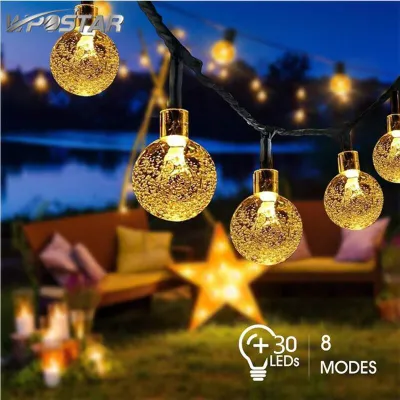
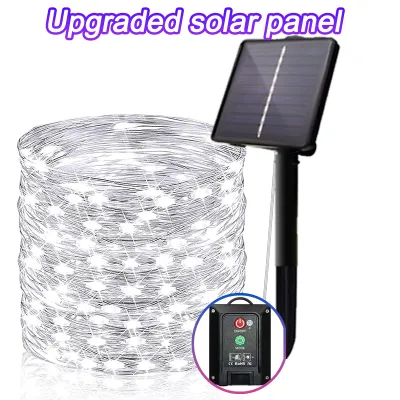
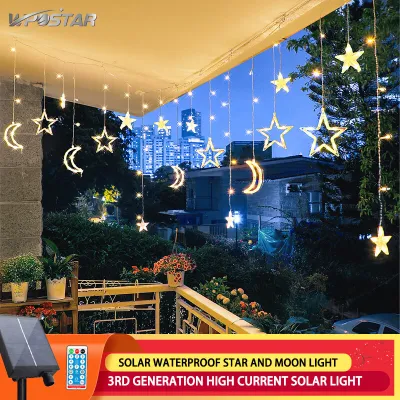
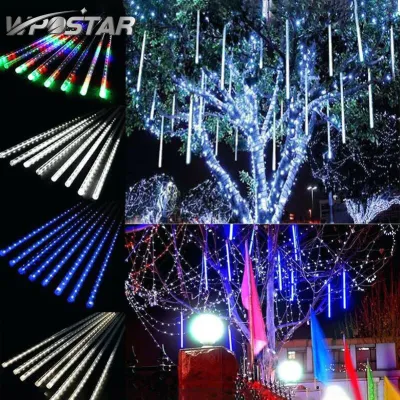
Prices are valid at publication and may change. Please refer to the product page for the latest price.
Ingress Protection (IP) Ratings
An Ingress Protection (IP) rating indicates how effectively an electrical enclosure seals against solids and liquids. The rating consists of two digits: the first represents protection against solid objects like dust, and the second represents protection against liquids. For outdoor solar string lights in Singapore, you should look for brands that offer an IP65 rating or higher.
An IP65 rating means the product is completely dust-tight and can withstand water jets projected by a nozzle from any direction. This is the minimum standard required to survive heavy monsoon downpours. If you plan to install lights in highly exposed areas, such as along an open garden fence or an uncovered pergola, look for IP67-rated brands. These units can survive temporary immersion in water, ensuring that even localized pooling during intense storms will not ruin the internal circuitry. Avoid IP44-rated lights for fully exposed outdoor areas, as they are only splash-proof and will likely fail during a severe thunderstorm.
Battery Chemistry and Heat Resistance
Most consumers focus entirely on the solar panel, but the battery inside the control box is often the first component to fail. Solar string lights typically use one of two battery types: standard Lithium-ion (Li-ion) or Lithium Iron Phosphate (LiFePO4). Understanding the difference is critical for tropical climates.
Standard Lithium-ion batteries are common in budget-friendly brands. However, they degrade rapidly when exposed to high ambient temperatures and direct sunlight, which can easily push the inside of a solar control box past 40°C. Over time, this heat exposure reduces the battery’s capacity, leading to shorter run times at night.
In contrast, Lithium Iron Phosphate (LiFePO4) batteries offer superior thermal stability and safety. They can withstand higher operating temperatures without significant degradation and boast a much longer lifespan—often lasting up to 2,000 charge cycles compared to the 300 to 500 cycles of standard Li-ion batteries. Choosing a brand that utilizes LiFePO4 chemistry ensures your lights will continue to hold a charge even after years of exposure to the Singapore sun.
Material Durability and UV Resistance
Continuous exposure to intense ultraviolet (UV) radiation near the equator can cause rapid material degradation. Cheap plastics quickly become brittle, yellow, and crack, which allows moisture to seep into the light fixtures and wiring.
When evaluating brands, look for those that specify the use of UV-resistant materials. For the bulb casings, heavy-duty polycarbonate or acrylic is highly preferred over standard glass or cheap polystyrene, as these materials resist yellowing and are virtually shatterproof. For the wiring, look for heavy-duty rubberized cables (such as neoprene or SJTW-rated cords) rather than thin PVC wires. Rubberized cables remain flexible and intact under constant sun exposure, preventing the micro-cracks that lead to short circuits.
Solar Panel Efficiency in Diffused Light
Singapore experiences frequent cloud cover, urban shading from high-rise HDB flats or condominiums, and haze. Because of this, solar panels rarely receive uninterrupted, direct sunlight throughout the day. The efficiency of the solar panel determines how quickly it can convert limited daylight into stored energy.
Look for brands that use monocrystalline solar panels rather than polycrystalline ones. Monocrystalline panels are made from a single pure silicon crystal, giving them a higher energy conversion efficiency (typically 15% to 22%) and better performance in low-light or overcast conditions. Polycrystalline panels, which have a speckled blue appearance, are cheaper but less efficient (typically 13% to 16%), meaning they may struggle to fully charge the battery during the rainy season.
Categories of Solar String Light Brands Available Locally
To navigate the local market effectively, it helps to understand how brands are positioned. Solar string lights in Singapore generally fall into three distinct categories, each offering a different balance of price, durability, and features.

Established Global Lighting Brands
These are multinational consumer electronics and lighting corporations that design high-end outdoor illumination systems. While they may not focus exclusively on decorative fairy lights, they often have premium outdoor solar product lines that integrate seamlessly into broader home lighting ecosystems.
- Strengths: These brands offer exceptional build quality, rigorous safety certifications, and highly reliable components. Many feature smart home integration, allowing you to control schedules, brightness, and color profiles via Wi-Fi, Bluetooth, or Zigbee protocols. Their water-sealing technology is highly engineered, resulting in very low failure rates.
- Trade-offs: The primary drawback is the premium price point, which can be several times higher than specialized or local brands. Additionally, their product lines tend to favor clean, minimalist, or modern architectural designs rather than whimsical, highly decorative shapes.
- Buying Advice: Always verify that you are purchasing from an authorized local distributor to secure a valid Singapore warranty. If you choose a hybrid solar/plug-in model, check that the backup power adapter is compatible with Singapore's 230V electrical standard and carries the safety mark if required.
Specialized Solar and Decor Brands
These brands focus entirely on solar-powered outdoor lighting and decorative fixtures. They cater directly to homeowners looking to create specific visual themes, from cozy rustic patios to festive holiday displays.
- Strengths: You will find an immense variety of aesthetic styles, including vintage Edison-style bulbs, delicate copper wire fairy lights, colorful globes, and themed holiday shapes. They offer excellent cost-effectiveness, providing high-quality decorative designs at mid-range prices. Many of these brands also include thoughtful features like detachable solar panels and USB backup charging ports.
- Limitations: Because these brands operate in a highly competitive mid-market space, component quality can vary. While the outer designs are beautiful, the internal battery cells or rubber gaskets may not be as robust as those from global giants, leading to potential degradation after a year or two of continuous outdoor exposure.
- Buying Advice: To vet these brands, carefully read verified purchaser reviews on local e-commerce platforms. Pay close attention to reviews written after six months or a year of use, specifically looking for mentions of water ingress, rust on metal components, or sudden drops in battery performance.
Local Home Improvement and Hardware Labels
These are house brands or regional labels distributed by established home improvement chains and hardware stores physically operating in Singapore.
- Strengths: The single greatest advantage of buying a local hardware brand is the convenience of local customer support. If a string of lights fails, you can easily walk into a physical store to exchange it under warranty. Furthermore, local retailers often curate products that are pre-tested to handle Singapore's high-humidity environment.
- Trade-offs: These products are generally basic and utilitarian. You are unlikely to find advanced smart home connectivity, app controls, or highly complex lighting modes. The packaging and overall design presentation are also typically simpler.
- Buying Advice: This category is ideal if you prioritize hassle-free after-sales service and want a straightforward, reliable lighting setup without paying a premium for smart features.
Key Specifications to Compare Before Purchasing
Once you have decided on a brand category, you should compare specific models to find the one that best fits your outdoor layout. The table below outlines the key performance metrics you should check on the product packaging or specification sheet.
| Product Class / Style | Typical Lumen Output | Average Battery Capacity (mAh) | Target Charge-to-Run Ratio | Recommended Light Temperature | Ideal Decorative Use Case |
|---|---|---|---|---|---|
| Heavy-Duty Edison Bulbs | 30 to 50 lm per bulb | 2,000 to 4,400 mAh | 6 hours charge / 8 hours run | Warm White (2700K – 3000K) | Dining patios, pergolas, and large open terraces |
| Delicate Copper Wire | 1 to 3 lm per bulb | 600 to 1,200 mAh | 8 hours charge / 6 hours run | Warm White or RGB | Wrapping tree trunks, balcony railings, planters |
| High-Output Path Globes | 10 to 20 lm per bulb | 1,200 to 2,000 mAh | 6 hours charge / 10 hours run | Cool White (5000K) or Warm | Lining garden paths, steps, or boundary fences |
Interpreting Lumen Output
Lumens measure the total amount of visible light emitted by a source. For decorative string lights, more lumens are not always better. If you want to create a cozy, intimate atmosphere for a balcony dining area, look for a lower lumen output (around 1 to 10 lumens per bulb). If you need the string lights to provide functional illumination for a dark pathway or steps, opt for heavy-duty bulbs that offer 30 to 50 lumens per bulb.
Selecting Light Temperature
Light temperature is measured in Kelvin (K). This choice is entirely a matter of personal preference and the specific mood you want to create:
- Warm White (2700K to 3000K): Emits a soft, golden glow that mimics traditional incandescent bulbs. This is highly recommended for relaxing outdoor spaces, cozy balconies, and residential gardens.
- Cool White (5000K to 6500K): Emits a bright, clean, slightly blue-toned light. This is best suited for modern architectural designs, high-visibility security lighting, or commercial outdoor spaces.
- RGB (Multi-color): Allows you to switch between various colors. This is ideal for festive occasions, holiday decorations, or lively outdoor parties.
*
Understanding the Charge-to-Run Time Ratio
Because Singapore’s daylight hours are relatively consistent year-round, you can expect roughly 12 hours of daylight, but the actual intensity of that sunlight varies due to weather. A reliable solar string light should have an efficient charge-to-run ratio.
Look for models that can achieve a full charge within 6 to 8 hours of typical daylight and sustain at least 8 hours of continuous operation at night. If a product requires 10 to 12 hours of direct, unshaded sunlight to run for just 4 hours, it will likely leave your garden dark before the evening is over, especially during the monsoon season.
Installation and Maintenance Tips for Tropical Weather
Proper installation and regular maintenance are essential to maximize the lifespan of your solar string lights in Singapore’s harsh climate.
Solar Panel Placement
To ensure your lights charge effectively, you must position the solar panel where it receives maximum daylight.
- Avoid Obstructions: Keep the panel away from dense tropical foliage, HDB or condominium balcony overhangs, and neighboring buildings that cast long shadows.
- Separate Panel Positioning: If you want to hang the decorative string lights in a fully shaded area (like a covered patio or under a thick tree canopy), choose a brand that features a detached solar panel. This allows you to string the lights in the shade while mounting the solar panel on a sunny rooftop, fence top, or garden stake several meters away.
- Angle for Runoff: Tilt the solar panel slightly (around 15 degrees) rather than mounting it completely flat. This angle helps rainwater run off the surface naturally, preventing water pooling and reducing the buildup of dirt.
Routine Cleaning
In urban areas, dust, pollen, and bird droppings can quickly accumulate on the surface of the solar panel. This debris blocks sunlight and significantly reduces charging efficiency.
- Cleaning Steps: Once a month, gently wipe down the solar panel surface with a damp microfiber cloth.
- Avoid Harsh Chemicals: Do not use abrasive scrubbing pads, dish soap, or harsh chemical cleaners, as these can scratch or degrade the protective coating on the panel, permanently reducing its light transmission.
Monsoon Checks
During periods of heavy, driving rain, water can find its way into even well-sealed compartments through capillary action.
- Inspect the Gaskets: Every few months, especially before the wet season, check the rubber seals around the battery compartment and control box. Ensure the gaskets are seated flat and show no signs of cracking or dry rot.
- Dry Out Moisture: If you notice condensation inside a bulb casing or the control box, turn off the system immediately. Open the compartment, dry it thoroughly with a soft cloth, and let it air dry in a shaded area before reassembling and turning it back on.
Safety Boundaries and Electrical Precautions
Always prioritize safety when installing and maintaining outdoor lighting systems.
- Work at Height: If you are mounting solar string lights along high gutters, rooflines, or tall trees, always use a sturdy, stable ladder. Never climb onto wet surfaces, and have a second person nearby to assist you.
- Professional Help: If your decorative lighting setup involves complex structural support, integration with your home's main electrical board, or high-altitude climbing, consult a qualified professional contractor or licensed electrician.
- Power Isolation: For hybrid solar/plug-in systems, always isolate the power source before handling the wiring or replacing bulbs. Never touch electrical plugs or adapters with wet hands.
- Severe Weather: If a severe thunderstorm or tropical gust is expected, and your lights are mounted in an easily accessible area, it is wise to switch them off or temporarily bring delicate wire models indoors to prevent wind damage.
Frequently Asked Questions (FAQ)
Do solar string lights work well during Singapore's monsoon season?
Solar string lights can still function during the monsoon season, but their performance will be reduced due to persistent overcast skies. Because solar panels rely on light energy rather than heat, they will continue to charge under cloud cover, but at a much slower rate.
To ensure reliable lighting during wet months, choose brands that feature larger monocrystalline panels and higher battery capacities. Alternatively, look for specialized brands that offer hybrid charging options, such as a USB port on the solar panel control box, allowing you to manually charge the battery indoors when there are consecutive days of heavy rain.
Can I leave solar string lights outside all year round?
High-quality solar string lights designed with IP65 weatherproofing and UV-resistant materials can safely remain outdoors year-round in Singapore. However, continuous exposure to intense equatorial heat, humidity, and rain will eventually accelerate the wear and tear on any outdoor electronic device.
To maximize the lifespan of your lights, perform seasonal checks on the wiring to ensure it has not become brittle. If you plan to travel for an extended period, or if you are using delicate decorative lights (like ultra-thin copper wire fairy lights) for a specific festive season, it is highly recommended to pack them up and store them indoors when not in use. This simple step protects the components from unnecessary weather exposure and significantly extends their operational life.
Community discussion
Share your experience or ask a question. Comments are reviewed before publication.