
Selecting a reliable table clock for your home in Singapore requires balancing timekeeping precision, material durability against tropical humidity, and acoustic comfort. While many generic options exist, established brands like Seiko, Rhythm, and Braun offer the most dependable quartz movements and silent sweep mechanisms. For those seeking traditional craftsmanship or heirloom-quality aesthetic statements, heritage brands like Bulova and Howard Miller provide exceptional build quality, provided their materials are carefully matched to your indoor environment.
In Singapore’s compact urban living spaces, a table clock is more than just a functional time-telling device; it is a key piece of home decor. Because these clocks are often placed on bedside tables, study desks, or living room consoles, they must operate quietly and withstand the unique challenges of a warm, humid climate. Understanding how different brands approach these environmental and functional demands will help you make an informed investment that lasts for years.
Defining Reliability for Table Clocks in Singapore's Climate
To choose a truly reliable table clock, you must first understand what reliability means in the context of Singapore’s unique environment. Timekeeping accuracy is the most fundamental requirement. Quartz movements utilize a tiny synthetic quartz crystal that vibrates at a precise frequency of 32,768 Hz when an electric current is applied. This technology is incredibly robust, typically keeping time to within 15 to 20 seconds per month without requiring any physical adjustments. In contrast, mechanical movements rely on a complex network of springs, gears, and escapements. While they possess immense horological charm, they are highly sensitive to gravity, temperature changes, and physical shocks, requiring manual winding and periodic professional calibration to remain accurate.
Products mentioned in this guide
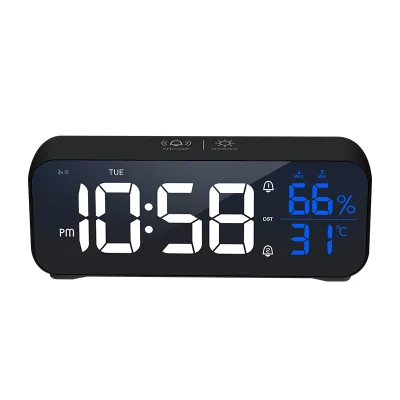
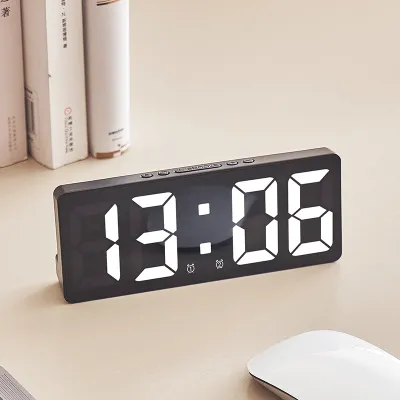
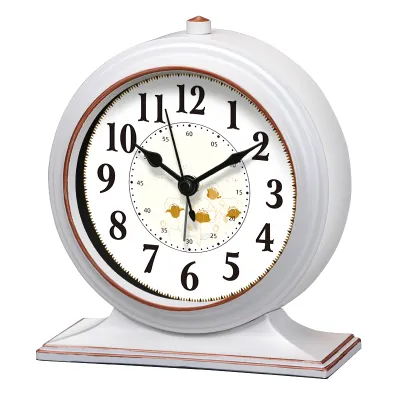
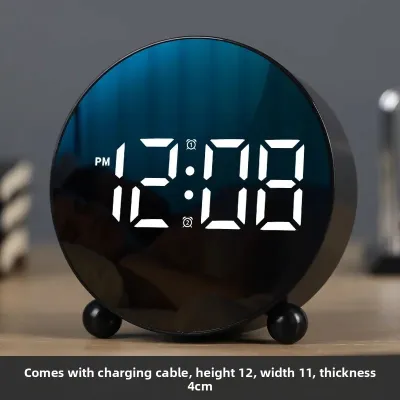
Prices are valid at publication and may change. Please refer to the product page for the latest price.
Material resilience is another critical factor due to Singapore’s tropical climate, where relative humidity averages around 84% year-round and often peaks higher during monsoon seasons. Moisture can easily penetrate unprotected clock casings, causing internal damage. Untreated medium-density fibreboard (MDF) or softwoods can absorb water vapor, leading to warping, swelling, and mold growth. Ferrous metals without protective coatings will oxidize and rust over time, seizing the delicate gears inside. To ensure long-term reliability, look for table clocks constructed from high-grade ABS resins, stabilized plastics, glass, or metals treated with anti-corrosive finishes like anodized aluminum or lacquered brass.
Lastly, acoustic reliability plays a significant role in modern Singaporean homes, such as HDB flats or studio apartments, where background noise is often very low at night. Traditional quartz movements utilize a step-motor that moves the second hand forward once per second, producing an audible “tick” sound. In a small bedroom or a quiet home office, this repetitive sound can become highly distracting or disrupt sleep. Silent sweep movements, which use a continuous-motion motor to glide the second hand smoothly around the dial, eliminate this mechanical noise entirely, providing a peaceful environment for resting or working.
Trusted Table Clock Brands for Singapore Homes
Several globally recognized brands have established a strong reputation for producing reliable, high-quality table clocks. Each brand offers distinct advantages in terms of movement technology, design philosophy, and material choices.

Seiko and Rhythm: The Quartz Precision Standards
Seiko, a pioneer in quartz technology, is synonymous with Japanese engineering excellence. Their table clocks are celebrated for their exceptional accuracy, robust build quality, and energy efficiency, with many models running for over a year on a single standard alkaline battery. From compact, high-contrast bedside alarms to elaborate rotating decorative clocks, Seiko offers a diverse range of styles that fit seamlessly into Singaporean homes. Their “Quiet Sweep” technology is particularly well-regarded, offering a completely silent second hand that is ideal for bedrooms and study spaces.
Rhythm is another Japanese powerhouse, globally recognized for its mastery of decorative and musical clocks. If you appreciate hourly chimes or complex mechanical movements but want the worry-free reliability of quartz, Rhythm is an excellent choice. Many of their models feature built-in light sensors, often called automatic night shut-off, which automatically disable all chimes and melodies once the room darkens, ensuring your sleep remains undisturbed. They also offer highly reliable step and sweep quartz movements housed in beautifully finished cases.
Both Seiko and Rhythm enjoy widespread distribution in Singapore, meaning you can easily find them at authorized department stores, specialized clock retailers, and local watch shops. This strong local presence ensures that obtaining genuine replacement parts, securing warranty service, or finding professional assistance is convenient and reliable. Standard battery replacements are simple and require no specialized tools, making these brands highly practical for everyday home use.
Braun: Minimalist Design with Silent Movement
Braun table clocks represent the pinnacle of functional minimalism, heavily influenced by the legendary design principles of Dieter Rams. The brand’s philosophy focuses on clarity, simplicity, and ease of use, resulting in clocks with clean dials, high-contrast hands, and zero unnecessary decorative clutter. This aesthetic makes Braun an exceptional match for modern Singaporean interiors, such as minimalist, industrial, or Scandinavian-style apartments where clean lines and functional design are highly valued.
Beyond their visual appeal, Braun clocks are highly regarded for their silent quartz movements. The sweeping second hand operates without any audible ticking, making these clocks perfect for study desks, bedside tables, or home offices where absolute quiet is required for concentration or rest. Their alarm clocks also feature intuitive, easy-to-use switches and reliable crescendo alarms that gradually increase in volume, preventing a jarring wake-up experience.
The primary limitation of Braun is its narrow design focus. If you prefer a traditional aesthetic, warm wood finishes, ornate carvings, or classic chiming features, Braun’s utilitarian, plastic-cased, and monochromatic designs will not suit your preferences. Their clocks are designed strictly as functional, modern tools rather than elaborate decorative centerpieces.
Bulova and Howard Miller: Heritage and Decorative Craftsmanship
For those who view a table clock as a significant decorative statement or a potential family heirloom, Bulova offers classic American heritage designs. Their collection features elegant mantel clocks with rich wood finishes, polished brass accents, rotating pendulums, and protective glass domes. These clocks bring a sense of formal sophistication and timeless charm to living rooms, entryways, or formal dining spaces, serving as excellent conversation pieces.
Howard Miller is globally renowned for crafting premium, substantial mantel and table clocks. Utilizing solid hardwoods like cherry, oak, and mahogany, along with precision-engineered mechanical or high-end quartz movements, Howard Miller clocks are built to last for generations. Their designs often incorporate intricate Westminster chimes and classic dial layouts that serve as beautiful focal points in traditional or transitional spaces, representing a dedication to classic furniture craftsmanship.
However, these heritage clocks require careful consideration in Singapore’s tropical climate. Solid wood and polished metal finishes are highly sensitive to humidity; without proper care, the wood can warp and the metal can tarnish. Furthermore, mechanical models require regular manual winding and professional servicing every few years to keep the delicate internal gears running smoothly, making them a much higher-maintenance option than their Japanese quartz counterparts. If you choose these brands, they are best kept in air-conditioned rooms where temperature and humidity are consistently regulated.
Matching Clock Features to Your Room and Lifestyle
To get the most out of your table clock, it is important to match its specific features to the environmental conditions and functional needs of the room where it will be placed.
- Bedrooms and Study Rooms: In these spaces, prioritizing sleep hygiene and mental focus is essential. Look for table clocks featuring silent sweep movements to eliminate distracting ticking sounds. Luminous hands and markers—ideally using non-radioactive, light-storing materials like Seiko's LumiBrite—or a gentle, push-button backlight are highly beneficial. These features allow you to check the time in the middle of the night without exposing your eyes to the disruptive blue light of a smartphone screen.
- Living Rooms and Mantels: In larger communal areas, a table clock can serve as an artistic centerpiece. Here, you can opt for larger dials, bold materials, and decorative features like moving pendulums or hourly chimes. When selecting a chiming clock, always verify that it includes a manual volume control dial and an automatic light-activated shut-off sensor. This ensures you can enjoy the classic auditory appeal of the clock during the day while maintaining a quiet home at night.
- High-Humidity and Semi-Outdoor Areas: Spaces like kitchens, bathrooms, or sheltered balconies are subject to steam, grease, and temperature variations. For these environments, completely avoid clocks with exposed paper dials, cardboard backings, or untreated wooden frames, as they will quickly degrade, warp, or grow mold. Instead, choose clocks with fully sealed resin or plastic cases, protective glass or acrylic covers, and rubber gaskets around the battery compartment to shield the delicate internal movement from moisture.
Essential Pre-Purchase Checks for Singapore Buyers
Before finalizing your purchase, going through a practical checklist will help you avoid compatibility issues and ensure you receive proper after-sales support.
- Power Source Verification: The vast majority of reliable table clocks operate on standard alkaline batteries (typically AA or AAA), which are highly practical and safe. However, if you are considering a digital, smart, or heavily illuminated table clock that requires a mains power connection, you must verify the electrical specifications. Singapore's electrical grid operates on a 230V, 50Hz standard using Type G three-pin plugs. Ensure the clock's power adapter explicitly supports this voltage range; using a clock designed solely for 110V (such as models imported directly from the US or Japan) without a step-down transformer will permanently damage the device and pose a safety hazard.
- Radio-Controlled (Wave) Clock Limitations: Many premium table clocks from Japanese or German brands feature radio-controlled timekeeping, which automatically synchronizes the clock with atomic time signals broadcast via low-frequency radio waves. It is crucial for Singapore buyers to understand that these signals (such as JJY from Japan or BPC from China) do not reliably reach Singapore due to the immense geographical distance and interference from local high-rise concrete buildings. Consequently, a radio-controlled clock will function only as a standard quartz clock in Singapore. If automatic synchronization is a must-have feature, look for modern smart clocks that connect via Wi-Fi or Bluetooth instead.
- Warranty and Local Servicing: While purchasing a clock from overseas online marketplaces might offer a lower upfront price, it often leaves you without a valid local warranty. For premium brands like Seiko, Rhythm, Bulova, or Howard Miller, purchasing through authorized local distributors or official brand stores in Singapore is highly recommended. This guarantees that you receive an authentic product and gives you access to local service centers, genuine replacement parts, and qualified technicians who can properly service or repair your clock.
- Physical Dimensions and Weight: Traditional mantel clocks and high-end decorative table clocks can be surprisingly heavy and deep, often featuring solid wood cases, heavy brass plates, or thick glass panels. Before buying, carefully measure the depth, width, and height of the shelf, console table, or mantelpiece where you plan to display the clock. Ensure the supporting furniture can safely bear the clock's weight, especially if you are placing it on a floating shelf, to prevent accidental falls and damage.
Frequently Asked Questions (FAQ)
Do mechanical table clocks survive Singapore's humidity?
Yes, mechanical table clocks can survive and function beautifully in Singapore, but they require active environmental care. The intricate brass and steel gears inside a mechanical movement rely on specialized oils that can degrade faster, attract dust, or dry out when exposed to high humidity and temperature fluctuations. To protect your investment, display mechanical clocks in air-conditioned rooms where humidity levels are naturally managed, and keep them away from open windows, kitchens, or bathrooms. Additionally, plan to have the movement professionally cleaned, oiled, and regulated by a qualified clockmaker every three to five years.
Why isn't my radio-controlled (wave) clock syncing in Singapore?
Radio-controlled clocks are designed to receive time-calibration signals from atomic clock transmitters, with the closest stations located in Henan, China (approximately 4,000 kilometers away) and Kyushu, Japan (approximately 5,000 kilometers away). Because these low-frequency radio signals have an effective maximum range of about 1,500 to 2,000 kilometers under optimal conditions, Singapore lies well outside their broadcast zone. Your clock will not be able to receive the signal and must be set manually. It will continue to run with the standard, highly reliable accuracy of its internal quartz movement.
How do I clean a glass or acrylic table clock face safely?
To clean your clock face without causing scratches or damage, begin by gently blowing away any loose dust or grit. Use a dry, clean, high-quality microfiber cloth to gently wipe the surface in a circular motion. If there are stubborn smudges or fingerprints, slightly dampen the microfiber cloth with distilled water, ensuring it is not wet. Never spray water, glass cleaners, or household chemical sprays directly onto the clock face, as the liquid can easily seep through the edges of the lens, damaging the dial, hands, or internal electronic movement. Avoid using paper towels, abrasive pads, or harsh solvents like alcohol or acetone, which can permanently scratch glass or cause acrylic faces to become cloudy.
Community discussion
Share your experience or ask a question. Comments are reviewed before publication.