
Creating an outdoor oasis on a Singapore balcony or patio requires lighting that can withstand the elements. When searching for the best fairy lights outdoor setups, reliability hinges on understanding how tropical weather conditions affect electrical components. Singapore’s climate—characterized by sudden, torrential downpours, high relative humidity averaging 84%, and intense UV exposure—presents a uniquely hostile environment for outdoor electronics. To ensure your lighting remains safe and functional year-round, you must prioritize high Ingress Protection (IP) ratings, robust material construction, and local electrical safety certifications.
Choosing the right brand involves looking past aesthetic appeal to evaluate structural engineering. Leading smart lighting brands and specialized commercial-grade manufacturers design their products with heavy-duty rubberized cabling, UV-stabilized coatings, and fully sealed LED modules. By focusing on these technical specifications, you can select outdoor lights that not only elevate your evening ambiance but also deliver long-term durability without posing electrical hazards.
Decoding Waterproof Ratings for Fairy Lights Outdoor in Tropical Climates
To find the most durable fairy lights outdoor options, you must first master the Ingress Protection (IP) rating system. An IP rating consists of two digits: the first measures protection against solid particles like dust (ranging from 0 to 6), while the second measures protection against liquids (ranging from 0 to 9). For outdoor installations in Singapore, the second digit is critical. While IP44 lights are commonly sold as “outdoor-safe,” they are only splash-proof and should be restricted to fully covered, sheltered balconies where wind-blown rain cannot reach them.
Products mentioned in this guide
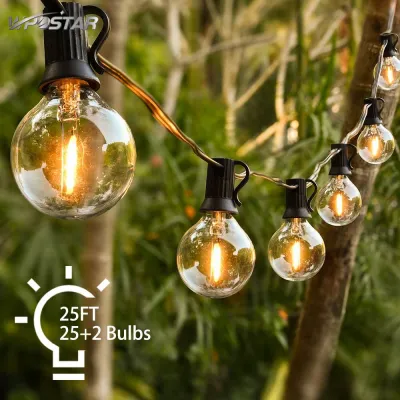
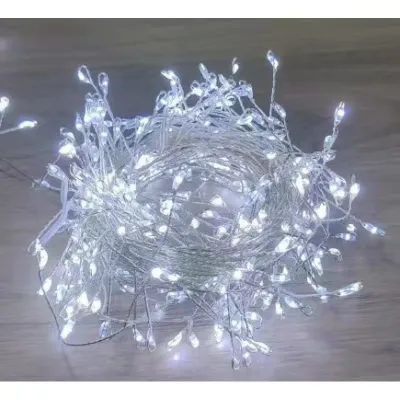
![[SG SELLER FAST DELIVERY] 10M 100 LEDs Fairy String Light Outdoor Waterproof Christmas Party String Decoration](https://img.lazcdn.com/g/p/aafe897d612b2db94eada2e570975aff.jpg_400x400q80.jpg_.webp)
![[SG SELLER Ready Stock]10M 100LED Fairy Light 220V Plug Fairy String Light Indoor Outdoor Garden Christmas Tree Wedding Birthday Lighting Decoration](https://img.lazcdn.com/g/p/d2780906cda95b4d8a0b91168f414ba9.jpg_400x400q80.jpg_.webp)
Prices are valid at publication and may change. Please refer to the product page for the latest price.
For fully exposed areas such as open patios, garden paths, or rooftop terraces, IP65 is the minimum acceptable standard. IP65-rated lights are designed to withstand low-pressure water jets from any angle, meaning they will easily survive Singapore’s intense monsoon downpours. If you plan to install lights close to the ground where water might temporarily pool, or along low-lying garden borders, opting for IP67-rated fixtures is highly recommended. IP67 lights can withstand temporary immersion in water up to one meter deep for 30 minutes, providing an extra layer of safety during flash floods.
Beyond water ingress, Singapore’s intense solar radiation poses a severe threat to outdoor plastics. Ultraviolet (UV) rays degrade standard polyvinyl chloride (PVC) insulation, causing it to turn yellow, lose its flexibility, and eventually crack. Once the outer insulation cracks, moisture easily penetrates the wiring, leading to short circuits and potential shock hazards. When evaluating outdoor lights, look for cables made from UV-resistant silicone or heavy-duty neoprene rubber. These materials maintain their elasticity and protective qualities even after years of exposure to direct tropical sunlight.
High relative humidity is another silent killer of outdoor electronics. When warm, humid air cools down at night, condensation can form inside poorly sealed light bulbs or controller boxes. This internal moisture causes rapid corrosion of the delicate copper circuitry and solder joints. To prevent this, reliable outdoor brands utilize over-molded construction, where the LED chip, resistor, and wire connections are completely encased in a solid block of protective resin or silicone, leaving no air gaps for condensation to form.
Choosing the Right Power Source for Your Balcony or Patio
Selecting the ideal power source for your outdoor lighting depends on your property layout, access to power outlets, and desired level of convenience. Whether you are decorating an HDB balcony or a spacious landed property garden, each power option presents distinct trade-offs in terms of performance, installation effort, and weather resilience.

| Power Source | Brightness Consistency | Installation Effort | Weather Dependency | Safety Considerations | Best Suited For |
|---|---|---|---|---|---|
| Solar-Powered | Variable (depends on daily sunlight) | Very Low (no wiring to mains) | High (overcast days reduce runtime) | Extremely Safe (low voltage, no mains connection) | Fully exposed gardens, open balconies, and areas far from outlets |
| Plug-In (Mains) | Excellent (constant, reliable output) | Moderate (requires proximity to outlet) | Low (unaffected by weather) | Requires IP-rated sockets and SAFETY Mark adapters | Year-round daily use, smart home integration, and large-scale displays |
| Battery-Operated | Declines as batteries discharge | Low (highly portable) | Moderate (battery box must be protected) | Risk of battery leakage and terminal corrosion | Temporary event lighting, dining table accents, and sheltered balconies |
Solar-Powered Fairy Lights
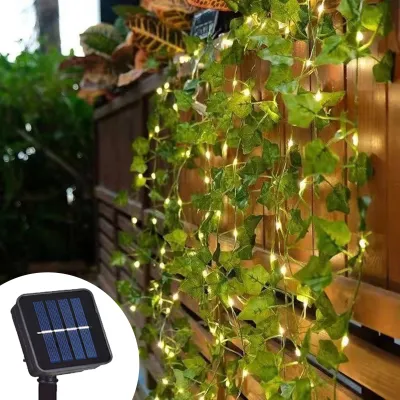
Solar-powered lights offer an environmentally friendly and highly flexible solution, as they do not require access to an electrical outlet. However, their performance in Singapore is highly weather-dependent. During the Northeast Monsoon season, prolonged overcast skies and heavy cloud cover can reduce the solar panel’s energy intake by up to 80%, resulting in dim lights that run for only a fraction of their normal duration. To maximize their efficiency, you must position the solar panel where it receives at least six hours of direct, unobstructed sunlight daily—ideally on the outermost edge of a balcony railing facing south or west.
Plug-In and Smart LED Strips
For consistent, high-intensity brightness and seamless integration with smart home ecosystems, plug-in mains-powered systems are the premier choice. These systems allow you to schedule operating hours, adjust brightness levels, and coordinate color schemes via mobile applications. Because they draw power directly from your home’s electrical grid, they are completely unaffected by weather patterns. However, they require careful routing of cables and must be connected to outdoor-rated, weatherproof electrical outlets. If you must use an extension cord, it must be specifically rated for outdoor use, and all connection points must be housed in weatherproof enclosures.
Battery-Operated Options
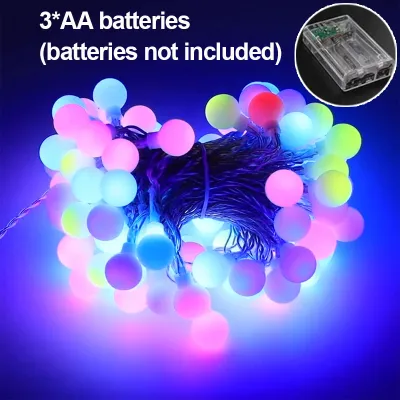
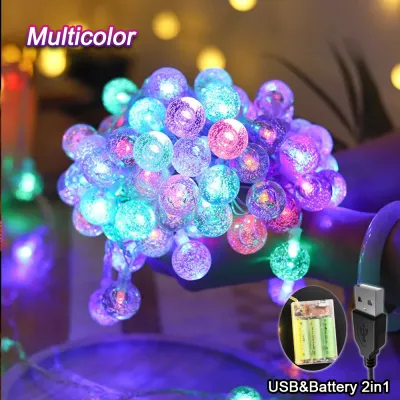
Battery-operated fairy lights provide unmatched portability for quick, temporary setups, such as outdoor dinner parties or festive decorations on a sheltered balcony. Despite their convenience, they are poorly suited for permanent outdoor installation. The ongoing cost of replacing disposable batteries quickly accumulates, and even high-capacity rechargeable batteries drain rapidly under continuous use. Furthermore, Singapore’s persistent high humidity accelerates the oxidation of metal contacts within the battery compartment. If moisture penetrates the seal, it can cause the batteries to leak toxic chemicals, permanently ruining the fixture.
How to Identify Trustworthy Outdoor Lighting Brands
The market is flooded with inexpensive, unbranded decorative lights, but saving money upfront often leads to frequent replacements and safety hazards. Choosing established smart lighting brands or specialized outdoor manufacturers ensures that you receive products built to withstand harsh tropical conditions while complying with strict electrical safety standards.
Checking for Local Safety Certifications
In Singapore, safety is paramount when dealing with electrical appliances connected to the main power supply (230V, 50Hz AC). Any plug-in adapter, transformer, or LED driver sold locally must carry the Enterprise Singapore SAFETY Mark. This certification indicates that the product has undergone rigorous testing to ensure it complies with local safety standards, protecting your home from electrical fires, short circuits, and power surges. Avoid purchasing unbranded plug-in lights from overseas online marketplaces that lack this certification, as they often use substandard transformers that can overheat or fail during a power fluctuation.
Evaluating Build Quality and Materials
When assessing the physical durability of outdoor lights, pay close attention to the specifications of the wiring and bulb casings. High-quality outdoor lights typically feature thick, multi-core copper wiring wrapped in heavy-duty rubber insulation rather than thin, single-strand copper encased in cheap plastic. For string lights, opt for shatterproof polycarbonate LED bulbs instead of glass bulbs; polycarbonate is highly resistant to impact, ensuring the bulbs will not shatter if blown against a concrete wall or railing during high-wind storms. Additionally, inspect the joints where the bulb sockets meet the main wire—trustworthy brands use over-molded, rubberized T-junctions that prevent water from seeping into the electrical contacts.
A reliable brand will also back its engineering with a clear, comprehensive warranty. Look for manufacturers that offer at least a one-to-two-year warranty specifically covering outdoor usage, and verify that they have an accessible local customer service presence in Singapore. A local distributor or service center makes the replacement process straightforward if a component experiences premature failure due to unexpected water ingress.
Safe Installation and Weatherproofing Tips for HDB Spaces
Installing outdoor lights on an HDB balcony or patio requires a balance between aesthetic appeal, structural preservation, and strict safety protocols. Because HDB guidelines generally prohibit drilling into external structural walls or columns, you must utilize non-destructive mounting techniques that secure your lights without damaging the building’s exterior.
Mounting Without Damaging Surfaces
To hang your lights securely without drilling, utilize heavy-duty, UV-resistant zip ties to secure cables along balcony railings or grilles. For flat wall surfaces, opt for outdoor-rated adhesive clips specifically engineered to withstand high humidity and temperature fluctuations. Before applying the adhesive, clean the mounting surface thoroughly with rubbing alcohol to remove dirt and oils, allowing the bond to cure fully for 24 hours before hanging the lights. Another excellent option for balconies is a weather-resistant tension rod placed between two walls, which provides a sturdy, temporary framework for draping string lights.
Protecting Electrical Connections
Even when using high-quality IP65-rated lights, the connection points where different light segments join or where the light string connects to the power adapter remain highly vulnerable to water ingress. To seal these connections against moisture, apply a small amount of dielectric grease to the male and female pin connectors before plugging them together; this specialized grease repels water and prevents corrosion without disrupting electrical conductivity. Once connected, wrap the joint tightly with self-amalgamating tape. Unlike standard electrical tape, self-amalgamating tape is non-adhesive but chemically fuses to itself when stretched and wrapped, creating a seamless, waterproof rubber sleeve around the connection.
Safety must always be your top priority during installation. Before mounting, adjusting, or handling any outdoor lighting components, ensure the main power source is switched off. If your outdoor space lacks a dedicated exterior electrical outlet, never run standard indoor extension cords through open windows or doors where they can be pinched and damaged. Instead, consult a licensed electrical worker (LEW) registered with the Energy Market Authority (EMA) of Singapore to install a permanent, IP-rated outdoor socket with an integrated residual current circuit breaker (RCCB) to protect against ground faults. Always refer to the manufacturer’s instructions for maximum run lengths and wattage limits to prevent overloading your circuits.
Routine Maintenance to Extend the Lifespan of Outdoor Lights
While high-quality outdoor lights are built to endure the elements, performing routine maintenance every three to six months will significantly extend their operational lifespan and ensure they remain safe to use. Neglecting basic upkeep can lead to unnoticed material degradation, increasing the risk of electrical failure.
Begin your maintenance routine with a thorough visual inspection. Examine the entire length of the cable for any signs of wear, such as cracking, fraying, or discoloration caused by UV exposure. Check the bulb casings to ensure they remain tightly sealed and free of hairline fractures. If you are using battery-operated systems, open the battery compartment and inspect the metal terminals for any green or white powdery residue, which indicates corrosion. If you spot any exposed wiring or damaged seals, immediately disconnect the power and replace the compromised section.
To keep your lights shining at their maximum brightness, clean them periodically to remove accumulated dust, pollen, and salt residue from the air. Unplug the lights from the power source and wipe down the bulbs and cables using a soft, damp microfiber cloth. Avoid using harsh chemical solvents, abrasive scrubbing pads, or high-pressure water sprays, as these can strip away protective UV coatings, degrade silicone seals, and force water past waterproof gaskets. Allow the entire assembly to dry completely before plugging it back in.
If you plan to take down your lights during extended periods of non-use, such as when traveling or during the peak of the monsoon season, proper storage is essential. Ensure the lights are completely dry before packing them away, as storing damp lights in a sealed container will foster rapid mold and mildew growth. Wrap the cables loosely in large, neat loops to prevent internal copper strands from snapping, and store them in a cool, dry, well-ventilated indoor space. Adding a few silica gel desiccant packets to the storage container will help absorb any residual moisture, keeping the electrical components pristine until their next deployment.
Frequently Asked Questions (FAQ)
Can I leave outdoor fairy lights on during a heavy thunderstorm?
It is highly recommended to turn off and unplug your outdoor fairy lights during severe tropical thunderstorms. Although IP65 and IP67 ratings protect against heavy rain and water splashing, they do not shield the electrical system from the massive voltage surges caused by nearby lightning strikes. A lightning surge can easily travel through the grid, bypass standard surge protectors, and destroy the LED drivers or smart controllers. Unplugging the power adapter from the wall socket is the safest way to protect your lighting investment and your home’s electrical system.
Do smart LED light strips work reliably in high humidity?
Yes, smart LED light strips can operate reliably in Singapore’s high humidity, provided you select models specifically rated for outdoor use (IP65 or higher) and take steps to protect their control modules. The LED strip itself is typically sealed in a protective silicone sleeve, but the smart controller—which houses the Wi-Fi or Bluetooth chips—is often more sensitive to moisture. To ensure reliable connectivity and prevent short circuits, always house the smart controller inside an IP-rated weatherproof junction box or install it indoors, routing only the low-voltage output cable to the outdoor space.
How do I safely remove adhesive mounts from HDB balcony walls?
To remove adhesive mounts without peeling the exterior paint or damaging the wall’s waterproofing layer, use a hairdryer on a low-to-medium heat setting to warm the adhesive backing for one to two minutes. The heat will soften the adhesive, allowing you to slowly and gently peel the clip away from the wall at a shallow angle. Avoid pulling the clip straight out, as this can tear the paint. If any sticky residue remains on the wall, wipe it away using a soft cloth dampened with warm, soapy water or a mild adhesive remover safe for exterior painted surfaces.
Community discussion
Share your experience or ask a question. Comments are reviewed before publication.