
To keep an HDB emergency kit reliable in Singapore’s humid climate, the most dependable waterproof torch light brands are specialist tactical brands like Fenix, Nitecore, and Olight for high-performance durability, alongside trusted household names like Energizer and Maglite for simple, long-term battery storage. Selecting the right brand requires balancing advanced water-resistance ratings against straightforward usability, ensuring that every family member can operate the light instantly during a power outage or localized emergency.
While many homeowners view a torch as a simple utility, Singapore’s unique environmental conditions demand careful consideration. A torch stored in a household shelter or utility drawer must remain fully functional despite years of exposure to high ambient moisture. By understanding the technical specifications and brand strengths available locally, you can assemble an emergency kit that performs flawlessly when you need it most.
Why HDB Emergency Kits Need Specific Torch Light Features
Singapore’s tropical climate features relative humidity levels that frequently exceed 80% year-round. This persistent moisture poses a silent threat to stored electronics, causing rapid oxidation of electrical contacts and accelerating battery self-discharge. A waterproof torch light is therefore essential even for indoor HDB use, as its sealed chassis prevents humid air from degrading the internal circuitry over years of storage. Without a proper seal, a torch left in a drawer for a long period may fail to activate due to corroded contact springs or internal moisture damage.
Products mentioned in this guide
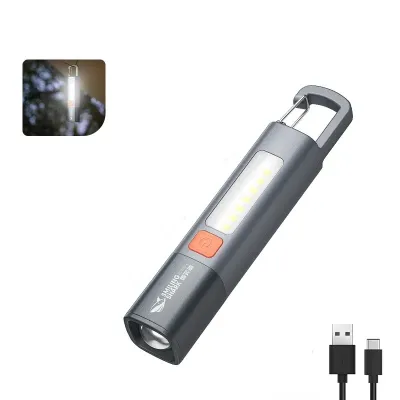
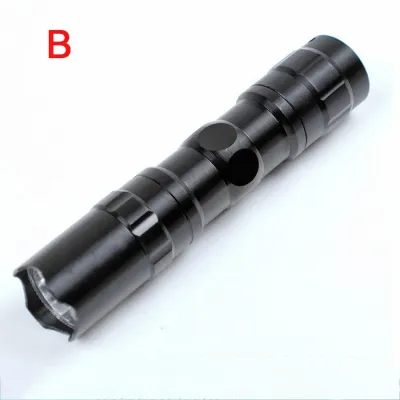
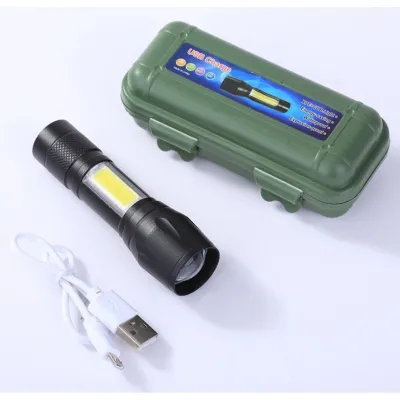
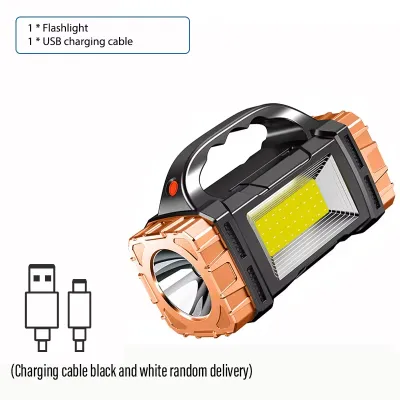
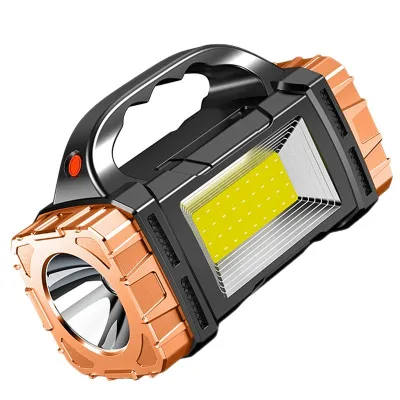
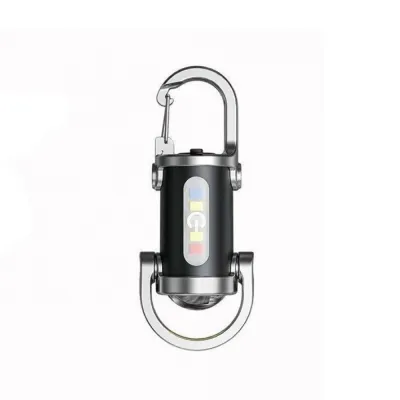
Prices are valid at publication and may change. Please refer to the product page for the latest price.
Standard HDB flats, while highly functional, require smart spatial organization. Emergency kits are typically relegated to utility drawers, household shelters, or compact grab-and-go bags. A bulky, heavy searchlight is impractical for these spaces; the ideal emergency torch must be compact enough to fit alongside first-aid supplies and bottled water, yet powerful enough to illuminate a darkened flat or stairwell. Selecting a streamlined design ensures that the torch remains accessible without cluttering your household storage.
When a power outage occurs, or during a building-wide emergency, panic can set in quickly. Under stress, navigating complex user interfaces with multiple programming steps is highly counterproductive. A reliable emergency light must offer intuitive operation, allowing any family member—from children to elderly grandparents—to activate it instantly with a single button press. If a device requires multiple clicks or twisting sequences just to turn on, its utility drops significantly during a high-stress event.
Furthermore, emergency preparedness requires a power strategy that does not rely on a functional electrical grid. If a torch relies solely on a rechargeable battery that has slowly depleted during months of storage, it will fail when needed most. Evaluating how a torch light maintains its charge over time is just as critical as assessing its physical durability. A truly resilient setup combines a robust, moisture-sealed body with a battery configuration optimized for long-term standby readiness.
How to Verify Waterproof and Performance Claims on the Label
To select a truly reliable waterproof torch light, you must look past marketing buzzwords like “weatherproof” or “water-resistant” and evaluate standardized technical specifications. The primary benchmark for water resistance is the Ingress Protection (IP) rating system. This rating consists of the letters “IP” followed by two numbers, though the first number (solid protection) is often replaced with an “X” when only water resistance is tested. Understanding these codes allows you to verify exactly what environment the torch is built to survive.

For an HDB emergency kit, an IPX4 rating indicates protection against splashing water from any direction, which is the bare minimum for basic indoor use. However, to combat Singapore’s intense humidity and potential water pipe leaks, aiming for IPX5 (protection against water jets) or IPX6 (protection against powerful water jets) offers much greater peace of mind. True submersible ratings, such as IPX7 (immersion up to 1 meter for 30 minutes) or IPX8 (continuous immersion under deeper conditions), provide the ultimate seal against moisture ingress during long-term storage.
Beyond water resistance, the power source strategy determines whether your torch will light up after months of neglect. Rechargeable lithium-ion batteries (such as 18650 or 21700 cells) offer high output and cost-efficiency for regular use, but they slowly lose charge over time and can degrade if left completely flat. For an emergency kit, primary lithium batteries (like CR123A or premium AA lithium cells) are highly recommended due to their exceptional 10-to-15-year shelf lives and resistance to extreme temperatures.
Many modern emergency torches feature dual-fuel compatibility, allowing them to run on rechargeable cells for daily tasks while accepting standard primary batteries during extended power outages. This flexibility ensures you are never left in the dark when the charging grid is down. When selecting a rechargeable option, prioritize models with low self-discharge rates to ensure the battery remains viable over months of storage.
To verify brightness and runtime claims, look for the ANSI/PLATO FL1 standard icon on the packaging. This voluntary industry standard ensures that the stated lumens (brightness), beam distance, and runtime are measured using consistent, independent testing methods. Avoid unbranded torches claiming tens of thousands of lumens; these theoretical peak outputs usually drop to a fraction of their advertised level within seconds due to thermal throttling.
Finally, for rechargeable torches, verify that the charging system is safe and compatible with local infrastructure. If the torch includes a direct wall charger or AC adapter, it must be rated for Singapore’s standard 230V/50Hz electrical supply and feature a compliant Type G three-pin plug or a certified USB charging interface. Using uncertified or poorly insulated charging adapters poses a severe fire hazard, particularly in high-humidity environments where electrical insulation can degrade over time.
Reliable Brand Categories Available in Singapore
The market for portable lighting in Singapore is diverse, ranging from high-end tactical gear to budget-friendly supermarket options. When building an HDB emergency kit, it is helpful to categorize these brands by their design philosophy and target audience. However, remember that brand reputation alone is not a guarantee of waterproofing; always verify the specific IP rating and battery specifications of the individual model before purchasing.
Specialist Outdoor and Tactical Brands
Specialist outdoor and tactical brands are engineered for demanding environments like search-and-rescue operations, military use, and outdoor exploration. Non-exhaustive examples of these highly reliable manufacturers include Fenix, Nitecore, and Olight, all of which are widely distributed through local Singaporean outdoor retailers and official online storefronts.
These brands typically construct their torches from aircraft-grade anodized aluminum, which provides exceptional impact resistance while remaining lightweight. Their waterproof integrity is maintained by thick, lubricated synthetic rubber O-rings at every threaded joint, often achieving IPX8 ratings. Additionally, they feature advanced internal circuitry, including digital current regulation for consistent brightness and battery protection systems that prevent dangerous over-discharging.
Despite their superior build quality, tactical torches have distinct trade-offs that HDB homeowners must consider. They represent a higher initial financial investment, with premium models costing significantly more than basic household lights. Furthermore, their multi-functional interfaces—which may include strobe, SOS, and multiple brightness levels controlled by a single electronic switch—can be confusing to operate under sudden stress if you are not familiar with the device. They also require periodic maintenance, such as cycling the rechargeable batteries and re-applying silicone grease to the O-rings.
Everyday Household and Utility Brands
Everyday household and utility brands focus on accessibility, simplicity, and straightforward reliability. Classic examples available in local Singaporean hardware stores, home improvement centers, and supermarkets include Maglite and Energizer. These brands design products specifically for average consumers who need a light that works immediately without a complex setup.
The primary advantage of these utility brands is their extreme ease of use, typically featuring a simple mechanical slide or push-button switch that turns the light on and off without cycling through complex modes. They are highly compatible with standard primary batteries (such as AA, AAA, or D cells) which are inexpensive and widely available across Singapore. This makes it easy to store a torch alongside a fresh pack of batteries, ensuring decades of shelf-readiness without worrying about charging cables or battery degradation.
However, these household options do have limitations when compared to tactical gear. Many consumer-grade utility lights are constructed from heavy plastics or basic aluminum alloys, which may not withstand severe drops as well as tactical models. Their waterproof ratings are also generally lower, often hovering around IPX4 or IPX5, which is sufficient for indoor splashing but less resilient against prolonged water exposure or extreme humidity. They also tend to be bulkier and heavier relative to their light output.
Matching Brand Strengths to Your Household Needs
Choosing between a specialist tactical brand and a household utility brand depends on your family’s specific emergency preparedness strategy. If your primary goal is to have a highly durable, compact light that can withstand extreme moisture and fit easily into a small grab-bag, a tactical brand is an excellent investment. Conversely, if you want a simple, budget-friendly light that any family member can operate instantly without instruction, a classic utility brand is the more practical choice.
To help you visualize these trade-offs and make an informed decision for your HDB household, the table below compares the key decision-defining dimensions of both brand categories.
| Brand Category | Typical Waterproof Reliability | Best Battery Strategy for Emergencies | HDB Storage & Usability |
|---|---|---|---|
| Specialist Tactical (e.g., Fenix, Nitecore, Olight) | High (typically IPX7 to IPX8); excellent long-term moisture sealing via dual O-rings. | Dual-fuel setups; keep a rechargeable Li-ion cell inside, but store primary CR123A lithium batteries alongside it. | Compact and lightweight; fits easily in small grab-bags, but requires familiarization with multi-mode interfaces. |
| Everyday Utility (e.g., Maglite, Energizer) | Moderate (typically IPX4 to IPX6); sufficient for indoor splashes but requires careful storage. | Primary lithium or alkaline AA/AAA batteries; store batteries outside the torch to prevent leakage. | Highly intuitive single-switch operation; slightly bulkier, making it ideal for utility drawers or household shelters. |
When reviewing these options, consider who will be using the torch during an emergency. If you have elderly relatives or young children in the household, having at least one simple utility torch with a physical on/off switch is a vital safety measure. For those who maintain a dedicated, rugged emergency grab-bag, adding a compact, high-IP-rated tactical torch ensures you are prepared for more severe scenarios, including heavy rain or water damage from plumbing failures.
Sourcing Authentic Gear and Maintaining Readiness
To guarantee the safety and reliability of your emergency gear, it is critical to purchase authentic products from reputable sources. The Singapore market has seen an influx of counterfeit portable lights on unauthorized online marketplaces. These counterfeit products often use sub-standard battery cells and lack proper waterproof seals or electrical safety protections, posing significant risks of short circuits, water ingress, or even battery fires during charging.
Always buy your torch light from authorized local distributors, official brand flagship stores on recognized e-commerce platforms, or established local outdoor and hardware retailers. When purchasing rechargeable models that connect directly to the mains, ensure any included USB wall chargers or power adapters carry the Enterprise Singapore Safety Mark, which certifies that the device has been tested and approved for safe use on Singapore’s electrical grid.
Once you have secured a reliable waterproof torch light, establishing a bi-annual maintenance routine is essential to keep it in peak operating condition. Set a calendar reminder every six months to inspect your HDB emergency kit. Remove the torch, unscrew the tail cap, and inspect the rubber O-rings for signs of cracking, dryness, or flattening; apply a tiny dab of silicone grease to maintain their waterproof seal.
During this bi-annual check, clean the metal battery contacts with a dry microfiber cloth to remove any dust or minor oxidation. If you are using rechargeable lithium-ion batteries, cycle them by discharging and recharging them to about 50% to 70% capacity for storage, or top them up fully if you prefer maximum readiness. If you are using primary alkaline batteries, inspect them closely for any white powdery residue or leakage; replace them immediately if any corrosion is visible.
Safety must always be your top priority when dealing with battery-powered lighting. If you notice internal condensation behind the lens, a swollen battery casing, or a torn rubber seal, stop using the torch immediately. Do not attempt to charge a compromised battery or use a leaking device. Refer to the manufacturer’s instruction manual or contact their authorized local service center for professional inspection and replacement parts.
Frequently Asked Questions (FAQ)
Can I rely on my smartphone flashlight instead of a dedicated waterproof torch?
While a smartphone is a convenient daily tool, it should never serve as your primary emergency light source. Using your phone’s flashlight rapidly drains its battery, leaving you without a critical communication device when you need it most. Furthermore, most smartphones are fragile, difficult to grip securely with wet hands, and lack the robust waterproofing required to survive drops onto hard concrete HDB floors or exposure to sudden water leaks. A dedicated waterproof torch light ensures your phone’s battery is preserved for communication while providing a far brighter, more durable, and reliable source of illumination.
How often should I check the batteries in my HDB emergency kit torch?
Your battery inspection schedule depends entirely on the battery chemistry you choose. If your torch uses rechargeable lithium-ion cells, you should check, cycle, and recharge them every 3 to 6 months to prevent the cells from dropping into a deep-discharge state, which can permanently damage their capacity and safety mechanisms. If your torch is powered by primary lithium batteries (such as CR123A or lithium AAs), they can safely sit unused for 5 to 10 years, but you should still perform a quick visual inspection annually to ensure no physical degradation has occurred. Always defer to the specific maintenance guidelines provided in your torch’s manufacturer manual.
Community discussion
Share your experience or ask a question. Comments are reviewed before publication.