
Finding the right stick on wall mirror for a rental home in Singapore requires balancing aesthetic appeal with strict lease terms. The best options are lightweight acrylic panels, small lightweight glass mirrors paired with high-quality stretch-release adhesive strips, and specialty moisture-resistant mirrors designed for humid environments. These solutions allow you to brighten up narrow HDB hallways, expand compact bedrooms, and add functional styling without drilling a single hole into your landlord’s walls.
Why Damage-Free Mirrors Are Essential for Singapore Renters
Renting a home in Singapore, whether it is a public Housing & Development Board (HDB) flat or a private condominium, comes with strict contractual obligations. Standard tenancy agreements almost universally contain clauses prohibiting tenants from making permanent alterations to the property. Drilling holes into concrete or drywall to hang heavy decorative items is typically classified as an unauthorized alteration, which can lead to significant friction during the end-of-tenancy handover.
When you drill into a wall, you risk damaging hidden utility pipes, electrical conduits, or structural plaster. Repairing these mistakes is not as simple as filling the hole with basic putty; landlords often insist on professional plastering and full-wall repainting to restore the unit to its original condition. The cost of these repairs is routinely deducted from your security deposit, sometimes costing hundreds of Singapore dollars (SGD) and causing unnecessary disputes.
Products mentioned in this guide
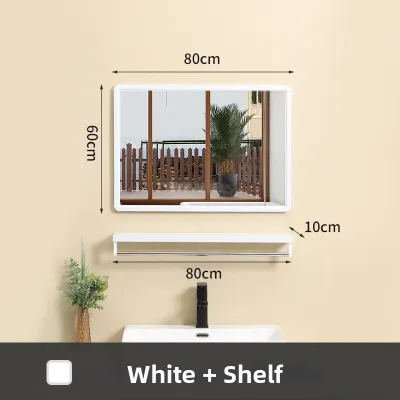
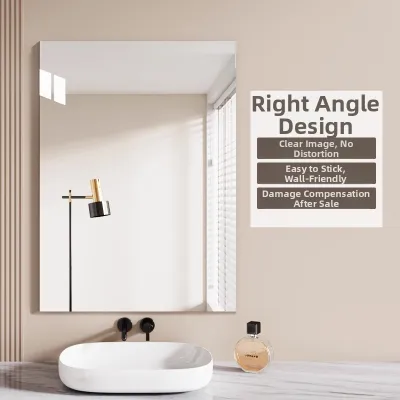
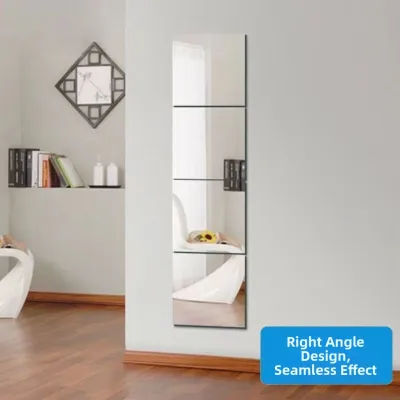
![SG [ READY STOCK ] HD Acrylic soft mirror attached to wall self-adhesive full body dressing mirror non perforated](https://img.lazcdn.com/g/p/10f5a09c2f952c5c8f6fe9a8d334827a.jpg_400x400q80.jpg_.webp)
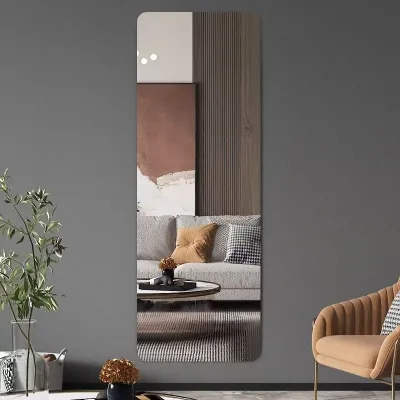
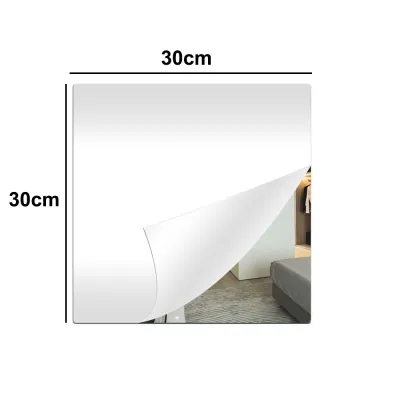
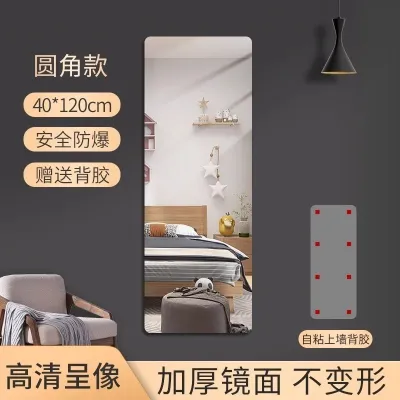
Prices are valid at publication and may change. Please refer to the product page for the latest price.
At the same time, Singapore’s compact urban living spaces benefit immensely from strategic mirror placement. A well-positioned mirror reflects natural light, makes narrow corridors feel twice as wide, and transforms a dark room into an airy, welcoming space. To achieve this interior transformation without risking your financial deposit, a high-quality stick on wall mirror serves as the ideal compromise. It delivers the visual benefits of permanent wall decor while remaining completely reversible when your lease expires.
What Makes a Mirror Truly "Rental-Friendly"?
Not all adhesive mirrors are created equal, and choosing the wrong product can result in a shattered mirror or a ruined wall. To find a truly rental-friendly solution, you must evaluate the structural material of the mirror itself alongside the chemical properties of the mounting system.

Material Trade-offs: Acrylic vs. Real Glass
When selecting a stick on wall mirror, you will primarily choose between acrylic (plastic) and traditional glass. Acrylic mirrors are exceptionally lightweight and shatterproof, making them highly compatible with standard adhesive strips. However, because acrylic is a flexible material, it is highly sensitive to the flatness of the underlying wall. If the wall has even minor bowing or texture, the acrylic sheet will bend slightly, resulting in a distorted, “funhouse” reflection.
Real glass mirrors offer superior optical clarity and a premium, distortion-free reflection that does not degrade over time. The trade-off is weight; glass is significantly heavier than acrylic and requires a much stronger, more reliable adhesive system. If you choose a glass mirror, you must weigh it on a scale and cross-reference its weight with the maximum load-bearing capacity specified by your adhesive manufacturer. Never exceed these limits, as a falling glass mirror presents a serious safety hazard.
The Adhesive Matters More Than the Mirror
The secret to a successful damage-free installation lies entirely in the adhesive mechanism. Many budget mirrors sold online come pre-packaged with thick, permanent double-sided foam tape. While this tape is incredibly strong, it is designed for permanent industrial applications. Attempting to pull it off a painted wall will inevitably tear away the drywall paper, plaster, or paint layers, defeating the entire purpose of a rental-friendly setup.
Instead, look for mounting systems that use stretch-release technology or specialty removable adhesive strips. These adhesives are engineered to hold strong under shear weight but release their grip cleanly when the strip is pulled parallel to the wall. Always verify that the product packaging explicitly guarantees “damage-free removal” and avoid generic, unbranded double-sided tapes that do not specify their removal process.
Choosing the Best Stick On Wall Mirror Styles for Different Rooms
Different areas of a Singapore home present unique environmental conditions and functional requirements. Matching the right mirror style and material to each room ensures both aesthetic satisfaction and long-term mounting stability.
Full-Length Acrylic Mirrors for Bedrooms and Wardrobes
Bedrooms and wardrobe doors are ideal locations for full-length mirrors, which are essential for daily outfitting. For these areas, multi-panel acrylic mirror sheets are highly recommended. These lightweight panels can be arranged vertically to create a seamless, full-length column without adding heavy loads to your wardrobe doors or partition walls.
Because wardrobe doors and modern HDB bedroom walls are typically flat and smooth, they minimize the risk of optical distortion common with acrylic. When installing these panels, ensure the surface is completely clean and free of dust. Arrange the panels carefully, leaving a tiny gap of less than a millimeter between them to allow for natural thermal expansion in Singapore’s warm climate.
Lightweight Glass Accent Mirrors for Entryways
The entryway of an HDB flat is often a narrow corridor that can feel cramped and dark. Adding a small, lightweight glass accent mirror above a console table or near the front door is an excellent way to bounce light into the space and create a welcoming first impression.
Because these decorative mirrors are smaller (typically under 30 centimeters in diameter), their weight remains well within the safe operating limits of high-quality removable mounting strips. Opt for thin, frameless glass designs or mirrors with lightweight plastic or aluminum frames to minimize the downward pull on the adhesive.
Navigating High-Humidity Bathrooms
Bathrooms in Singapore are subject to extreme humidity and heat, which can rapidly degrade standard adhesives. The constant cycle of steam and condensation penetrates the adhesive layer, causing standard paper-backed or foam-backed mounting strips to lose their grip and fail.
If you want to install a mirror in a bathroom without drilling, you must use adhesives specifically rated for wet or humid environments. Avoid hanging heavy glass mirrors directly over high-traffic wet areas like the shower zone. For any installation in damp areas or situations involving work at height, always prioritize safety: follow the manufacturer’s instructions precisely, ensure proper ventilation, and consult a qualified professional if you are unsure about the load-bearing capacity of your bathroom walls.
Step-by-Step Guide to Damage-Free Installation and Removal
Proper preparation and execution are the only ways to guarantee that your mirror stays securely on the wall during your tenancy and comes off cleanly when you move out.
Preparing the Wall for Maximum Hold
To ensure a secure bond, the wall surface must be meticulously prepared before any adhesive is applied.
- Clean the surface: Wipe the target area thoroughly using a clean microfiber cloth dampened with isopropyl rubbing alcohol. This removes invisible oils, dust, and grease that naturally accumulate on walls. Avoid using standard household glass cleaners or multi-purpose sprays, as they often leave behind a thin, slippery residue that prevents the adhesive from bonding.
- Let it dry completely: Wait at least 10 to 15 minutes for the alcohol to evaporate fully.
- Apply and press: Apply the adhesive strips to the back of the mirror according to the manufacturer's layout instructions. Press the mirror firmly against the wall for at least 30 seconds, applying even pressure across all adhesive points.
- Allow to cure: If using stretch-release strips, many manufacturers recommend removing the mirror body from the wall brackets (if applicable) and letting the wall-side strips cure for 24 hours before hanging the weight of the mirror back on them. Never skip this curing period, as the adhesive needs time to form a secure chemical bond.
Safe Removal Techniques That Protect Your Paint
When your tenancy ends, rushing the removal process can result in torn paint and a lost security deposit. Taking your time and using the right techniques will ensure a clean release.
- Warm the adhesive: Use a handheld hairdryer set to a medium-warm temperature to gently heat the edges of the mirror. This softens the adhesive backing, making it more pliable and easier to separate.
- Stretch, do not pull: If you are using stretch-release strips, locate the exposed pull tabs. Grab the tab firmly and pull it slowly, keeping your hand flat against the wall. Pull the strip straight down, parallel to the wall surface, stretching it up to three times its original length. Never pull the strip outward at a 90-degree angle, as this will instantly tear the paint and drywall.
- The dental floss method: For stubborn foam tapes or mirrors where the pull tabs have broken, slide a long piece of dental floss or high-strength fishing line behind the mirror. Using a gentle sawing motion, work your way down from the top to cut through the foam core of the adhesive. Once the mirror is safely detached, you can roll off the remaining adhesive residue with your thumb or apply a paint-safe, oil-based adhesive remover. Always consult the adhesive manufacturer's instructions for specific removal guidelines to prevent surface damage.
Frequently Asked Questions (FAQ)
Can I use a stick-on wall mirror on textured walls?
No, removable adhesive strips require a completely smooth, flat, and non-porous surface to establish a proper vacuum seal and chemical bond. Installing a stick-on mirror on textured plaster, wallpaper, brick, or heavily textured paint will significantly reduce the contact area, causing the adhesive to fail prematurely. Additionally, if you attempt to use these adhesives on freshly painted walls, the paint must be allowed to cure completely—typically for at least two to four weeks—otherwise, the adhesive will pull the fresh paint straight off the wall upon removal.
Will the humidity in Singapore cause the mirror to fall off?
Standard removable adhesives perform exceptionally well in air-conditioned or well-ventilated living rooms and bedrooms where humidity levels are controlled. However, in naturally ventilated spaces, kitchens, or bathrooms exposed to Singapore’s tropical humidity, standard adhesives will degrade over time. For these humid environments, you must purchase specialty water-resistant or outdoor-rated removable mounting strips, or opt for ultra-lightweight acrylic mirrors that place minimal stress on the adhesive bond.
How do I remove adhesive residue without damaging the paint?
If any sticky residue remains on your wall after removing the mirror, avoid using harsh industrial solvents like acetone, paint thinner, or abrasive scrubbing pads, as these will permanently strip or discolor the wall paint. Instead, apply a small amount of a mild, oil-based adhesive remover or warm soapy water to a soft microfiber cloth. Gently rub the residue in a circular motion until it lifts, then wipe the area clean with a damp cloth and let it dry.
Community discussion
Share your experience or ask a question. Comments are reviewed before publication.