
Selecting suitable sculpture decor involves more than finding a piece that catches your eye. The material you choose dictates where the sculpture can safely sit, how it responds to your home’s climate, and how much effort you must invest in its upkeep. By understanding the distinct properties of resin, ceramic, bronze, and wood, you can select an artwork that harmonizes with both your interior design and your daily lifestyle.
Each material brings its own structural demands and environmental sensitivities. For instance, a heavy bronze piece requires a sturdy foundation, while a delicate wood carving demands protection from tropical humidity and temperature shifts. Evaluating these factors beforehand ensures your chosen artwork remains a beautiful, lasting feature in your living space.
Resin Sculptures: Versatile Details and Lightweight Display
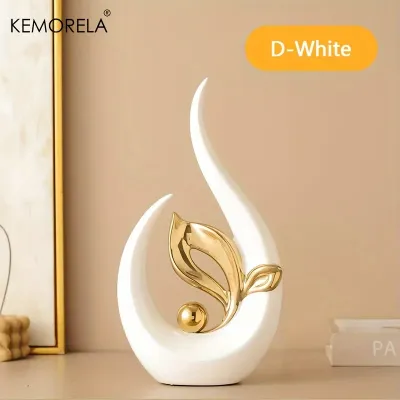
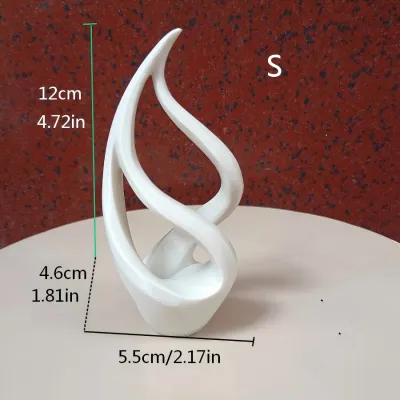
Resin sculptures have gained immense popularity in modern interior design due to their incredible versatility and detail. Because liquid synthetic resin can be poured into highly intricate molds, artists can capture fine textures, sharp geometric lines, and complex organic shapes that are difficult to achieve in other mediums. Furthermore, resin can be mixed with pigments or painted to mimic heavier materials like marble, bronze, or cast iron, offering a high-end look at a fraction of the weight.
Products mentioned in this guide
![[SG SELLER]Modern Gold Metal Sculpture Office Ornaments Desktop Decor Leaf Figurines Home Decoration Leaves Statue](https://img.lazcdn.com/g/p/107585aca87564a8e4a75267365d0aa1.jpg_400x400q80.jpg_.webp)


Prices are valid at publication and may change. Please refer to the product page for the latest price.
This lightweight nature makes resin exceptionally easy to handle and display. If you enjoy rearranging your decor seasonally or live in a home with plasterboard partition walls, resin pieces can be placed on delicate floating shelves, glass-topped console tables, or high wall niches without structural worry. They pose minimal risk of overloading wall mounts, making them a highly practical choice for rental properties or flexible spaces.
However, resin is sensitive to environmental factors like heat and light. Before placing a resin sculpture in a sunny window alcove or directly under a high-wattage spotlight, check the manufacturer’s labels for UV resistance and heat tolerance limits. Prolonged exposure to direct sunlight can cause clear or white resins to yellow, while excessive heat can soften or warp the material over time.
Ceramic Sculptures: Artisan Glazes and Fragile Elegance
Ceramic sculptures bring an irreplaceable sense of artisan craftsmanship and tactile warmth to a room. Whether crafted from earthenware, stoneware, or porcelain, these pieces carry the unique mark of the maker’s hands, visible in subtle asymmetrical contours and organic variations. The visual appeal of ceramic lies in its surface finishes, ranging from glossy, light-reflective liquid glazes to rough, matte, unglazed textures that celebrate the raw clay.

While visually captivating, ceramic is inherently fragile and demands careful placement. A ceramic sculpture should be kept away from high-traffic zones, narrow corridors, or low tables where children, pets, or passing guests might accidentally bump it. A single fall can result in irreparable shattering, meaning these pieces are best reserved for protected display cabinets, deep recessed shelving, or stable sideboards.
When selecting a ceramic piece, always verify its base stability and weight distribution. Top-heavy designs are prone to tipping, so look for sculptures with wide, flat bases, or consider applying adhesive museum wax to secure them to the surface. Additionally, check the manufacturer’s cleaning instructions; while glazed ceramics can easily be wiped down with a damp cloth, unglazed or porous ceramic surfaces require dry dusting to prevent moisture from staining the clay.
Bronze Sculptures: Timeless Patina and Heavy-Duty Presence
Bronze sculptures represent a timeless investment, offering a sense of permanence, weight, and classical luxury. This copper-based alloy has been favored by sculptors for millennia due to its strength and the exquisite detail achievable through casting. One of the most celebrated characteristics of bronze is its natural aging process; over years of exposure to air and touch, the metal develops a rich patina—a surface coloration of deep browns, greens, or golds that gives the piece unique character.
Because bronze is incredibly dense, its significant weight requires careful structural consideration before installation. A medium-sized bronze figure can easily weigh several kilograms, making it unsuitable for standard drywall anchors or lightweight floating shelves. Instead, these heavy-duty pieces should be displayed on sturdy solid-wood pedestals, reinforced stone countertops, or directly on the floor if the scale allows. For any wall-mounted or suspended bronze installations, always consult a qualified professional to ensure the mounting hardware is rated for the load and anchored securely into wall studs or concrete.
When purchasing bronze, it is helpful to distinguish between solid cast bronze and hollow cast pieces, as this greatly impacts both the weight and the price. Hollow sculptures are lighter but still highly durable, while solid pieces offer maximum heft. To maintain the metal’s luster and protect the patina, follow the artist’s specific polishing guidelines, which typically involve periodic dusting with a soft microfiber cloth and the occasional application of a specialized microcrystalline wax.
Wood Sculptures: Organic Textures and Environmental Sensitivity
Wood sculptures introduce an organic, grounding element to interior spaces, connecting the indoors with the natural world. Each piece of wood carries its own history, told through unique grain patterns, knots, growth rings, and natural color variations from deep ebony to pale ash. The final aesthetic is heavily influenced by the carving technique, whether it is a rustic, chiseled finish that showcases the raw tool marks or a highly polished, fluid form that feels soft to the touch.
Despite its beauty, wood is a living material that remains sensitive to its surrounding environment long after it has been carved. It is highly reactive to fluctuations in temperature and relative humidity. In tropical climates or homes where air conditioning is turned on and off frequently, rapid shifts in moisture levels can cause the wood to expand and contract, potentially leading to warping, splitting, or cracking. To preserve a wood sculpture, display it in a stable indoor environment away from air conditioning vents, humidifiers, or direct sunlight.
The longevity of a wood sculpture also depends on its protective coating. Check whether the piece has been sealed with oil, wax, polyurethane, or varnish, as this determines the correct maintenance routine. Oiled or waxed wood requires periodic reapplication of specialized wood conditioners to prevent the fibers from drying out, whereas varnished pieces simply need a regular wipe with a dry, lint-free cloth.
Matching Material to Your Space and Maintenance Willingness
Choosing the right sculpture decor requires a realistic assessment of your home’s physical layout and your personal maintenance habits. Start by evaluating the structural limits of your intended display areas. If you plan to decorate floating shelves, glass display cases, or plasterboard walls, lightweight resin is the safest option; heavy bronze or large ceramic pieces should be reserved for solid furniture bases or reinforced architectural niches.
Next, consider the environmental conditions of the room. In high-humidity zones like bathrooms, or in sun-drenched sunrooms, resin and wood can degrade or warp over time, making glazed ceramic or properly treated bronze more resilient choices. If your home experiences frequent temperature swings from daily air conditioning cycles, wood sculptures will require extra monitoring and care compared to inert materials like ceramic.
Finally, match the sculpture’s care requirements to your lifestyle. If you prefer low-maintenance decor, resin and glazed ceramic require nothing more than an occasional quick dust. Conversely, if you enjoy the ritual of caring for fine art, the periodic waxing of bronze or conditioning of natural wood can be a deeply satisfying way to engage with your collection. By aligning the material’s physical needs with your home’s environment, your sculpture will remain a beautiful focal point for years to come.
Frequently Asked Questions (FAQ)
Can I display wood or resin sculptures outdoors?
Most indoor wood and resin sculptures are not formulated to withstand outdoor elements. Rain, high humidity, and intense UV exposure will quickly degrade these materials, causing wood to rot or warp and resin to yellow, crack, or lose its structural integrity. If you wish to display a sculpture on a balcony, patio, or garden, look specifically for pieces rated for outdoor use, and verify that they have been treated with marine-grade sealants or UV-stabilized coatings.
How do I clean a bronze sculpture without damaging the patina?
To clean a bronze sculpture safely, stick to gentle, non-abrasive methods. Regularly dust the piece with a clean, dry, soft-bristled brush or a microfiber cloth to prevent dust from settling into the crevices. Avoid using household chemical cleaners, solvents, or water, as these can react with the metal and permanently strip or alter the delicate patina. If the sculpture requires a deeper clean or has lost its luster, consult the manufacturer’s or artist’s care instructions regarding the application of a thin coat of clear microcrystalline wax.
Community discussion
Share your experience or ask a question. Comments are reviewed before publication.