
Selecting the ideal material for a decorative water fountain depends on where you plan to place it, your budget, and how much time you want to spend on maintenance. While a water fountain serves as a soothing focal point in any home or garden, the wrong material can lead to structural damage, excessive algae growth, or safety hazards. Balancing the lightweight versatility of resin, the vibrant acoustic appeal of ceramic, and the permanent durability of natural stone is the first step to finding a fixture that complements your living space.
To make an informed decision, you must evaluate how each material responds to environmental factors like direct sunlight, humidity, and weight limits. This guide compares these three primary materials to help you match a water feature to your specific lifestyle, spatial constraints, and aesthetic preferences.
Quick Comparison: Resin, Ceramic, and Natural Stone Trade-Offs
Choosing the right material involves balancing immediate upfront costs against long-term maintenance and structural requirements. The three primary materials—resin, ceramic, and natural stone—each offer distinct advantages depending on whether they are installed in a high-rise apartment balcony or a landed garden.
Products mentioned in this guide
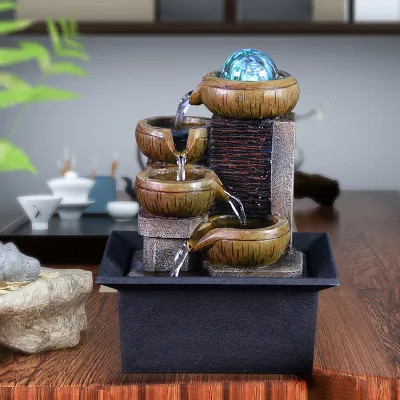
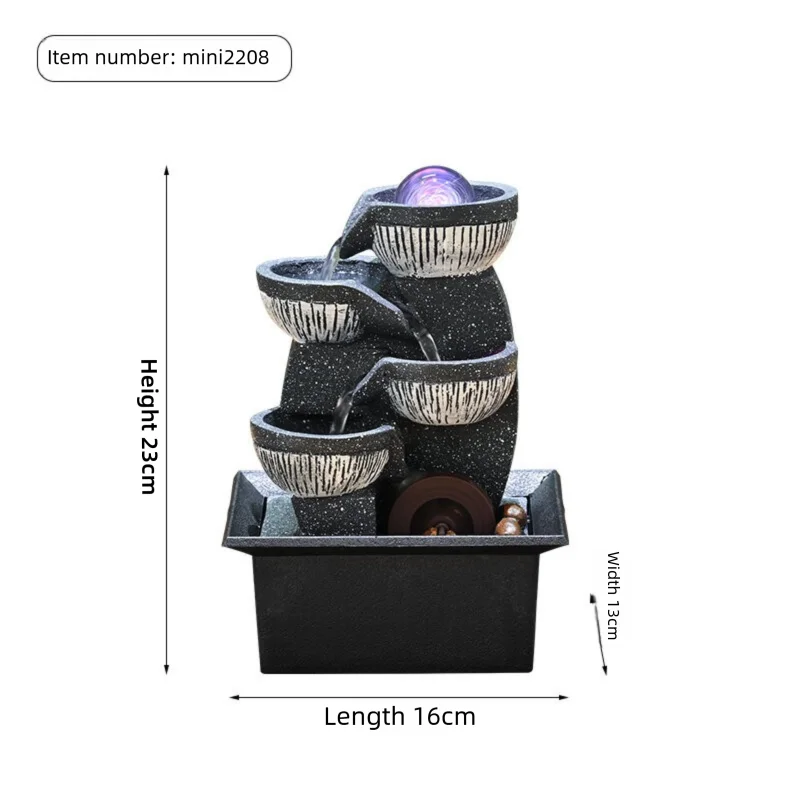
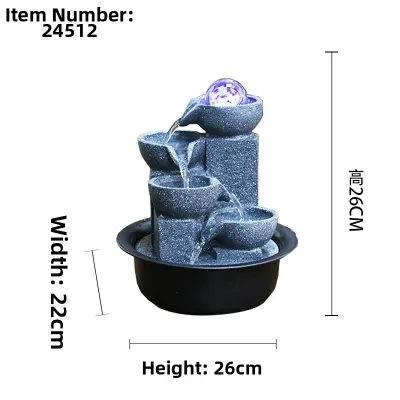
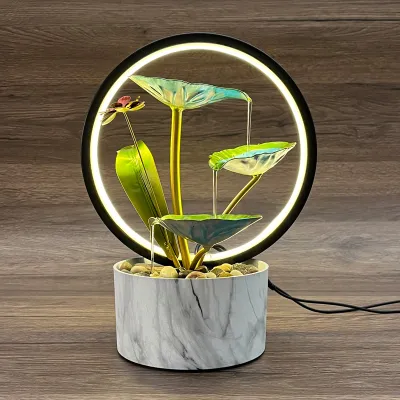
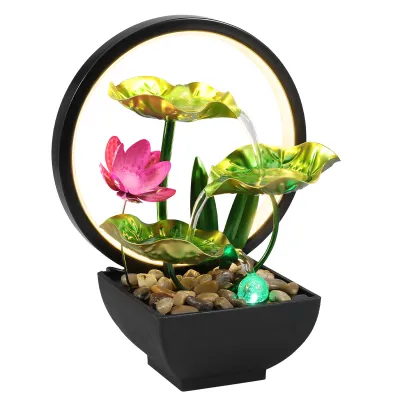
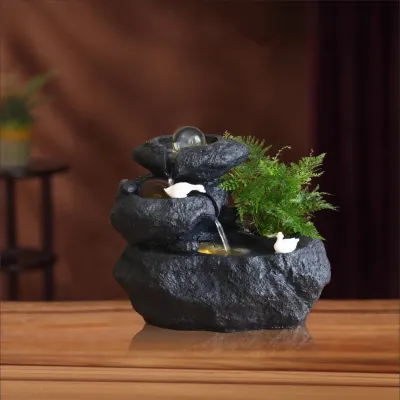
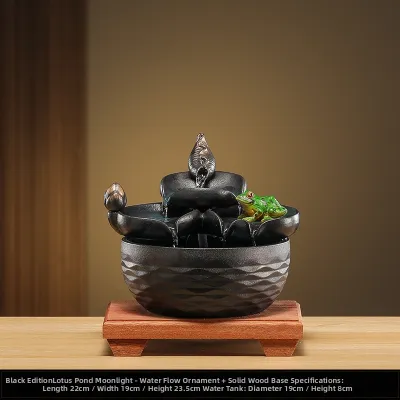
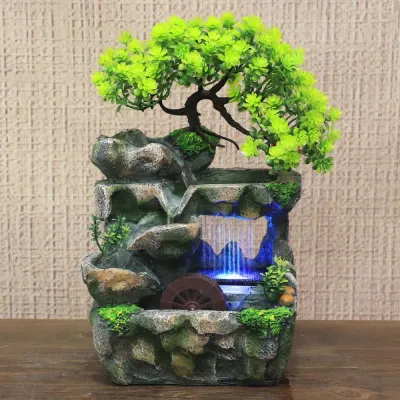
Prices are valid at publication and may change. Please refer to the product page for the latest price.
| Material | Weight Profile | Maintenance Level | Relative Cost | Best Suited For |
|---|---|---|---|---|
| Resin | Very Lightweight | Low to Medium | Budget-Friendly | Indoor shelves, HDB balconies, temporary setups |
| Ceramic | Moderate Weight | Low (if glazed) | Mid-Range | Condo patios, indoor tabletops, acoustic focus |
| Natural Stone | Extremely Heavy | Medium to High | Premium | Landed gardens, permanent outdoor installations |
Exact durability, weather resistance, and pricing depend on specific manufacturer specifications and product grades rather than the base material name alone. High-quality engineered resins can sometimes outlast cheap, unglazed ceramics, while premium natural stone requires a significant initial investment but offers unmatched permanence. Understanding these trade-offs allows you to select a feature that fits your physical space and your willingness to perform regular upkeep.
Resin Water Fountains: Lightweight Designs and Budget-Friendly Options
Resin water fountains are manufactured using a synthetic polymer base, often blended with fiberglass (commonly referred to as polyresin or fiber-stone). This material is poured into intricate molds, allowing manufacturers to replicate the detailed textures of weathered stone, ancient wood, or smooth contemporary geometric shapes. Because it is highly customizable, resin offers a vast range of design styles at a fraction of the cost of natural materials.

Weight is one of the most significant practical advantages of resin. Because these fountains are hollow and lightweight, they are exceptionally easy to unpack, move, and clean. This makes them ideal for spaces with strict structural load limits, such as HDB flat balconies, high-rise condo patios, or delicate indoor shelving units. If you rent your home or enjoy rearranging your decor periodically, a resin feature can be relocated without professional assistance or heavy lifting equipment.
Despite these benefits, resin has distinct durability limits. Over time, prolonged exposure to intense tropical sunlight can cause the outer painted finish to fade, chip, or peel. The material itself can become brittle when subjected to constant UV radiation and heavy rainfall. Before finalizing your purchase, check the manufacturer’s product label to verify if the fountain is rated for outdoor use and whether it features a UV-resistant protective topcoat.
Maintaining a resin fountain requires a gentle touch. To preserve the painted exterior and avoid stripping the protective sealant, never use stiff-bristled brushes, steel wool, or harsh chemical abrasives. Instead, wipe the basin down with a soft microfiber cloth and a mild, diluted dish soap. Regular cleaning prevents organic debris from bonding to the textured surface, keeping the synthetic finish looking fresh for years.
Ceramic Water Fountains: Classic Glazes and Acoustic Appeal
Ceramic water fountains bring a sense of artisanal craftsmanship and vibrant color to indoor and semi-outdoor spaces. Made from fired clay, these fountains are typically finished with a glass-like liquid glaze that is baked onto the surface at high temperatures. This process results in rich, glossy finishes, deep metallic tones, or earthy crackle patterns that complement both traditional Asian-inspired decors and sleek modern interiors.
Beyond visual appeal, ceramic is highly favored for its acoustic properties. The dense, hard, and non-porous surface of glazed clay acts as an excellent sound resonator. When water trickles or drops onto a glazed ceramic basin, it produces a clear, bright, and distinct chiming sound. This makes ceramic an excellent choice if your primary goal is to mask ambient neighborhood noise or create a tranquil acoustic background in a study or living room.
In terms of weight and handling, ceramic occupies a middle ground. It is heavier and more stable than resin, meaning it is less likely to be tipped over by strong winds or curious pets. However, it is also highly fragile. Dropping a ceramic piece during installation or hitting it with a hard object can cause immediate hairline cracks or catastrophic breakage. Careful handling is mandatory during assembly, and you should always place the fountain on a sturdy, level surface away from high-traffic pathways.
Glazed ceramic is exceptionally easy to keep clean because the smooth glaze resists algae attachment and prevents hard water minerals from penetrating the clay. However, unglazed ceramic options, such as terracotta or rustic earthenware, are highly porous. These unglazed materials will absorb water, which can lead to rapid mineral staining, white salt crusts (efflorescence), and deep-seated algae growth that is difficult to scrub away. For low-maintenance setups, a fully glazed interior basin is highly recommended.
To care for a ceramic fountain, inspect the basin periodically for micro-cracks that could slowly leak water onto your furniture or flooring. Clean the glazed surfaces using a soft sponge and a mild, non-abrasive soap. If you notice white mineral rings forming at the water line, gently wipe them away with a damp cloth before they have a chance to harden into stubborn scale.
Natural Stone Water Fountains: Premium Landscaping and Heavy Durability
Natural stone water fountains, carved from solid granite, basalt, slate, or marble, represent the pinnacle of outdoor landscaping. Each stone fountain is entirely unique, displaying organic variations in veining, color, and texture that cannot be perfectly replicated by synthetic alternatives. These heavy installations integrate seamlessly into outdoor gardens, where they mature beautifully over time as moss and natural weathering add character to the stone.
Because they are carved from solid rock, these fountains are virtually indestructible against physical impacts and can withstand decades of exposure to the elements. However, this durability comes with massive structural weight. A medium-sized tiered stone fountain can easily weigh several hundred kilograms even before water is added. Before purchasing, you must verify the floor load limits of your space. Solid stone features should generally be reserved for grounded garden beds or reinforced concrete slabs on landed properties, rather than standard apartment balconies.
While natural stone is physically resilient, its porous nature presents unique maintenance challenges in Singapore’s hot, humid climate. Porous stones like slate and sandstone absorb water easily, creating an ideal breeding ground for green algae, black mold, and stubborn lichen. Additionally, as water evaporates from the fountain, dissolved minerals are left behind, leading to hard water scaling that can dull the natural colors of the stone.
To maintain the pristine appearance of a natural stone fountain, you must use stone-safe, pH-neutral cleaners. Avoid acidic household solutions like vinegar or lemon juice, as well as alkaline bleach; these chemicals can chemically react with minerals in stones like marble or slate, causing permanent etching, dulling, and structural weakening. Check the manufacturer’s care instructions to see if they recommend applying a penetrating stone sealer upon installation, and follow their guidelines on how often to reapply it to protect the stone from deep staining.
How to Match the Material to Your Space and Maintenance Routine
Selecting the right water fountain requires matching the material’s physical properties to your specific living environment and your willingness to perform regular upkeep. Evaluating these factors beforehand prevents premature product degradation and ensures your water feature remains a source of relaxation rather than frustration.
Indoor vs. Outdoor Placement
Indoor environments shield your fountain from harsh weather, making resin and glazed ceramic excellent choices. Inside the home, resin is protected from UV-induced fading, and ceramic is safe from accidental outdoor impacts. If you place a fountain outdoors in an open garden, natural stone is the most resilient against wind and rain, though you must be prepared to manage rapid algae growth. For semi-covered outdoor spaces like balconies or verandas, high-quality glazed ceramic offers a balanced compromise between weather resistance and ease of cleaning.
Space and Structural Limits
Always calculate the total weight of the fountain, including the water volume, before installation. For high-rise apartments, condominiums, and wooden decking, lightweight resin or small-to-medium ceramic fountains are highly recommended to avoid exceeding structural load limits. Heavy natural stone fountains should be restricted to ground-level garden spaces with a stable, compacted soil base or a solid concrete foundation that can support the concentrated load without shifting or sinking.
Maintenance Commitment
Be realistic about how much time you want to spend cleaning your water feature. If you prefer a low-effort routine, a glazed ceramic fountain is the easiest to maintain, requiring only a quick wipe-down every few weeks. Resin is also relatively easy to clean but requires gentle handling to avoid scratching. Natural stone demands the highest level of commitment, often requiring periodic scrubbing with specialized stone cleaners and the occasional reapplication of protective sealants to prevent permanent organic staining.
Budget vs. Longevity
Resin fountains offer the lowest upfront cost, making them highly accessible for temporary decor setups or those testing out a water feature for the first time. However, they may need to be replaced after a few years if exposed to harsh outdoor elements. Natural stone represents a significant financial investment up front, but its structural permanence means it can last a lifetime, often adding long-term value to a landscaped garden. Ceramic sits comfortably in the middle, offering moderate longevity and reasonable pricing for indoor and patio environments.
Installation, Pump Care, and Electrical Safety
No matter which material you choose, proper installation and adherence to safety guidelines are critical to protecting your home and extending the lifespan of your water fountain’s mechanical components.
Before performing any cleaning, water top-ups, or physical adjustments, always isolate the power supply by unplugging the fountain from the wall outlet. Water and electricity are a highly dangerous combination. Ensure that the submersible pump is correctly rated for its specific environment; indoor pumps must never be used outdoors where they can be exposed to rain, splashing, or pooling water. For permanent outdoor installations, avoid relying on temporary extension cords. Instead, consult a qualified, licensed electrician to install dedicated outdoor-rated wiring, weatherproof sockets, and appropriate residual current devices (RCD) to prevent electrical shocks.
To protect the pump motor from premature failure, pay close attention to water quality. Hard water minerals and organic debris are the leading causes of pump burnout. For indoor fountains, using filtered or distilled water significantly reduces mineral scale buildup inside the pump’s internal impeller. Additionally, never allow the water level to drop below the pump’s intake valve. Submersible pumps rely on the surrounding water to cool the motor; running a pump dry will cause it to overheat and burn out within a short period.
Finally, ensure the structural stability of your fountain during setup. Placing a heavy or top-heavy fountain on uneven ground, soft soil, or weak shelving can cause the unit to tilt, crack, or fall over. Use a bubble level to check the installation site. If the surface is slightly uneven, use durable plastic shims or leveling pads beneath the fountain’s base to ensure the basin sits perfectly flat. A level fountain ensures even water flow across all spillways, prevents water from splashing over one side, and reduces mechanical strain on both the pump and the fountain structure.
Frequently Asked Questions (FAQ)
Can I leave a resin water fountain outdoors all year?
While many resin fountains are treated with weather-resistant coatings, prolonged exposure to intense tropical sunlight, high humidity, and heavy rain can cause the material to degrade over time. The painted exterior may fade, peel, or chip, and the polymer structure can become brittle. To maximize the lifespan of a resin fountain outdoors, place it in a shaded or semi-covered area, such as under a porch or veranda, and check the manufacturer’s label to ensure it is specifically rated for outdoor use.
How do I remove hard water stains from a natural stone fountain?
To remove white mineral scale and hard water stains from natural stone, avoid using acidic household cleaners like vinegar, lemon juice, or chemical descalers, as these can permanently etch and dull the stone’s surface. Instead, use a soft-bristled nylon brush and a cleaner specifically formulated for natural stone. To prevent future staining, wipe down the water line regularly, use filtered water if possible, and check the manufacturer’s care instructions regarding the application of a penetrating stone sealer.
Does the fountain material affect the sound of the water?
Yes, the density and hardness of the material directly influence the acoustic profile of the flowing water. Dense, rigid materials like glazed ceramic and solid natural stone act as excellent sound reflectors, amplifying the water’s movement and producing a bright, clear, and resonant splashing sound. In contrast, softer, hollow materials like resin and fiberglass tend to absorb vibrations, resulting in a more muted, gentle, and low-pitched trickling sound.
Community discussion
Share your experience or ask a question. Comments are reviewed before publication.