
Selecting a Jesus figurine involves balancing personal devotion, aesthetic preferences, and the practical realities of your display space. Whether you are looking for a centerpiece for a home altar, a subtle accent for a living room shelf, or an outdoor garden statue, the material you choose dictates how well the figurine preserves its beauty over time. Resin, ceramic, and wood each offer distinct advantages in terms of detail, durability, and tactile warmth, making the decision highly dependent on where and how the piece will be displayed.
By understanding the physical properties of these materials, you can select a piece that not only inspires reflection but also withstands the environmental conditions of your home. This guide compares the core traits, durability, aesthetic finishes, and maintenance needs of resin, ceramic, and wood to help you make an informed choice.
Understanding the Core Traits of Resin, Ceramic, and Wood Figurines
Resin figurines are crafted from synthetic polymer compounds that start as liquid and cure into a durable solid. Because liquid resin is poured into highly detailed molds, this material allows for extreme precision in capturing complex shapes, fine lines, and intricate textures. Resin is notably lightweight and resistant to shattering, making it a highly versatile option for modern households.
Products mentioned in this guide

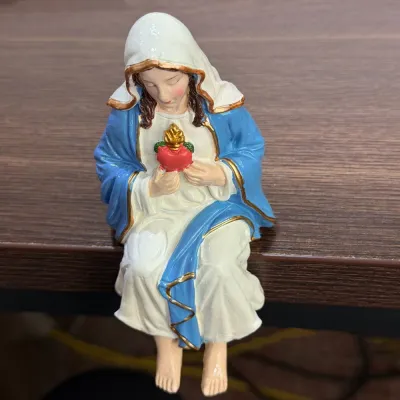
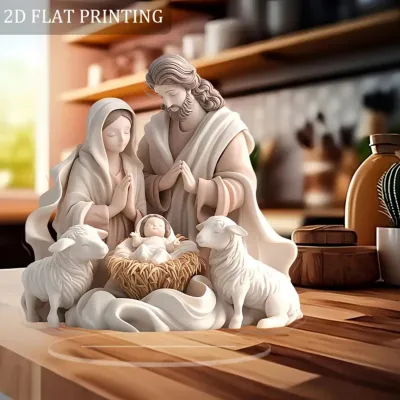
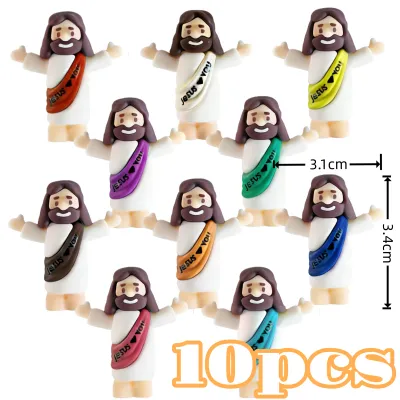
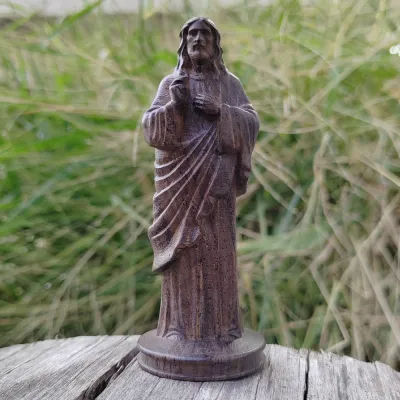
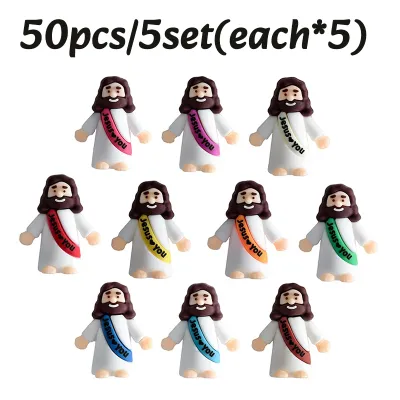
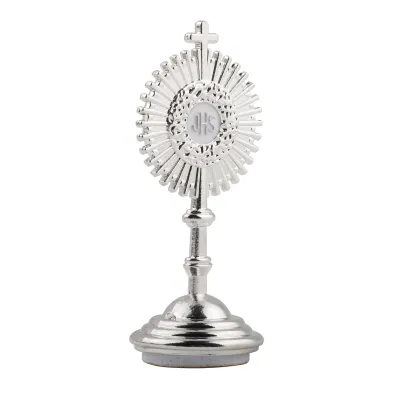
Prices are valid at publication and may change. Please refer to the product page for the latest price.
Ceramic figurines, made from fired clay, carry a substantial, traditional weight that gives them a solid and statuesque presence. The firing process in high-temperature kilns hardens the clay, resulting in a rigid structure that feels cool to the touch. Depending on the firing technique and whether a glaze is applied, ceramic can range from a smooth, glass-like finish to a rustic, earthy texture.
Wood figurines offer an organic warmth and natural beauty that synthetic materials cannot replicate. Each wooden piece features unique grain patterns, knots, and color variations, meaning no two figurines are exactly alike. However, because wood is a natural, porous material, it remains reactive to its surrounding environment, expanding and contracting with changes in air quality.
Matching Material Durability to Your Display Environment
Indoor climate control plays a significant role in the longevity of natural materials. In regions with high relative humidity or seasonal temperature swings, unsealed wood can absorb moisture from the air, potentially leading to warping, swelling, or mold growth. Similarly, porous, unglazed ceramics can trap moisture if kept in damp, unventilated corners of a home.

Sunlight exposure is another critical factor to consider when positioning your figurine. Ultraviolet (UV) rays can degrade the synthetic binders in resin over time, causing unpainted areas to yellow or painted finishes to fade. Natural wood is also sensitive to sunlight, which can dry out the fibers, cause hairline cracks, or bleach the rich, natural coloration of the timber.
In high-traffic areas, households with active pets, or homes with young children, physical impact is a primary concern. Ceramic is highly brittle; a accidental fall from a shelf onto a hard floor will almost certainly result in shattering or clean breaks. Resin and wood are far more resilient to drops and impacts, though resin can still chip on sharp edges, and softer woods can sustain dents and scratches.
For outdoor displays, such as garden niches or patio altars, standard indoor figurines will degrade rapidly. You must verify the product label for explicit weatherproofing, specialized sealants, and outdoor safety ratings. Outdoor-rated resin is typically formulated with UV inhibitors, while outdoor wood statues require heavy-duty marine varnishes to prevent rot and decay.
Comparing Aesthetic Details and Artistic Finishes
If your priority is fine detailing, resin is often the most capable material. The molding process allows artisans to replicate incredibly intricate facial expressions, delicate hand gestures, and the soft, flowing folds of fabric. This makes resin ideal for complex scenes, such as the Nativity or detailed depictions of the Passion, where small features carry deep emotional weight.
Ceramic offers a classic, traditional appeal that evokes historical religious art. Glazed ceramic figurines feature a glossy, reflective finish that catches ambient light beautifully, highlighting the curves of the sculpture. For a softer, more understated look, unglazed bisque ceramic provides a smooth, matte surface that resembles carved stone or marble.
Wood figurines are highly prized for their rustic warmth and hand-carved aesthetics. The natural grain of the wood flows along the contours of the sculpture, adding organic movement and depth to the figure. Whether left natural, stained to highlight the grain, or lightly painted, wood brings a tactile, grounded quality to a devotional space.
Paint and finish longevity vary significantly across these materials. Resin holds acrylic paints exceptionally well, and quality pieces are finished with a protective clear coat to prevent peeling. Ceramic glazes are fused directly to the clay during the firing process, making the color virtually permanent and resistant to fading, while wood finishes may require periodic reapplication of oils or wax to maintain their luster.
Care, Cleaning, and Long-Term Maintenance
Regular dusting is the simplest way to preserve the appearance of your figurine. For intricate resin details and deep wood carvings, use a dry, soft-bristled brush, such as a clean makeup brush, to gently sweep away dust from hard-to-reach crevices. Glazed ceramic surfaces can be wiped down quickly and safely with a soft, dry microfiber cloth.
Moisture management is crucial for preserving natural wood and unglazed clay. Never submerge a wooden figurine in water or use harsh liquid cleaners, as moisture can penetrate the grain and cause structural damage. If a wooden or unglazed ceramic piece requires cleaning, use a barely damp cloth and dry the surface immediately with a soft towel.
Safe handling techniques prevent accidental damage during cleaning or relocation. Always lift the figurine by its sturdy base or main torso rather than grasping delicate extremities, such as outstretched hands, halos, or staff attachments. This practice minimizes the risk of putting localized pressure on weak points, preventing stress fractures in ceramic or snapping thin resin parts.
Knowing when to stop DIY cleaning or repair is essential for protecting valuable or sentimental pieces. If you observe deep structural cracks, flaking paint layers, or signs of wood rot, avoid using household glues or commercial solvents. Consult a professional restorer who specializes in religious artifacts to ensure the piece is repaired using conservation-grade materials.
Aligning Your Choice with Budget and Space Constraints
Price indicators generally align with the manufacturing method and labor involved. Mass-produced resin figurines are typically the most budget-friendly option, offering high levels of detail at an accessible price point. Handcrafted wood carvings and artisanal, hand-painted ceramics represent a higher financial investment, reflecting the time, skill, and craftsmanship of the artist.
Size and weight logistics must be planned carefully before purchasing a larger figurine. Heavy ceramic or solid wood statues require sturdy, level surfaces to prevent tipping. If you plan to display a heavy figurine on a wall-mounted shelf, verify the shelf’s weight capacity and ensure it is anchored securely to the wall studs; for complex or heavy installations, consult a qualified professional.
Before finalizing your purchase, always verify the product labels and packaging. Look for documentation confirming the material composition, included care instruction cards, and any manufacturer warranties. Checking these details ensures you receive an authentic piece that aligns with your expectations and display environment.
Frequently Asked Questions (FAQ)
Can I place a wooden Jesus figurine in a humid room like a bathroom?
Placing an unsealed or poorly sealed wooden figurine in a consistently humid environment like a bathroom carries significant risks. The high moisture levels can cause the wood fibers to swell, warp, or develop mold over time. If you wish to display a wooden piece in a damp space, check the manufacturer’s label to ensure it has been treated with a moisture-resistant sealant. If the wood lacks proper protection, it is best to choose an alternative material, such as glazed ceramic or high-quality resin, which naturally resists humidity.
How do I repair a chipped resin figurine at home?
For minor cosmetic chips on a resin figurine, you can perform a basic home repair by first cleaning the damaged area with a dry cloth to remove any loose particles. Use a small amount of clear, non-damaging adhesive or epoxy filler recommended specifically for synthetic materials to fill the chip. Be aware that color-matching painted resin can be challenging, so avoid using harsh household paints or solvents that might melt the synthetic surface. For significant structural damage or repairs to delicate facial features, consult a professional restorer to avoid further damage.
Community discussion
Share your experience or ask a question. Comments are reviewed before publication.