
Choosing the right statue material involves balancing aesthetics, budget, and the physical environment of your home. The ideal material is not a universal constant; rather, it depends on where the piece will stand, how much weight your shelving can support, and your willingness to perform regular maintenance. Resin, bronze, and ceramic each serve distinct decorative roles, offering unique trade-offs in durability, weight, and visual character.
Whether you are looking for a small tabletop accent to complete a bookshelf or investing in a large focal piece for an outdoor garden, understanding the physical properties of these materials is essential. Making an informed choice ensures your sculpture remains beautiful and structurally sound for years to come, avoiding common pitfalls like sun damage, structural overloading, or accidental breakage.
Understanding the Core Differences in Statue Materials
To make an appropriate choice, you must first understand how these three materials are made and how their base properties dictate their behavior in a home environment.
Products mentioned in this guide
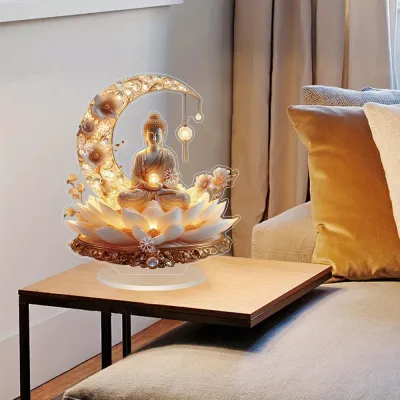
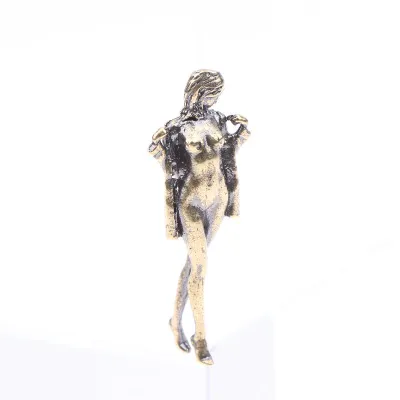
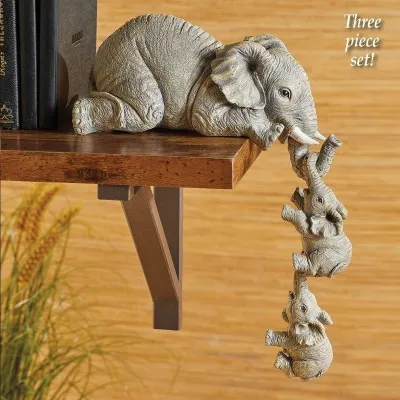

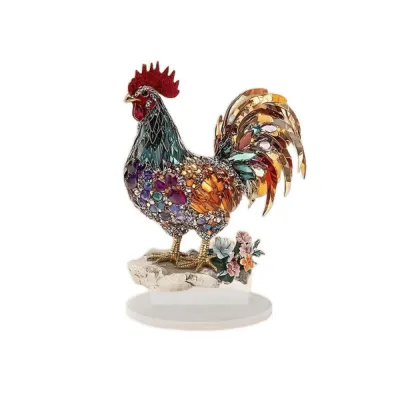
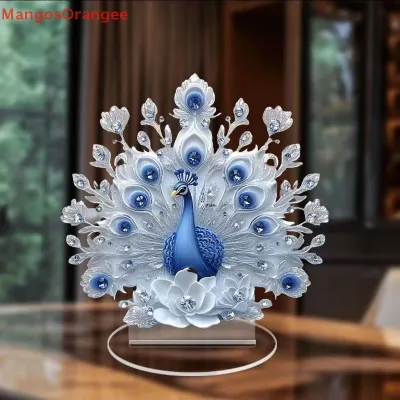
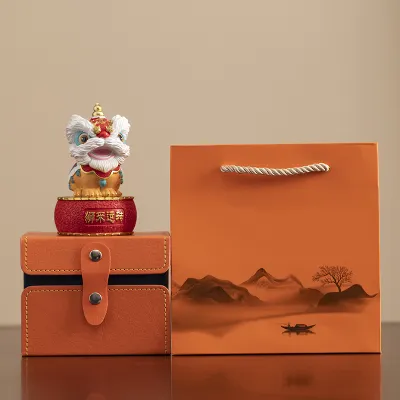
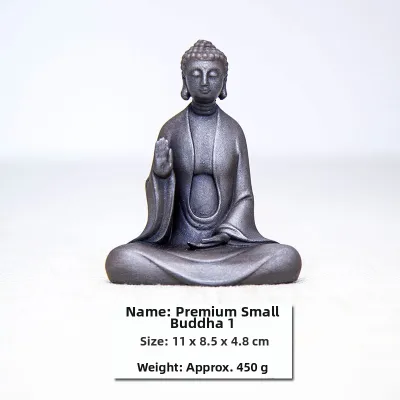
Prices are valid at publication and may change. Please refer to the product page for the latest price.
Resin statues are crafted from synthetic liquid polymers mixed with hardeners, poured into detailed molds, and cured. This material is highly valued for its lightweight nature and exceptional moldability, which allows artists to capture incredibly fine details that might be difficult or costly to achieve in other media. Resin can also be mixed with additives like stone powder (cold-cast stone) or metal powder (cold-cast bronze) to mimic heavier, more expensive materials. However, because resin is a synthetic plastic compound, its long-term stability depends heavily on the quality of the polymer. You must check manufacturer labels for specific UV stabilizers and temperature tolerances if you plan to place a resin piece near a sunny window or outdoors.
Bronze statues represent a traditional, time-honored medium associated with fine art and public monuments. True bronze is an alloy consisting primarily of copper combined with tin and other metals, typically cast using the complex lost-wax method. This process results in a highly durable, heavy, and structurally rigid piece that can last for generations. Bronze is unique because it reacts with its environment over time, developing a natural surface oxidation known as a patina. When purchasing a bronze piece, it is crucial to verify whether the statue is solid bronze or a hollow casting, as this significantly impacts both the weight and the structural support required for display.
Ceramic statues are made from natural clay that is shaped, dried, fired in a high-temperature kiln, and usually finished with a glassy glaze. This material is celebrated for its organic origins, smooth textures, and the brilliant, permanent colors achieved through vitrified glazes. Ceramic sculptures bring a refined, delicate elegance to indoor spaces, but they are inherently fragile. Before purchasing, you should verify the glaze type and check the manufacturer’s waterproofing instructions, as unglazed ceramic remains porous and can absorb moisture, leading to structural degradation over time.
Comparing Durability, Weight, and Placement Conditions
Where you plan to display your statue is often the deciding factor in which material you should choose. Physical constraints, climate conditions, and household activity levels all play a role in determining the longevity of the piece.

Weight and Load-Bearing Requirements
Weight varies drastically among these three materials, which directly affects where they can be safely displayed. Bronze is exceptionally dense; even a medium-sized hollow bronze sculpture can weigh several kilograms, while solid pieces require substantial effort to lift. If you plan to display a statue on a glass-fronted cabinet, a floating wall shelf, or an elevated pedestal, you must verify the exact weight of the piece and compare it against the load-bearing specifications of your furniture. Resin is the lightest option, making it easy to rearrange and safe for delicate shelving, though very light pieces may require weighted bases to prevent tipping. Ceramic falls in the middle, offering enough heft to feel substantial without overloading standard furniture, though larger ceramic pieces still require stable, flat surfaces.
Environmental Tolerance and Climate
In tropical climates like Singapore’s, high humidity and intense sunlight are constant factors that can rapidly degrade sensitive materials. For outdoor gardens, open patios, or high-humidity areas, you must consult the manufacturer’s explicit instructions rather than relying on general material assumptions. Standard resin can become brittle, yellow, or crack under intense UV exposure unless it has been treated with a specialized UV-resistant coating. Bronze handles moisture exceptionally well and is highly suited for outdoor environments, though the high humidity will accelerate the development of its green or brown patina. Ceramic is highly resistant to sun fading, but if water penetrates unglazed portions of the clay body, it can lead to mold growth or structural cracking in humid conditions.
Fragility and Safety in the Home
Consider the daily traffic patterns of your household before finalizing your choice. Ceramic is highly brittle; a single accidental bump from a pet, a child, or a vacuum cleaner can cause it to shatter irreparably. Hollow resin is more resilient to minor impacts, but a hard fall onto a tiled floor can still cause cracking, chipping, or puncture holes. Bronze is virtually indestructible under normal household conditions; it will not shatter or crack if tipped over. However, because of its extreme weight, a falling bronze statue poses a significant safety hazard to children and pets, and can easily dent hardwood floors or crack ceramic floor tiles. If you choose a heavy bronze piece, ensure it is securely anchored or placed on a low, stable surface.
Aesthetic Appeal and Finish Maintenance
The visual style of your home and the amount of time you want to spend cleaning should guide your material selection. Each material interacts with light and ages in a completely different manner.
Surface Texture and Detail
Resin offers incredible stylistic versatility, as it can be painted with acrylics, gilded with gold leaf, or finished to look like weathered stone, terracotta, or polished metal. However, because these finishes are applied to the surface, they can sometimes lack the visual depth of genuine materials. Bronze possesses a rich, metallic luster that catches the light beautifully, with a surface texture that feels cool and substantial to the touch. The way bronze reflects light changes as the patina develops, giving the piece a dynamic, living quality. Ceramic provides a clean, often glossy aesthetic, with glazed surfaces that reflect light sharply and colors that remain vibrant and fade-resistant for decades.
Cleaning and Care Routines
All statues require regular dusting to maintain their appearance, but their deep-cleaning requirements differ. For resin, a soft, dry microfiber cloth is usually sufficient; you must avoid harsh chemical solvents, which can dissolve or dull the painted surface. Ceramic is relatively easy to clean, as glazed surfaces can be wiped down with a damp cloth and mild soap, though you must avoid abrasive scrubbing pads that could scratch the glaze. Bronze requires the most specialized care to preserve its finish. While routine dusting with a dry cloth is safe, you must read the manufacturer’s care guide before applying any metal polishes, waxes, or oils, as improper chemicals can strip away the protective lacquer or damage the carefully cultivated patina.
Aging, Wear, and Repair
Over time, all decorative objects show signs of age. Bronze ages gracefully, and its natural oxidation is often considered an aesthetic asset that adds character and value to the piece. If a bronze statue does suffer surface scratches, these can often be blended back into the patina with professional guidance. Conversely, resin does not age as gracefully; if its protective topcoat begins to peel or flake due to heat or sun exposure, the underlying plastic can look unsightly and is difficult to repair. Ceramic does not age or oxidize, but physical damage is catastrophic. While minor chips can sometimes be glued back, a shattered ceramic statue usually requires professional restoration, which can be costly and may still leave visible seam lines.
Budget and Value Considerations
Understanding the cost structure of these materials helps you allocate your decorating budget effectively while avoiding unexpected secondary expenses.
Initial Cost Differences
Bronze is consistently the most expensive option due to the high cost of raw copper and tin, the labor-intensive casting process, and the specialized artistry required to finish each piece. Ceramic statues occupy a wide middle-to-high price tier; mass-produced slip-cast ceramics are relatively affordable, while hand-thrown, artist-signed studio ceramics command premium prices. Resin is generally the most budget-friendly material, as it can be cast quickly in reusable molds with minimal manual labor, making large, highly detailed sculptures accessible to a broader range of budgets. Always verify current pricing directly with reputable retailers, as prices fluctuate based on artisan involvement and manufacturing scale.
Hidden Costs of Ownership
When budgeting for a statue, look beyond the initial purchase price. Heavy bronze pieces often incur substantial shipping and handling fees due to their weight, and they may require professional installation to ensure they are safely anchored to walls or heavy pedestals. Fragile ceramic pieces require specialized, heavy-duty packaging and insured shipping to guarantee they arrive intact. Resin statues, being lightweight and durable, typically have the lowest shipping and installation costs, making them highly cost-effective from purchase to placement.
Long-Term Value Retention
If you are viewing your purchase as an investment, keep in mind that material alone does not guarantee value retention. While bronze has intrinsic scrap metal value and a long history of collectibility, the ultimate value of any sculpture depends on the reputation of the artist, the rarity of the edition, and documented provenance. A limited-edition resin sculpture by a highly sought-after contemporary artist can appreciate significantly, whereas a generic, mass-produced bronze casting may only retain its basic material value. Always research the artist and request certificates of authenticity if long-term value is a priority.
Decision Framework: Which Statue Material is Right for You?
To finalize your decision, match your specific household conditions and aesthetic goals against this quick reference framework.
Choose Resin if:
- You are working with a limited budget but want a large, highly detailed, or modern painted sculpture.
- The statue will be displayed on lightweight shelving, floating mounts, or delicate furniture.
- You want a piece that is easy to pack, move, and rearrange without professional assistance.
- The sculpture will reside in a controlled indoor environment away from direct, intense sunlight.
Choose Bronze if:
- You want an heirloom-quality investment piece that can be passed down through generations.
- You are placing the statue outdoors in a garden, courtyard, or patio where it must withstand wind and rain.
- You appreciate the natural, evolving beauty of metallic oxidation and a developing patina.
- You have a stable, heavy-duty pedestal or reinforced flooring capable of supporting significant weight.
Choose Ceramic if:
- You prefer a refined, classic indoor aesthetic with vibrant, glossy, or matte glazed finishes.
- The statue will be placed in a low-traffic area, safe from accidental bumps, children, or pets.
- You want a material that is highly resistant to fading and easy to wipe clean with a damp cloth.
- You are looking for a medium-weight tabletop or mantelpiece accent.
Verify first if:
- You plan to place any statue outdoors, in a bathroom, or near a swimming pool; always confirm the specific moisture, UV, and temperature ratings with the manufacturer before installation.
- You are mounting a heavy piece at height; consult a qualified professional to ensure the wall anchors and structural supports are rated for the statue's exact weight.
Frequently Asked Questions (FAQ)
Can I leave a resin statue outdoors all year round?
Not all resin statues are designed to withstand outdoor elements. You must check the product label or manufacturer specifications for explicit UV-resistant and weather-proof ratings. If the product does not explicitly state it is rated for outdoor use, treat it as an indoor-only piece. Unprotected resin exposed to constant sunlight and rain can rapidly fade, yellow, crack, or become brittle.
How do I clean a bronze statue without damaging the patina?
For routine cleaning, use a soft, dry, or slightly damp microfiber cloth to gently remove dust and surface dirt. Avoid using household chemical cleaners, glass sprays, or abrasive polishes, as these can strip away the protective wax coating or damage the natural patina. Before applying any specialized metal waxes or oils, always consult the manufacturer’s care guide to ensure compatibility with your statue’s specific finish.
Are ceramic statues safe for bathrooms or humid areas?
While the glazed surface of a ceramic statue is waterproof, high-humidity environments can still pose risks. Many ceramic pieces have unglazed bases or porous clay bodies underneath the glaze that can absorb moisture in damp environments, potentially leading to mold growth or structural weakness over time. Always check the manufacturer’s recommendations to confirm if a specific ceramic piece is rated for high-humidity areas like bathrooms.
Community discussion
Share your experience or ask a question. Comments are reviewed before publication.