
Choosing a dragon figurine for your home involves balancing aesthetic appeal, structural safety, and long-term maintenance. The differences between resin, bronze, and jade dragon figurines lie primarily in their weight, durability, cost structure, and visual impact. Resin offers lightweight versatility and intricate painted details; bronze provides substantial weight, classic metallic luster, and long-term durability; jade delivers a cool, translucent, and highly valued natural stone aesthetic. Understanding how these materials behave in a home environment ensures you select a piece that complements your decor while remaining safe and stable on your shelves or display cabinets.
Understanding the Core Characteristics of Each Material
Each material brings a distinct physical presence and visual style to an interior space. Resin is a synthetic polymer that offers notable design flexibility. Because it begins as a liquid, manufacturers can cast it into highly complex, dynamic shapes with intricate scales, claws, and facial expressions that are difficult to carve in stone or cast in metal. Resin figurines are often finished with acrylic paints, metallic powders, or colored glazes, allowing them to mimic almost any surface texture, from ancient stone to polished gold.
Bronze, a copper-based alloy, is characterized by its distinct weight and classic metallic luster. Traditional bronze figurines are created using foundry casting methods, resulting in a solid, heavy piece that feels substantial when handled. The surface of bronze naturally interacts with the surrounding air, developing a unique patina over time that transitions from warm golden-brown tones to deeper, antique hues. This natural aging process gives bronze sculptures a sense of historical depth and permanence.
Products mentioned in this guide
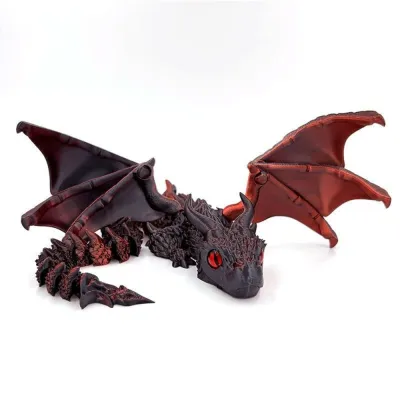
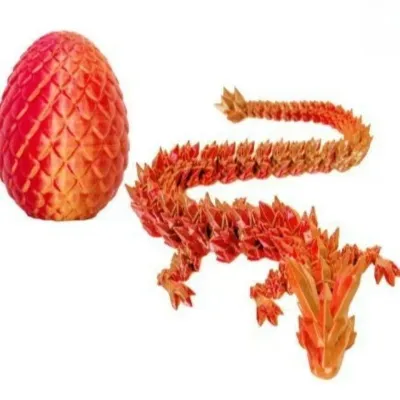
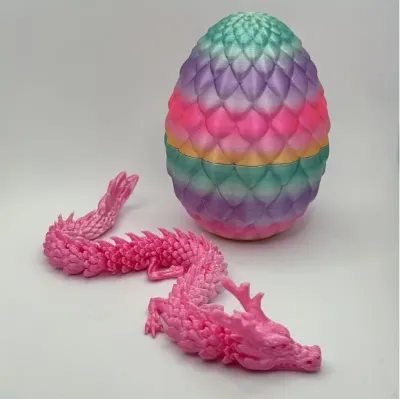
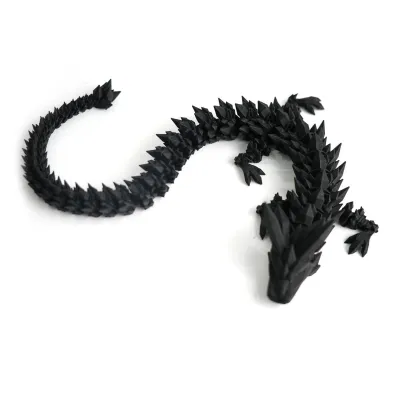
![[Meow.Sensei]3d Print Joint Dragon Three d Chinese Dragon Model Full Body Movable Dragon Childrens Toy Landscaping Decoration Ornaments](https://img.lazcdn.com/g/p/64f1639b8942af6f9c754e6bffe1028d.jpg_webp_400x400q80.jpg_.webp)
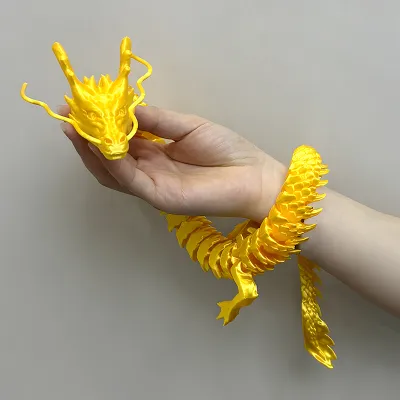
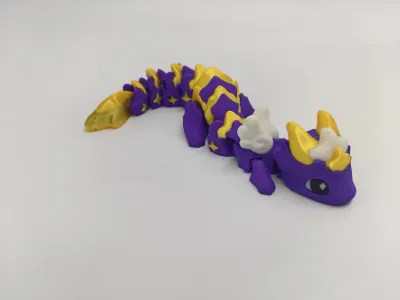
Prices are valid at publication and may change. Please refer to the product page for the latest price.
Jade is a natural metamorphic mineral renowned for its cool temperature, smooth texture, and subtle translucency. Unlike cast materials, jade figurines must be individually carved from raw stone blocks, meaning every piece features unique natural grain patterns, color variations, and inclusions. Jade ranges in color from creamy whites to deep forest greens, displaying a soft, waxy luster that catches the light beautifully when placed near a window or under a dedicated display spotlight.
Evaluating Durability and Maintenance Requirements
The longevity of your dragon figurine depends heavily on how its material reacts to the indoor climate and daily household activities. Resin is highly resistant to moisture and humidity, making it stable in various indoor environments. However, it is sensitive to ultraviolet light and heat. Prolonged exposure to direct sunlight can cause the colors to fade, yellow, or become brittle over time, so resin pieces should be kept away from sunny window sills. Cleaning is straightforward, requiring only a gentle dusting with a dry microfiber cloth, as harsh chemical solvents can strip or damage the painted outer layer.

Bronze is exceptionally durable and virtually shatterproof, making it highly resistant to physical damage if accidentally tipped over. However, bronze is susceptible to oxidation when exposed to high humidity or moisture, which can lead to unwanted tarnish or green corrosion. To preserve its finish, display bronze figurines in dry, well-ventilated areas. Regular dusting with a soft-bristled brush prevents dust buildup from trapping moisture on the metal. If the manufacturer’s care guidelines permit, applying a thin layer of specialized microcrystalline wax can help seal the surface against atmospheric moisture.
Jade is a hard stone that resists scratching, but its crystalline structure makes it brittle and highly vulnerable to impact. A fall onto a hard tiled or marble floor can easily chip, crack, or completely shatter a carved jade figurine. Jade does not fade in sunlight or tarnish in humid air, but it must be handled with clean hands to prevent skin oils from dulling its natural luster. Clean jade with a soft, damp cloth, avoiding any acidic or abrasive household cleaners that could etch the stone’s surface.
Comparing Price Points and Value Considerations
Understanding the cost drivers behind each material helps you make an informed investment for your home decor. Resin figurines are generally the most budget-friendly option because they are cast from reusable molds, allowing for efficient production. The value of a resin piece lies in its design complexity and the quality of its hand-painted finish rather than the material itself, making it an accessible choice for casual decorative displays.
Bronze figurines occupy a mid-to-high price tier due to the complex, multi-step casting process, the cost of raw copper alloys, and the skilled labor required for hand-finishing and patination. Artisan-crafted bronze sculptures, particularly those produced in limited editions, often retain or increase their value over time as collectible art pieces. When purchasing bronze, look for clear manufacturer details regarding the casting method to ensure you are investing in a genuine hot-cast bronze piece rather than a cold-cast resin-metal composite.
Jade figurines typically represent a premium investment, with value determined by the rarity and grade of the stone, the intensity of its color, and the skill of the lapidary artist. Because authentic jade must be painstakingly carved by hand using diamond-tipped tools, no two pieces are identical. To verify material authenticity and avoid mislabeled products on online marketplaces or in physical shops, look for certified gemological reports. Be cautious of vague terms like “soft jade” or “new jade,” which are often marketing names for less valuable minerals like serpentine or calcite.
Choosing the Right Dragon Figurine for Your Space
Selecting the suitable dragon figurine requires matching the material’s physical properties with your home’s interior design and the structural limits of your display areas. Resin figurines, with their vibrant colors and dynamic fantasy designs, fit well in modern, eclectic, or contemporary spaces. Their lightweight nature makes them ideal for delicate glass shelves, floating wall ledges, or high display cabinets where minimizing weight is crucial for structural safety. If mounting display shelves at height to hold heavy figurines, follow the manufacturer’s installation instructions carefully or consult a qualified professional to ensure secure wall anchoring.
Bronze figurines complement traditional, rustic, or industrial interior themes, adding an air of classic sophistication and grounded elegance. Because bronze is heavy and stable, it is best displayed on sturdy wooden consoles, fireplace mantels, or dedicated pedestals where there is no risk of overloading the furniture. Jade figurines pair beautifully with minimalist, Asian-inspired, or luxury decors, where their natural translucency can be highlighted by placing them near soft ambient lighting or on a backlit display shelf.
Before finalizing your purchase, perform a quick physical inspection of the figurine. Place the piece on a completely flat surface to verify that the base is stable and does not wobble. Inspect resin pieces for visible mold seams or tiny air bubbles that indicate lower casting quality. Examine bronze figurines for an even, intentional patina without patchy discoloration, and check jade carvings under a bright light to ensure there are no deep structural cracks that could compromise the stone’s integrity.
Frequently Asked Questions (FAQ)
Can resin dragon figurines look as authentic as bronze or jade?
Modern casting and painting techniques allow resin figurines to closely mimic the appearance of metal or stone, especially when mixed with metallic powders in a process known as cold casting. However, resin cannot replicate the cold-to-the-touch feel, substantial weight, or natural surface depth of genuine bronze or jade. To assess the craftsmanship, inspect the underside of the figurine for visible mold lines and tap the material gently; a hollow, lightweight sound typically indicates a resin composite rather than solid stone or metal.
How do I prevent bronze figurines from developing unwanted tarnish?
To prevent unwanted tarnish or corrosion on a bronze dragon figurine, display it in a dry, climate-controlled room away from high humidity, open windows, or direct moisture. Dust the figurine regularly with a clean, dry, soft-bristled brush to prevent dust from absorbing moisture from the air. Always check the manufacturer’s care label before applying any cleaning agents; many recommend applying a thin, protective coat of non-acidic microcrystalline wax once or twice a year to seal the metal surface.
Is jade too fragile for households with pets or young children?
Yes, jade can be highly vulnerable in active households with pets or young children. Although jade is a hard mineral, its crystalline structure is brittle, meaning it can easily chip or shatter if knocked off a table onto hard flooring. If you choose to display a jade figurine in a busy household, place it inside a secure, closed glass cabinet or on a high shelf out of reach. Alternatively, consider durable materials like bronze, which can withstand accidental impacts without breaking.
Community discussion
Share your experience or ask a question. Comments are reviewed before publication.