
Selecting a Buddha statue for your home is a deeply personal decision that blends spiritual significance, interior design, and practical home management. While many seek a single “best” material, the truth is that no single option universally outperforms the others. The ideal choice depends entirely on how you balance your budget, your aesthetic preferences, and the specific environmental conditions of your living space. Whether you are setting up a dedicated altar or placing a decorative piece in a living room, understanding the physical properties of resin, bronze, wood, and ceramic is essential. By matching these materials to your home’s unique microclimate—such as humidity levels, sunlight exposure, and structural surfaces—you can select a statue that remains beautiful, respectful, and intact for years to come.
Resin, Bronze, Wood, and Ceramic: Core Characteristics
The material you choose dictates not only the visual appeal of the Buddha statue but also its weight, tactile feel, and how it will age over time. Each of the four primary materials offers distinct physical characteristics that influence where and how it can be safely displayed in a modern home.
Resin: Lightweight and Detailed
Resin is a modern synthetic material highly popular for home decor due to its versatility and affordability. During manufacturing, liquid resin is poured into detailed molds, allowing it to capture intricate facial expressions, delicate hand gestures, and complex drapery that would be difficult or costly to carve by hand. This material is exceptionally lightweight, making it easy to move or place on delicate shelving units. Additionally, resin can be painted or mixed with powdered additives to convincingly mimic the appearance of heavier materials like bronze or stone. However, resin is susceptible to environmental degradation. Prolonged exposure to direct ultraviolet (UV) light can cause the colors to fade, and the material can become brittle over time. It is also prone to chipping if dropped onto hard surfaces.
Products mentioned in this guide
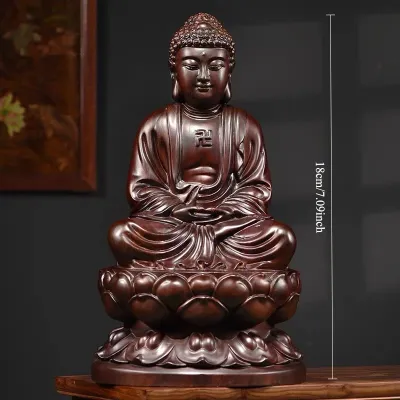
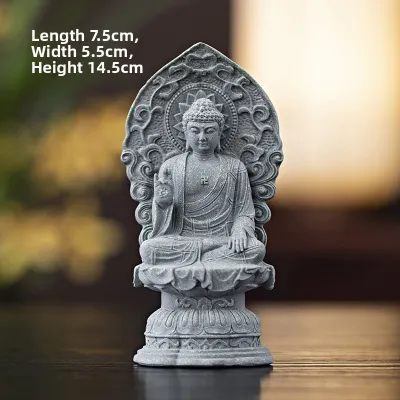
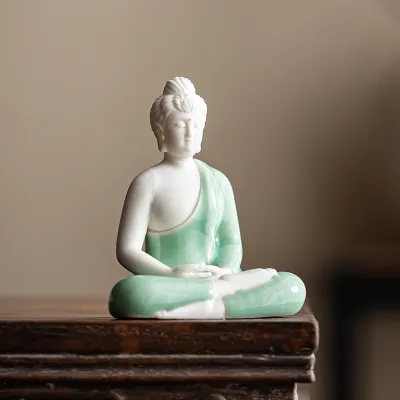
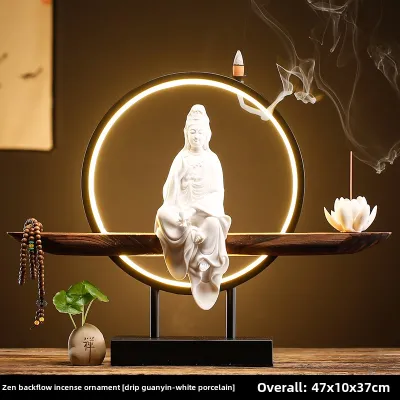
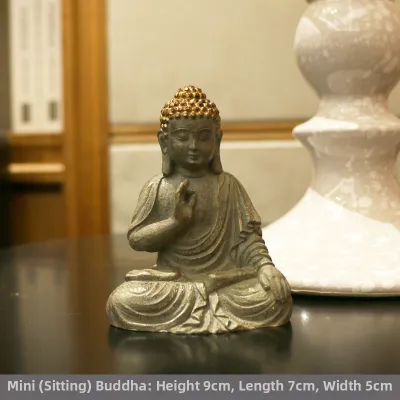
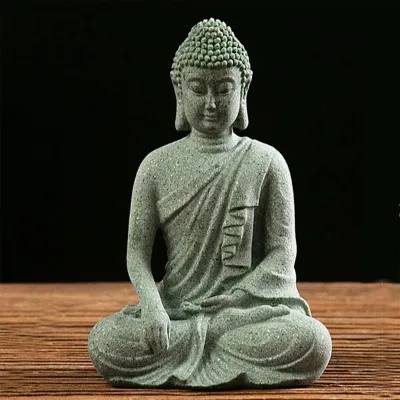
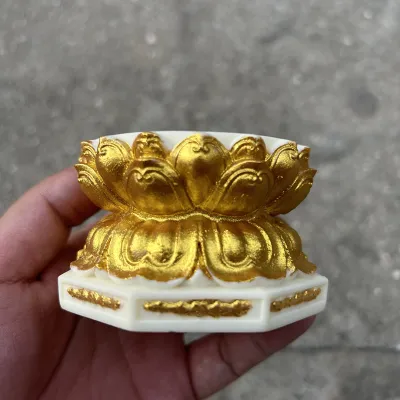
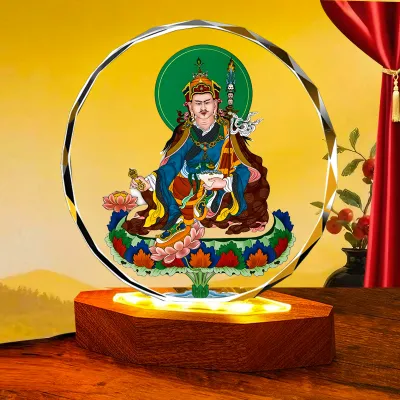
Prices are valid at publication and may change. Please refer to the product page for the latest price.
Bronze: Heavy and Enduring
Bronze is a traditional metal alloy that has been used for centuries to cast sacred art, offering unmatched durability and a commanding physical presence. A bronze Buddha statue carries significant weight, giving it a grounded, stable feel that commands respect in any room. This weight makes it highly resistant to being accidentally knocked over by pets or children. One of the most celebrated aspects of bronze is its ability to develop a natural patina over time, a subtle change in color and texture caused by oxidation and contact with air. This aging process is often viewed as a desirable trait that adds depth and character to the statue. However, this enduring quality comes with a higher budget requirement, and its substantial weight requires highly stable, robust furniture to support it safely.
Wood: Warm and Organic
Wood brings a warm, organic, and deeply tactile quality to a home altar, connecting the space directly to the natural world. Each wooden Buddha statue is unique, showcasing natural grain variations, knots, and color tones that cannot be replicated by factory molds. Carved from materials like sandalwood, teak, or camphor, these statues often emit a subtle, natural fragrance that enhances the peaceful atmosphere of a room. The organic nature of wood, however, makes it highly sensitive to its surrounding environment. In regions with high humidity or rapid temperature fluctuations—such as spaces that cycle between tropical heat and dry air conditioning—wood can absorb and release moisture. This constant expansion and contraction can lead to warping, splitting, or cracking over time, requiring a stable indoor climate.
Ceramic: Classic and Fragile
Ceramic and porcelain Buddha statues offer a classic, elegant aesthetic characterized by smooth surfaces, clean lines, and beautiful glaze finishes. From pristine white porcelain to vibrant, colorful glazes, ceramic statues have a refined, timeless quality that fits seamlessly into both traditional and minimalist modern interiors. The smooth, non-porous surface of glazed ceramic is highly resistant to moisture and staining, making it easy to wipe clean. Despite these advantages, ceramic is inherently rigid and brittle. It carries a high risk of shattering or chipping catastrophically if it is knocked over, bumped, or placed on an unstable surface. Because of this fragility, ceramic statues are best suited for secure, low-traffic areas where they are safe from accidental contact.
Comparing Key Decision Factors for Home Display
When deciding on the right material, you must look beyond aesthetics and evaluate how each option performs against the practical realities of your household.

Environmental Resistance: The climate inside your home plays a major role in the longevity of the statue. For instance, in humid tropical environments like Singapore, moisture can settle on surfaces, accelerating the oxidation of bronze or causing untreated wood to swell and warp. Conversely, running air conditioning for long hours dries out the air, which can cause wood to shrink and crack. Resin is highly resistant to moisture but degrades under direct sunlight, while ceramic remains completely unaffected by humidity but can suffer from thermal shock if exposed to sudden, extreme temperature shifts.
Weight and Structural Support: Before purchasing, consider where the statue will stand. A large bronze or heavy ceramic piece requires a solid wood console, a sturdy altar table, or a reinforced shelf. Placing a heavy metal statue on a floating wall shelf or a delicate glass-front cabinet can lead to structural failure and damage to both your furniture and the statue. Resin, being lightweight, is the safest choice for wall-mounted shelves, high ledges, or lightweight display stands.
Budget and Value Expectations: Your budget will naturally narrow your choices. Resin and ceramic are highly accessible, with many beautiful options available on online marketplaces for under S$100 to S$300. These are excellent for those starting their spiritual journey or looking for versatile decor. In contrast, hand-carved wood and cast bronze are premium investments, often costing several hundred to thousands of Singapore dollars. These materials are purchased for their long-term value, often serving as family heirlooms passed down through generations.
Aesthetic Aging: Consider how you want the statue to look years from now. If you appreciate a piece that evolves, bronze and wood develop a beautiful, lived-in character as they age. If you prefer a statue that maintains its original, pristine appearance indefinitely, a high-quality glazed ceramic or a well-protected resin statue is a better fit, provided they are kept out of direct sunlight and handled with care.
Decision Framework: Which Material Fits Your Space?
To finalize your choice, match your specific living conditions and priorities to the following conditional guidelines:
- Choose Resin if: You are looking for a highly detailed, budget-friendly Buddha statue that is easy to move. It is the ideal choice for high shelves, floating wall mounts, or rental homes where heavy furniture is limited.
- Choose Bronze if: You want a heavy, durable, and prestigious heirloom piece that will stand permanently on a sturdy altar or solid console table, and you appreciate the natural, evolving beauty of a metal patina.
- Choose Wood if: You desire a warm, natural, and organic presence for a climate-controlled indoor space, and you are willing to maintain stable humidity levels to protect the wood from cracking.
- Choose Ceramic if: You prefer a smooth, classic, and easily cleanable glazed finish for a secure, low-traffic display area, such as a dedicated meditation niche or a glass-enclosed display cabinet.
- Verify First if: You plan to place the statue near an open window, on a balcony, or on a wall-mounted shelf. Always check the manufacturer's environmental ratings to ensure the material can withstand semi-outdoor conditions, and verify the maximum load capacity of any shelf or bracket before mounting a heavy bronze or ceramic piece.
Material-Specific Care and Placement Boundaries
Proper maintenance is crucial to preserving the beauty and structural integrity of your Buddha statue. Regardless of the material, always prioritize gentle, non-invasive cleaning methods.
Cleaning Limits: For routine dust removal, use only a soft, dry microfiber cloth or a clean, dry makeup brush to reach intricate crevices. Avoid using harsh chemical cleaners, household detergents, or abrasive scrubs, as these can permanently strip away painted finishes on resin, dissolve protective waxes on wood, or damage the delicate patina of bronze. If a damp cloth is necessary to remove stubborn dust, use only plain water, wring the cloth out thoroughly, and dry the surface immediately afterward.
Placement Safety: To prevent premature aging and damage, keep wood and ceramic statues away from direct heat sources, active air conditioning vents, and areas that receive prolonged direct sunlight. Rapid temperature changes and dry air currents can cause wood to split and ceramic glazes to develop fine hairline cracks (crazing).
When to Stop: If you notice signs of structural cracking, active wood pest infestation (such as tiny exit holes or fine wood dust), or severe corrosion on a bronze statue, stop all DIY cleaning efforts immediately. Attempting to fix these issues with household products can cause irreversible damage. Instead, consult a professional art restorer or contact the manufacturer for specialized guidance.
Frequently Asked Questions (FAQ)
Can I place a wood or ceramic Buddha statue outdoors?
Standard indoor wood and ceramic Buddha statues are highly vulnerable to outdoor elements. Rain, extreme temperature swings, and direct UV exposure will quickly warp or crack wood, and can cause ceramic glazes to crack or the statue itself to shatter due to thermal expansion. If you wish to place a statue on a balcony, patio, or garden, always check the manufacturer’s specifications to confirm it has an explicit outdoor rating. Outdoor-specific statues are typically treated with specialized weather-resistant sealants or made from highly durable stone composites.
How do I safely clean an antique or unsealed bronze statue?
Antique or unsealed bronze statues require extremely delicate handling to preserve their historical and aesthetic value. You should only clean them by gently dusting the surface with a soft, dry, natural-bristle brush. Never use water, liquid metal polishes, or abrasive cloths, as these can strip away the natural patina that has taken decades to develop. If the statue requires deep cleaning or shows signs of active corrosion (such as powdery green spots known as bronze disease), avoid DIY treatments and consult a professional art conservator.
Community discussion
Share your experience or ask a question. Comments are reviewed before publication.