
Selecting the ideal material for a cow statue depends on where you plan to display the piece, your aesthetic preferences, and your budget. Resin, ceramic, and bronze each offer distinct physical properties, weight profiles, and maintenance requirements. While resin provides lightweight versatility and intricate details at an accessible price point, ceramic offers a classic, rigid presence suited for indoor shelves, and bronze delivers unmatched weight and long-term durability for premium collections. By evaluating how these materials behave under different environmental conditions, you can choose a sculpture that remains beautiful and structurally sound for years to come.
Before purchasing any decorative sculpture, it is essential to look beyond material names alone. Manufacturers use varying grades of polymers, clays, and metal alloys, meaning that performance can differ widely from one product to another. This guide breaks down the structural characteristics of resin, ceramic, and bronze to help you make an informed decision based on your specific display environment.
Material Profiles: Resin, Ceramic, and Bronze
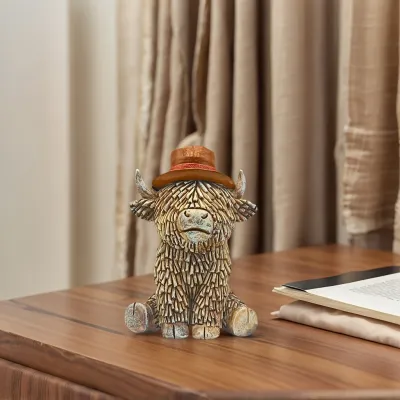
Resin statues are crafted from synthetic liquid polymers mixed with hardeners and poured into highly detailed molds. This manufacturing process allows designers to capture incredibly fine textures, such as the realistic look of cow hair, intricate facial features, or simulated wood grain. Once cured, resin becomes a rigid, lightweight material that can be painted, gilded, or textured to mimic almost any natural substance. Because of its low density, a large resin cow statue remains easy to lift, move, and reposition without straining your back or overloading your furniture.
Products mentioned in this guide
Prices are valid at publication and may change. Please refer to the product page for the latest price.
Ceramic statues are made from natural clay that is shaped, dried, and fired at high temperatures in a kiln. This firing process triggers a chemical transformation, turning the soft clay into a hard, rigid, and completely inorganic structure. Ceramic pieces can be finished with liquid glazes that fuse into a glassy, colorful surface during a second firing, or they can be left unglazed for a matte, earthy texture. Ceramic cow statues carry a satisfying physical weight and a classic, artisanal quality, though they lack the high impact resistance of synthetic materials.
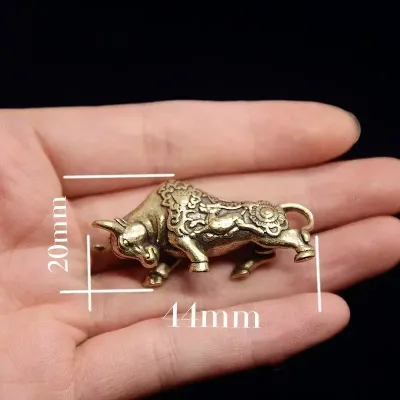
Bronze is a traditional metal alloy composed primarily of copper combined with tin and occasionally other metals like aluminum or manganese. Bronze cow statues are typically created using the complex lost-wax casting method, resulting in a heavy, highly durable work of art. Over time, bronze naturally reacts with oxygen and moisture in the air to develop a unique surface layer known as a patina. This patina can also be applied chemically at the foundry to achieve specific shades of green, brown, or black, giving the statue a timeless, heritage appearance.
Durability and Placement: Where Will Your Statue Live?
When deciding where to place your cow statue, environmental exposure is the most critical factor. In tropical climates like Singapore, high humidity, intense sunlight, and heavy rainfall can rapidly degrade materials that are not rated for outdoor use. Resin statues intended for outdoor gardens must feature specific UV-resistant stabilizers and moisture-proof topcoats; otherwise, the synthetic polymer can become brittle, and the painted details may fade or peel. Always verify the manufacturer’s outdoor rating rather than assuming all resin is weatherproof.

Ceramic statues are highly sensitive to temperature fluctuations and physical impacts. While they excel in indoor environments, placing an unglazed or poorly sealed ceramic statue outdoors can lead to moisture absorption. If water penetrates the clay body, subsequent temperature shifts can cause the material to crack or spall. Additionally, glazed ceramic surfaces can craze—developing networks of fine hairline cracks—when exposed to direct, intense sunlight over extended periods.
Weight and structural support are vital safety considerations, particularly for large bronze or ceramic sculptures. A solid bronze cow statue can weigh tens of kilograms, requiring a reinforced pedestal, a concrete pad, or a heavy-duty shelf. If you plan to display a heavy statue on a high shelf or a wall-mounted bracket, always verify the load capacity of your furniture and wall anchors. For any heavy, elevated, or suspended installations, consult a qualified professional to ensure the structure can safely support the load and prevent tipping hazards.
Fragility and household traffic should also dictate your material choice. If you have active pets or young children, a ceramic statue placed on a low coffee table carries a high risk of being knocked over and shattering into sharp, hazardous shards. Resin offers better impact resistance and is less likely to break if tipped onto a carpeted floor, though it can still chip on hard tile. Bronze is virtually indestructible under normal household conditions, making it the safest choice against physical impacts, though its sheer weight means a falling statue could damage your flooring or cause injury.
Aesthetics and Finish: Achieving Your Desired Look
Each material brings a distinct visual character to your home decor. Resin is highly versatile because its surface can be painted with acrylics, lacquers, or metallic powders to match any color scheme. However, painted resin finishes can wear down or lose their luster over time if exposed to frequent handling or direct sunlight. If you prefer a finish that retains its original appearance with minimal change, high-quality painted resin with a protective clear coat is a practical option.
Ceramic glazes offer a depth of color and brilliance that synthetic materials cannot easily replicate. Fired glazes are chemically inert and highly resistant to fading, meaning a vibrant red or deep black glazed cow statue will look just as bright decades from now as it did on the day it was fired. The texture of ceramic can range from a high-gloss, light-reflecting shine to a rustic, textured terracotta finish, allowing you to match modern minimalist or cozy farmhouse aesthetics.
Bronze provides a living finish that evolves beautifully over time. As the metal interacts with its environment, the patina deepens, highlighting the contours and sculpted details of the cow figurine. This natural aging process is highly prized by art collectors and adds a sense of history and permanence to a garden or study. If you prefer a consistent look, you can maintain the original foundry finish by applying protective coatings, but many collectors choose bronze specifically for its dynamic, changing aesthetic.
Budget and Maintenance: Long-Term Ownership
Your initial budget and willingness to perform routine maintenance should play a major role in your decision. Resin is generally the most budget-friendly option, with small to medium figurines often costing modest double-digit S$ amounts. This makes resin ideal for seasonal decor or those testing out a new style. Maintenance for resin is straightforward: regular dusting with a soft, dry microfiber cloth is usually sufficient. Avoid using harsh chemical solvents or abrasive pads, which can strip the protective clear coat and ruin the painted details.
Ceramic statues occupy a mid-range price tier, reflecting the energy and craftsmanship required for kiln firing. While ceramic is highly resistant to chemical cleaning agents, it is best to wash glazed pieces with mild dish soap and warm water. Avoid using abrasive scrubbers that could scratch the glaze. If a ceramic statue chips or breaks, repairing it requires specialized ceramic adhesives; even then, the repair lines will usually remain visible, making prevention the best strategy.
Bronze represents a premium investment, often costing several hundred to several thousand S$ depending on the size and casting complexity. However, this initial cost is balanced by the material’s extreme longevity. To maintain a bronze statue, dust it regularly with a soft brush. If the statue is kept outdoors, it may require an annual washing with non-ionic soap and water, followed by a thin application of microcrystalline wax to protect the metal from acid rain and pollutants. While tarnish and minor scratches can be polished out, major structural repairs require professional metalworking or foundry restoration.
Decision Framework: Which Cow Statue Should You Buy?
To finalize your purchase, match your specific display scenario to the strengths of each material:
- Choose resin if: You want a highly detailed, lightweight cow statue that is easy to move, budget-friendly, and unlikely to shatter if accidentally tipped over on a soft surface. It is excellent for indoor shelves, desks, and temporary outdoor displays.
- Choose ceramic if: You are looking for a classic, rigid centerpiece with a vibrant, fade-resistant glazed finish to display strictly indoors on a sturdy table, mantel, or display cabinet.
- Choose bronze if: You want a heavy, heirloom-quality sculpture for a permanent outdoor garden, patio, or premium indoor study, and you appreciate a material that develops a natural patina over time.
Before finalizing your order on any online marketplace or specialty decor site, always check the product specifications for exact dimensions, weight, and manufacturer-recommended placement. Verifying these details beforehand ensures your new cow statue fits perfectly and safely into its designated space.
Frequently Asked Questions (FAQ)
Can I leave a painted resin cow statue outside year-round?
You should only leave a resin statue outside year-round if the manufacturer explicitly rates the product for permanent outdoor use. Unprotected synthetic resin can degrade, crack, and fade when exposed to continuous UV radiation and heavy rain. To extend the lifespan of an outdoor resin statue, apply a compatible UV-resistant clear acrylic sealer annually, and bring the statue indoors during extreme weather events.
How do I clean a bronze statue without ruining the patina?
To clean a bronze statue safely, dust it regularly with a soft-bristled brush or a dry microfiber cloth. If the statue requires washing, use warm water mixed with a mild, non-ionic soap, rinse thoroughly with clean water, and dry it completely with a soft towel. Never use household glass cleaners, acids, vinegar, or abrasive polishes, as these substances can chemically strip the protective wax and permanently damage the underlying patina.
Community discussion
Share your experience or ask a question. Comments are reviewed before publication.