
Choosing the perfect decorative statue for your home involves balancing visual appeal with practical considerations like durability, weight, and maintenance. Resin, ceramic, and metal each offer distinct advantages and trade-offs that can dramatically alter the mood of a room. The ideal material depends on where you plan to display the piece, your household environment, and your personal design preferences. By understanding how these materials behave under different conditions, you can select an accent that remains beautiful and structurally sound for years to come.
Comparing Aesthetics, Weight, and Texture
The visual and tactile qualities of a decorative statue set the tone for the entire space it occupies. Resin is highly favored by designers for its incredible moldability, which allows manufacturers to capture intricate details, sharp lines, and complex textures. Because liquid resin can be poured into highly detailed molds, it can easily mimic more expensive materials like carved wood, weathered stone, or even aged bronze. However, resin is inherently lightweight, meaning a large piece might feel surprisingly light when lifted, and its final appearance depends heavily on the quality of the paint or finish applied by the manufacturer.
Ceramic statues offer a classic, artisanal appeal that brings warmth and texture to interior spaces. Whether finished with a high-gloss glaze that reflects light beautifully or left with a matte, earthy terracotta texture, ceramic pieces carry a sense of traditional craftsmanship. They also possess a substantial, satisfying weight that provides physical stability on shelves and tabletops. This weight gives ceramic figurines a premium, grounded feel, though the final texture and color depth are determined by the specific firing process and glazing techniques used during production.
Products mentioned in this guide
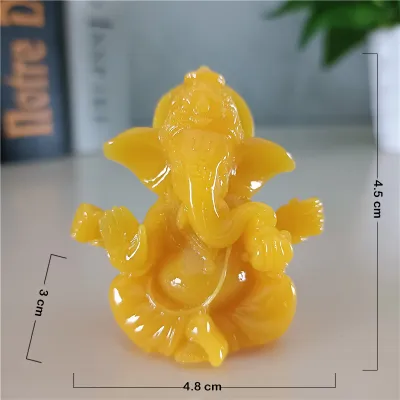
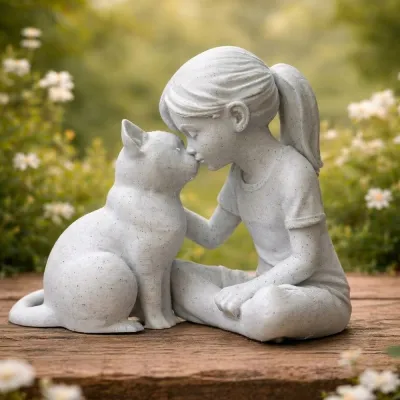
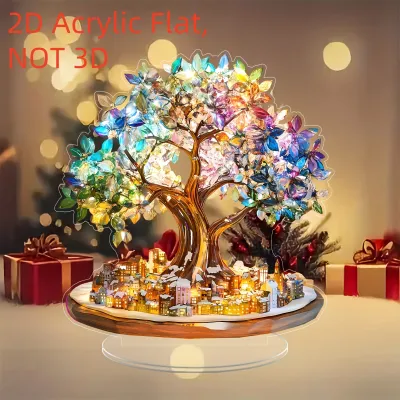
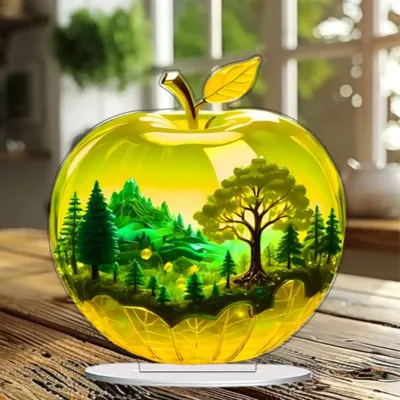
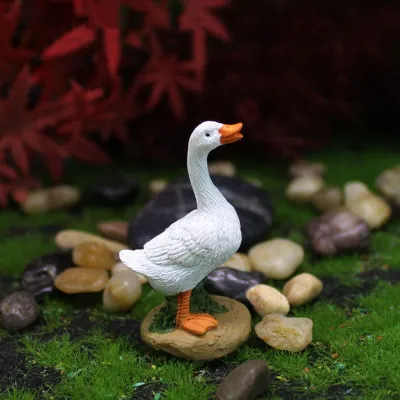
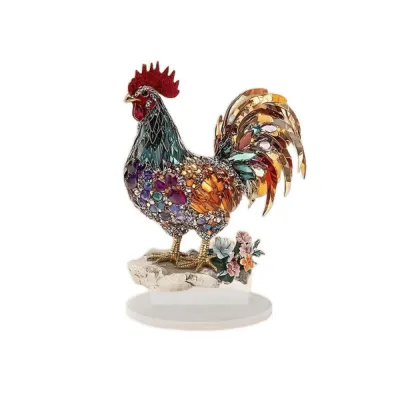
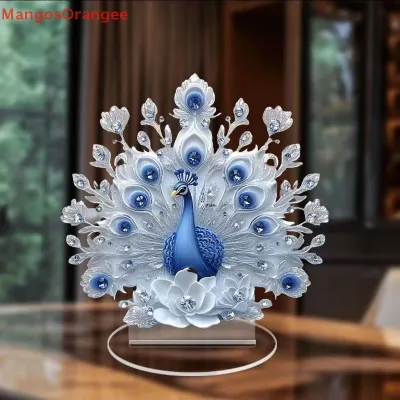
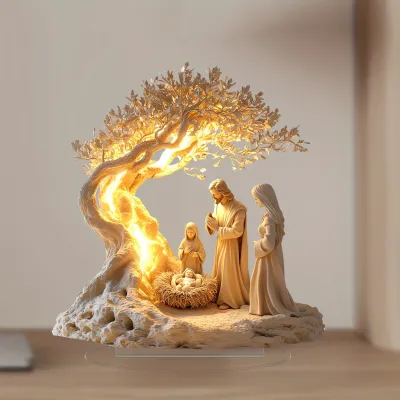
Prices are valid at publication and may change. Please refer to the product page for the latest price.
Metal statues, crafted from materials such as brass, iron, aluminum, or bronze, introduce a sense of permanence and structural strength to a room. They can feature highly polished, reflective surfaces that catch the light in modern spaces, or deep, patinated finishes that complement industrial and rustic decors. Metal pieces are physically solid and heavy, offering a tactile experience that feels premium and enduring. As with other materials, the exact finish, luster, and surface texture of a metal statue will vary based on the manufacturer’s polishing, plating, or patination processes.
Evaluating Durability and Placement Suitability
When deciding where to place a decorative statue, understanding how each material responds to physical impacts and environmental factors is essential. Ceramic is highly brittle and susceptible to shattering or chipping if knocked over, making it less suitable for high-traffic areas, low shelves, or homes with active pets and young children. Metal is exceptionally durable and will not shatter, though softer metals or hollow designs can dent or scratch if dropped. Resin offers moderate impact resistance; while it does not shatter like ceramic, a hard fall on a tiled floor can still chip or break delicate protruding details.

Moisture and humidity levels within your home should also dictate your material choice. Bathrooms, kitchens, and semi-outdoor spaces like covered balconies in tropical climates experience high humidity that can damage certain finishes. Unglazed ceramic can absorb moisture over time, potentially leading to structural weakness or discoloration, while certain metals may oxidize, rust, or tarnish when exposed to damp air. Resin is generally highly resistant to moisture, but you should always verify the manufacturer’s specific environmental ratings before placing any statue in a high-humidity zone.
Sunlight exposure is another critical factor that can alter the appearance of your decor over time. Direct ultraviolet (UV) rays from a sunny window can cause painted resin statues to fade, yellow, or become brittle over years of exposure. Some metal finishes can also discolor or lose their protective clear coats under intense sunlight, while glazed ceramics tend to hold their color exceptionally well against UV rays. To protect your investment, check the product packaging or manufacturer specifications for UV-resistance claims if you plan to place a statue in direct sunlight.
The weight of the statue must also be carefully matched to the load limits of your furniture. Large metal or solid ceramic sculptures can be surprisingly heavy, posing a risk to delicate glass-topped tables, floating shelves, or slender pedestals. Resin statues are often a safer choice for lightweight shelving units because they exert much less structural stress. Always verify the weight of the piece and compare it against the safe load capacity of your display surface before finalizing the placement.
Maintenance and Cleaning Routines
Preserving the original beauty of a decorative statue requires regular, gentle maintenance tailored to its specific material properties. For routine dusting, a soft, dry microfiber cloth is the safest tool for all three materials, as it lifts dust without scratching delicate surfaces. For statues with intricate carvings, deep crevices, or textured finishes—common in resin and detailed ceramic pieces—a soft-bristled makeup brush or a clean paintbrush can gently dislodge dust from hard-to-reach areas without applying damaging pressure.
When deeper cleaning is necessary, avoid harsh chemical cleaners, solvents, or abrasive scrubbing pads. These aggressive agents can easily strip the hand-painted details from resin, dull or scratch the protective glaze on ceramic, and strip the lacquer or patina from metal surfaces. For most glazed ceramic and resin statues, a slightly damp microfiber cloth is sufficient to wipe away fingerprints or smudges, provided you dry the surface immediately afterward with a clean cloth.
Metal statues require extra care when moisture is involved to prevent long-term surface damage. Water left on polished metal can cause unsightly water spots, and prolonged moisture exposure can trigger oxidation or rust on non-treated iron and steel. If you must use a damp cloth to clean a metal piece, ensure every crevice is dried thoroughly immediately after wiping. For specialized finishes, such as polished brass or patinated bronze, always consult the manufacturer’s care instructions to see if specific waxes or polishes are recommended to maintain the protective barrier.
Assessing Cost and Long-Term Value
The price of decorative statues can vary widely, and understanding the cost drivers helps you evaluate the long-term value of your purchase. Resin statues are generally the most budget-friendly option, especially for larger, highly detailed, or complex designs. Because resin can be mass-produced efficiently using reusable molds, it allows homeowners to acquire striking, large-scale art pieces without a premium price tag. However, high-end designer resin pieces with intricate hand-painted finishes can still command higher prices.
Ceramic statues occupy a broad pricing spectrum that is heavily influenced by the level of craftsmanship involved. Mass-produced ceramic figurines are highly affordable, whereas hand-thrown, hand-glazed, or studio-crafted ceramic art pieces carry a premium due to the labor-intensive firing process and the uniqueness of each glaze. Metal statues typically sit at the higher end of the pricing scale, reflecting the raw material costs of metals like brass or bronze, as well as the complex casting, welding, and polishing techniques required to shape them.
When evaluating the price-to-value ratio, remember that factors such as brand reputation, artist collaboration, complexity of the design, and hand-applied finishes often influence the final cost more than the raw material alone. Rather than relying on generalized material costs, it is best to check current retail prices in S$ for specific models on reputable online marketplaces or local decor boutiques. This approach ensures you find a piece that fits both your aesthetic vision and your budget.
The Final Decision Framework
To choose the material that best fits your home, consider how your aesthetic goals align with the practical realities of your living space.
Choose Resin if:
- You want highly detailed, intricate, or modern sculptural designs at a more accessible price point.
- You require a lightweight statue that can be safely displayed on floating shelves or delicate furniture.
- You plan to rearrange your decor frequently or move homes, making lightweight and less fragile pieces highly practical.
Choose Ceramic if:
- You appreciate a classic, organic, or artisanal aesthetic with rich, light-reflecting glazes or earthy matte textures.
- You want a statue with a substantial, premium weight that provides excellent stability on sturdy tables or mantels.
- The statue will be placed in a safe, low-traffic area where there is minimal risk of accidental bumps or falls.
Choose Metal if:
- You prefer a sleek modern, industrial, or timeless traditional look with metallic luster or rich patinas.
- You prioritize maximum structural durability and want a piece that will not shatter or break if accidentally dropped.
- You view the decorative statue as a long-term, premium investment for a prominent display area in your home.
Before making your final purchase, always verify the environmental and structural limits of your chosen spot. If you plan to place the statue in a high-humidity area like a bathroom, near a sunny window, or on a weight-restricted shelf, double-check the manufacturer’s specifications to ensure the material and its finish are rated for those specific conditions.
Frequently Asked Questions (FAQ)
Can I use indoor decorative statues outdoors?
Indoor decorative statues should not be placed outdoors unless they are explicitly rated for outdoor use by the manufacturer. Indoor-rated resin can rapidly degrade, crack, and fade under direct sunlight and temperature fluctuations. Indoor ceramic pieces may absorb moisture and crack during temperature shifts, while indoor metal statues often lack the weather-resistant clear coats needed to prevent rapid rusting and oxidation. Always check the product packaging or manufacturer specifications to confirm outdoor suitability before exposing any decorative piece to the elements.
How do I repair a chipped resin or ceramic statue?
For minor chips or clean breaks on resin or ceramic statues, you can use manufacturer-recommended adhesives or high-quality clear epoxy designed for the specific material. Ensure the broken surfaces are completely clean and dry before applying a very small amount of adhesive, holding the pieces firmly together until bonded. However, DIY painting, filling, or gluing can sometimes result in visible seams or mismatched colors, and may void any existing manufacturer warranties. For valuable, antique, or highly sentimental pieces, it is always best to consult a professional art restorer to preserve the statue’s value and appearance.
Community discussion
Share your experience or ask a question. Comments are reviewed before publication.