
Selecting the ideal decorative accessories statues for your home involves balancing visual appeal with practical living conditions. There is no single material that suits every space; the right choice depends on your display environment, maintenance willingness, and aesthetic goals. Resin excels in intricate details and lightweight handling, ceramic offers a classic, substantial feel but requires careful placement, and metal provides long-lasting durability with distinct modern or rustic finishes. By understanding how these materials behave under different conditions, you can select a piece that remains beautiful for years to come.
When decorating a home, statues serve as focal points that draw the eye and express personal style. However, a statue that looks stunning in a showroom might behave differently when exposed to the high humidity of a tropical balcony or the active environment of a household with pets and children. Evaluating the physical properties, environmental tolerances, and care requirements of resin, ceramic, and metal ensures your investment matches your lifestyle.
Material Profiles: What to Expect from Resin, Ceramic, and Metal
Resin statues are crafted from synthetic polymers, often mixed with stone powder or fiberglass to create what is known as polyresin or cold-cast stone. This material starts as a liquid poured into highly detailed molds, allowing manufacturers to capture incredibly complex shapes, fine textures, and sharp lines. Because resin is inherently lightweight, even large sculptures are easy to lift and reposition. However, raw resin is vulnerable to environmental degradation, meaning these pieces rely heavily on specialized surface coatings, paints, and UV-resistant sealants to prevent yellowing, cracking, or peeling over time.
Products mentioned in this guide
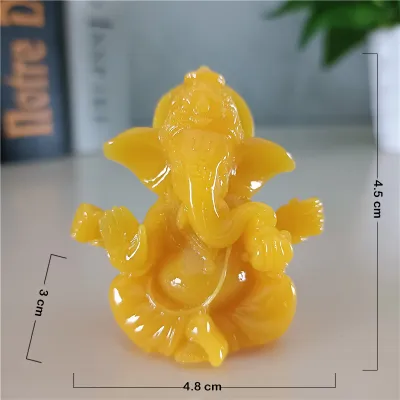
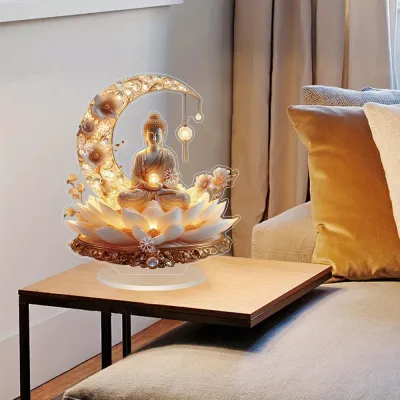
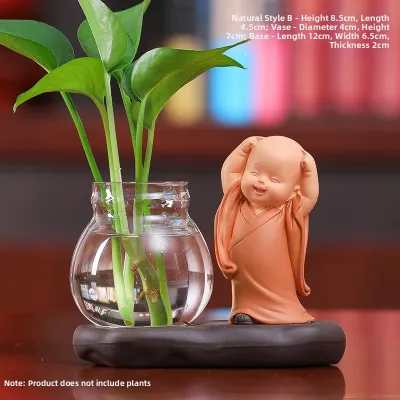
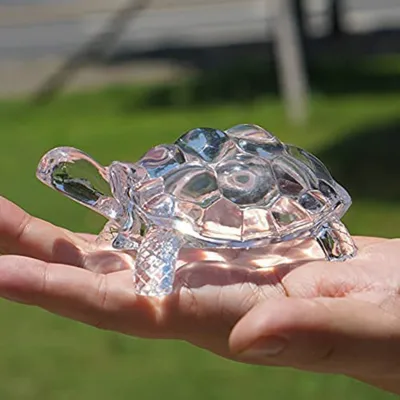
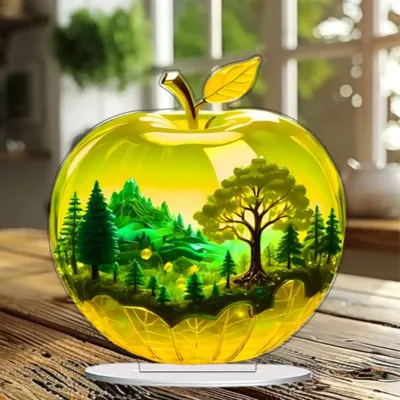
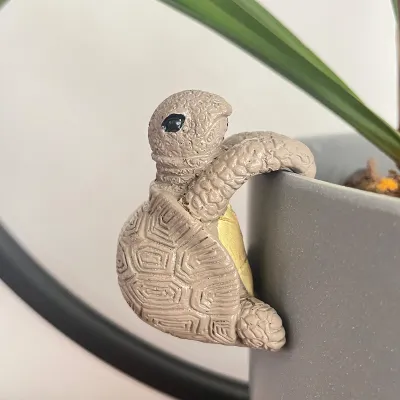
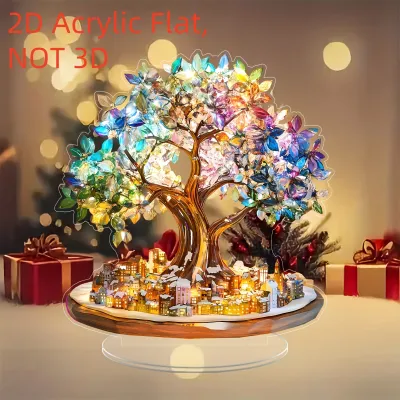
Prices are valid at publication and may change. Please refer to the product page for the latest price.
Ceramic statues, encompassing earthenware, stoneware, and porcelain, carry a classic, substantial weight that feels premium and traditional. Created from natural clay fired at high temperatures in a kiln, ceramic pieces can be finished with glossy liquid glazes or left unglazed for a matte, earthy texture. This firing process makes the material highly resistant to heat and chemical fading, but it also introduces inherent fragility. A sharp impact or a fall onto a hard floor will easily chip, crack, or shatter a ceramic statue, making its placement a critical safety consideration.
Metal statues are typically cast or welded from materials such as bronze, brass, aluminum, iron, or stainless steel. These pieces are highly valued for their structural durability, weight, and premium presence. Unlike resin or ceramic, metal can withstand significant physical impacts without breaking, though softer metals may dent if dropped. Over time, non-ferrous metals like bronze and copper develop a natural patina due to oxidation, which many collectors appreciate as a desirable aging process, while ferrous metals like iron require protective coatings to prevent rust.
Durability and Placement: Where Each Material Thrives
Matching your statue to its physical environment is essential for preventing premature wear and accidental damage. In tropical climates where indoor humidity levels fluctuate and balconies are exposed to sudden rain, outdoor suitability becomes a primary concern. If you plan to display a statue on a semi-outdoor balcony or near an open window, you must check the manufacturer’s specifications for explicit moisture and UV ratings. Uncoated metals can rust rapidly in humid air, while standard resin paints may blister or fade under intense, direct sunlight.

Weight and stability are equally important when deciding where to place your decor. Heavy ceramic and solid metal statues require sturdy, level surfaces; placing a heavy bronze sculpture on a delicate glass-topped coffee table or a lightweight floating wall shelf can lead to structural failure. Conversely, lightweight resin statues are excellent for high shelves or wall-mounted ledges where heavy objects pose a safety hazard. However, this lightweight nature also makes resin pieces easier to knock over, presenting a tipping risk in homes with active pets, young children, or robotic vacuum cleaners operating near floor-level pedestals.
Environmental limits extend beyond moisture to temperature fluctuations. Placing a resin statue directly next to a heat-emitting appliance, a sunny window, or a high-wattage spotlight can cause the synthetic material to soften, warp, or emit a faint chemical odor. Ceramic handles heat exceptionally well but can suffer from thermal shock if subjected to rapid temperature drops, such as being placed directly under a cold air conditioning vent after sitting in a warm sunbeam. Metal conducts heat rapidly, meaning a metal statue placed in direct sunlight can become hot to the touch, posing a minor burn hazard.
Appearance and Finish: Matching Your Decor Style
Each material interacts with light and space in a distinct way, influencing the overall mood of your interior design. Resin offers the widest variety of surface finishes because its cured surface can be painted, gilded, or textured to mimic almost any other material, including marble, wood, bronze, or terracotta. This versatility makes resin highly adaptable to changing decor trends, though close inspection often reveals the lack of natural coldness or ring that genuine stone or metal possesses.
Ceramic statues provide a unique depth of color and light interaction, especially when finished with a high-gloss glaze. Glazed ceramic reflects light sharply, creating bright highlights that draw attention to the curves of the sculpture. Unglazed ceramic, such as terracotta or bisque porcelain, absorbs light, offering a soft, matte appearance that fits well with minimalist, Scandinavian, or rustic interior styles. Because clay shrinks slightly during the drying and firing processes, ceramic statues often exhibit subtle, organic variations and softer details, giving each piece a handcrafted, artisanal character.
Metal statues bring a sense of permanence and structural sophistication to a room. Polished metals like stainless steel or chrome reflect their surroundings, making them ideal for sleek, modern, or industrial spaces where they can bounce light around a dark corner. Matte, brushed, or patinated metals offer a more subdued, historic look that complements classic or transitional decor. The sharp, clean lines achievable through metal casting and welding allow for abstract, open-frame designs that would be too structurally weak to execute in fragile ceramic or flexible resin.
Maintenance and Cleaning: Keeping Your Statues Pristine
Preserving the original beauty of your decorative accessories statues requires a gentle, material-specific cleaning routine. For routine maintenance, dusting with a dry, soft microfiber cloth or a clean makeup brush is the safest method for all three materials. The soft bristles of a makeup brush are particularly useful for clearing dust out of the deep crevices and intricate folds common in molded resin and detailed metal sculptures without scratching the surface.
When deeper cleaning is necessary, avoid harsh chemical solvents, abrasive scrubbing pads, and acidic cleaners, which can strip protective clear coats, dissolve resin paints, or etch the surface of polished metals. Glazed ceramic is the most chemically inert and can be safely wiped down with a damp cloth and a drop of mild dishwashing liquid. Unglazed ceramic, however, is highly porous; using water or liquid soap can cause unsightly water stains or drive dirt deeper into the clay body, so dry cleaning methods are highly recommended for these pieces.
Managing wear and tear requires checking the product care label before attempting any DIY fixes. Minor scratches on metal statues can sometimes be buffed out or protected with a thin layer of specialized microcrystalline wax, which seals the metal against moisture and fingerprints. If a ceramic statue chips, the broken piece can sometimes be reattached using a clear, high-strength epoxy, though the seam will often remain visible. Resin statues that suffer from paint fading or minor chips can be touched up with acrylic paints, provided the surface is clean and free of oils.
When moving or relocating your decor, proper handling prevents structural stress fractures. Always lift a statue from its heaviest point—the base—rather than grabbing it by delicate projecting parts like arms, wings, or thin decorative elements. Wrap each piece individually in acid-free tissue paper followed by a generous layer of bubble wrap, ensuring that protruding parts are padded extra heavily to prevent them from snapping under pressure during transport.
How to Decide: A Practical Selection Framework
To finalize your purchase decision, evaluate your space and lifestyle against this practical selection framework:
- Choose Resin if: You are decorating high shelves, wall niches, or floating ledges where a lightweight piece is required for safety. Resin is also ideal if you prefer highly detailed, painted, or textured designs on a modest budget, or if you enjoy frequently rearranging your home decor without heavy lifting.
- Choose Ceramic if: You want a classic, substantial piece with a rich, reflective glaze or an organic, matte clay texture. Ceramic is best suited for low-traffic, stable display areas—such as heavy console tables, glass-front display cabinets, or sturdy sideboards—where the risk of accidental bumps or tipping is minimal.
- Choose Metal if: You require maximum durability for an active household with pets or children, or if you want a premium, long-lasting statement piece. Metal is excellent for modern, industrial, or rustic aesthetics and is highly suited for floor-standing pedestals or areas near open windows where sturdiness is paramount.
- Verify first if: You intend to place the statue on an outdoor patio, balcony, or in a high-humidity bathroom. Always check that the manufacturer explicitly rates the specific alloy, glaze, or resin coating for moisture, humidity, and UV exposure before installation.
Frequently Asked Questions (FAQ)
Can I paint or refinish my resin or ceramic statue at home?
Yes, but the success of your project depends heavily on the material’s surface properties and preparation. Unglazed ceramic is highly porous and accepts acrylic paints easily, though it will absorb moisture quickly, requiring a clear sealer afterward to protect the finish. Resin statues can also be repainted, but because their factory finishes are often slick and non-porous, you must gently sand the surface and apply a plastic-compatible primer first to ensure the new paint adheres properly. Glazed ceramic cannot be easily painted at home without specialized ceramic paints and kiln firing, as standard paints will quickly peel off the slick glaze. For valuable, antique, or highly sentimental pieces, avoid DIY painting and consult a professional restorer.
How do I prevent metal statues from rusting or tarnishing indoors?
Preventing oxidation on indoor metal statues starts with controlling their exposure to moisture and air. Avoid placing metal decor in high-humidity zones like bathrooms, near kitchen stoves, or directly in the path of humidifier mist. Many modern metal statues come with a factory-applied clear lacquer or protective coating; check the manufacturer’s instructions to see if this coating requires periodic reapplication. For uncoated metals like brass, bronze, or copper, applying a thin layer of high-quality microcrystalline wax with a soft cloth creates a barrier against humidity and acidic fingerprints. Never use harsh household chemical cleaners or abrasive polishes on lacquered metal, as they will strip the protective layer and accelerate tarnishing.
Community discussion
Share your experience or ask a question. Comments are reviewed before publication.