
Quick Answer: Which Owl Figurine Material is Right for You?
Choosing the perfect owl figurine depends on balancing your home’s aesthetic with the practical demands of your space. Resin offers unmatched detail and durability, making it ideal for intricate, modern designs, though it can look less organic than natural materials. Ceramic provides a classic, glossy elegance that elevates formal spaces, but its brittle nature makes it highly susceptible to chipping. Wood brings warmth, unique grain patterns, and rustic charm to nature-inspired interiors, yet it requires careful humidity management to prevent cracking. Matching these material characteristics to your room’s environment ensures a beautiful, long-lasting decorative accent.
Understanding the Core Differences: Resin, Ceramic, and Wood
To make an informed choice, understand how these materials are formed and how their physical properties influence their final appearance. Resin is a synthetic polymer liquid poured into molds, allowing manufacturers to capture incredibly fine textures, such as individual feather shafts or expressive facial features. Once cured, resin is lightweight, highly impact-resistant, and capable of mimicking other materials like stone or metal.

Ceramic is crafted from natural clay that is shaped, dried, and fired at high temperatures in a kiln. This process creates a dense, rigid structure finished with a smooth glaze or left unglazed for a matte, earthy texture. While ceramic figurines possess a distinct, high-quality weight and a timeless appeal, their crystalline structure makes them inherently brittle and prone to damage if dropped.
Products mentioned in this guide
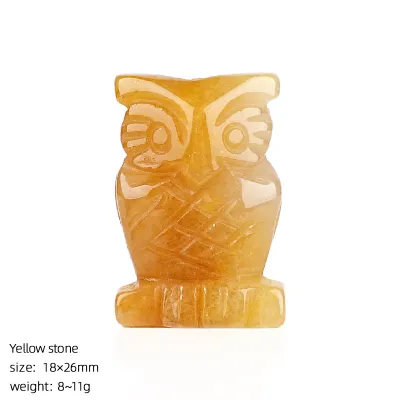
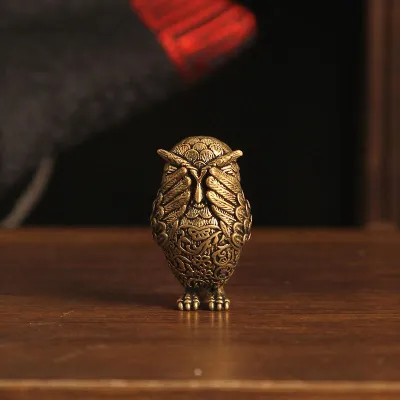
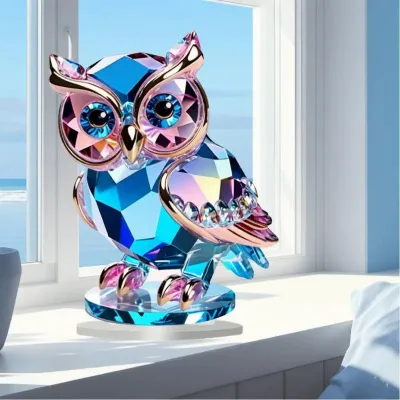
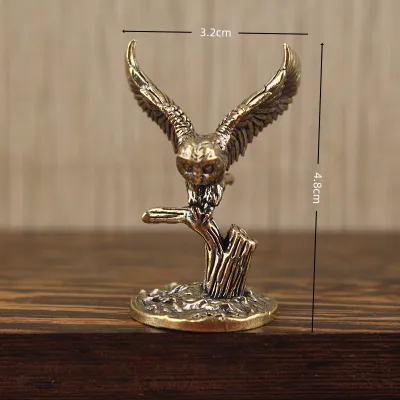
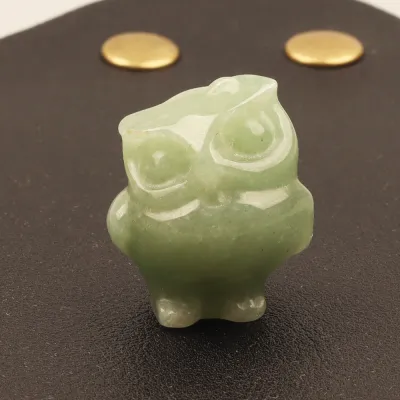
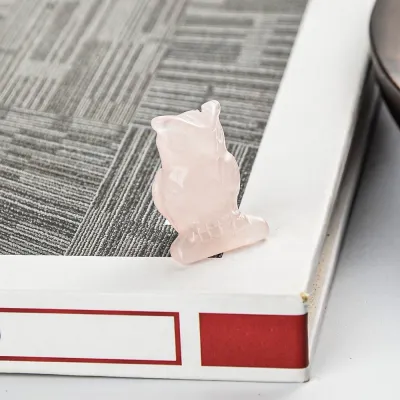
Prices are valid at publication and may change. Please refer to the product page for the latest price.
Wood stands apart as a completely natural, organic material, where each figurine is either hand-carved or machine-milled from a solid block. The defining feature of a wooden owl is its unique grain pattern, knots, and natural color variations, ensuring that no two pieces are identical.
Remember that material names alone do not guarantee a specific visual finish. Always verify the exact finish by reviewing the manufacturer’s product descriptions and close-up photos before purchasing.
Durability and Care: What to Expect from Each Material
Every decorative object in your home interacts constantly with its environment, meaning durability is not just about drop resistance. Factors such as ambient humidity, direct sunlight, and dust accumulation can gradually degrade the appearance of your owl figurine over time. For instance, high moisture levels affect organic materials differently than synthetic ones, while intense UV rays cause colors to fade.
To preserve the beauty of your decor, look beyond general material assumptions and consult the manufacturer’s specific care guidelines. Each figurine may have unique surface treatments, paints, or sealants that require specialized handling. Establishing a regular, gentle maintenance routine keeps your figurine looking pristine.
Resin Owl Figurines
Resin is highly durable against physical impacts, but it is sensitive to environmental extremes like high heat and prolonged exposure to direct sunlight. Ultraviolet (UV) rays can break down the chemical bonds in synthetic polymers, leading to yellowing, fading of painted details, or even structural warping. When selecting a resin owl figurine for a sunny windowsill, check the product specifications or labels for a UV-resistant coating.
Cleaning resin figurines requires a gentle touch to avoid stripping away delicate painted finishes. Use a dry, soft microfiber cloth or a clean makeup brush to sweep away dust. If a deeper clean is necessary, wipe the surface with a slightly damp cloth using only plain water.
Ceramic Owl Figurines
The primary vulnerability of ceramic owl figurines is their fragility under physical stress. A minor bump or a fall onto a hard surface can easily chip a delicate beak or shatter the entire sculpture. To mitigate this risk, place ceramic pieces on stable, level surfaces in low-traffic areas of your home, well away from high shelves where they could be knocked down by pets or passing guests.
Cleaning methods for ceramic depend heavily on whether the surface is glazed or unglazed. Glazed ceramics feature a protective, glass-like barrier that can safely withstand a wipe with a damp cloth. Unglazed ceramics, however, are highly porous and can absorb moisture, leading to permanent staining. For unglazed pieces, stick strictly to dry dusting.
Wood Owl Figurines
As an organic material, wood is highly sensitive to changes in atmospheric moisture and temperature. In environments with fluctuating humidity, such as near open windows or air conditioning units, wood naturally absorbs and releases moisture, which can cause it to expand, contract, warp, or crack. To maintain the structural integrity of a wooden owl figurine, display it in a climate-controlled room away from direct heat sources.
Regular maintenance for wooden figurines involves dry dusting with a soft, lint-free cloth to prevent dust buildup. Avoid using water or commercial aerosol sprays, which can penetrate the wood fibers. Instead, consult the manufacturer’s care instructions to determine if the piece requires periodic treatment with a specific wood oil or wax.
Aesthetic and Placement Guide: Matching Materials to Your Space
Integrating an owl figurine into your home decor involves matching both its visual style and physical properties to the specific room environment. For instance, a wooden owl figurine brings a warm, grounding presence that perfectly complements rustic, farmhouse, or Scandinavian design themes. Because wood is vulnerable to heat and moisture, it is best placed on a living room bookshelf or a bedroom dresser, far from the humid air of a bathroom.
Ceramic owl figurines, with their clean lines and elegant finishes, are highly suited for classic, contemporary, or minimalist interiors. A glossy white or metallic ceramic owl can serve as a sophisticated accent on a study desk. However, because of their fragile nature, these pieces should be kept away from high-traffic edges or low coffee tables.
Resin owl figurines offer the greatest versatility, as they can be molded and painted to fit almost any decor style, from highly detailed wildlife themes to whimsical modern art. Their robust durability makes them excellent choices for active households.
Before finalizing your placement, carefully evaluate the figurine’s physical dimensions, weight distribution, and base stability. A top-heavy figurine or one with an uneven base can easily tip over on a narrow shelf.
Budget and Sourcing: How to Evaluate Value and Quality
When shopping for an owl figurine, evaluating the quality of craftsmanship is key to ensuring you get excellent value for your money, regardless of whether the item costs S$15 or S$150. For resin pieces, inspect the surface for visible mold lines or rough patches. For ceramic figurines, look for an even glaze application without pinholes or unglazed spots, while wooden figurines should be checked for smooth sanding and clean carving lines.
When purchasing from online home decor retailers or ecommerce platforms, take the time to verify the seller’s reputation and customer feedback. Pay close attention to reviews mentioning packaging standards, as fragile items like ceramics require robust protective wrapping to survive transit. Additionally, review the seller’s return policy so you have a clear recourse if the figurine arrives damaged.
It is a common misconception that a higher price tag automatically guarantees a superior material or a longer lifespan. Always verify the detailed product specifications, including the exact material composition, weight, and dimensions, to make an objective decision based on physical facts.
Frequently Asked Questions (FAQ)
Can I use a resin owl figurine outdoors?
Standard indoor resin figurines are not inherently weatherproof and will likely degrade if left exposed to the elements. Rain can seep into small crevices, while direct sunlight can cause the synthetic material to yellow, crack, or warp over time. If you wish to display an owl figurine in your garden, patio, or balcony, look specifically for products labeled as outdoor-safe or UV-protected. These pieces are typically treated with specialized weather-resistant sealants. Even with these protective coatings, bringing the figurine indoors during extreme weather conditions will significantly extend its lifespan.
How do I clean a detailed ceramic owl figurine without damaging it?
Cleaning an intricate ceramic owl figurine requires a gentle, dry approach to protect delicate details. Use a soft-bristled brush, such as a clean makeup brush, to gently sweep away dust from deep crevices and hard-to-reach areas. Avoid using stiff brushes or abrasive pads, which can scratch the glossy glaze or chip fragile protrusions. If the figurine is glazed, wipe it gently with a slightly damp microfiber cloth, but never soak the piece in water. For unglazed or hand-painted ceramics, avoid water entirely, as moisture can penetrate the porous clay or dissolve water-based paints.
Community discussion
Share your experience or ask a question. Comments are reviewed before publication.