
Selecting the ideal portable aromatherapy format depends on your immediate wellness goals, skin sensitivity, and where you plan to use it. The market offers three primary options: liquid rollerballs, personal wanded inhalers, and wax-based solid sticks. Each format delivers essential oils through distinct pathways—either via direct skin absorption or pure olfactory inhalation—making certain types far better suited for specific environments.
Choose a rollerball if you want targeted skin application, the physical benefits of a self-massage ritual, and a moderate, lingering scent bubble that stays with you for hours.
Choose an inhaler if you need immediate olfactory relief (such as for nausea or focus), have highly sensitive skin, or require a completely private scent experience that will not affect the shared air around you.
Products mentioned in this guide
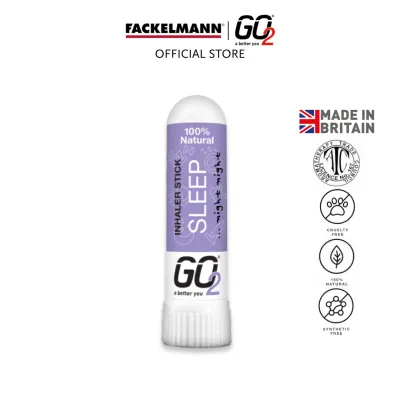
Prices are valid at publication and may change. Please refer to the product page for the latest price.
Choose a solid stick (often referred to as an essential oil stick) if you need a completely leak-proof, pocket-safe option for on-the-go pulse point application without the liquid mess or spill risks of traditional oils.
Ultimately, there is no single “best” format. Your choice depends entirely on whether your priority is dermal absorption, pure inhalation, or maximum travel convenience. Matching these formats to your daily routine ensures you enjoy the benefits of aromatherapy without mess, irritation, or waste.
Understanding the Three Main Essential Oil Formats
While all three formats deliver the benefits of essential oils, their physical structures, base ingredients, and delivery mechanisms differ significantly. Understanding these engineering differences is key to choosing a format that fits your lifestyle.
Rollerball Bottles
Rollerball bottles are classic portable aromatherapy tools, consisting of a glass or plastic bottle fitted with a rotating ball made of metal, glass, or plastic. The bottle contains essential oils pre-diluted in a liquid carrier oil, such as jojoba oil, fractionated coconut oil, or sweet almond oil. These carrier oils are necessary because pure essential oils are highly concentrated and can cause severe skin irritation if applied directly.
When you roll the ball across your skin, it transfers a thin layer of the liquid mixture onto your pulse points, such as your wrists, temples, or neck. Your natural body heat warms the carrier oil, which slowly diffuses the aroma into the air around you. At the same time, your skin absorbs the diluted essential oils, allowing the active botanical compounds to enter your system topically.
Aromatherapy Inhalers
Aromatherapy inhalers are compact, lightweight tubes designed strictly for inhalation. Inside the outer plastic or aluminum shell sits a concentrated cotton or fiber wick that holds the essential oils. Unlike rollerballs, personal inhalers do not use carrier oils; instead, pure or blended essential oils are dropped directly onto the absorbent wick, keeping the active compounds highly concentrated.
To use an inhaler, you simply unscrew the protective outer cap, place the rounded tip near your nostril, and breathe in deeply. The volatile aromatic molecules travel directly into your nasal passages and interact with your olfactory system, which connects to the brain’s limbic system. Because there is no skin contact, this format bypasses the digestive system and skin barrier entirely, delivering a rapid sensory response.
Solid Balm Sticks
Solid balm sticks, often packaged in twist-up or push-up tubes similar to lip balms, offer a semi-solid alternative to liquid rollerballs. In this format, essential oils are blended into a base of natural waxes and plant-based butters, such as beeswax, candelilla wax, carnauba wax, shea butter, or cocoa butter. This creates a stable, solid product that only softens when exposed to friction and warmth.
When you rub the solid stick onto your pulse points, the friction and your body heat melt a micro-layer of the balm, leaving a thin, protective barrier on the skin. The skin absorbs the essential oils over time, while the heavy wax base acts as a natural fixative, trapping the volatile scent molecules and releasing them slowly. This provides a long-lasting topical application without the wet, sometimes greasy residue of liquid oils.
Key Comparison Dimensions for Your Lifestyle
To determine which format fits best into your daily routine, it helps to compare them across practical dimensions: portability, application safety, and how the scent behaves in different environments.

Portability and Leak Risk
Liquid rollerballs carry a moderate risk of leakage. Changes in atmospheric pressure—such as during flights or when traveling to higher altitudes—can cause the air inside the glass bottle to expand, forcing liquid oil out around the rollerball housing. Additionally, if the rollerball assembly becomes loose or the bottle is stored horizontally in a bag, the carrier oil can seep out, potentially staining fabrics, papers, or electronic accessories.
Inhalers are exceptionally secure and virtually leak-proof. Because the essential oils are completely absorbed by the internal fiber wick, there is no free-flowing liquid to spill, even if the casing is cracked or subjected to extreme pressure changes. The primary maintenance concern for an inhaler is evaporation; if you fail to screw the outer cap on tightly after use, the volatile oils will slowly escape, causing the wick to dry out and lose its aromatic potency.
Solid sticks are the most robust option for active lifestyles. Containing no free liquids, they are completely leak-proof and exempt from airport liquid restrictions. You can toss a solid stick into a gym bag, pocket, or purse without any worry of spills. However, they are sensitive to ambient temperatures; if left in a hot car or direct sunlight, the wax base can soften or melt, which may lead to a messy application when opened.
Application Method and Absorption
Both rollerballs and solid sticks require direct skin contact, making proper dilution essential. Because these formats rely on dermal absorption, you must ensure the product uses a skin-safe carrier base and does not contain synthetic fragrances that could trigger contact dermatitis. Furthermore, you must exercise caution when using topical products containing phototoxic essential oils—such as cold-pressed lemon, lime, grapefruit, or bergamot. Applying these to sun-exposed skin can cause severe burns or hyperpigmentation when exposed to ultraviolet light.
Inhalers completely bypass the skin, making them the safest option for individuals with eczema, psoriasis, or highly sensitive skin. They also eliminate the risk of allergic reactions to specific carrier oils like sweet almond or macadamia nut oil. Because there is no dermal application, you can safely use highly concentrated or phototoxic oils through an inhaler at any time of day, even when spending hours outdoors in bright sunlight.
Scent Longevity and Throw
Inhalers offer an immediate, highly concentrated burst of scent that fades quickly once the device is closed. The “throw”—or how far the scent travels in the air—is practically zero, as the aromatic molecules are drawn directly into your nasal passages. This makes inhalers incredibly private; you can enjoy a strong scent experience without sharing it with those sitting next to you.
Rollerballs provide a moderate scent throw and decent longevity. The liquid carrier oils slow down the evaporation of the essential oils, creating a personal “scent bubble” that typically lasts between one and three hours. While the aroma is mostly personal, colleagues sitting at an adjacent desk or passengers next to you on public transit may catch a light trace of the fragrance.
Solid sticks offer the greatest scent longevity but the lowest throw of the topical formats. Waxes and heavy butters act as excellent natural fixatives, binding to the volatile essential oil molecules and slowing their evaporation rate significantly. As a result, the scent remains close to the skin, lasting for several hours, but it does not project outward. It is an excellent choice if you want to enjoy a subtle, continuous aroma that only you can smell.
At a Glance: Comparing Rollerball, Inhaler, and Solid Sticks
The following table summarizes the core differences between the three formats to help you quickly identify which option matches your practical needs.
| Feature | Rollerball Bottles | Aromatherapy Inhalers | Solid Balm Sticks |
|---|---|---|---|
| Primary Route | Skin Application & Inhalation | Olfactory Inhalation Only | Skin Application & Inhalation |
| Base Material | Liquid Carrier Oil (e.g., Jojoba) | Cotton or Fiber Wick (Pure Oil) | Natural Waxes & Plant Butters |
| Leak Risk | Moderate (Pressure & Seal Sensitive) | None (Liquid is Absorbed in Wick) | None (Solid at Room Temp) |
| Scent Throw | Moderate (Personal Bubble) | None (Private Experience) | Low (Stays Close to Skin) |
| Best For | Relaxation, Massage, Layering | Quick Relief, Sensitive Skin, Offices | Travel, Pockets, Active Lifestyles |
How to Match the Format to Your Daily Scenarios
Your physical environment and daily activities dictate which format will perform best. Matching the right tool to your specific scenario prevents waste and maximizes the therapeutic benefits of your essential oils.
For Commuting and Office Focus
In shared professional spaces, open-plan offices, or crowded public transit, personal aromatherapy choices can easily impact others. Many people are sensitive to strong fragrances, and some may even experience headaches or respiratory irritation from shared scents. For these environments, personal inhalers are the ideal choice. They allow you to inhale energizing oils like peppermint or rosemary for focus without dispersing any scent into the shared air.
Solid sticks are a highly practical second choice for the workplace. Because they have a very low scent throw and do not spill, you can apply them to your wrists or temples at your desk without risking liquid oil dripping onto your keyboard, work documents, or professional clothing. They provide a subtle, private scent bubble that helps manage stress throughout the workday without bothering your colleagues.
For Travel and Flight Comfort
Air travel introduces unique challenges, including cabin pressure fluctuations, dry air, and strict security limitations on liquids. Solid essential oil sticks are the ultimate travel companion because they contain no liquids, allowing you to bypass TSA liquid limits entirely. They will not leak in your carry-on bag when the airplane cabin decompresses, and their solid wax base makes them easy to apply to dry skin during a long flight.
Inhalers are also highly valuable during travel. They are excellent for managing flight anxiety, motion sickness, or masking unpleasant cabin odors. Because they require no skin contact, you can use them quickly in your seat without needing to wash your hands first or visit the aircraft lavatory to apply a topical product. If you do choose to pack liquid rollerballs, always store them upright in a sealed plastic bag to contain any potential leaks caused by pressure changes.
For Sleep and Bedside Relaxation
When winding down at home, the physical ritual of applying aromatherapy can enhance your sleep hygiene. Rollerballs excel in this scenario. The physical act of massaging a soothing blend of lavender, chamomile, or cedarwood onto your wrists, temples, or the soles of your feet helps signal to your brain that it is time to rest. The liquid carrier oil absorbs steadily into the skin, providing a relaxing scent bubble that accompanies you as you drift off.
Solid sticks are also highly convenient for bedside tables. Because they are housed in durable plastic or cardboard tubes rather than glass bottles, there is no risk of dropping and shattering them on a hard floor in the dark. You can easily apply a solid stick to your pulse points in low-light conditions without worrying about spilling liquid oil onto your bedsheets, pillowcases, or nightstand.
Safety, Storage, and Tropical Climate Considerations
Using essential oil products in a tropical climate like Singapore’s requires special attention to storage, skin safety, and hygiene to preserve product quality and protect your skin.
- Tropical Heat & Humidity: Consistently high ambient temperatures and humidity can negatively affect all three formats. Solid balm sticks can soften, lose their shape, or melt completely if left in hot cars, near windows, or in rooms without air conditioning. Always store your solid sticks in a cool, dry place out of direct sunlight. Similarly, the carrier oils used in rollerballs (such as sweet almond or rosehip oil) can oxidize and turn rancid much faster when exposed to heat; keep them stored in a dark drawer or cupboard to extend their shelf life.
- Skin Safety & Dilution: When using rollerballs or solid sticks, always verify that the essential oils are properly pre-diluted. Applying undiluted essential oils directly to the skin can cause sensitization, chemical burns, or allergic reactions. If you are using a topical product for the first time, perform a patch test on a small area of your forearm and wait 24 hours to check for irritation. Additionally, avoid applying products containing phototoxic citrus oils before spending time outdoors in Singapore's intense sunlight, as this can lead to severe skin damage.
- Hygiene & Maintenance: Because rollerballs and solid sticks make direct contact with your skin, they naturally collect dead skin cells, sebum, sweat, and dust over time. To maintain hygiene, periodically wipe the rollerball fitting or the surface of the solid stick with a clean, dry tissue to remove any buildup. For personal inhalers, always replace the outer cap tightly immediately after use; this prevents the volatile oils from evaporating and keeps dust and debris from settling on the internal fiber wick.
Frequently Asked Questions (FAQ)
Can I refill an empty essential oil inhaler or rollerball?
Many commercial rollerball bottles can be refilled, especially those made of glass with removable roller fitments. To refill a rollerball, carefully pry off the plastic housing holding the ball, thoroughly wash the glass bottle with warm soapy water, rinse it with rubbing alcohol, and let it dry completely before adding a new carrier oil and essential oil blend. Personal inhalers, however, are often designed for single-use because the plastic casings can be difficult to disassemble without breaking. If you have a reusable aluminum or glass inhaler, you can easily replace the internal cotton wick with a fresh one once the original scent has faded, ensuring you do not mix different oil blends on the same wick.
Are solid essential oil sticks safe for children and pets?
Essential oils are highly concentrated botanical compounds that must be used with extreme caution around children and household pets. Children have thinner, more sensitive skin and developing respiratory systems, meaning they require much lower dilution ratios than adults. Furthermore, many common essential oils—including tea tree, eucalyptus, peppermint, and wintergreen—are highly toxic to dogs and cats, whose livers lack the specific enzymes needed to metabolize these compounds. Always check the specific ingredients, dilution levels, and manufacturer safety guidelines before using any essential oil stick, rollerball, or inhaler around children or pets. When in doubt, consult a qualified pediatrician, veterinarian, or professional aromatherapist to ensure your home wellness routine remains safe for everyone.
Community discussion
Share your experience or ask a question. Comments are reviewed before publication.