
When selecting a home fragrance method in Singapore, longevity is often the deciding factor. A reed diffuser generally lasts much longer than a room spray, providing continuous, passive scent dispersion for several weeks or months. In contrast, a room spray offers an immediate, highly concentrated burst of fragrance that dissipates within a few hours. Choosing between them requires understanding how Singapore’s unique tropical climate, high humidity, and widespread use of air conditioning affect how these scents travel and endure in your living space.
How Room Sprays and Reed Diffusers Release Fragrance
To understand why one option outlasts the other, it helps to look at the physical mechanisms of scent delivery. Room sprays rely on pressurized aerosol or manual pump mist dispersion. When you press the nozzle, the liquid formulation is broken into tiny droplets suspended in the air. These droplets quickly evaporate, releasing volatile organic compounds that carry the scent. Because the droplets are light, they drift on air currents but settle rapidly, especially with active ventilation.
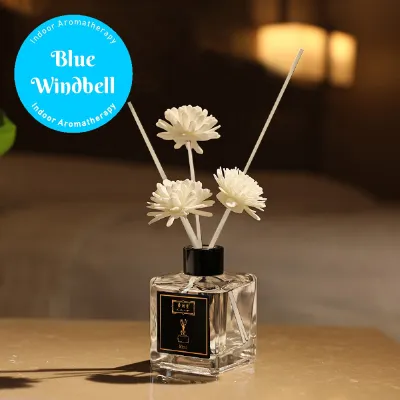
Reed diffusers operate on a completely different principle known as capillary action. The diffuser vessel holds a mixture of fragrance oils and a carrier solvent. Porous reeds—typically made of rattan or synthetic fiber—are inserted into the liquid. The microscopic channels within the reeds draw the oil upward against gravity. Once the oil reaches the exposed section of the reeds, it slowly evaporates into the surrounding air. This creates a constant cycle of evaporation and replenishment.
Products mentioned in this guide
![[KIRONA SCENT] Fragrance Spray 100ml | Use for Pillow Mist Room Linen & Fabric Spray | Luxurious Hotel Mall & Perfume Scent Gifts](https://img.lazcdn.com/g/p/0d4e43bb264fceec323854ddf7d8324f.png_400x400q80.png_.webp)




Prices are valid at publication and may change. Please refer to the product page for the latest price.
Airflow is the primary driver of dissipation; open windows, standing fans, and mechanical ventilation sweep suspended droplets out of the room. The size of the space also plays a role, as larger volumes of air dilute the fragrance molecules more quickly. Additionally, spraying onto soft furnishings like curtains and carpets can help the scent linger longer than spraying into open air.
For reed diffusers, longevity depends on material properties. Thicker carrier oils climb reeds slowly but evaporate less rapidly, while thinner, alcohol-based carriers climb quickly and evaporate faster. The reed material itself is equally critical. Natural rattan reeds contain open vascular bundles that can occasionally clog with dust or heavy oil, whereas engineered fiber reeds are designed with uniform pores that draw and release fragrance at a highly consistent rate.
Evaluating Longevity: What to Expect From Each Option
While a room spray offers an immediate scent peak ideal for masking sudden odors, its rapid dissipation is inevitable. Because the mist does not continuously regenerate, the fragrance typically fades within one to four hours, requiring frequent manual reapplication to maintain a constant scent profile. To maintain a constant scent profile using only a room spray, you must commit to frequent manual reapplication throughout the day.

Conversely, a reed diffuser provides continuous, passive fragrance requiring minimal intervention. A standard diffuser can maintain a steady scent profile for one to three months, depending on oil volume. While flipping the reeds exposes saturated ends for a quick fragrance boost, it also accelerates oil consumption by drawing more liquid out of the vessel.
In Singapore, environmental variables alter these timelines. Constant air conditioning dries the indoor air, accelerating the evaporation of carrier liquids and causing diffusers to empty faster. Conversely, high tropical humidity can slow the evaporation of water-based room sprays, though the warm air may make the scent feel heavier. Ceiling fans, common in HDB flats, create air turbulence that rapidly disperses room spray mist while pulling fragrance from diffusers at an accelerated rate.
Scent Throw and Space Suitability
Matching the fragrance delivery method to your home’s layout is essential for achieving the desired scent throw. Room sprays are highly effective for targeted, temporary freshness in large, open-plan areas or rooms with high ceilings, such as living rooms and dining areas. Because you control where and when to spray, you can direct the fragrance toward specific seating zones or high-traffic areas without needing to scent the entire volume of a large room continuously.
Reed diffusers are better suited for consistent, localized scenting in smaller or enclosed spaces. In areas like bathrooms, bedrooms, entryways, or home offices, the passive evaporation of a diffuser can easily saturate the limited air volume without becoming overwhelming. In a large, open-concept living room, however, a single reed diffuser may struggle to make an impact, as the scent becomes diluted before it can travel across the space.
Before placing any home fragrance product, it is important to check the manufacturer’s labels for recommended coverage areas and safety warnings. Some formulations contain ingredients that can damage polished wood, plastics, or painted surfaces if spilled or sprayed directly. Ensuring proper placement—such as keeping diffusers on stable, non-porous coasters and spraying room mists away from delicate fabrics—helps prevent accidental damage while optimizing scent distribution.
Cost and Value Considerations
Evaluating the long-term value of these products requires looking beyond the initial purchase price to calculate the cost over time. For room sprays, you can estimate the cost per use by considering the total number of sprays a bottle provides. If a standard bottle contains approximately 500 to 800 sprays, and your typical application involves three to four sprays twice a day, a single bottle can easily last several months. This makes room sprays a highly economical choice for occasional, targeted scenting.
For reed diffusers, the cost calculation is based on monthly oil consumption. A typical diffuser containing 100 to 200 milliliters of oil may last between four and twelve weeks. If you purchase a diffuser priced at S$40 that lasts two months, your ongoing cost is S$20 per month. While this recurring cost is higher than that of an occasionally used room spray, it delivers continuous, uninterrupted fragrance that a spray cannot match without constant manual effort.
To maintain a reed diffuser over the long term, you must also factor in the cost of replacement reeds and refill oils. Over time, reeds become saturated with dust and heavy oil molecules, which clogs their microscopic channels and stops the capillary action. Replacing the reeds every few months is necessary to restore the scent throw. Many brands offer refill bottles of fragrance oil, which are typically more cost-effective than buying a completely new glass vessel and reed set each time.
Making the Right Choice for Your Home
To decide which option best fits your lifestyle, consider a simple, condition-based decision matrix. A room spray is a practical choice if you prioritize instant odor elimination, have large open-plan living spaces, or enjoy changing your home fragrance frequently to match your mood or the season. It offers maximum control, allowing you to enjoy a burst of scent on demand without committing to a single fragrance for weeks on end.
A reed diffuser is a highly practical option if you prefer a low-maintenance, set-and-forget solution that provides a constant background fragrance. It is particularly well-suited for smaller, enclosed rooms where a steady, subtle scent creates a welcoming ambiance. Because it requires no electricity or open flame, it operates safely in the background while you go about your day.
Regardless of your preference, always verify safety constraints before introducing new fragrances to your home. If you have pets, suffer from respiratory allergies, or live in a home with limited ventilation, check the manufacturer’s safety guidelines and ingredient lists. Some essential oils and synthetic fragrance compounds can be harmful to cats and dogs or trigger asthma symptoms, making careful selection and proper room ventilation essential.
Frequently Asked Questions (FAQ)
Can I use a room spray and a reed diffuser together?
Yes, combining both methods is an excellent way to layer fragrances and customize your home’s scent profile. You can use a reed diffuser to establish a subtle, continuous background note, such as a light floral or clean linen scent. When you want to elevate the ambiance quickly—such as before hosting guests or after cooking—you can apply a few spritzes of a complementary room spray with richer, warmer notes. To avoid olfactory fatigue and prevent the scents from clashing, choose products with matching or harmonious fragrance families and space out the applications.
How often should I flip the reeds in my diffuser?
As a general guideline, flipping the reeds once every one to two weeks is sufficient to maintain a steady scent throw. Flipping the reeds draws fresh oil to the top, providing an immediate boost in fragrance intensity. However, doing this too frequently will accelerate the evaporation rate, causing the oil to run out much faster. Always consult the specific product instructions provided by the manufacturer, as some synthetic fiber reeds are engineered to distribute scent consistently without ever needing to be flipped.
Does the brand of the room spray affect how long it lasts?
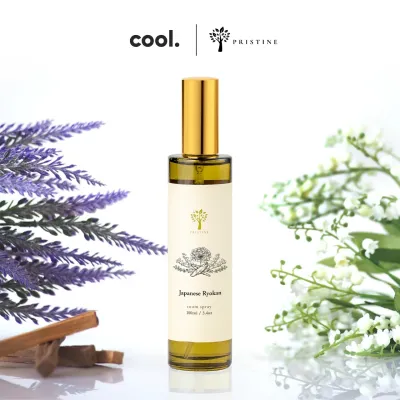
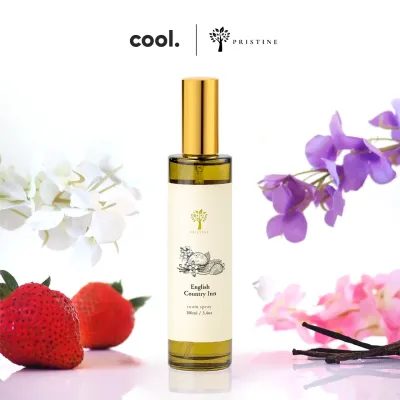
The longevity of a room spray is heavily influenced by its chemical formulation rather than the brand name alone. Water-based sprays often linger slightly longer on fabrics but may take longer to dry, while alcohol-based formulations evaporate rapidly, delivering a quick, intense burst of scent that dissipates faster. When evaluating options, such as a Pristine room spray, it is helpful to check the specific product details and ingredient labels to understand the base formulation and concentration of fragrance oils, as these factors directly determine how long the scent will remain in the air.

Community discussion
Share your experience or ask a question. Comments are reviewed before publication.