
To truly eliminate cigarette smoke odor from an indoor space rather than temporarily covering it up, you must use a room spray containing active chemical neutralizers—such as cyclodextrin, zinc ricinoleate, or specialized enzyme blends—that physically bind to, encapsulate, or break down volatile organic compounds (VOCs). Traditional aerosol air fresheners rely on heavy synthetic fragrances that merely mask the smell, leaving the toxic, tar-laden particles of thirdhand smoke suspended in the air and embedded in fabrics. While immediate airborne relief can be achieved with targeted neutralizing sprays, persistent odors often require a multi-layered approach, combining immediate-action sprays with passive absorbers like an anti smoking stick for localized areas, and thorough physical deep-cleaning.
Why Most Sprays Just Mask Smoke (And What Actually Neutralizes It)
To understand why typical air fresheners fail, one must examine the physical makeup of tobacco smoke. Cigarette smoke is an aerosol of liquid droplets suspended in a gas, containing thousands of chemical compounds, including nicotine, carbon monoxide, formaldehyde, and various volatile organic compounds (VOCs) such as phenols and amines. When a standard aerosol spray is discharged, it releases a high concentration of synthetic fragrance oils. These oils temporarily saturate the olfactory receptors in your nasal cavity, essentially blinding your nose to the foul smoke molecules. However, this is merely a sensory illusion. The smoke particles remain completely unaltered, suspended in the air or resting on surfaces. Once the heavy fragrance molecules evaporate, your olfactory receptors are once again exposed to the lingering VOCs, which often smell even more acrid when mixed with the synthetic residues of the air freshener.
True chemical neutralization, by contrast, alters the molecular structure of these odor-causing compounds, rendering them permanently odorless. The most common and effective neutralizing mechanism is molecular encapsulation, primarily achieved using cyclodextrin. Cyclodextrin is a ring-shaped sugar molecule derived from starch, featuring a hydrophilic (water-attracting) exterior and a hydrophobic (water-repelling) interior cavity. When sprayed, the hydrophobic cavity acts as a microscopic trap, drawing in volatile organic compounds from the smoke and locking them inside. Once encapsulated, these molecules cannot escape or bind to your nasal receptors. Another highly effective mechanism is chemical bonding, which relies on metal salts like zinc ricinoleate. Zinc ricinoleate chemically reacts with nitrogen and sulfur compounds—the primary components responsible for the sharp, stale smell of tobacco—to form stable, non-volatile coordination complexes that have no odor.
Products mentioned in this guide

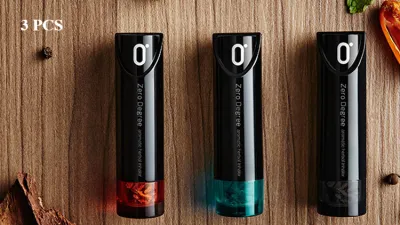


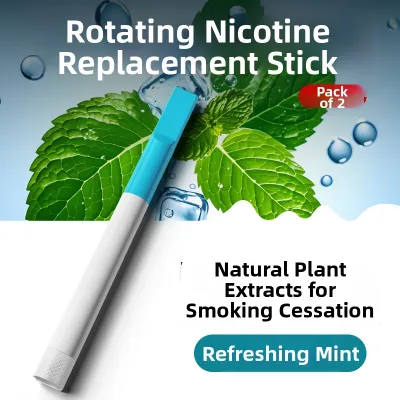


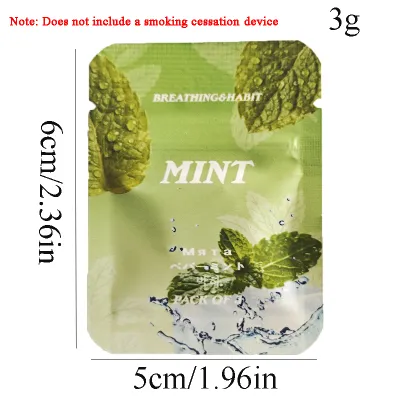
Prices are valid at publication and may change. Please refer to the product page for the latest price.
While immediate-action room sprays disperse these neutralizing agents rapidly through the air to tackle airborne VOCs, they differ fundamentally from passive, continuous systems. For example, an anti smoking stick is a solid or gel-based formulation designed to slowly release neutralizing vapors into a localized environment over several weeks. While a room spray is an active, high-volume intervention designed to clear a room instantly, passive absorbers work continuously in background spaces, such as inside ashtrays, car interiors, or small closets. Understanding this distinction is crucial for designing an effective odor-elimination strategy.
Finally, it is critical to distinguish between volatile odors and physical tar residue. Cigarette smoke leaves behind a sticky, resinous film composed of tar and nicotine that adheres to every surface it touches. While neutralizing sprays are highly effective at neutralizing the volatile compounds that off-gases from this film, they cannot physically dissolve or remove the tar itself. Over time, this tar film will continue to release new VOCs into the air, meaning that sprays alone cannot provide a permanent solution for chronic, long-term smoke contamination. They must be viewed as a vital tool for air and fabric maintenance, paired with physical cleaning to remove the underlying source.
Key Features to Look for in a Smoke-Neutralizing Spray
When shopping for a genuine smoke-neutralizing spray, bypass vague marketing claims like “fresh scent” or “odor-fighting formula.” Turn the bottle over and inspect the ingredient list. Look for scientifically proven neutralizing agents such as cyclodextrin, zinc ricinoleate, or proprietary bio-enzymatic complexes. If a product does not disclose its active neutralizing mechanism, it is highly likely to be a standard masking agent relying solely on high-potency fragrance oils. Brands that are transparent about their active ingredients are far more likely to deliver genuine odor-eliminating performance.

The scent profile of the spray is another critical indicator of its efficacy. It is highly recommended to select unscented or extremely lightly scented formulas. When a spray is unscented, you can easily verify whether the smoke odor has been neutralized. If the acrid smell persists after the spray has dried, you know you need another application or a deeper physical clean. Heavily scented sprays, particularly those featuring intense floral, musky, or woody notes, are often designed to mask odors rather than eliminate them. Furthermore, mixing heavy fragrances with stale tobacco smoke often creates a cloying, unpleasant hybrid scent that is incredibly difficult to clear from indoor spaces.
Because smoke particles settle onto soft furnishings, your neutralizing spray must be safe for direct application on fabrics. Curtains, carpets, and upholstery act as massive sinks for tobacco smoke, absorbing the volatile compounds deep into their fibers. Ensure the product label explicitly states that it is fabric-safe and non-staining. Avoid oil-heavy formulations that can leave a sticky residue on upholstery, as this residue will act like a magnet for dust, dirt, and fresh smoke particles, worsening the problem over time. Before applying any spray to a large surface, always perform a spot test: apply a small amount of the spray to an inconspicuous area, such as a rear seam, wait for it to dry completely, and blot it with a clean white cloth to check for color transfer or fabric degradation.
Lastly, consider the application type and delivery mechanism. Fine-mist aerosols and trigger sprays that produce an ultra-fine fog are best for treating airborne smoke, as the tiny droplets remain suspended in the air longer, maximizing their contact time with floating VOCs. However, for deeply embedded odors in heavy drapes, thick carpets, or fabric sofas, you require a trigger spray that can deliver a slightly wetter mist. This allows the neutralizing solution to penetrate deep into the fabric fibers where the smoke molecules are trapped. For the best results, spray from a distance of approximately 30 centimeters, ensuring a light, even coating without over-saturating the material.
Recommended Room Sprays for Eliminating Cigarette Smoke
To help you navigate the market, we have categorized the most effective smoke-neutralizing sprays by their primary active chemical mechanisms, highlighting where they excel and where they fall short.
Cyclodextrin-Based Sprays for Fabrics and Air
Cyclodextrin-based sprays represent the gold standard for daily household smoke management. These formulas harness starch-derived, ring-shaped molecules that function as microscopic traps. When sprayed into the air or directly onto fabrics, the water in the spray helps carry the cyclodextrin molecules deep into the material’s fibers. As the spray dries, the hydrophobic core of the cyclodextrin molecule attracts and locks in the volatile organic compounds of the cigarette smoke, permanently trapping them within the molecular structure.
These sprays are exceptionally well-suited for soft furnishings, curtains, carpets, and general air freshening immediately after a smoking event. They are highly user-friendly, non-toxic, and safe for use around pets and children when used as directed. However, they have specific limitations. Their neutralizing action is highly dependent on the drying process; the fabric must be allowed to dry completely for the encapsulation to be fully effective. Additionally, cyclodextrin is ineffective on hard, non-porous surfaces like glass, metal, or varnished wood, where smoke tar forms a physical, sticky barrier that cannot be encapsulated.
Commercial-Grade Zinc and Enzyme Formulas
For environments with heavy, persistent smoke accumulation, commercial-grade formulas utilizing zinc salts (such as zinc ricinoleate) or live bio-enzymatic complexes offer a more powerful intervention. Zinc ricinoleate does not simply trap odor molecules; it initiates a chemical reaction, forming stable, odorless coordination complexes with nitrogen and sulfur compounds. Enzyme-based formulas contain active proteins that physically digest the organic residues left behind by tobacco smoke, breaking down the complex molecules into simple, odorless byproducts.
These heavy-duty formulas are ideal for dedicated smoking lounges, older rental properties, or upholstery that has absorbed smoke over several months or years. They are highly effective at treating deeply embedded odors that standard household sprays cannot reach. The primary trade-off is that these active ingredients can sometimes carry a clinical, soapy, or slightly sour initial scent during the active chemical reaction phase, which may take up to an hour to dissipate. Furthermore, because enzymes are highly active, you must check the manufacturer’s guidelines to ensure they will not degrade delicate natural fibers such as silk, wool, or untreated leather.
Chlorine Dioxide (ClO2) Shock Treatments
When dealing with severe, deeply entrenched thirdhand smoke—such as preparing a newly purchased resale home that was previously occupied by a heavy smoker—standard sprays and enzyme treatments are often insufficient. Chlorine dioxide (ClO2) shock treatments offer an industrial-strength solution. Chlorine dioxide is a powerful oxidizing agent that releases free oxygen radicals. These radicals systematically attack and destroy the chemical bonds of VOCs and tar residues on contact, breaking them down into completely odorless compounds.
This method is strictly reserved for deep-cleaning events and is not intended for casual, daily room spraying. Because chlorine dioxide is a highly potent gas or heavy mist, strict adherence to safety protocols is mandatory. You must completely vacate the treatment area of all humans, pets, and living plants. Turn off all HVAC systems, seal any vents, and place warning signs on the doors. After the treatment is complete—which typically takes several hours—the space must be thoroughly ventilated by opening all windows and running high-velocity fans for at least one to two hours before anyone re-enters. Always consult the manufacturer’s instructions and safety data sheets before undertaking a ClO2 treatment.
Room Sprays vs. Anti Smoking Sticks and Other Alternatives
To maintain a fresh, smoke-free indoor environment, it is helpful to understand how different odor-control formats compare. While room sprays offer rapid, active intervention, they are best paired with passive or continuous systems depending on your specific environment.
Room sprays excel at immediate, active treatment. They are the ideal choice for knocking down airborne smoke odors instantly and treating large, exposed surface areas like curtains and carpets. However, their effect is temporary; once the spray droplets settle and dry, they no longer provide active protection against new smoke.
An anti smoking stick—typically a solid, gel-based, or compressed plant-extract stick—is designed for continuous, localized odor control. When placed in or near an ashtray, inside a car cup holder, or on a small desk, it slowly releases neutralizing agents into the immediate micro-environment while absorbing nearby airborne VOCs. While an anti smoking stick is highly efficient at preventing fresh smoke from dispersing in a very tight space, it lacks the range and pressure to clear a large, smoke-filled living room or treat deeply embedded fabric odors.
For continuous, hands-free air quality management, an air purifier is indispensable. However, you must ensure the unit features a substantial activated carbon filter. While HEPA filters excel at trapping fine smoke particulates (PM2.5), they cannot capture gaseous VOCs. A thick bed of activated carbon is required to chemically adsorb the gaseous smoke odors from the air stream.
Ozone machines represent an extreme, professional-grade option for severe thirdhand smoke remediation. Ozone (O3) is a highly reactive gas that oxidizes organic compounds on contact. However, ozone is highly toxic to human lungs, pets, and plants, and can degrade certain plastics and rubber. These machines must only be operated in completely unoccupied, sealed spaces, followed by extensive ventilation. If you are considering ozone, it is highly recommended to hire a licensed professional rather than attempting a DIY application.
| Method | Primary Action | Best Use Case | Coverage Area | Safety & Effort Level |
|---|---|---|---|---|
| Room Sprays | Active chemical neutralization (mist) | Immediate post-smoke cleanup, fabric refresh | Medium to Large (targeted) | Low effort; safe for general household use |
| Anti Smoking Sticks | Passive absorption & slow release (solid/gel) | Ashtrays, cars, small bathrooms, desks | Small, localized zones | Low effort; safe for continuous placement |
| Air Purifiers | Continuous filtration (HEPA + carbon) | Daily smoke particulate & VOC removal | Whole room (continuous) | Low effort; high safety (requires filter changes) |
| Ozone Generators | Heavy oxidation (gaseous O3) | Severe thirdhand smoke remediation | Whole house (sealed) | High effort; professional-only safety limits |
How to Permanently Remove Lingering Smoke Smells
It is crucial to manage expectations when dealing with tobacco smoke. Smoke is not just an airborne nuisance; it is a complex mixture of chemicals that condenses into a sticky, yellow-brown tar residue. This residue coats walls, ceilings, light fixtures, and the insides of air conditioning units. Over time, this tar slowly off-gases, creating a persistent, stale smell that no room spray can permanently eliminate on its own.
To achieve permanent relief, you must physically remove the tar layer. Start by washing all removable fabrics, drapes, and cushion covers in the hottest water safe for the material, adding an odor-neutralizing laundry booster. For carpets and non-removable upholstery, utilize a professional hot-water extraction steam cleaner. Hard surfaces—especially walls, ceilings, and wooden furniture—should be thoroughly wiped down using a heavy-duty degreaser, such as trisodium phosphate (TSP) or a specialized smoke-cleaning solution, which breaks down the acidic tar film. If you are washing painted concrete walls, which are highly common in residential developments, use a mild TSP solution and a soft sponge to avoid stripping the emulsion paint. Always test a small area first.
In Singapore’s tropical, high-humidity climate, managing smoke odors requires extra vigilance. High relative humidity causes porous materials like drywall, plaster, and fabrics to absorb moisture from the air. When these damp fibers are already contaminated with smoke molecules, the humidity acts as a carrier, intensifying the “damp, stale smoke” smell and making it cling far more aggressively. To combat this, keep indoor humidity levels in check. Run your air conditioning unit on the “dry” mode or utilize a dedicated compressor-style dehumidifier to maintain indoor humidity between 50% and 60%. This prevents moisture from locking the smoke compounds into your walls and furnishings. Additionally, take advantage of residential layouts to promote cross-ventilation during dry, sunny days, which helps flush out airborne VOCs naturally.
If you have completed a thorough physical deep-clean, applied neutralizing sprays, and the acrid smell of tobacco still persists—especially when buying a resale HDB flat or condo previously owned by a heavy smoker—it is time to consult professional biohazard remediation or specialized deep-cleaning services. These professionals have access to industrial-grade thermal foggers, high-capacity ozone treatments, and commercial wall sealers (like shellac-based primers) designed to permanently lock in and neutralize the deepest layers of thirdhand smoke.
Community discussion
Share your experience or ask a question. Comments are reviewed before publication.