
Selecting the right light bulb is more than a utility check; it is a core design decision that defines the atmosphere of your home. In Japandi interior design—a harmonious blend of Japanese minimalism and Scandinavian warmth—lighting serves as the bridge between functional simplicity and cozy comfort. Because Japandi pendant lights often feature open, semi-transparent, or woven shades made of natural materials, the light bulb itself is frequently on display. Choosing a round light bulb that complements these organic textures while emitting a soft, glare-free glow is essential to achieving this signature aesthetic.
To find the ideal match, you must balance visual elements like glass finishes and filament styles with technical specifications such as bulb diameter, base compatibility, and dimming capabilities. This guide outlines the key aesthetic and functional considerations to help you select a round light bulb that enhances your Japandi pendant lights safely and beautifully.
Quick Guide: Matching Round Bulbs to Japandi Aesthetics
The primary goal of Japandi lighting is to create a serene, inviting environment that mimics natural light. Harsh, cool white light can make minimalist spaces feel clinical and cold, while overly orange light can distort the natural tones of wood and woven fibers. To maintain a balanced, warm, and minimalist ethos, aim for a color temperature range of 2200K to 2700K. This range provides a soft, golden-hour glow that promotes relaxation and complements organic materials without looking excessively yellow.
Products mentioned in this guide
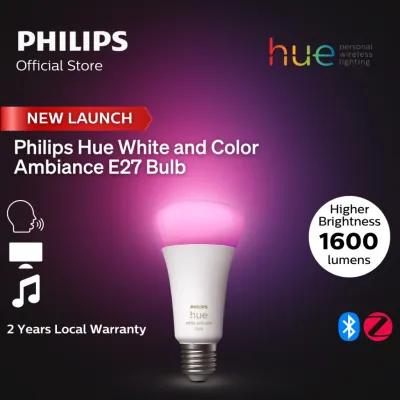
Prices are valid at publication and may change. Please refer to the product page for the latest price.
When evaluating the bulb’s exterior, frosted, opal, or amber-tinted glass finishes are generally preferred over completely clear glass. Clear glass can project intense, sharp shadows through woven or slatted shades, which can disrupt the clean lines of a Japandi room. Frosted or opal finishes diffuse the light evenly, transforming the bulb into a soft, glowing orb that distributes illumination gently across the space.
If your pendant fixture features an open-frame design where the bulb is fully visible, a round bulb with a subtle LED filament can add a touch of craftsmanship. These modern filaments mimic the elegant, vintage look of traditional carbon-filament bulbs while operating with high energy efficiency. When paired with natural pendant materials like rattan, bamboo, light oak, or linen, the visible filament acts as a quiet decorative element that celebrates simple, honest materials.
Aesthetic Choices: Glass Finishes and Filament Styles
The visual appearance of a round light bulb when it is turned off is just as important as the quality of light it emits when turned on. Because Japandi design relies heavily on clean silhouettes and natural textures, the bulb’s finish must integrate seamlessly with the pendant shade.

Frosted and opal glass bulbs are highly effective at preventing glare. Opal glass, in particular, uses a dense white coating that completely hides the bright LED light source inside, scattering the light uniformly across the entire surface of the globe. This creates a calm, floating-light effect that aligns perfectly with Japanese minimalist principles. Clear glass bulbs, by contrast, expose the bright light source directly to your eyes. While clear bulbs can work well in deeply recessed shades or when paired with a dimmer switch, they can cause visual fatigue if positioned at eye level over a dining table or kitchen island.
Amber-tinted glass offers an alternative way to enhance visual warmth. The amber coating filters the light to produce a rich, warm glow that evokes the cozy feeling of candlelight. This finish is highly suitable for living areas and bedrooms where relaxation is the priority. However, because amber glass shifts the light toward warmer tones, it is important to verify how this color shift interacts with your surrounding decor. If your space features cool grey concrete, pale ash wood, or neutral linen, an amber bulb will make these materials appear warmer and more yellow than they would under a neutral white light.
For fixtures where the bulb remains exposed, the design of the LED filament is a key consideration. Modern LED filaments are available in straight, spiral, or curved configurations. For a clean Japandi look, simple vertical or gently curved filaments are usually the most appropriate choice. Avoid overly complex or erratic filament shapes that can look cluttered and distract from the minimalist design of the pendant itself. A clean, understated filament design respects the quiet elegance of the space while providing the practical benefits of modern LED technology.
Technical Specifications: Sizing, Base, and Brightness
Before purchasing a round light bulb, you must verify several physical and electrical specifications to ensure compatibility with your pendant fixture. A mismatch in size or base type can render the bulb unusable or create an unbalanced visual appearance.
Round light bulbs, often referred to as globe bulbs, are classified by the letter “G” followed by a number that indicates the bulb’s diameter in millimeters. Common sizes include:
- G45 (45mm): A compact bulb suitable for small accent pendants or multi-bulb fixtures.
- G80 (80mm): A versatile, medium-sized globe that fits well in standard single-pendant shades.
- G95 (95mm): A larger bulb that provides a strong visual presence, ideal for wide-open woven or paper shades.
- G125 (125mm): An oversized statement bulb designed for large, open-frame fixtures where the bulb is a primary design feature.
To choose the right size, measure the inner diameter of your pendant shade and the width of its bottom opening. The bulb should pass easily through the opening and leave at least 20mm to 30mm of clearance on all sides to prevent heat buildup and ensure a balanced proportion.
Next, verify the socket base type of your pendant light. In Singapore, the most common base types for residential pendant lights are E27 (Edison screw, 27mm diameter) and E14 (small Edison screw, 14mm diameter). Check the manufacturer’s label on your fixture socket to confirm the exact base type required. Attempting to force an incorrect base size can damage the socket or cause an electrical hazard.
When evaluating brightness, focus on lumens rather than wattage. Wattage measures electrical power consumption, whereas lumens measure the actual amount of visible light emitted. For a relaxing, ambient atmosphere in a Japandi living room or bedroom, a bulb emitting 400 to 600 lumens is typically sufficient. If the pendant light is positioned over a dining table or kitchen island where task lighting is required, look for a bulb that delivers 800 lumens or more.
To maintain flexibility throughout the day, consider installing dimmable round bulbs. Dimmable LEDs allow you to transition from bright, functional light during daytime tasks to a soft, low-level glow in the evening. However, you must ensure that the bulb is explicitly labeled as “dimmable” and that your wall switch is a compatible LED dimmer. Using a non-dimmable LED bulb on a dimmer switch can lead to persistent flickering, buzzing, and premature bulb failure.
Installation and Safety Boundaries for Pendant Lights
Installing a new bulb is generally a straightforward task, but it must be performed with careful attention to safety and the physical limits of your pendant fixture. This is especially true for Japandi-style fixtures, which often incorporate delicate, flammable, or heat-sensitive materials.
Always check the maximum wattage rating printed on the pendant fixture’s socket or safety label. Even though modern LED bulbs draw very low wattage (typically between 4W and 12W), the fixture itself will have a strict maximum limit designed to protect its internal wiring and socket materials. Never exceed this specified limit. If you are replacing an older incandescent bulb with an LED, the lower power draw of the LED will easily remain within safe limits while providing comparable brightness.
Heat dissipation is another critical factor, particularly for semi-enclosed or fully enclosed shades made of paper, fabric, or woven natural fibers like rattan and bamboo. Although LED bulbs generate significantly less heat than traditional incandescent or halogen bulbs, they still produce heat at their base where the driver electronics are located. If this heat cannot escape, it can degrade the LED components, shorten the bulb’s lifespan, and potentially scorch or discolor delicate shade materials. Ensure that your pendant shade has adequate ventilation openings at the top or bottom to allow warm air to rise and escape naturally.
For basic bulb replacements, you can safely perform the task yourself by following standard safety protocols. Always turn off the wall switch and isolate the power at the main distribution board before touching the fixture. Allow the existing bulb to cool completely before attempting to unscrew it. If you are installing a new pendant fixture, adjusting the height of a suspended cord, or modifying fixed electrical wiring, do not attempt to do this yourself. In Singapore, any fixed electrical installation work must be carried out by a Licensed Electrical Worker (LEW) to ensure compliance with local safety standards and building regulations. Working at heights on tall ladders or scaffolding also presents significant safety risks and should be left to qualified professionals.
Frequently Asked Questions (FAQ)
Can smart bulbs be used in Japandi pendant lights?
Yes, smart round bulbs can be used in Japandi pendant lights, offering excellent functional benefits such as adjustable color temperatures and automated dimming schedules. This allows you to transition from a cool, bright light for morning focus to a warm, soft glow for evening relaxation. However, you should carefully consider the physical design of the smart bulb. Many smart bulbs feature a thick, opaque plastic base that houses the internal wireless receiver and control electronics. If your Japandi pendant has an open or semi-transparent shade, this bulky plastic base can look visually heavy and disrupt the clean, minimalist silhouette of the fixture. To maintain the aesthetic, look for smart filament bulbs that feature transparent glass extending all the way to the metal screw base.
How should I clean round bulbs inside delicate Japandi shades?
To clean a round bulb safely, first turn off the light switch and isolate the power at your home’s main distribution board. Allow the bulb to cool completely to avoid thermal shock or burns. Once cool, gently wipe the glass surface of the bulb with a dry, lint-free microfiber cloth to remove dust and fingerprints. Never use wet cloths, liquid sprays, or chemical household cleaners directly on the bulb or inside the fixture, as moisture can penetrate the electrical socket and cause a short circuit. For delicate Japandi shades made of washi paper, linen, or woven rattan, avoid using water or damp cloths, which can warp the paper, rust the internal metal support frames, or leave permanent water stains on the fabric. Instead, use a soft-bristled brush, a clean makeup brush, or a gentle hand duster to sweep away accumulated dust from both the shade and the bulb.
Community discussion
Share your experience or ask a question. Comments are reviewed before publication.