
Choosing the right preschool blanket requires balancing cozy comfort with strict safety standards. For children aged three to five, the safest and most comfortable blanket materials are natural, highly breathable fibers such as organic cotton, open-weave muslin, and high-quality bamboo-derived viscose. These materials allow optimal airflow, reducing the risk of overheating while remaining exceptionally gentle on sensitive skin.
The ideal choice depends heavily on your child’s specific sleeping environment. For instance, transitioning between humid tropical afternoons and cool, air-conditioned bedrooms requires fabrics that can adapt to rapid temperature shifts. A lightweight, hypoallergenic construction that is free of loose embellishments ensures your preschooler stays safe and comfortable throughout the night.
Core Safety and Comfort Criteria for Young Children
Before selecting a specific fabric, it is essential to understand the unique physiological and developmental needs of preschoolers. Children in this age group are still developing their internal temperature regulation systems, making them highly susceptible to environmental changes.
Products mentioned in this guide
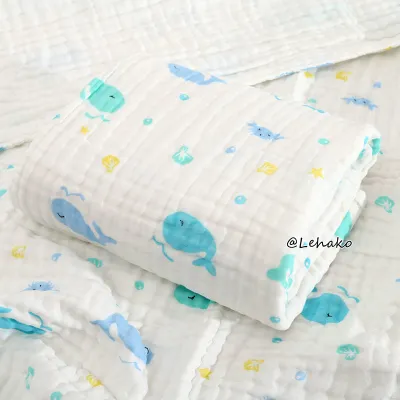
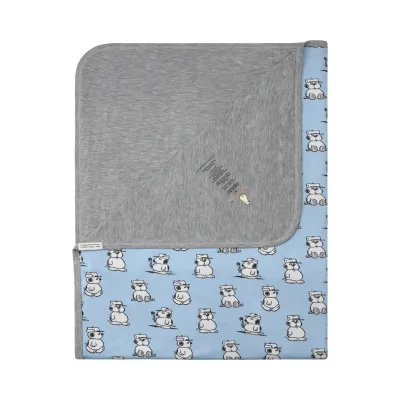
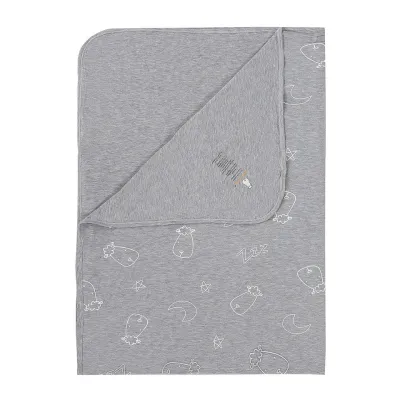
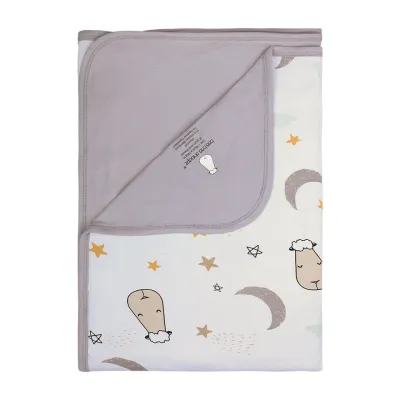
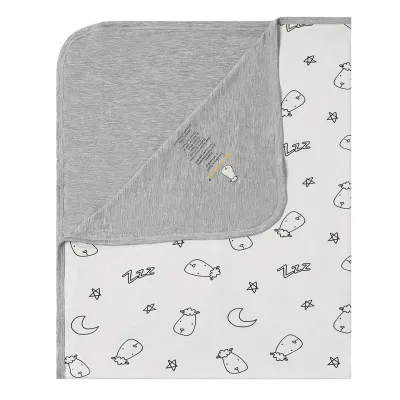
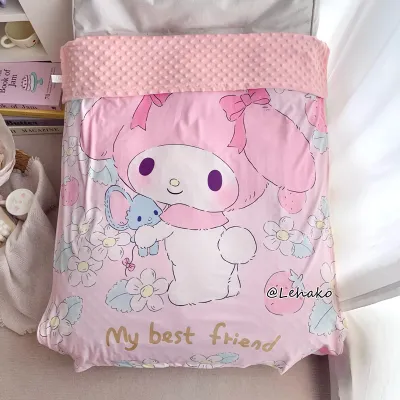
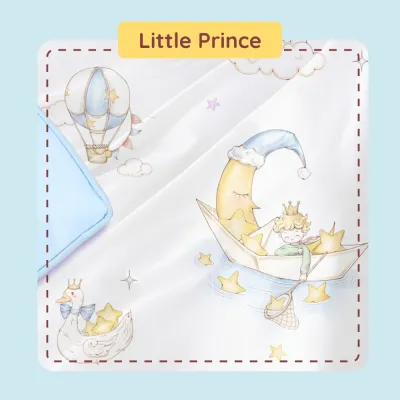
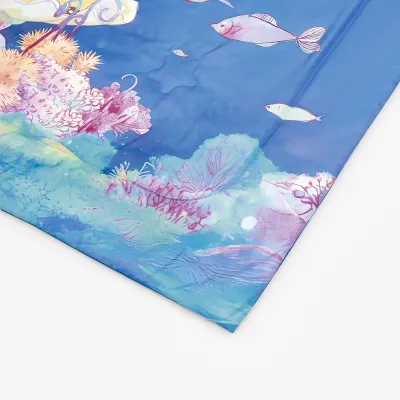
Prices are valid at publication and may change. Please refer to the product page for the latest price.
Temperature Regulation Active sleepers often experience sudden temperature spikes during the night, leading to sweating and disrupted sleep cycles. In warm climates or rooms where air conditioning is running, a blanket must offer dynamic thermal regulation. If a fabric traps heat, it can quickly lead to overheating, night sweats, and subsequent heat rashes. Selecting a material that allows air to circulate freely ensures that excess body heat escapes, keeping the child in a safe, comfortable thermal zone.
Skin Sensitivity A preschooler’s skin barrier is thinner and more delicate than an adult’s, making it highly sensitive to friction and chemical residues. Rough synthetic fibers or coarse weaves can trigger contact dermatitis, eczema flare-ups, and persistent itching. Hypoallergenic textiles with smooth, flat fibers minimize friction and prevent irritation. Additionally, choosing fabrics that can withstand frequent washing without turning stiff or scratchy is vital for maintaining a soft surface against your child’s skin.
Weight and Drape A safe preschool blanket must be lightweight enough for the child to manipulate independently. If a blanket is too heavy or has a stiff drape, it poses a physical entrapment risk, making it difficult for a sleeping child to push the fabric away if they feel too warm or restricted. The fabric should drape softly over the body, conforming to their movements without creating heavy pockets of trapped air or restricting their limbs.
Comparing Common Blanket Materials for Preschoolers
Different fabrics offer distinct performance characteristics, durability profiles, and maintenance requirements. Understanding how these materials behave under real-world conditions allows you to make an informed decision based on your household’s climate and laundry routine.

Cotton and Muslin: Breathable and Gentle
Standard cotton and open-weave muslin represent the gold standard for children’s bedding due to their natural origin and exceptional breathability. Cotton fibers are inherently soft, highly absorbent, and structurally stable, allowing them to withstand the rigorous washing cycles required for children’s bedding. With every wash, high-quality cotton tends to soften further, enhancing its comfort over time without relying on chemical softeners.
Muslin, which is a loosely woven cotton fabric, offers an even lighter alternative that is particularly suited for warm, humid nights. The open-weave construction of muslin allows maximum airflow, making it virtually impossible for heat to build up to dangerous levels. This lightweight nature also means muslin blankets dry exceptionally fast after washing, which is a major advantage in high-humidity environments. However, parents should note that very thin muslin may not provide sufficient warmth in heavily air-conditioned rooms, meaning a multi-layered cotton blanket might be necessary for cooler environments.
Bamboo-derived Fabrics: Cooling and Moisture-Wicking
Bamboo-derived fabrics, such as bamboo viscose or rayon, have gained significant popularity for their ultra-soft, silky texture and superior moisture-wicking capabilities. These semi-synthetic fibers excel at absorbing moisture away from the skin and evaporating it quickly, which is highly beneficial for children who tend to sweat during sleep. The cool-to-the-touch feel of bamboo viscose provides immediate comfort in warm settings, helping to lower the skin’s surface temperature naturally.
Despite these comfort benefits, pure bamboo viscose can be physically delicate and prone to stretching, pilling, or losing its shape when subjected to heavy-duty laundry cycles. To ensure long-term durability, look for blends that combine bamboo viscose with long-staple cotton. This combination preserves the cooling, silky properties of bamboo while leveraging the structural strength of cotton. Always check the manufacturer’s care label, as many bamboo blankets require gentle wash cycles and low-heat drying to maintain their soft texture and structural integrity.
Fleece and Microfiber: Warmth and Durability
Fleece and microfiber blankets, typically made from polyester, are highly valued for their plush softness, lightweight warmth, and rapid drying times. These synthetic options are highly practical for air-conditioned bedrooms where a consistent, cozy barrier against the chill is required. Because polyester fibers do not absorb moisture, these blankets dry quickly in the wash and are highly resistant to staining and shrinking.
However, synthetic fibers lack the natural breathability of cotton or bamboo. Fleece can easily trap body heat and moisture, creating a humid microclimate beneath the blanket that can lead to rapid overheating if the room temperature rises. If you choose a fleece blanket for a strongly air-conditioned space, ensure it features an anti-pilling and low-lint finish. This prevents the shedding of tiny synthetic fibers that could irritate your child’s respiratory system or skin.
Wool and Heavy Knits: Warmth with Safety Caveats
While natural wool is highly regarded for its exceptional insulating properties and natural temperature regulation, it requires careful consideration when used for preschoolers. Fine wools, such as high-grade merino, can keep a child warm in cold environments while still allowing the skin to breathe. However, coarser wool varieties can be highly abrasive, leading to severe skin irritation, itching, and discomfort for children with sensitive skin or eczema.
Furthermore, heavy, thick knits or dense wool blankets present serious safety hazards for independent preschoolers. The sheer weight of these blankets can make it difficult for a young child to adjust or push the bedding off during sleep, increasing the risk of entrapment. Thick, open-loop knits also pose a physical hazard, as small fingers or toes can easily become tangled in the loose yarn. For safety and comfort, it is best to avoid heavy wools and dense knits entirely, opting instead for lightweight, tightly woven natural layers.
Materials and Features to Avoid for Preschoolers
When shopping for a preschool blanket, identifying potential hazards is just as important as selecting the right material. Certain popular design trends and fabric types present hidden risks to a child’s safety and respiratory health.
Long-pile or Faux Fur Plush, long-pile fabrics and faux fur blankets are often marketed for their luxurious softness, but they are highly unsuitable for young children. The long synthetic fibers can easily shed, creating a risk of inhalation or ingestion while the child sleeps. Additionally, these dense materials trap heat excessively, creating a high risk of overheating, and their thick piles can harbor dust mites, pet dander, and other allergens that are difficult to wash out completely.
Heavy or Weighted Materials Weighted blankets have become a popular trend for promoting relaxation, but they pose significant safety risks for independent preschool sleep. A weighted blanket can restrict a child’s chest movement and limit their ability to turn over or free themselves if they slide underneath the cover. Unless specifically prescribed and monitored under the guidance of a qualified pediatrician or occupational therapist, weighted blankets should be strictly avoided in a preschooler’s independent sleeping environment.
Embellishments and Decorative Elements Blankets adorned with sewn-on buttons, beads, sequins, ribbons, or long tassels pose immediate choking and strangulation hazards. During sleep or quiet play, these decorative elements can become loose or unravel. A preschooler may accidentally ingest a loose bead or button, or become entangled in long decorative cords. Choose blankets with clean, simple, and securely stitched edges to eliminate these physical risks.
Non-breathable Synthetics Cheap, low-grade polyester blends and unlined synthetic blankets should be avoided. These materials act as a barrier to airflow, trapping sweat and body heat directly against the child’s skin. This lack of ventilation not only causes sleep disruptions due to discomfort but also creates a warm, damp environment that encourages the growth of bacteria and skin rashes.
How to Read Care Labels and Verify Material Safety
To ensure a blanket is truly safe and comfortable, you must look beyond front-of-package marketing claims and carefully inspect the physical care label and product specifications.
Fiber Content Verification Always check the official fiber content breakdown on the care label. Marketing terms like “cotton-soft feel” can be misleading, often hiding the fact that the product is primarily made of polyester or other synthetic blends. Ensure that the actual material composition matches your expectations, prioritizing high percentages of natural fibers like cotton or bamboo-derived viscose.
Care Instructions and Sanitization Preschool blankets require frequent laundering to remove sweat, spills, dust mites, and environmental allergens. Before purchasing, verify that the blanket is machine washable and can withstand regular cleaning cycles. If a blanket requires delicate hand-washing or dry cleaning, it is highly impractical for daily preschool use. Look for materials that maintain their softness and structural integrity when washed in warm water, which is highly effective at eliminating allergens.
Routine Wear and Tear Checks Regularly inspect your child’s blanket for signs of degradation. Look for thinning areas of fabric, loose seams, unraveling hems, or excessive pilling. A blanket that is beginning to fall apart can shed fibers or create loose threads that pose a wrapping hazard around fingers or toes. If you notice significant wear, it is time to repair or replace the blanket to maintain a safe sleeping environment.
Independent Safety Certifications To verify that a blanket is free from harmful chemical finishes, flame retardants, or toxic dyes, look for recognized independent textile certifications on the label. Standards such as the Global Organic Textile Standard (GOTS) for organic fibers or the OEKO-TEX Standard 100 certification provide peace of mind that the fabric has been rigorously tested for harmful substances. These certifications are especially important for children with severe allergies or highly sensitive skin.
Frequently Asked Questions (FAQ)
Can preschoolers use weighted blankets safely?
Weighted blankets are generally not recommended for independent preschool sleep. Because a young child has limited physical strength, a weighted blanket can restrict their movement, make it difficult to roll over, or compress their chest, presenting a risk of entrapment or suffocation. If your child struggles with sleep or sensory processing, always consult a pediatrician or a qualified occupational therapist before introducing any weighted sleep products. They can provide professional guidance on safe weight limits and supervised usage protocols tailored to your child’s developmental stage.
How often should I wash my child's blanket?
You should wash your preschooler’s blanket weekly under normal conditions to control the buildup of dust mites, dead skin cells, sweat, and environmental allergens. If your child has been sick, experienced a nighttime spill, or suffers from seasonal allergies or eczema, wash the blanket immediately to maintain a hygienic sleeping surface. Always refer to the manufacturer’s care label for specific temperature and drying instructions to prevent the fabric from shrinking, hardening, or losing its inherent comfort and safety properties.
Community discussion
Share your experience or ask a question. Comments are reviewed before publication.