
Selecting the right child blanket requires balancing physical safety, skin health, and thermal comfort. The safest and most comfortable child blanket materials are highly breathable, hypoallergenic, and appropriately weighted to prevent overheating while protecting sensitive skin. In Singapore’s tropical climate, where relative humidity often exceeds 80%, the ideal material is not a one-size-fits-all choice. The optimal fabric depends heavily on whether your child sleeps in an air-conditioned bedroom or a fan-cooled room.
Three core pillars define a high-quality child blanket: breathability, skin compatibility, and structural safety. Breathability is paramount because young children, particularly infants, cannot regulate their body temperature as effectively as adults, making them highly susceptible to heat rash and overheating. Hypoallergenic properties protect delicate skin barriers from irritation, while the correct weight ensures the blanket does not restrict movement or pose a suffocation hazard. Natural, plant-based fibers generally offer the most reliable balance of these safety and comfort factors for daily use.
Best Materials for Safety and Comfort
Choosing the right fabric involves understanding how different fibers behave under varying temperature and humidity levels. Below is a detailed evaluation of the most recommended materials for children’s bedding.
Products mentioned in this guide
![[SG Ready Stock] Bamboo Organic Cotton Baby Blanket / Muslin Cotton Swaddle / Children Blanket / Kids Blanket](https://img.lazcdn.com/g/ff/kf/S48ea823fb87d4ccda3a9065199a9dbfd1.jpg_400x400q80.jpg_.webp)
![[Bebe Living] Baby Toddler 100% Cotton Muslin Swaddle Blanket](https://img.lazcdn.com/g/p/c6d4f85c0961becf3c241c30d6c1fbfb.jpg_400x400q80.jpg_.webp)
![[SG Stock] Super Soft Baby Kids Blanket Plush Minky Dot backing / Toddler Childcare Center Aircon Blanket (2 Size)](https://img.lazcdn.com/g/p/f863e1828cb9110bae5c6d7fa91c7123.jpg_400x400q80.jpg_.webp)
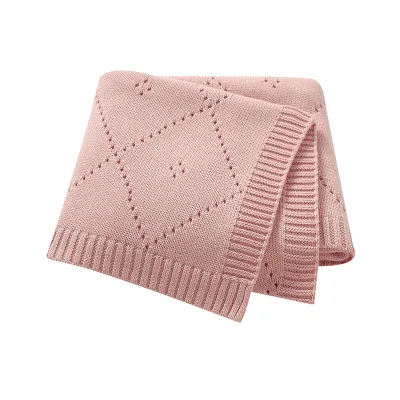
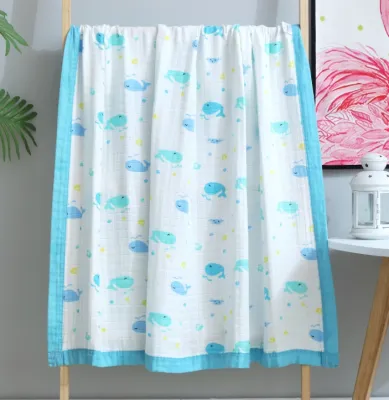
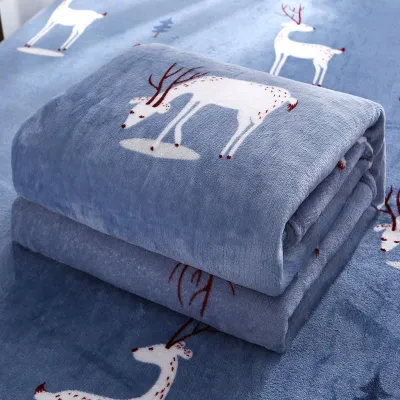
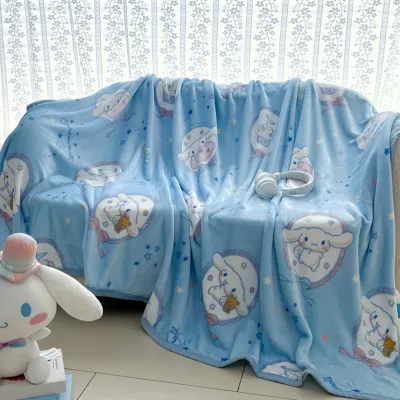
Prices are valid at publication and may change. Please refer to the product page for the latest price.
Cotton, Muslin, and Organic Cotton
Standard cotton is a widely trusted natural fiber due to its exceptional breathability and moisture-absorbing qualities. It allows air to circulate freely around the child’s body, preventing the build-up of stagnant heat. For infants and toddlers, standard cotton provides a reliable, durable option that withstands frequent washing.
Muslin is a specific type of loose-weave cotton that is highly recommended for younger children. Its open, plain-weave structure makes it incredibly lightweight and breathable, significantly reducing the risk of accidental suffocation and overheating. Muslin blankets are versatile, often serving as swaddles, stroller covers, or light sleep layers during warm afternoons.
Organic cotton represents the gold standard for children with highly reactive skin or conditions like eczema. Because organic cotton is cultivated without synthetic pesticides, herbicides, or harsh chemical fertilizers, the final textile contains fewer chemical residues that could trigger contact dermatitis. The fibers are also typically longer and softer than conventional cotton, providing a smoother texture against the skin.
Despite these benefits, cotton has a few practical limitations. In Singapore’s humid climate, cotton fibers can take a long time to air-dry after washing. Furthermore, cotton is highly absorbent; if a child sweats heavily during the night, the blanket can retain that moisture, eventually feeling cold and damp against the skin, which may disrupt sleep.
Bamboo Viscose and Lyocell
Bamboo-derived fabrics, such as bamboo viscose and lyocell, have gained immense popularity for children’s bedding due to their silky-smooth texture. This ultra-soft surface minimizes friction, making it exceptionally gentle on dry, irritated, or eczema-prone skin.
The standout feature of bamboo viscose is its superior temperature-regulating and moisture-wicking capability. Bamboo fibers feature microscopic gaps that allow them to absorb moisture much faster than cotton and release it rapidly into the air. This active moisture transport keeps children cool and dry during warm, non-air-conditioned nights, preventing the clammy feeling that often leads to night waking.
Additionally, bamboo fabrics are naturally resistant to dust mites and odors, which is a major advantage in humid environments where allergens thrive. However, bamboo requires careful maintenance. The fibers can be delicate and prone to pilling or stretching if subjected to harsh washing cycles or high-heat drying. To preserve their softness and structural integrity, they should be washed on a gentle cycle in cold water and air-dried in the shade.
Microfiber and Fleece (Polyester)
Microfiber and fleece are synthetic materials made from finely woven polyester fibers. Their primary advantages include lightweight warmth, high durability, stain resistance, and incredibly fast drying times. Because synthetic fibers do not absorb water within their core, they dry rapidly even in high humidity, making them highly practical for busy households.
The ideal use case for a synthetic blanket is travel, outdoor activities, or as an extra insulating layer in heavily air-conditioned rooms (such as during movie outings or long car rides). High-quality fleece can provide cozy warmth without adding excessive weight, making it easy to pack and carry.
However, a strict safety boundary must be maintained: thick fleece and non-breathable microfiber should never be used for infant sleep or in warm, un-air-conditioned rooms. Because synthetic fibers are essentially plastic, they do not allow heat or moisture to escape efficiently. Using these materials in warm environments can trap body heat, leading to rapid overheating, heavy sweating, and severe heat rash.
Materials to Avoid or Use with Caution
While many fabrics are suitable for adult bedding, certain materials and structural designs present distinct safety and health risks for young children.

- Coarse or Unlined Wool: Although wool is an excellent natural insulator, traditional or coarse wool blends can cause severe skin irritation and scratching. Young children have a thinner epidermal layer than adults, making them highly sensitive to the prickly fibers of coarse wool. If you wish to use wool for its natural temperature-regulating properties, opt exclusively for finely spun merino wool, and ensure it is layered over a soft cotton sheet rather than placed directly against the child's bare skin.
- Long-Pile, Shaggy, or Shedding Fabrics: High-pile faux fur, plush fabrics, and loosely woven chenille should be strictly avoided for infants and toddlers. These materials can shed loose fibers that a child might inhale or swallow, posing a choking hazard. Furthermore, the long threads and loops in loosely woven blankets present a physical entrapment risk, where a child's small fingers or toes can become tangled, potentially cutting off circulation.
- Heavy, Non-Breathable Synthetics: Avoid thick, vinyl-backed, or tightly woven synthetic blankets. These materials act as a barrier to air circulation, trapping sweat and body heat against the skin. This lack of ventilation creates a warm, damp microclimate that encourages the growth of bacteria and fungi, increasing the likelihood of skin infections and heat-related discomfort.
- Embellishments and Loose Threads: Before purchasing any child blanket, inspect it thoroughly for decorative elements. Blankets featuring sewn-on buttons, beads, sequins, ribbons, or long, loose tassels pose a severe choking hazard if they become detached. Always prioritize simple, seamless, and clean-edged designs for safety.
How to Choose by Age and Sleep Environment
Selecting the perfect blanket requires matching the material and weight to your child’s developmental stage and the specific conditions of their sleeping environment.
Infants (0-12 months)
For infants, safety guidelines are exceptionally strict. Pediatric health organizations worldwide recommend keeping loose blankets, pillows, and soft bedding entirely out of the crib to prevent accidental suffocation and Sudden Infant Death Syndrome (SIDS). Instead of a traditional loose blanket, use wearable blankets, commonly known as sleep sacks. Choose sleep sacks made from lightweight cotton muslin or bamboo viscose, which keep the infant comfortable without any loose fabric hazards. If a loose blanket must be used under direct, awake supervision, ensure it is an ultra-lightweight, breathable muslin cloth tucked securely under the sides of the mattress.
Toddlers and Older Children
Once children surpass 12 months of age, they develop the motor skills and strength required to push blankets away if they become too warm or restrict breathing. At this stage, you can transition to light, traditional blankets. Excellent options include multi-layered cotton muslin, organic cotton knit blankets, or bamboo viscose throws. These materials provide comfort and security while maintaining high breathability.
Environment Matrix
To help you navigate the best material choices for different sleeping conditions in Singapore, refer to the following selection matrix:
| Sleep Environment | Recommended Blanket Material | Key Benefit |
|---|---|---|
| Air-Conditioned Bedroom (22°C to 25°C) | Multi-layered organic cotton, bamboo lyocell, or light fleece | Provides consistent warmth while remaining breathable enough to prevent sweat build-up. |
| Fan-Cooled / Non-AC Room (Natural Ventilation) | Single-layer cotton muslin or lightweight bamboo viscose | Offers maximum airflow and rapid moisture-wicking to keep skin dry and cool. |
| Travel & Outdoor Use (Stroller, Car, Transit) | Compact microfiber or lightweight polyester fleece | Highly durable, stain-resistant, and dries rapidly after washing. |
Safety Labels and Care Instructions to Verify Before Buying
Before finalizing your purchase, always verify the product’s safety credentials and care requirements by examining the physical tags or manufacturer specifications.
Textile Certifications
Look for recognized, independent safety certifications on the product label. The most reliable standard is the OEKO-TEX Standard 100 certification. This label guarantees that every component of the blanket, including threads, buttons, and linings, has been rigorously tested for harmful substances and chemical residues, ensuring it is completely safe for sensitive skin. Another excellent certification to look for is the Global Organic Textile Standard (GOTS), which verifies that the cotton is genuinely organic and processed under strict environmental and social criteria.
Flame Retardant Warnings
Check the product description or tag to see if the blanket has been treated with chemical flame retardants. Many synthetic children’s sleepwear items and blankets are treated with these chemicals to meet flammability standards. However, these chemicals can sometimes irritate sensitive skin. It is often preferable to choose naturally flame-resistant materials, such as high-quality wool blends (used safely as outer layers) or tightly woven organic cotton that meets safety standards without added chemical treatments.
Washability and Maintenance
Children’s blankets are subjected to frequent spills, spit-up, and dirt, requiring regular washing to maintain proper hygiene. Always check the manufacturer’s care label to ensure the material can withstand frequent laundering. While some delicate bamboo blankets require hand washing or dry cleaning, busy parents should look for machine-washable fabrics that can handle warm water washes without shrinking, pilling, or losing their softness. If a blanket’s care instructions conflict with your household washing habits, it is best to choose a more resilient material like organic cotton.
Electrical Safety
If you are considering heated or electric blankets for older children during cooler seasons or in highly air-conditioned rooms, always verify the voltage compatibility and wattage limits. Look for recognized electrical safety certifications, such as the Singapore Safety Mark, to ensure the heating elements and wiring meet local safety standards. Never use heated or electric blankets for infants, toddlers, or any child unable to operate the controls or remove the blanket independently.
Frequently Asked Questions (FAQ)
Are weighted blankets safe for young children?
Weighted blankets are generally unsafe for infants and toddlers due to the risk of suffocation and restricted mobility. If a young child cannot easily push a heavy blanket off their face or body, it poses a severe safety hazard. For older children (typically school-aged), weighted blankets may be used, but you must consult a pediatrician or an occupational therapist first. The blanket’s weight should never exceed 10% of the child’s total body weight, and the child must be physically capable of removing the blanket independently without assistance.
How can I tell if a blanket material will irritate my child's eczema?
To protect eczema-prone skin, prioritize blankets made from organic cotton or bamboo viscose, which have smooth, long fibers that minimize friction. Avoid blankets with rough seams, raised embroidery, or scratchy tags, looking instead for flatlock stitching and tagless designs. Before introducing a new blanket, perform a simple patch test by letting your child hold the fabric against their inner arm for a short period to check for immediate redness. Always wash the blanket before its first use using a gentle, hypoallergenic, and fragrance-free laundry detergent to remove any manufacturing residues.
Community discussion
Share your experience or ask a question. Comments are reviewed before publication.