
When choosing a new born baby gift, selecting a blanket made from the safest, gentlest materials is the most critical decision you can make. A newborn’s skin is incredibly delicate, requiring fabrics that are highly breathable, hypoallergenic, and exceptionally soft. The ideal choice must protect their sensitive skin barrier while preventing the risks of overheating and irritation.
For gift buyers, navigating the vast array of textile options can be overwhelming. The safest approach is to prioritize natural, chemical-free fibers with open weaves that facilitate excellent airflow. This guide breaks down the safest materials, what features to avoid, and how to verify quality before purchasing a comforting wrap for a new arrival.
Why Material Choice Defines a Safe New Born Baby Gift
A newborn baby’s skin is structurally different from adult skin. It is approximately 30 percent thinner, meaning its natural moisture barrier is underdeveloped and far more susceptible to friction, chemical absorption, and environmental irritants. Rough fabrics or synthetic fibers can easily cause micro-abrasions, leading to redness, dry patches, or contact dermatitis.
Products mentioned in this guide
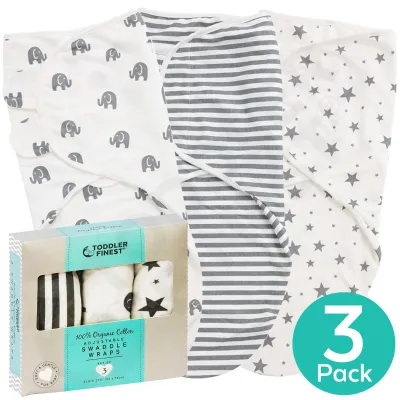
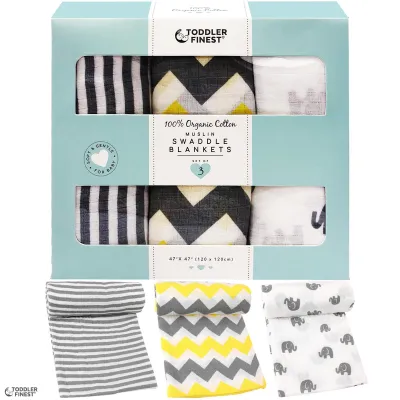
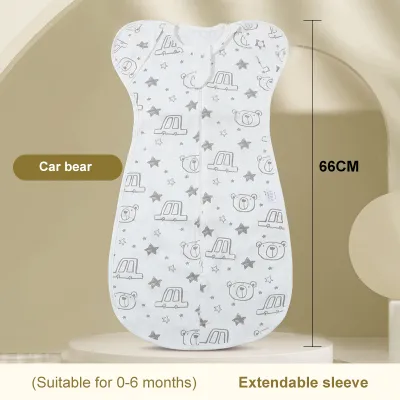
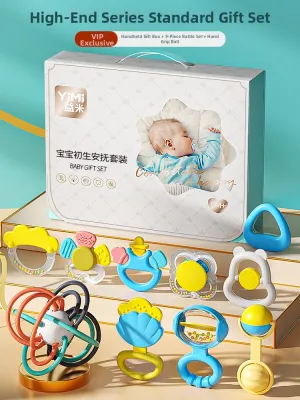
Prices are valid at publication and may change. Please refer to the product page for the latest price.
Furthermore, infants cannot regulate their body temperature as efficiently as adults. They do not sweat in the same way, making them highly vulnerable to rapid temperature fluctuations. In Singapore’s warm and humid tropical climate, this physiological factor becomes even more critical when selecting a new born baby gift.
In Singapore, families frequently transition between the intense outdoor heat and highly air-conditioned indoor spaces like shopping malls, nurseries, and transport hubs. A blanket that lacks breathability will trap warm, humid air close to the baby’s skin, rapidly leading to prickly heat, sweat rashes, and general distress.
Therefore, choosing a blanket material is not merely an aesthetic preference or a matter of matching nursery decor. It is a fundamental safety and health decision. The right material acts as a breathable microclimate around the infant, supporting their natural temperature regulation while cushioning their sensitive skin from harsh textures.
Top Gentle Materials for Newborn Blankets
To make an informed gifting decision, you must understand how different fibers behave when woven into baby blankets. The safest materials combine physical softness with structural breathability, ensuring the infant remains comfortable in various environments.

Cotton and Muslin Weaves
Pure cotton remains the gold standard for newborn bedding due to its natural breathability, high absorbency, and exceptional durability. It is a hypoallergenic fiber that rarely triggers skin sensitivities, making it an incredibly safe baseline for any infant textile. Because cotton can withstand frequent, high-temperature washing, it is also highly practical for parents managing daily spills and spit-ups.
Among cotton options, muslin weaves are particularly outstanding for newborns. Muslin features an open, plain weave that allows air to circulate freely through the fabric, significantly reducing the risk of overheating. This lightweight structure makes muslin blankets incredibly versatile, serving as swaddles, nursing covers, stroller shades, or light play mats in Singapore’s humid weather.
An added benefit of high-quality cotton muslin is its tendency to become softer with every single wash. When shopping for a gift, look for long-staple cotton or organic indicators, such as the Global Organic Textile Standard (GOTS). These indicators show that the cotton was grown without synthetic pesticides and processed without harsh chemical dyes, though you should always verify the manufacturer’s specific processing claims on their official packaging.
Bamboo-Derived Fabrics
Bamboo-derived fabrics, often labeled as bamboo viscose or bamboo lyocell, have gained immense popularity for baby products due to their luxurious, silky-smooth texture. This ultra-soft surface minimizes friction against a newborn’s delicate skin, making it an excellent choice for babies prone to eczema or extreme sensitivity.
Beyond their physical softness, bamboo-derived textiles excel at temperature regulation and moisture management. The fibers naturally wick moisture away from the body and allow it to evaporate quickly, keeping the baby cool and dry even in humid conditions. This makes bamboo blankets highly comfortable for daytime naps in non-air-conditioned rooms.
However, gift buyers should be aware of the care limitations associated with bamboo fabrics. These materials are generally more delicate than cotton and can be prone to pilling if washed aggressively. To maintain their structural integrity and buttery softness over time, they often require specific washing conditions, such as gentle cycles in cold water and air drying, which should be communicated to the recipient.
Fine Merino Wool and Microfleece
While lightweight natural fibers are ideal for daily wear in tropical climates, there are times when a newborn needs extra warmth, such as in heavily air-conditioned bedrooms or during evening outings. In these scenarios, fine Merino wool and microfleece are common options, though they require strict safety considerations.
Fine Merino wool is vastly different from traditional, coarse wools that cause itching and irritation. Ultra-fine Merino fibers (typically under 18.5 microns) are incredibly soft, highly breathable, and possess natural temperature-regulating properties that keep a baby warm without trapping moisture. However, because some infants may have an undiagnosed wool sensitivity, it is best to use Merino wool blankets over a breathable cotton base layer rather than in direct contact with bare skin.
Microfleece is a popular synthetic alternative that offers lightweight warmth and a plush, comforting feel. While it is highly affordable and quick-drying, microfleece is made from polyester, meaning it has significantly lower breathability compared to natural cotton or wool. If you choose to gift a microfleece blanket, recommend that parents use it strictly in cool, air-conditioned environments and monitor the baby closely to prevent overheating.
Materials and Features to Avoid for Sensitive Skin
Just as important as knowing what materials to choose is understanding which fabrics and design elements pose a risk to a newborn’s health and safety. Many commercially available blankets contain synthetic fibers or decorative features that are unsuitable for infant use.
Standard, non-breathable synthetic blends, such as heavy polyester or acrylic, should be avoided for direct contact with newborns. These fabrics act as a barrier to airflow, trapping body heat and sweat against the skin, which quickly leads to painful heat rashes and sleep disruptions. Stiff acrylic blankets can also feel rough and abrasive against a baby’s face.
Additionally, you should avoid blankets treated with heavy, unverified chemical finishes. These include artificial fragrances, chemical flame retardants, or stiffening agents used to make blankets look pristine on retail shelves. These chemical residues can easily transfer to a newborn’s highly permeable skin, triggering allergic reactions or respiratory irritation.
Physical design hazards are another critical consideration when selecting a safe gift. Avoid blankets with loose, fluffy fibers that can easily shed, as these pose an inhalation hazard to a baby’s developing respiratory system. Furthermore, steer clear of decorative elements such as sewn-on buttons, bows, ribbons, tassels, or loose fringe; these can detach during use or washing, presenting serious choking or entanglement risks.
How to Verify Safety and Quality Before Gifting
Before purchasing a blanket as a new born baby gift, performing a thorough quality and safety check will ensure your present is both practical and safe. Taking a few moments to inspect the product’s physical construction and labels can prevent potential issues down the road.
Start by carefully reading the care labels and material composition tags sewn onto the blanket or printed on the packaging. Ensure that the fabric composition matches the retailer’s advertising; for instance, a blanket marketed as “bamboo” should not contain a high percentage of cheap polyester filler. The label will also give you a clear indication of how easy the item is to clean, which is a major factor for busy parents.
Next, physically inspect the construction of the blanket. Run your fingers along the seams to ensure they are flat, soft, and tightly stitched. Raised, rough, or plastic-like stitching can rub uncomfortably against a baby’s skin, while loose threads can wrap around tiny fingers or toes, cutting off circulation.
Look for independent, third-party textile safety certifications to verify that the blanket is free from harmful substances. The most reputable standard to look for is the OEKO-TEX Standard 100 certification, which guarantees that every component of the product, from the fabric to the thread and accessories, has been rigorously tested for toxic chemicals. While organic certifications like GOTS are also excellent, remember that these labels must be verifiable and not just used as unbacked marketing buzzwords.
Finally, purchase your gift from reputable baby boutiques or established online retailers that specialize in infant products. These sellers are more likely to provide transparent material sourcing, clear safety compliance, and reliable customer service. Avoid buying from unverified third-party sellers on general online marketplaces where product safety standards and material claims are rarely regulated.
Preparing and Caring for the Blanket
Even the safest, highest-quality blanket requires proper preparation and maintenance to remain safe and gentle for a newborn. Providing the parents with simple care tips can help preserve the blanket’s softness and protective qualities.
It is absolutely essential to pre-wash any new baby blanket before its first use. Blankets undergo extensive handling, shipping, and storage before reaching the consumer, accumulating dust, microscopic debris, and manufacturing residues. A thorough wash ensures the fabric is completely clean and hygienic before it touches the infant’s skin.
When washing, parents should always use a mild, baby-safe, and fragrance-free liquid detergent. Standard household detergents often contain optical brighteners, synthetic perfumes, and harsh enzymes that linger in the fabric fibers and easily irritate sensitive skin. A gentle, hypoallergenic formula will clean the blanket effectively without leaving irritating residues.
Crucially, advise against the use of traditional fabric softeners or dryer sheets. While these products are designed to make fabrics feel softer, they do so by coating the fibers in a thin, chemical-based hydrophobic layer. This coating significantly reduces the natural breathability and moisture-wicking capabilities of cotton and bamboo, while also introducing potential skin allergens.
To dry the blanket safely, air drying in a shaded, well-ventilated area is the best option for preserving delicate natural fibers like bamboo and muslin. If using a dryer, select a low-heat, gentle tumble cycle to prevent shrinkage, fabric distortion, or fiber damage, ensuring the blanket remains a cozy, safe companion for the newborn.
Frequently Asked Questions (FAQ)
Are weighted or thick blankets safe for newborn sleep?
No, weighted blankets, heavy quilts, and thick comforters are highly unsafe for newborn sleep. Safe sleep guidelines recommend that an infant’s sleep environment remain free of loose bedding, heavy layers, or weighted items due to the direct risks of suffocation, restricted breathing, and overheating. For safe sleep, stick to lightweight, highly breathable muslin swaddles or properly fitted wearable sleep sacks.
How many blankets should I include in a new born baby gift set?
A versatile mix of three to four blankets is ideal for a thoughtful gift set. Including two or three lightweight cotton muslin swaddles for daily, multi-purpose use, along with one slightly warmer, breathable bamboo or fine knit blanket for air-conditioned spaces, provides the perfect balance. Because babies require frequent clothing and bedding changes, having a small, high-quality rotation is incredibly helpful for new parents.
Community discussion
Share your experience or ask a question. Comments are reviewed before publication.