
Quick Answer: Which Sage Format Should You Choose?
Choosing between sage smudge sticks and sage incense sticks for your apartment depends on your home’s layout and ventilation. If you have an open-concept flat or a condominium with a spacious balcony and excellent cross-ventilation, traditional smudge sticks offer a rich, authentic experience. However, if you live in a more enclosed space, rely heavily on air conditioning, or need a low-maintenance, controlled burn, sage incense sticks are the more practical choice.
Before lighting either format, always verify your building’s strata management guidelines or estate rules regarding smoke and strong aromas. High-density living requires mindfulness of shared spaces, and choosing the right format helps maintain good relations with your neighbors while keeping your indoor air comfortable.
Smudge Sticks vs. Incense Sticks: What Is the Difference?
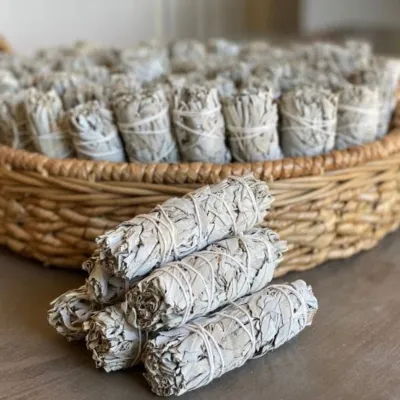
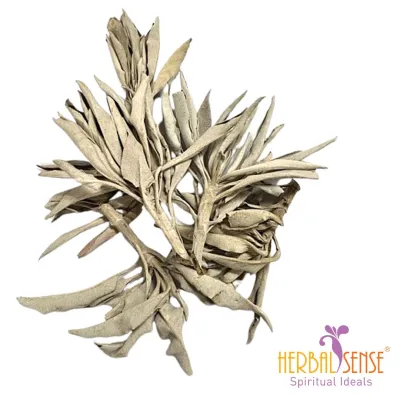
To make an informed choice, it helps to understand how these two formats are constructed and how they behave when lit. Sage smudge sticks are traditional bundles made from raw, dried sage leaves—most commonly white sage—that are tightly bound together with cotton string. Because they consist of whole, natural leaves and stems, they burn unevenly and produce a thick, variable volume of smoke. Managing a smudge stick requires active participation; you must gently fan the embers to keep them glowing, and you may need to relight the bundle multiple times during a single session.
Products mentioned in this guide
Prices are valid at publication and may change. Please refer to the product page for the latest price.

In contrast, sage incense sticks are processed products. Manufacturers grind dried sage leaves into a fine powder, which is then blended with a natural gum binder and sometimes other aromatic botanicals. This mixture is either extruded into solid sticks or pressed onto a thin bamboo core. Because of this uniform composition, incense sticks burn at a highly predictable, steady rate. Once lit, they require no manual intervention to keep burning, making them a convenient, hands-off option for daily use.
Comparing Smoke Output, Burn Time, and Ventilation Needs
The physical differences between raw leaves and processed incense directly impact your indoor air quality, especially in high-rise apartments where airflow can be limited.
Smoke Density and Particulate Output
Raw smudge sticks produce a dense, heavy cloud of white smoke. This is because the whole leaves contain natural moisture, oils, and woody stems that undergo incomplete combustion. This high-volume smoke is ideal for short, intense aromatic rituals but can quickly overwhelm a small room. Sage incense sticks, on the other hand, release a much lighter, continuous stream of thin smoke. The combustion is more complete due to the finely ground ingredients, resulting in fewer heavy particulates suspended in your living space.
Burn Duration and Consistency
A standard sage incense stick typically burns continuously for 30 to 45 minutes, providing a steady release of fragrance from start to finish. You do not need to monitor it constantly. A smudge stick does not burn continuously on its own; the ember will naturally self-extinguish after a few minutes unless you actively fan it or move it through the air. While this allows you to control exactly how much sage you burn, it also means the process is more hands-on and can result in uneven scent distribution if you stay in one spot.
Ventilation Requirements
Because tropical climates often experience high humidity and relatively still air days, managing indoor airflow is crucial when burning any botanical material. Smudge sticks demand active, high-volume ventilation. You should only light them when you can open opposite windows to create a strong cross-breeze, allowing the heavy smoke to exit the apartment immediately. For incense sticks, basic ventilation is usually sufficient. Keeping a single window open or running a kitchen exhaust fan can easily manage the lighter smoke trail without letting the aroma escape too quickly.
| Feature | Sage Smudge Sticks | Sage Incense Sticks |
|---|---|---|
| Smoke Intensity | High, dense, and cloud-like | Low to medium, thin stream |
| Burn Consistency | Intermittent, requires relighting | Continuous and self-sustaining |
| Active Effort | High (must fan and monitor) | Low (light and leave in holder) |
| Ideal Ventilation | Strong cross-breeze, open balcony | Single open window or exhaust fan |
| Best Suited For | Large open areas, deep clearing | Daily scenting, small rooms |
Matching the Format to Your Living Space
The architectural design of your home plays a major role in determining which sage format is most appropriate.
HDB Flats and Common Corridors
In typical HDB estates, units are arranged along common corridors or in close proximity to shared lift lobbies. Heavy smoke from a smudge stick can easily drift out of your front door or kitchen window, traveling directly into your neighbor’s living area or corridor. To avoid causing discomfort to neighbors—especially those with respiratory sensitivities or young children—incense sticks are generally the safer, more considerate option. If you do choose to use a smudge stick in an HDB flat, ensure your front door and corridor-facing windows are closed while rear windows are open, directing the smoke away from shared public walkways.
Condominiums and Enclosed Layouts
Many modern condominiums feature enclosed layouts, double-glazed windows, and centralized air conditioning systems that limit natural draft. In these spaces, heavy smoke can linger for hours, settling into curtains, sofas, and wallpaper. Sage incense sticks are highly suited for these environments because their lighter smoke profile is easier for standard home ventilation systems to clear. Additionally, some condominium strata by-laws have strict regulations regarding open flames and strong odors on balconies; always check your estate’s resident handbook to ensure compliance.
Room-by-Room Adjustments
Even within the same apartment, different rooms require different approaches. A spacious, open-concept living room with access to a balcony can handle the occasional use of a smudge stick, provided you keep the balcony doors open. Conversely, smaller, enclosed spaces like bedrooms, home offices, or bathrooms are poorly suited for smudge sticks. In these confined areas, the concentrated smoke can quickly become irritating. Opt for a single, lightly burning incense stick placed near a window to keep the fragrance pleasant and the air clear.
Safety, Fire Precautions, and Smoke Detectors
Burning any material indoors carries inherent risks, particularly in high-density residential buildings where safety systems are highly sensitive.
Using Proper Burners and Catchers
When burning a sage smudge stick, hot embers and ash can easily break off and fall onto flammable surfaces. Always hold the bundle over a heat-resistant container, such as a traditional ceramic bowl, a thick stone dish, or a metal tray filled with clean sand. For incense sticks, use a dedicated burner that is long enough to catch the entire length of falling ash. Ensure the burner is placed on a flat, stable surface away from drafts, curtains, and household pets.
Navigating Home Fire Alarm Devices
Many newer residential units are equipped with Home Fire Alarm Devices (HFAD) or ceiling-mounted smoke detectors. These sensors are designed to detect sudden increases in airborne particulates. To prevent triggering a false alarm, never burn sage directly beneath a smoke detector. Keep your burning sage at a safe distance, and ensure there is a continuous path for the smoke to exit the room rather than pooling near the ceiling.
Safe Extinguishing Methods
Never leave a burning smudge stick or incense stick unattended. To extinguish a smudge stick completely, press the burning tip firmly into a bowl of sand or a fireproof ceramic surface until no smoke rises. Avoid using water to put out a smudge stick, as this can ruin the remaining leaves and make them prone to mold in humid climates. For incense sticks, you can simply let them burn down completely in a secure holder, or snip off the glowing tip with scissors if you need to end the session early. If a neighbor ever expresses concern about lingering smoke or odors, immediately extinguish the source and open all windows to clear the air.
Frequently Asked Questions (FAQ)
Can I burn sage in an air-conditioned apartment room?
It is not recommended to burn sage while your air conditioning unit is actively running. The cooling system recirculates indoor air, which means the heavy smoke and particulate matter will be drawn directly into the unit’s return vents. Over time, this causes soot and oily residue to accumulate on the air filters and cooling coils, reducing the system’s efficiency and causing a stale, smoky odor to blow back into the room whenever the AC is turned on. To enjoy sage safely, turn off your air conditioner, open your windows to allow natural airflow during the burn, and let the smoke fully dissipate before closing up the room and restarting your cooling system.
How do I dispose of sage ash safely in an apartment?
Before disposing of any ash or leftover embers, you must ensure they are completely cold to the touch. Even after the smoke stops, tiny pockets of heat can remain trapped inside the ash for several hours, posing a fire hazard if mixed with household trash. Once the ash is entirely cold, gently sweep or wipe it into a small bag, seal it tightly, and place it in your general household waste bin. Never flush sage ash down your kitchen sink, bathroom basin, or toilet bowl; the fine particulates can combine with soap scum and grease in your plumbing, leading to stubborn blockages that are difficult and costly to clear.

Community discussion
Share your experience or ask a question. Comments are reviewed before publication.